
Paulownia Wooden Gift Box with Flush Sliding Lid and Decorative Wave Edge
Paulownia wooden gift box with flush sliding lid, decorative wave-edge profile, and dual natural or heavily charred finish options, built for distinctive gift packaging, artisan product presentation, and keepsake storage with Japanese-inspired aesthetic.
Key Features
- Lightweight paulownia wood — eco-friendly, fast-growing species with fine, straight grain
- Flush sliding lid — sits level with the box body, no protruding panels or hardware
- Decorative wave-edge profile on box walls — organic, flowing edge that distinguishes from straight-cut boxes
- Two distinctive finishes: natural light paulownia or heavily charred (shou sugi ban style) dark texture
- All-wood construction — no metal, no plastic, fully biodegradable
$0.72 - $2.70 / piece
Prices vary based on order quantity, dimensions, material selection, and logo printing method. Send an inquiry.
Specifications
- Material
- Paulownia wood
- Wood Thickness
- ~0.8cm (customizable)
- Outer Size
- 21 × 10 × 4 cm (customizable)
- Inner Size
- 19.5 × 8.5 × 3 cm
- Lid Type
- Flush sliding lid with wave-shaped edges
- Surface Finish
- Natural or heavily charred
- MOQ
- 200 pcs
- Usage
- Gift packaging, keepsake boxes, retail display, event favors
Applications
Artisan and craft product packaging
The wave edge and charred finish option give this box a handcrafted, artisanal character that mass-produced packaging can't replicate. For handmade soaps, ceramics, textiles, and craft products, the box aesthetic aligns with the product's handcrafted values.
Japanese and wabi-sabi aesthetic gifting
The charred finish (shou sugi ban) is a traditional Japanese wood preservation technique — the surface is burned, then brushed, revealing a dark, textured surface with silver-grey highlights. The wave edge adds organic irregularity. Together, they create a box grounded in Japanese craft philosophy.
Keepsake and memory box
The flush sliding lid and wave-edge sides make this box visually distinct on a shelf or dresser. It's recognizably different from standard wooden boxes. For storing letters, photos, jewelry, and personal mementos, the box's character makes the storage feel intentional and valued.
Customization Options
Dimensions. Built to your product requirements. Standard approximate range: 15–25cm length, 8–15cm width, 6–12cm height. Custom dimensions within paulownia board availability.
Finish. Natural paulownia (light, sanded, clear coat). Charred (shou sugi ban style: surface burned, wire-brushed to remove loose char, sealed). Degree of char: light (surface darkened, grain visible), medium (textured surface, prominent grain relief), heavy (deep char, pronounced texture).
Wave Pattern. Standard: gentle wave with 1–2cm amplitude. Available: more pronounced wave, asymmetrical wave, or custom edge profile. Straight edge (no wave) also available.
Interior. Standard: natural paulownia. Available: flocked, felt-lined, or custom-fit insert.
Branding. Laser engraving — dark mark shows well on natural paulownia, subtle on charred. Hot stamping on the lid end — metallic foil on charred wood is especially striking.
Ready to get a recommendation?
Send us your requirements — we'll respond with material and production recommendations within 24–48 hours.
Why This Design Works
The wave-edge profile transforms the box silhouette from rectilinear to organic. Every standard wooden box has straight top and bottom edges. The wave edge breaks that expectation — the box walls rise and fall in a gentle curve, creating a silhouette that catches light differently and draws the eye. It's a small design move (the wave is cut into the wall board before assembly, adding one CNC operation) with an outsized visual impact. The box is immediately recognizable as not-standard.
The dual finish options span completely different aesthetic territories using the same box body. Natural paulownia is light, bright, and contemporary — the fine grain and pale color read as clean Scandinavian or minimalist design. The charred finish is dark, textural, and ancient-feeling — the burned-then-brushed surface reveals the wood's grain structure in relief. Same box. Same construction. Radically different presence. This means the product can serve both a modern minimalist brand and a traditional craft-oriented brand from the same production line.
The flush sliding lid puts the focus on the wave edge. A protruding lid would visually compete with the wave-edge profile. The flush lid sits level with the box walls — nothing distracts from the wave silhouette. The sliding mechanism itself is invisible when the lid is closed; the box reads as a solid object with a decorative edge, not as a box-with-lid. The lid access is from the end of the box, where a subtle finger pull or the wave's natural depression provides grip.
Manufacturing Considerations
The wave edge profile requires CNC routing before box assembly. The wave is cut into the top edge of each wall board as a separate operation before the box is assembled. Each wall gets the same wave profile, and the wave pattern must register at the corners — the wave on the front wall must meet the wave on the side wall seamlessly. We use a continuous CNC toolpath that cuts all four walls in sequence, ensuring corner-to-corner continuity.
Charred finish consistency is difficult — and that's the point. The charring process is inherently variable. The flame contact time, the wood density variation, and the brushing pressure all affect the final surface. Two charred boxes will not be identical. For this product, that variation is a feature — it confirms the finish is genuine, not a printed imitation. For buyers who need exact consistency, the natural finish is the correct choice.
The charring process affects the sliding lid track tolerance. Charring removes a thin layer of wood from the surface. If the lid track is cut before charring, the track dimensions change during the burn — the groove becomes wider and slightly irregular. We cut the lid track after charring and brushing, so the groove dimensions are based on the finished wall thickness. This sequence adds a production step but ensures the lid slides smoothly in the finished box.
Have a technical concern about your use case? Our team can walk you through how we'd handle it for your project.
Start Your Project
Send us your design or reference images — we'll return with a pre-production sample for your approval.
Customization Services
We offer comprehensive customization services for these boxes, including custom dimensions, wood species, finish options, lid configurations, and logo branding to meet your specific packaging requirements.
Related Products
You may also be interested in
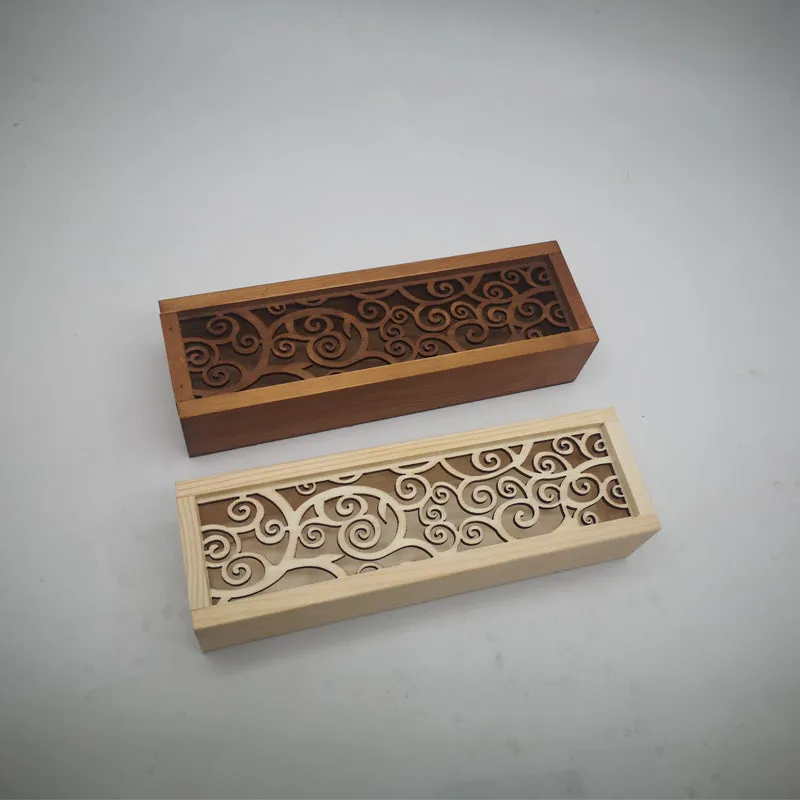
Wooden Decorative Gift Box with Intricate Swirl Carving – Premium Packaging for Special Occasions
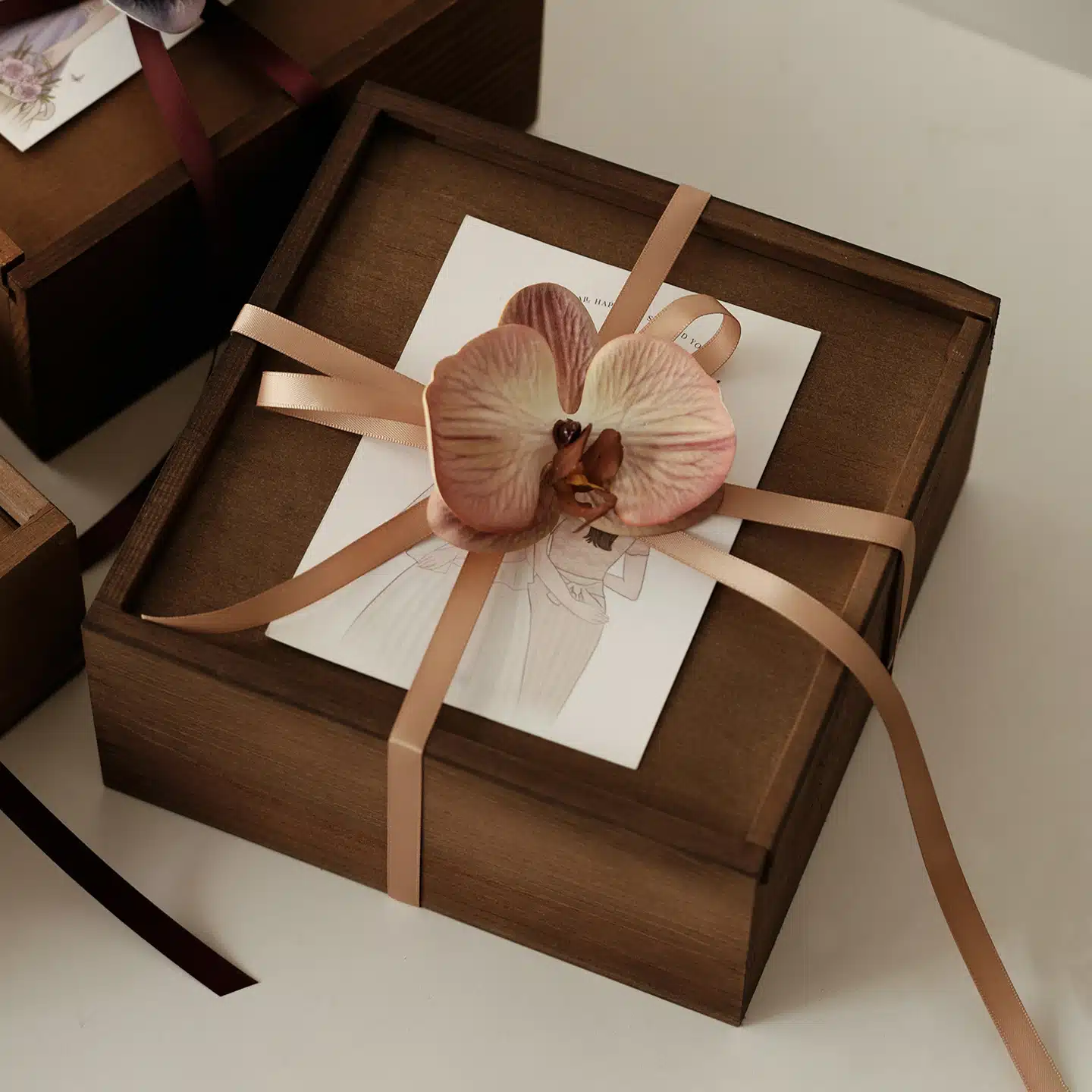
Vintage Solid Wood Sliding Lid Storage Box Custom Distressed Packaging
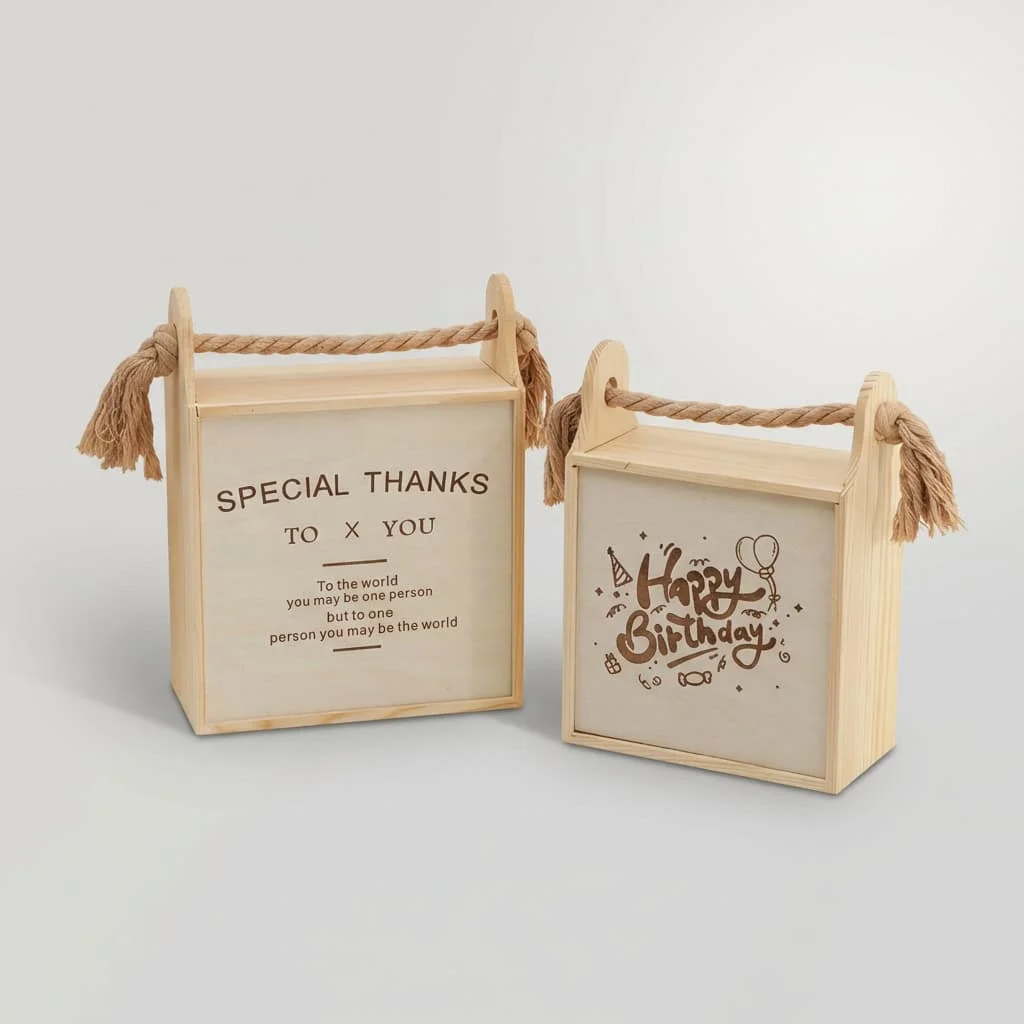
Wooden Rope Handle Gift Boxes for Festival & Holiday Packaging
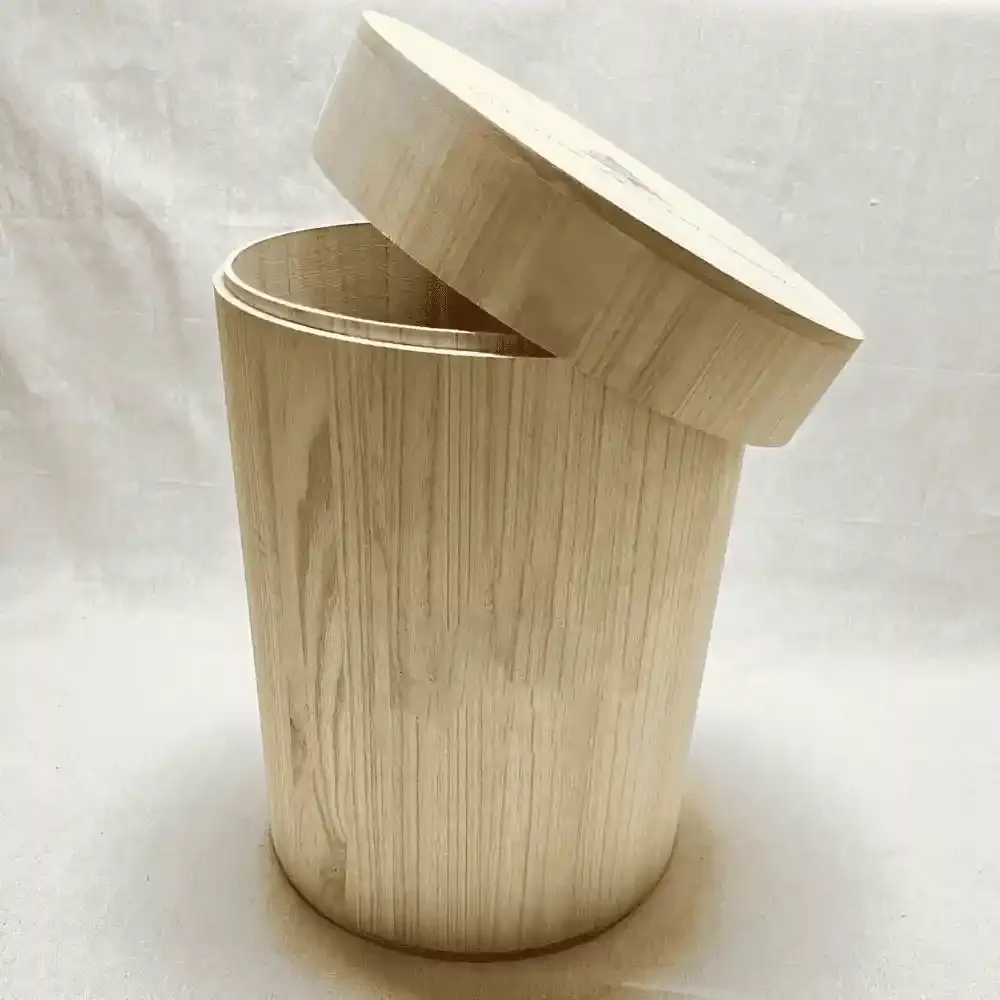
Large Round Wooden Storage Barrel Large Souvenir Gift Box Desktop Organizer Wooden Decorative Barrel
Frequently Asked Questions
Q: What is the charred finish and how is it done?
Q: Does the charred finish leave black residue on hands or contents?
Q: How does paulownia compare to pine for a sliding lid box?
Q: Can the wave edge be a different pattern?
Send Us Your Requirements
Send your design, reference images, or product sample. We don't just quote a price — we respond with material recommendations, a feasibility assessment, and professional suggestions grounded in over 20 years of manufacturing experience. Expect a detailed response within 24–48 hours.
- Professional recommendations included
- Small MOQ & trial orders supported
- Worldwide shipping with export documentation