
Custom Logo Birch Bark Wood Tea Gift Boxes
Wholesale custom logo birch bark wood tea gift boxes with natural bark exterior and extensive shape and size range — cylindrical, square, rectangular, rounded, and envelope formats from 6cm to 34cm — built for premium tea packaging, artisanal product presentation, and eco-conscious brand packaging.
Key Features
- Natural birch bark exterior over solid wood body — authentic bark texture with structural wood core
- Extensive size range from 6cm miniature to 34cm large format — one construction method, every packaging scale
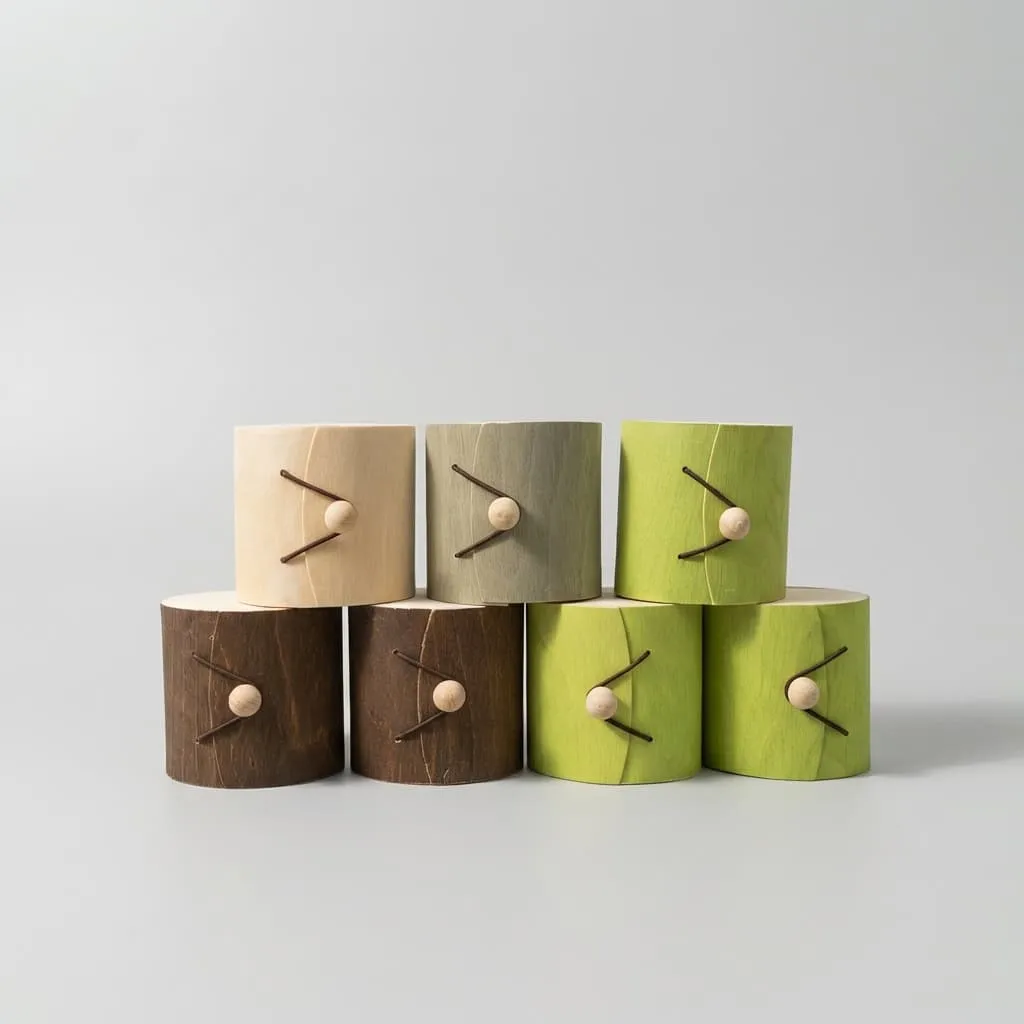
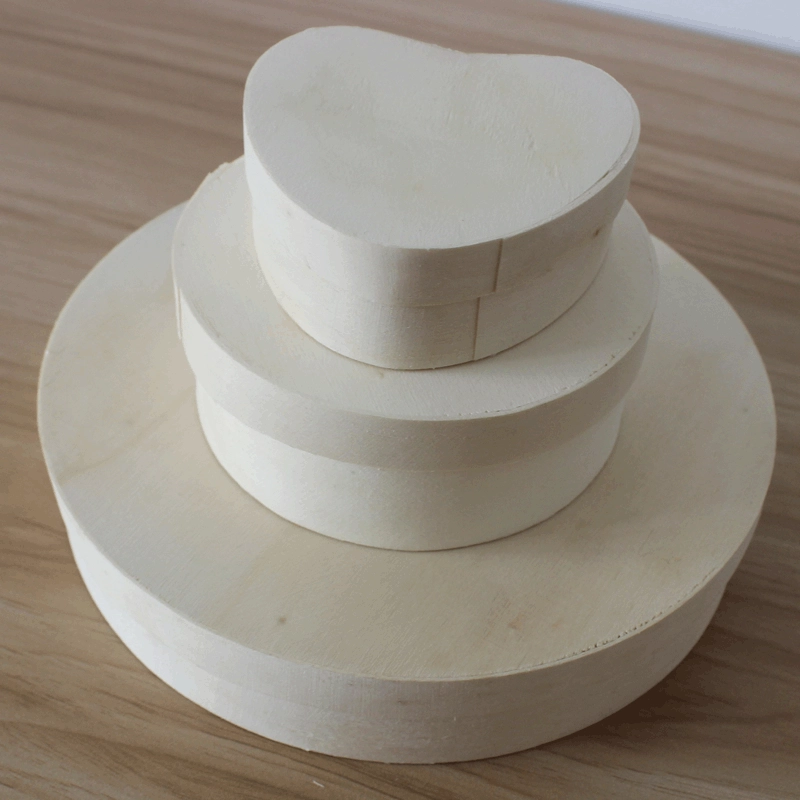
- Multiple shapes: cylindrical, square, rectangular, rounded-edge, and flat envelope — match any product profile
- Smooth natural wood or bark-textured lid options — choose based on branding surface requirements
- All-natural materials — birch bark and wood, fully biodegradable, no plastic components
$0.72 - $2.70 / piece
Prices vary based on order quantity, dimensions, material selection, and logo printing method. Send an inquiry.
Specifications
- Material
- Birch bark exterior, solid wood body
- Design
- Square, cylindrical, or rounded-rectangle shapes
- Closure
- String tie or ribbon with wooden button
- Surface Finish
- Natural (sanded smooth)
- Dimensions
- Customizable
- Usage
- Fine tea packaging, specialty food gifts, corporate gift boxes
Applications
Premium tea brand packaging
Birch bark's natural texture and light color provide a distinctive packaging format that stands out on tea shop shelves. The range of sizes accommodates everything from single-portion tea samplers (6–9cm) to bulk loose-leaf packaging (16–20cm) to gift sets (20–34cm). The bark texture signals 'natural' and 'artisanal' to tea consumers.
Artisanal and eco-conscious product lines
For brands built around natural ingredients, sustainable practices, and craft production, birch bark packaging tells the material story before the customer reads a word. The bark's natural variation means every box is unique — a feature for brands that emphasize authenticity over mass-produced uniformity.
Corporate and event gifting
Custom logo engraving or printing on birch bark creates a branded packaging format that recipients keep. The unusual material — birch bark — makes the packaging memorable in a way that standard wooden or cardboard boxes aren't.
Customization Options
Shape & Size. Any of the standard shapes (cylindrical, square, rectangular, rounded, envelope) in any dimension from approximately 6cm to 34cm. Custom shapes available — the bark-wrapping process adapts to different profiles.
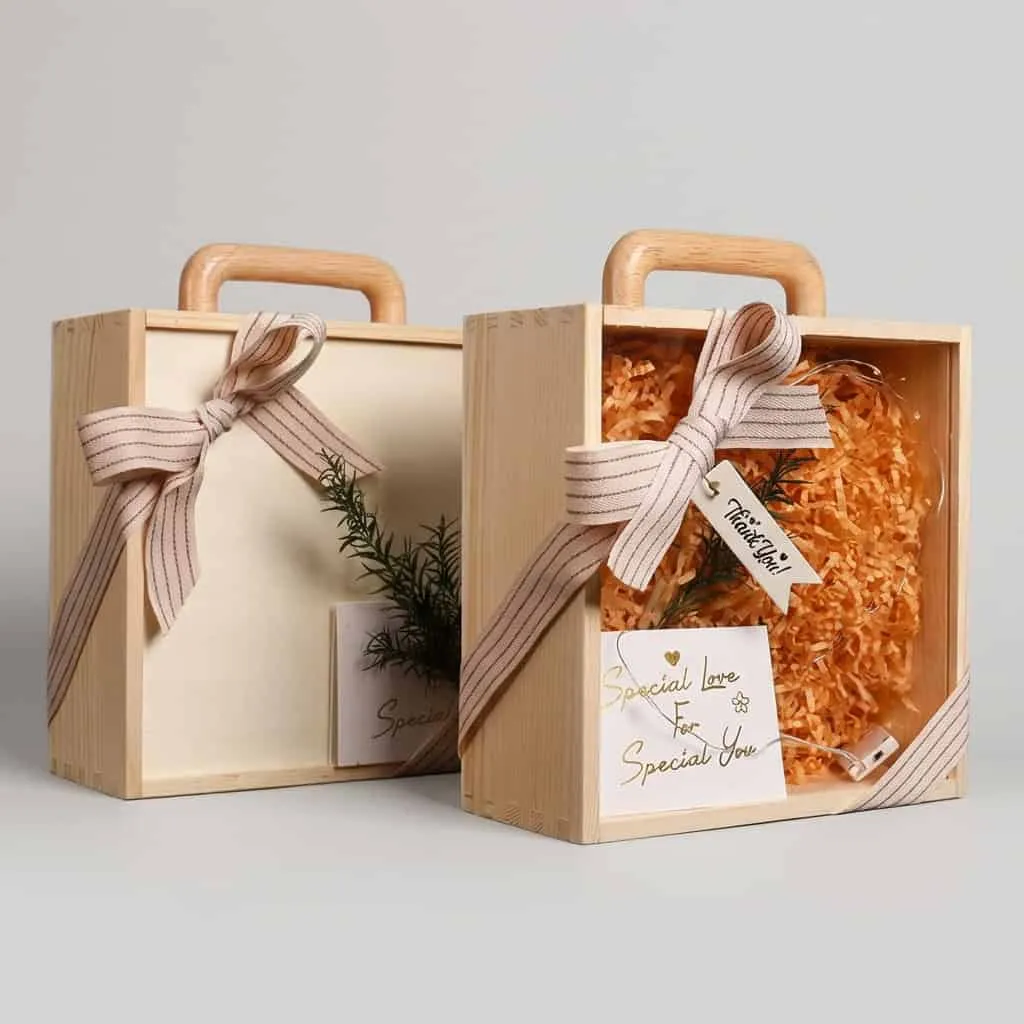
Lid Style. Standard: matching birch bark lid. Available: solid wood lid (cleaner branding surface), fabric-covered lid, or window lid for product visibility.
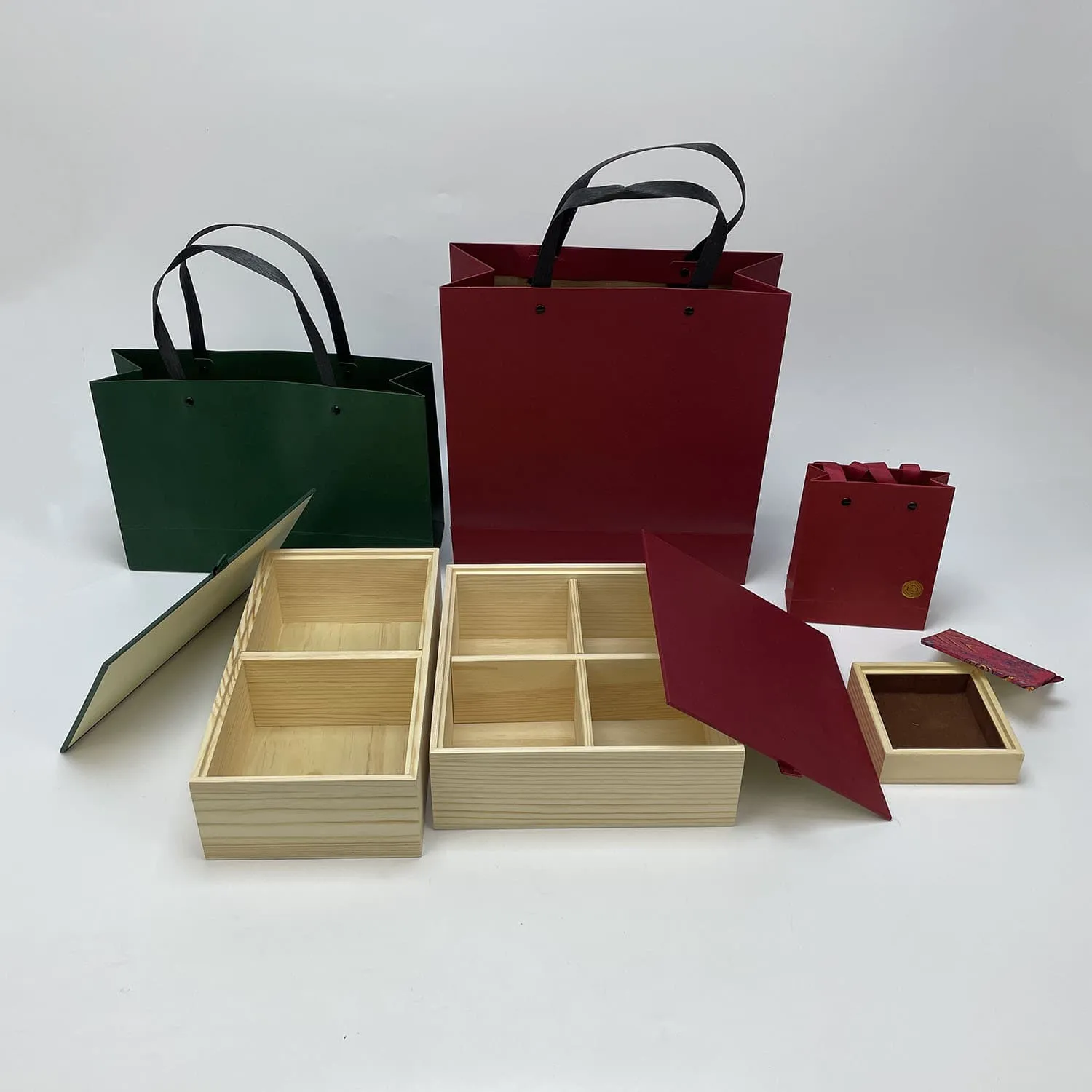
Interior. Standard: natural wood. Available: flocked interior, fabric lining, or custom-fit product insert.
Branding. Laser engraving on birch bark — produces a darker mark that's visible but softer-edged than on smooth wood (the bark texture creates a naturally rustic branding effect). Hot stamping — metallic foil on bark creates a striking contrast. Screen printing on the bark surface — works best on flatter bark sections. Interior branding for a clean exterior with discovery moment inside.
Finish. Standard: natural bark (no additional finish — the bark's natural betulin content provides protection). Available: light clear seal coat (reduces surface flaking), or dyed bark (color treatment that preserves bark texture).
Ready to get a recommendation?
Send us your requirements — we'll respond with material and production recommendations within 24–48 hours.
Why This Design Works
Birch bark is packaging's most under-used natural material. Birch bark has been used for containers for thousands of years — it's waterproof, flexible, and naturally beautiful. The horizontal lenticels (dark line markings) create a pattern that can't be replicated by printing or painting. When a customer picks up a birch bark box, they know immediately that the material is real — the texture, the pattern variation, the slight papery feel are all signals of authenticity. For premium tea and artisanal products, this material authenticity aligns with product authenticity.
The size and shape range means one packaging language across an entire product line. A tea brand might need 8cm miniature boxes for samplers, 16cm cylindrical boxes for loose-leaf, 20cm round boxes for cake tea, and 34cm boxes for gift sets. All of these can be made with the same birch bark construction method — same material, same visual language, different dimensions. This creates packaging consistency across the product catalog that off-the-shelf packaging can't match.
Birch bark's natural properties include water resistance. Birch bark contains betulin, a waxy compound that makes the bark naturally water-repellent. This isn't just decorative bark — it has functional properties. The bark exterior sheds water better than unfinished wood, providing a degree of moisture protection for the contents. This matters for tea packaging, where humidity is the enemy of product quality.
Manufacturing Considerations
Birch bark sourcing and grading is the foundation of quality. Birch bark is harvested from mature birch trees — the outer bark layer peels naturally or is carefully removed. Bark quality varies by tree, season, and harvesting method. We grade incoming bark for thickness consistency, lenticel pattern density, and surface quality. Bark with large defects, excessive thin spots, or inconsistent texture is rejected. This grading step determines the visual quality of the finished boxes.
Bark-to-wood adhesion across varied shapes is the #1 production challenge. Birch bark is applied to a structural wood or veneer body. On flat surfaces (square, rectangular boxes), adhesion is straightforward — even clamping pressure over the entire surface. On curved surfaces (cylindrical boxes), the bark must conform to the radius without lifting at the edges. We use flexible adhesives and form-fitting pressure application during curing. The tightest curves (small-diameter cylinders) are the most demanding and get the most QC attention.
Bark edge finishing determines the perceived quality of the box. Where the bark ends — at the lid rim, the base edge, the opening — the transition from bark to wood must be clean. Rough bark edges look unfinished; clean edges look intentional. We trim bark edges precisely after adhesion and, where needed, apply a thin clear seal line at the bark-wood transition to prevent edge lifting.
Have a technical concern about your use case? Our team can walk you through how we'd handle it for your project.
Start Your Project
Send us your design or reference images — we'll return with a pre-production sample for your approval.
Customization Services
We offer comprehensive customization services for these boxes, including custom dimensions, wood species, finish options, lid configurations, and logo branding to meet your specific packaging requirements.
Frequently Asked Questions
Q: Does the birch bark peel or flake off over time?
Q: Can I get all my product sizes in matching birch bark boxes?
Q: How does birch bark compare to plain wood boxes for tea packaging?
Q: Is the bark surface suitable for food-contact packaging?
Send Us Your Requirements
Send your design, reference images, or product sample. We don't just quote a price — we respond with material recommendations, a feasibility assessment, and professional suggestions grounded in over 20 years of manufacturing experience. Expect a detailed response within 24–48 hours.
- Professional recommendations included
- Small MOQ & trial orders supported
- Worldwide shipping with export documentation