Getting Started
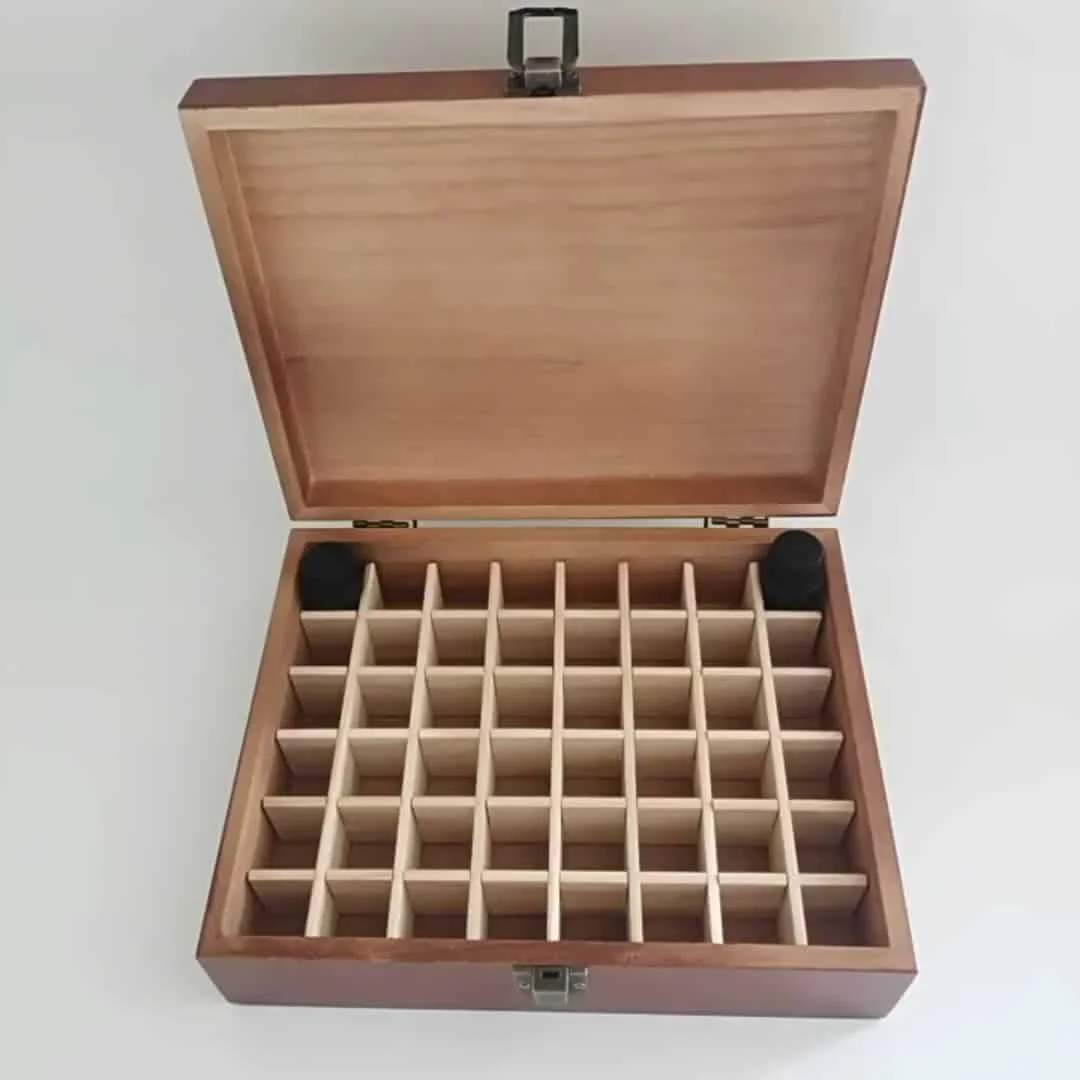
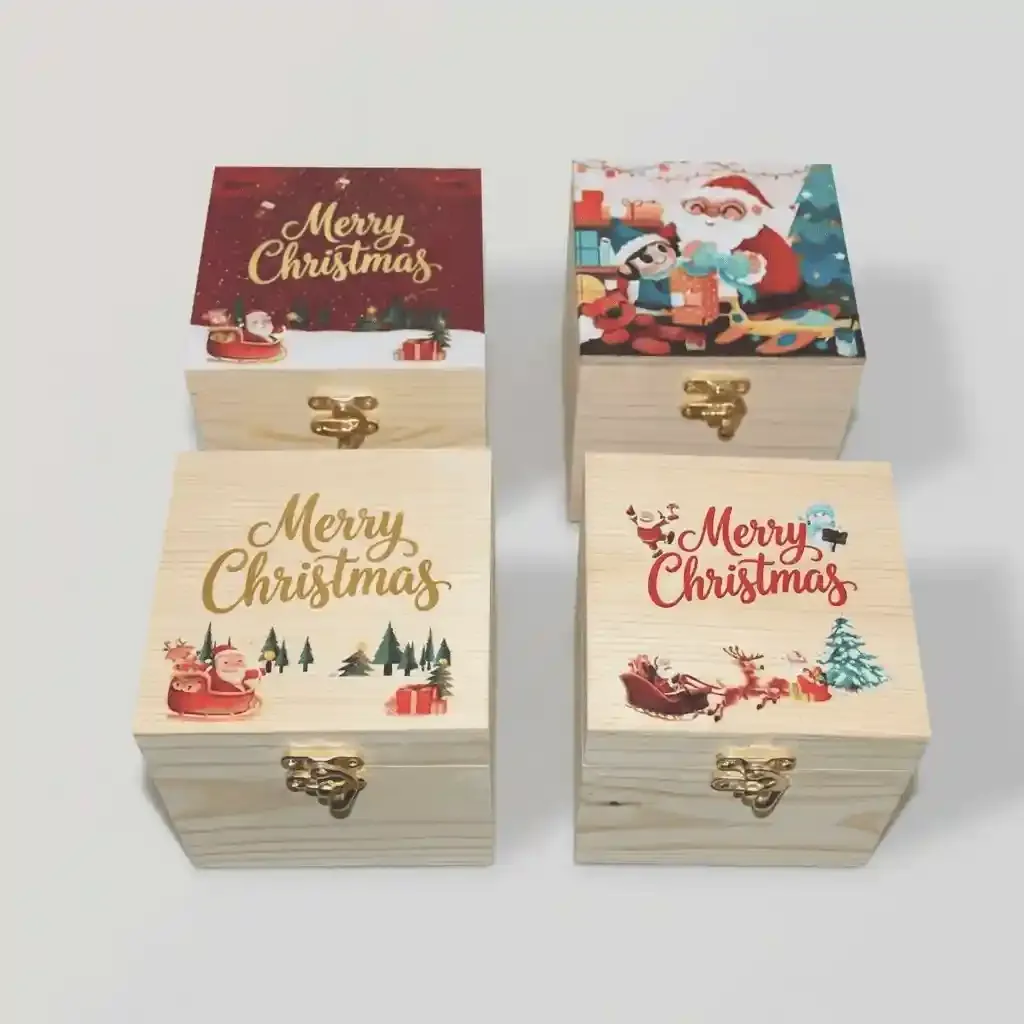
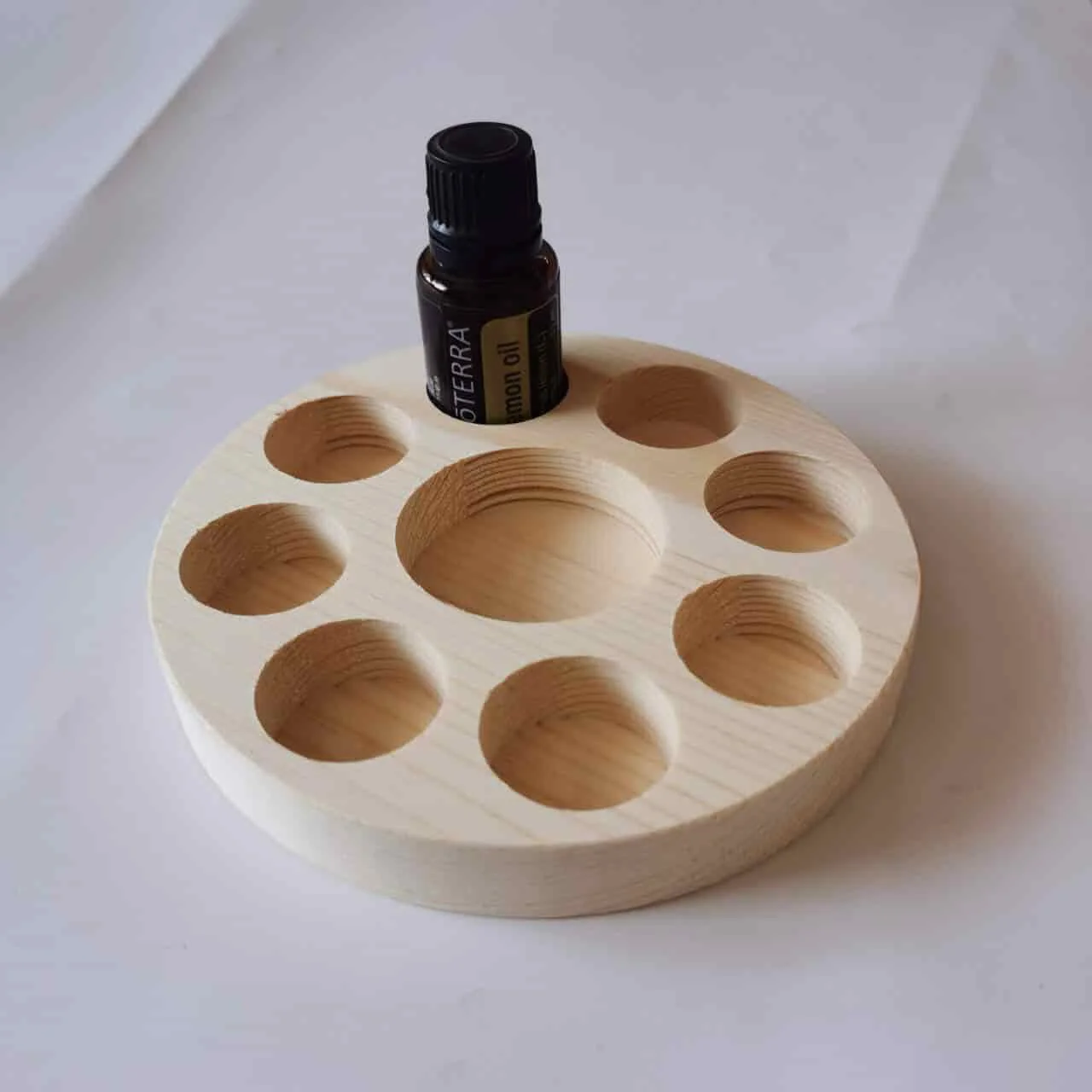
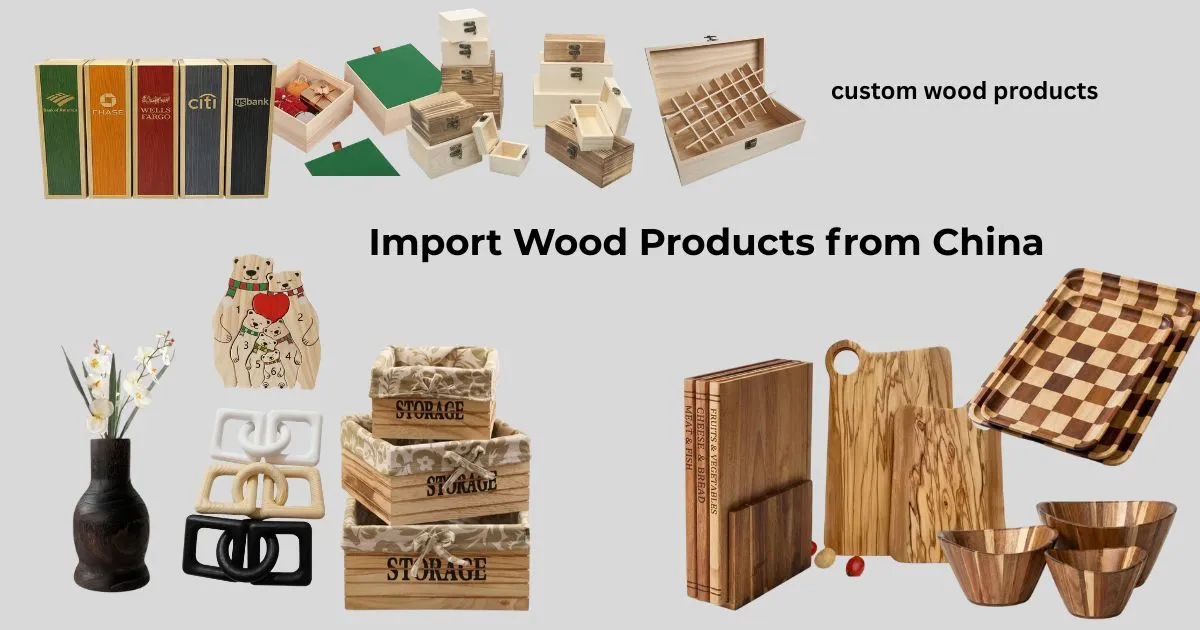
Many businesses around the world import wooden products from China to support their retail, packaging, or promotional product lines. China has developed a mature manufacturing ecosystem for wood products, including packaging boxes, home items, decorative products, and custom wooden components.
For companies looking for reliable suppliers, working with an experienced custom wooden products manufacturer can simplify the sourcing process and improve product consistency.
However, importing wooden product from China involves more than simply placing an order. Buyers typically need to understand the sourcing process, communicate product requirements clearly, confirm samples, and arrange shipping and customs documentation.
This guide explains the practical steps involved when companies import wooden products from China, helping buyers better understand how the process usually works when cooperating with Chinese manufacturers.
Quick Summary: How to Import Wooden Products from China
Businesses that import wooden products from China usually follow a structured sourcing process to ensure product quality, stable supply, and predictable costs. The following simplified steps summarize the typical workflow used by many international buyers.
Typical Process to Import Wooden Products from China
-
Identify a reliable manufacturer
Evaluate suppliers based on production capability, export experience, and communication reliability. -
Share product requirements
Provide detailed specifications such as dimensions, materials, finishing methods, hardware, and packaging preferences. -
Request quotations and compare options
Review supplier quotations while considering price, production capacity, lead time, and export experience. -
Confirm samples before mass production
Sampling allows buyers to verify product structure, finishing quality, and overall appearance. -
Monitor production progress
Manufacturers usually provide production updates to ensure products follow approved specifications. -
Arrange shipping and logistics
Choose suitable transportation methods such as sea freight or air freight depending on shipment size and timeline. -
Complete customs clearance and import procedures
Prepare necessary documents such as commercial invoices, packing lists, and shipping documents.
Following these steps helps businesses manage risks and build stable supply relationships when they import wooden products from China.
Checklist Before You Import Wooden Products from China
Before businesses import wooden products from China, preparing key information in advance can significantly improve communication with manufacturers and reduce potential sourcing risks. A clear checklist helps buyers ensure that important product and logistics details are confirmed before production begins.
The following checklist outlines common information that manufacturers usually request when companies plan to import wooden products from China.
Basic product information
-
Product dimensions and structure
-
Wood material (pine, paulownia, beech, plywood, etc.)
-
Surface finishing requirements (natural, stained, painted, lacquered)
-
Hardware components such as hinges, latches, or handles
Customization requirements
-
Logo method (laser engraving, screen printing, UV printing, foil stamping)
-
Color specifications or Pantone references
-
Retail packaging or custom inserts (foam, EVA, velvet)
Order details
-
Estimated order quantity
-
Target price range or budget expectations
-
Required delivery timeline
Shipping preparation
-
Destination country and port
-
Preferred shipping method (sea freight or air freight)
-
Import documentation requirements
Preparing these details in advance helps manufacturers provide more accurate quotations and improves project efficiency when companies import wooden products from China.
Import Timeline: How Long It Takes to Import Wooden Products from China
The time required to import wooden products from China can vary depending on product complexity, order quantity, and shipping destination. Understanding the typical timeline helps buyers plan inventory and avoid unexpected delays.
For most customized wooden products, the sourcing process usually includes several stages such as quotation, sampling, production, and international shipping. Each stage contributes to the total lead time when businesses import wooden products from China.
Typical timeline
| Stage | Estimated Time |
|---|---|
| Requirement discussion & quotation | 1–3 days |
| Sample production | 7–15 days |
| Sample confirmation | 3–7 days |
| Mass production | 30–45 days |
| Sea shipping | 30–45 days |
| Customs clearance | 2–5 days |
Actual timelines may vary depending on product design complexity and logistics conditions.
Why Businesses Import Wooden Products from China
In the current global economy, China has firmly established itself as one of the most important suppliers of wooden products. From high-end packaging solutions to everyday household items, international brands, distributors, and procurement companies frequently turn to Chinese manufacturers. This preference is not accidental. It is the result of decades of industrial development that has created a manufacturing environment capable of meeting diverse global demands. Whether a business is looking for luxury wooden boxes, promotional displays, or specialized components, sourcing from China offers distinct strategic advantages.
Mature Manufacturing Ecosystem
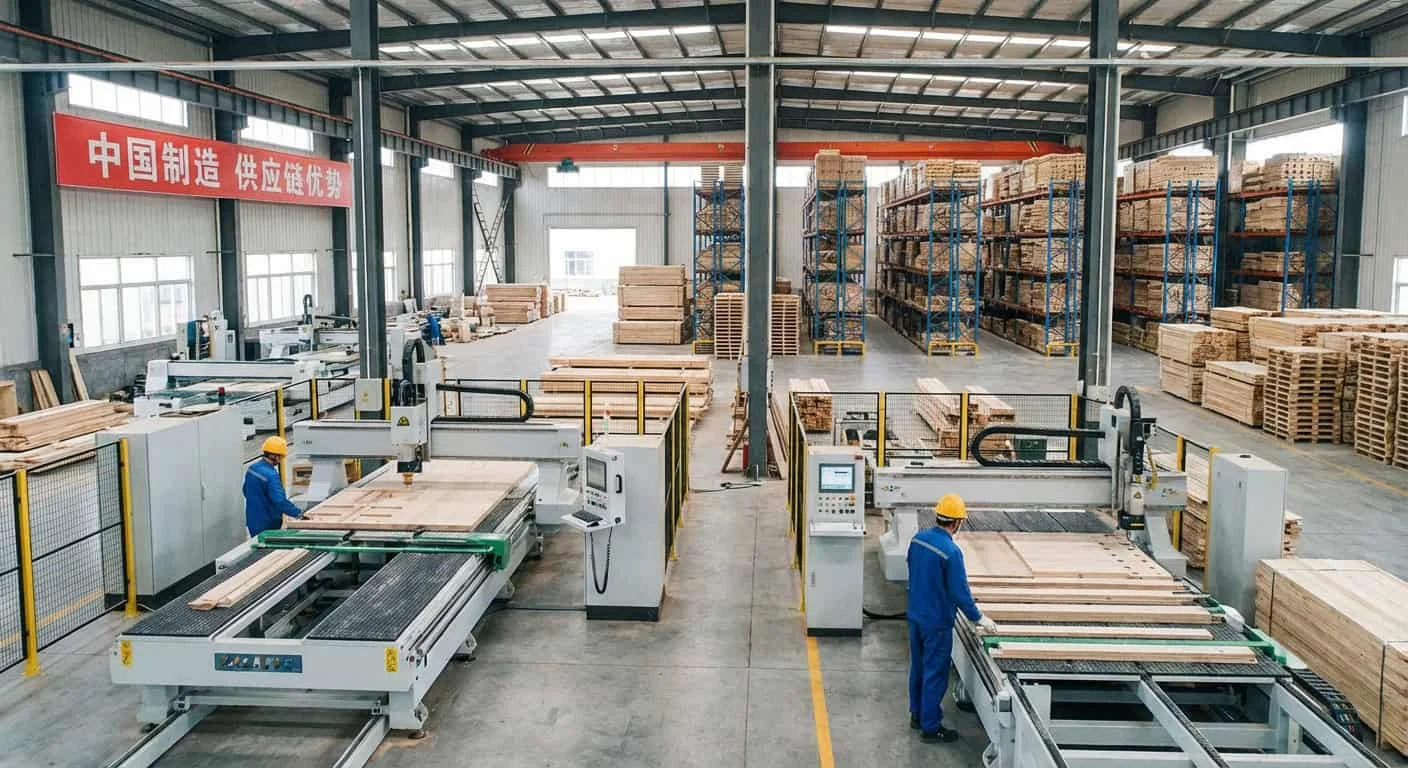
One of the primary reasons businesses choose China is the country’s highly mature manufacturing ecosystem. The wood products industry does not operate in isolation. Instead, it benefits from a comprehensive and well-developed supply chain that is difficult to find elsewhere.
Manufacturers are often located within specialized industrial clusters. In these regions, a woodworking manufacturing is never far from its essential partners. Hardware suppliers who provide hinges and locks, paint and lacquer specialists, and packaging material producers are often just down the street. Logistics providers are also integrated into these zones, ensuring that goods move quickly from the facility floor to the shipping port. This close collaboration allows factories to produce a wide variety of wooden products efficiently. It minimizes downtime caused by missing parts and ensures that production capacity remains stable, even during peak seasons.
Competitive Production Cost
Cost efficiency remains a major driver for international trade, and this is a key area where Chinese manufacturers excel. However, the competitive pricing is not solely due to labor costs. It is the result of large-scale production capabilities and the integrated supply chains mentioned earlier.
Chinese manufacturers are often equipped with advanced machinery and staffed by experienced labor forces that understand the nuances of working with wood. This experience reduces material waste and improves speed. Because the entire supply chain is local, overhead costs for transportation and raw materials are kept in check. Consequently, manufacturers can offer very attractive prices for both standard catalog items and complex custom projects. For international buyers, this cost advantage allows for better profit margins or the ability to price their products more competitively in their home markets.
Flexible Customization Capability
While cost and speed are important, the ability to customize products is crucial for modern brands. Many wooden product manufacturers in China have shifted their focus from simple mass production to specialized, customized manufacturing. They understand that international clients often require products that reflect a unique brand identity rather than generic items.
Factories are highly flexible and frequently produce items strictly according to client specifications. This customization covers every aspect of the product. Buyers can dictate custom product dimensions to fit specific items, such as wine bottles or jewelry. They can choose from a vast array of specific wood materials, including pine, oak, walnut, or plywood.
Furthermore, the customization extends to the visual appearance. Clients can select specific surface finishings, such as matte, glossy, or natural oils. Branding is also seamless, with factories offering logo printing, laser engraving, or hot stamping services. Finally, manufacturers can provide customized packaging, ensuring the product is retail-ready the moment it arrives.
If you are looking for a reliable partner to bring your designs to life, you can view Hilon.
Step-by-Step Process to Import Wooden Products from China
Importing wooden products involves several practical steps, from selecting a manufacturer to completing customs clearance. Businesses that import wood products from China usually follow a structured sourcing process to reduce risks and maintain product consistency.
The following steps outline a typical workflow used by many international buyers when sourcing wooden products from Chinese manufacturers.
Identify a Reliable Manufacturer
When businesses plan to import wood products from China, selecting a reliable manufacturer is a critical step in the sourcing process. The supplier’s reliability directly affects product consistency, communication efficiency, and the stability of long-term cooperation. Manufacturers with export experience usually understand international shipping requirements, packaging standards, and the expectations of overseas buyers. They are also more capable of handling customized specifications and maintaining stable production quality.
Transparent communication and clear production processes are also important indicators. Reliable factories can discuss materials, construction details, finishes, and packaging solutions in a practical way before production begins. During manufacturing, many experienced suppliers provide updates or photos to show production progress. For companies that regularly import wood products from China, building a stable relationship with a dependable manufacturer is often more valuable than choosing a supplier based only on price.
Share Your Requirements
Clear product specifications help manufacturers understand exactly what buyers need when they plan to import wood products from China. Important details usually include product dimensions, wood species, finishing methods, hardware components, logo requirements, and packaging preferences. Providing drawings, reference images, or existing samples greatly improves communication accuracy.
In many cases, buyers may only have a product idea rather than complete technical drawings. Experienced manufacturers can help refine these requirements by suggesting suitable materials, structural solutions, or finishing methods. At Hilon, buyers can submit product requirements through the customization page: wood products customizaiton. Early discussions help confirm feasibility and ensure both parties share the same understanding before quotations or sampling begin.
Request Quotation and Compare Options
Once product requirements are clear, manufacturers can prepare quotations based on the specifications. Pricing for projects that import wood products from China is influenced by several factors, including wood material, product size, finishing methods, hardware components, order quantity, and packaging solutions. Providing accurate information allows suppliers to calculate costs more precisely.
Comparing quotations should involve more than simply choosing the lowest price. Buyers who regularly import wood products from China often evaluate suppliers based on communication efficiency, production capability, estimated lead times, and export experience. Some manufacturers may recommend alternative materials or production methods that improve durability or reduce costs while maintaining product quality.
Sampling Before Mass Production
Sampling allows buyers to verify product quality before starting large production orders. For companies that import wood products from China, samples provide an opportunity to evaluate dimensions, finishing quality, structural details, and overall appearance. This step helps confirm that the manufacturer understands the product requirements correctly.
During sample evaluation, buyers may check surface finish, logo placement, hardware installation, and packaging methods. If adjustments are needed, manufacturers can revise the design before mass production begins. Approving a sample ensures both parties agree on the final product specifications before moving forward with full production.
Production Updates During Manufacturing
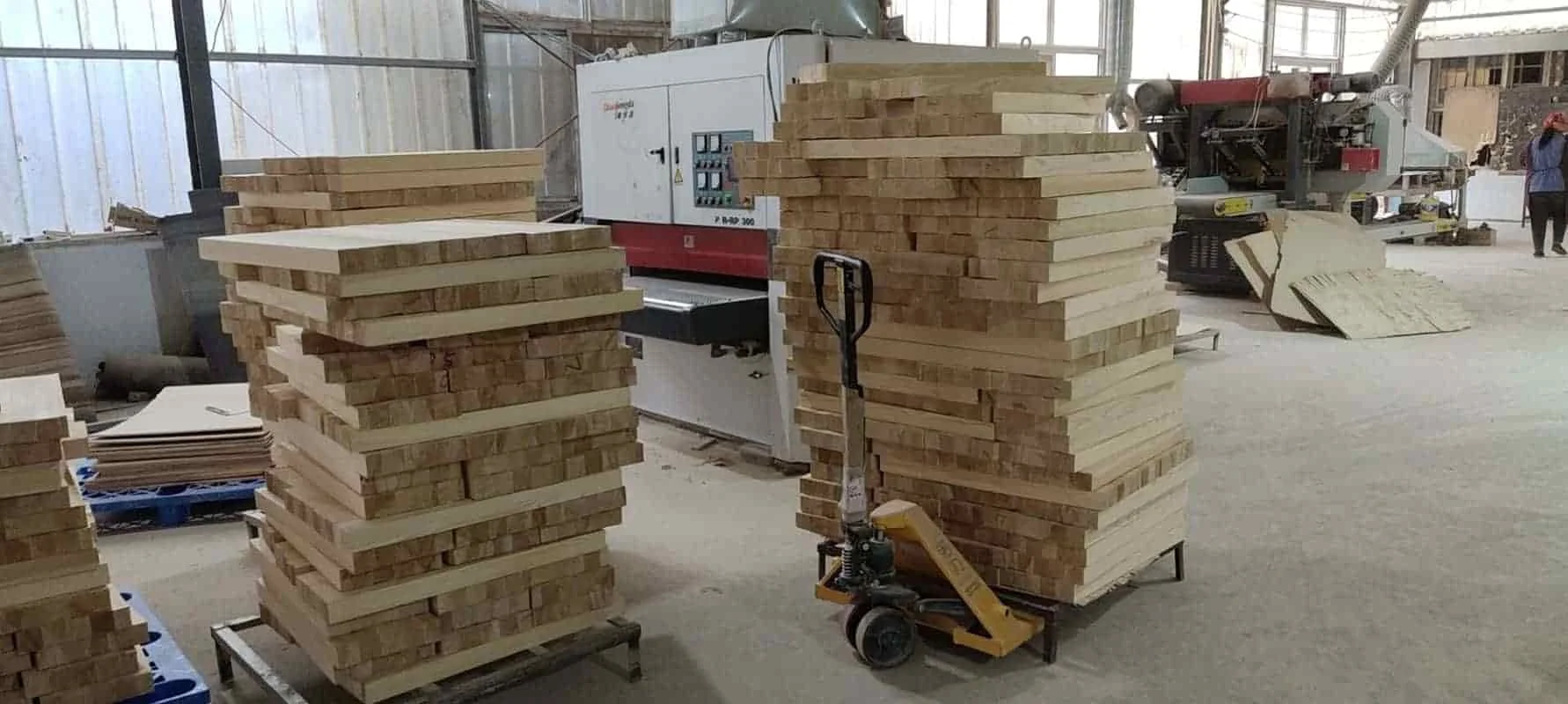
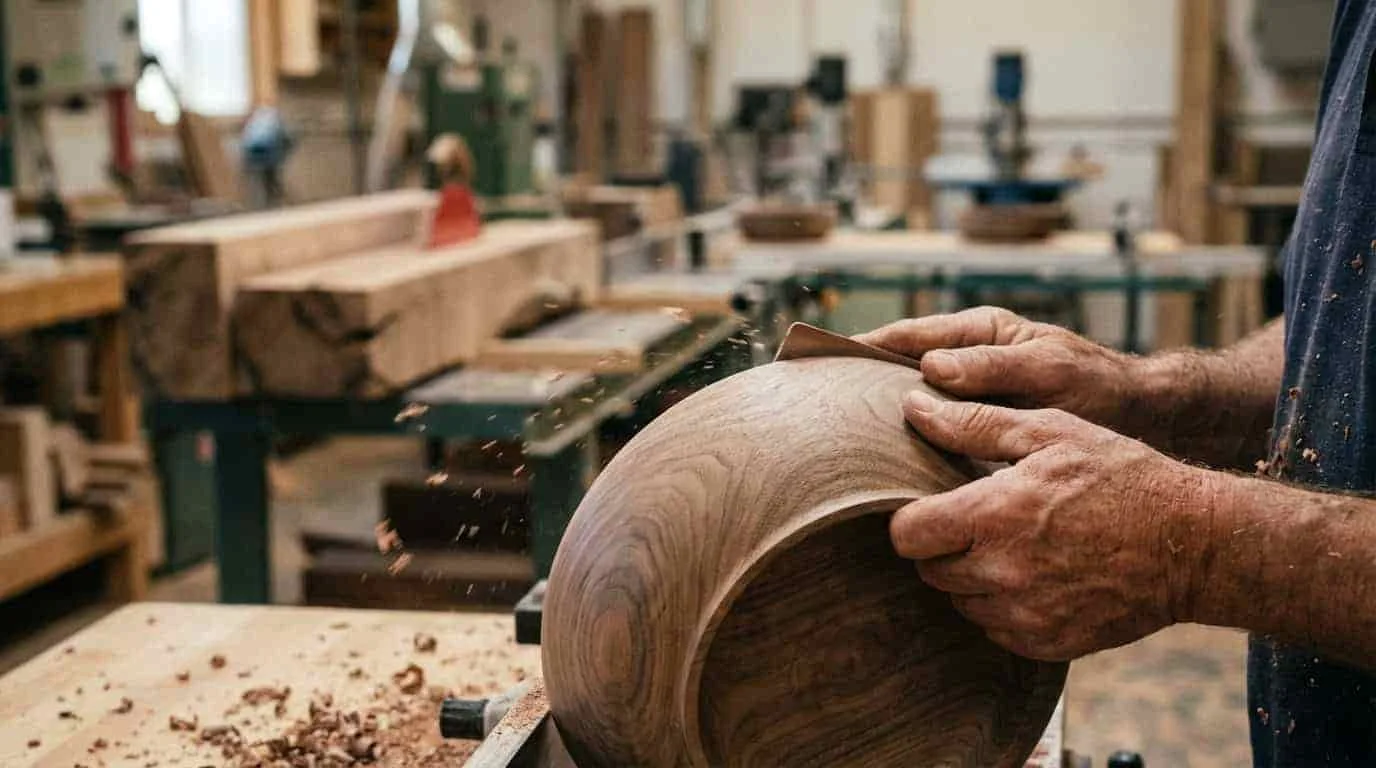
Once production begins, maintaining communication helps ensure the products remain consistent with the approved sample. Buyers who import wood products from China often receive production updates showing key manufacturing stages such as cutting, sanding, assembly, and finishing.
These updates usually include photos or short reports confirming progress. Monitoring production allows buyers to identify potential issues early and confirm that materials, finishes, and structural details match the approved specifications. Transparent communication during production helps maintain trust between buyers and manufacturers.
Shipping and Logistics
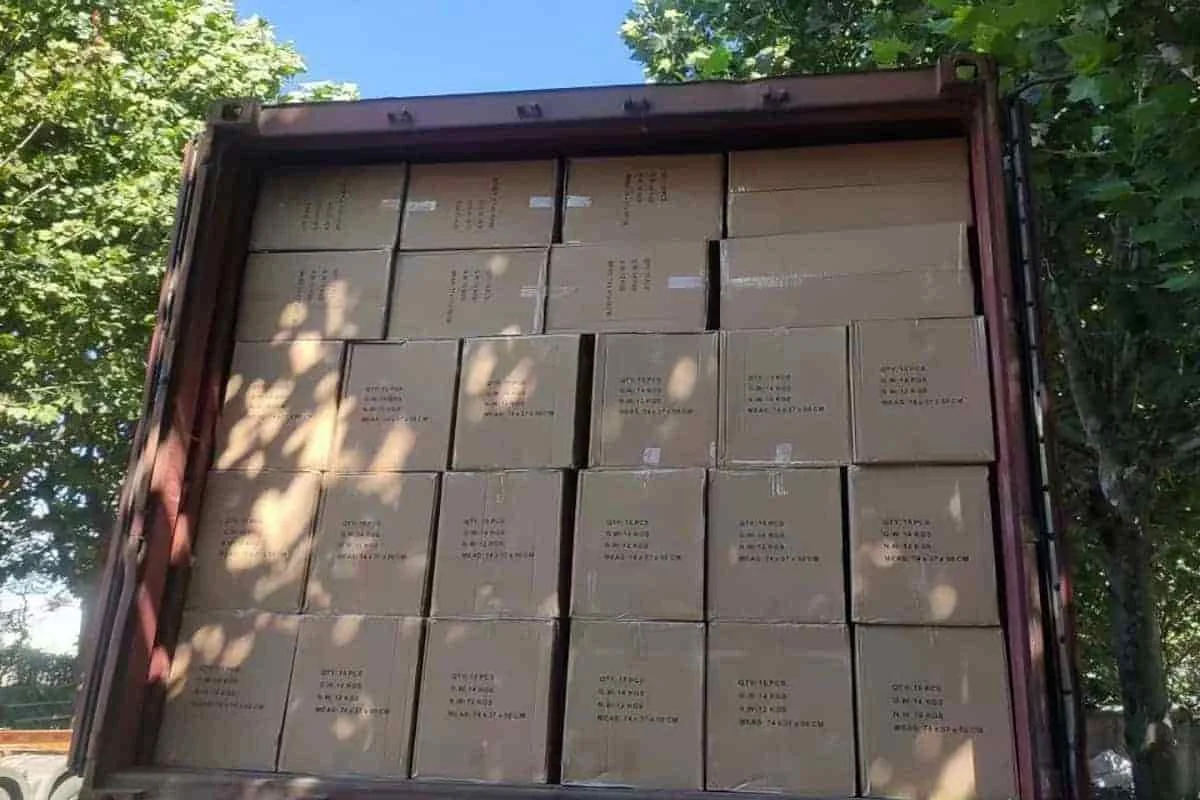
Shipping arrangements play a significant role when companies import wood products from China. Most wooden products are transported by sea freight because it offers lower costs for large shipments. For smaller or urgent orders, air freight may be used.
Manufacturers or freight forwarders typically assist with packaging preparation, container loading, and shipping coordination. Proper packaging helps protect wooden products during international transport. Many buyers also work with logistics partners to manage transportation schedules and ensure timely delivery.
For general guidelines on international shipping terms, you can refer to the ICC Incoterms rules.
Customs Clearance and Documentation
Importing wooden products usually requires several basic documents to clear customs in the destination country. Common documents include the commercial invoice, packing list, and bill of lading.
because the material is wood, many countries require a Fumigation Certificate to ensure the timber is free from pests. Buyers typically work with their freight forwarder or customs broker to ensure all these documents are prepared correctly before the vessel arrives.
Understanding the Cost When You Import Wooden Products from China
Calculating the total budget to import wooden products from China requires analyzing several distinct expense categories beyond the initial manufacturer quote. For professional buyers, the unit price provided by the manufacturer is only the starting point. A clear understanding of the total landed cost ensures that the final procurement plan remains within budget and profitable.
Product Manufacturing Cost
Product manufacturing cost is usually the largest component when companies import wooden products from China. This cost typically includes raw materials, labor, machine processing, finishing treatments, hardware components, and manufacturing overhead. The type of wood used—such as pine, paulownia, beech, or plywood—can significantly influence the overall price.
Manufacturing cost may also vary depending on product complexity, order quantity, and customization requirements. Products that require special finishes, engraving, printing, or additional assembly work generally involve higher production costs.
Understanding these production factors helps buyers estimate manufacturing costs more realistically when they import wooden products from China.
Packaging Cost
Packaging is an important cost factor when businesses import wooden products from China, as it ensures that products remain protected during international transportation. In most cases, manufacturers provide standard export packaging using general corrugated cartons. This type of packaging is commonly used for bulk shipments and is designed to provide basic protection during handling, container loading, and sea transportation.
However, additional packaging costs may apply when buyers request special packaging solutions. When companies import wooden products from China, customized packaging such as individual product boxes, foam inserts, EVA protection, printed cartons, or retail-ready packaging may require extra materials and labor. These requirements often increase packaging costs compared with standard export cartons. Therefore, discussing packaging specifications in advance helps ensure accurate quotations and prevents unexpected costs during the production process.
International Shipping Cost
Transportation is a major component of the total expense when businesses import wooden products from China. Shipping costs vary depending on shipment volume, transportation method, destination country, and global freight market conditions. Sea freight is typically the most economical option for large shipments, while air freight may be used for smaller or urgent orders.
Shipping costs may also include container loading, port handling fees, documentation charges, and inland transportation. Many buyers work with freight forwarders to manage these arrangements and obtain accurate freight quotations. Information about global shipping procedures and trade logistics can be found through resources such as the International Chamber of Shipping.
Understanding these logistics costs helps buyers estimate transportation expenses more accurately when they import wooden products from China.
Import Duties and Taxes
Import duties and taxes are another key factor affecting total cost when companies import wooden products from China. Each country has its own tariff rates based on product classification codes, often referred to as HS codes. Wooden products such as boxes, trays, or decorative items may fall under different tariff categories depending on their intended use and construction.
Buyers can check import duty rates and customs requirements through official government resources. For example, the U.S. Customs and Border Protection website provides detailed information about import procedures and tariff classifications: https://www.cbp.gov/.
Understanding applicable duties and taxes allows buyers to calculate the expected import cost in advance and ensure compliance with local import regulations when they import wooden products from China.
Estimating Total Landed Cost
The total landed cost represents the complete expense involved when businesses import wooden products from China. This cost usually includes product manufacturing price, packaging expenses, international freight, insurance, import duties, and customs clearance fees. Calculating the total landed cost helps buyers understand the true cost of the product after it arrives in the destination country.
Companies that regularly import wooden products from China often prepare cost estimates before placing orders. This allows them to evaluate supplier quotations more accurately and determine whether the project remains profitable after shipping and import costs are included. Information about global trade procedures and cost structures can also be referenced through international trade resources such as the World Trade Organization: https://www.wto.org/
A clear understanding of landed cost helps businesses make more informed sourcing decisions and maintain stable long-term supply chains.
Import Regulations for Wooden Products by Country
Import regulations may vary depending on the destination country when businesses import wooden products from China. Because wooden materials can carry pests or plant diseases, many countries implement plant quarantine rules and require specific treatment documentation for wooden products or wood packaging materials.
For example, the United States requires wood packaging materials to comply with the international standard, which typically involves heat treatment or fumigation. Importers may also need standard customs documents such as a commercial invoice, packing list, and bill of lading. More information about U.S. import regulations can be found on the official website of the U.S. Customs and Border Protection: https://www.cbp.gov/trade
In the European Union, wooden products and wood packaging materials must also meet requirements. Countries such as Germany, France, Italy, and Spain follow the same plant health regulations across the EU. Similarly, Australia and New Zealand maintain very strict biosecurity controls. Importers can refer to the official guidance provided by the Australian Department of Agriculture at https://www.agriculture.gov.au/ for detailed quarantine and biosecurity requirements.
Because regulations can change, companies that import wooden products from China usually confirm the latest requirements with customs brokers or local authorities before arranging shipment.
Common Challenges When You Import Wooden Products from China
Although many companies successfully import wooden products from China, the process may involve certain challenges if planning and communication are not handled carefully. Understanding these potential issues helps buyers prepare better and maintain smoother cooperation with suppliers.
Most challenges occur during specification communication, production alignment, or logistics coordination. By maintaining clear documentation and regular communication with manufacturers, buyers can significantly reduce risks and ensure a more stable sourcing process.
Communication and Specification Clarity
One of the most common challenges when businesses import wooden products from China is ensuring that product specifications are clearly understood by both parties. Wooden products often involve many details such as material type, finishing methods, hardware installation, and packaging requirements. If these specifications are not clearly defined, misunderstandings may occur during production.
Providing drawings, reference photos, or physical samples can significantly improve communication accuracy. Early discussions with manufacturers help confirm technical details and ensure that both sides share the same expectations before production begins.
Production Lead Time and Scheduling
Production lead time is another factor that buyers should consider when they import wooden products from China. Manufacturing timelines can vary depending on product complexity, order quantity, and production workload. Customized wooden products often require additional time for sampling and production preparation.
Maintaining realistic timelines and confirming production schedules in advance helps ensure smoother project planning. Regular production updates from manufacturers also allow buyers to monitor progress and anticipate potential delays.
Logistics Coordination and Delivery Planning
Logistics coordination can also present challenges when companies import wooden products from China, particularly for first-time importers. Shipping schedules, container availability, and international freight rates may fluctuate depending on global trade conditions.
Working with experienced freight forwarders or logistics partners helps buyers manage transportation arrangements more efficiently. Clear communication between the manufacturer, freight forwarder, and buyer helps ensure that shipments move smoothly from manufacturing facility to destination.
Conclusion: Import Wooden Products from China with Confidence
Importing wooden products from overseas can be a practical sourcing strategy for many businesses. Companies that import wooden products from China often benefit from the country’s well-established manufacturing ecosystem, flexible customization capabilities, and competitive production costs.
A structured sourcing process—starting from selecting a reliable manufacturer and defining product requirements to managing production, shipping, and customs clearance—helps ensure successful projects. By understanding the key steps and cost factors involved, buyers can make informed decisions and build stable long-term supply relationships when they import wooden products from China.
Need Help Importing Wooden Products from China?
If you are planning to import wooden products from China and need a reliable manufacturer, our team at Hilon can assist with product development, customization, and international shipping coordination.
You can share your product ideas, drawings, or specifications, and our team will help evaluate the design, materials, and manufacturing feasibility.
Explore customization options here:
/custom-wood-products-manufacturing/
Or contact us directly to discuss your project:
/contact-us/
We will respond as soon as possible to help you move forward with your sourcing plan.
FAQ: Import Wooden Products from China
1. What documents are required to import wooden products from China?
When businesses import wooden products from China, several standard documents are usually required for customs clearance. These typically include a commercial invoice, packing list, and bill of lading issued by the shipping carrier. The commercial invoice shows the product value and transaction details, while the packing list provides information about the quantity, packaging, and weight of the shipment.
Because the products are made of wood, shipments often require a fumigation certificate or other treatment documentation to confirm that the wood materials meet international quarantine standards. In some cases, a certificate of origin may also be required to verify the country where the goods were manufactured, particularly when requested by customs authorities or importers. Since import requirements vary by country, many companies work with customs brokers or logistics providers to ensure that all necessary documentation is prepared when they import wooden products from China.
2. Do wooden products require fumigation or phytosanitary inspection?
Requirements for fumigation or phytosanitary inspection depend on the type of wooden product and the regulations of the importing country.
Finished wooden products that have been processed or coated may not always require special treatment. However, some countries may request documentation confirming compliance with plant health regulations.
Importers usually confirm these requirements with their customs broker or logistics provider before shipment.
3. What affects lead time when importing wooden products?
Several factors can influence lead time when importing wooden products from China.
These may include:
- product complexity
- sample confirmation
- production quantity
- shipping method
Discussing the production schedule with the manufacturer at the beginning of the project can help buyers plan their purchasing timeline more effectively.
4. Is DDP shipping suitable for first-time buyers?
DDP (Delivered Duty Paid) shipping can be a convenient option for buyers who are importing products for the first time.
Under DDP terms, the seller typically arranges international shipping and handles many logistics steps required to deliver the goods to the destination country. This can simplify the process for buyers who are not familiar with international freight procedures.
However, the most suitable shipping term may depend on the buyer’s logistics experience and local regulations.
5. How do I prepare specs for custom wooden products?
Providing clear product information helps manufacturers understand the project more accurately.
Useful information may include:
- product dimensions
- wood material preferences
- structure or assembly requirements
- surface finishing
- logo requirements
- packaging expectations
If detailed specifications are not available, buyers can also provide photos, sketches, or sample products. Experienced manufacturers often help clarify specifications before production begins. From retail packaging to home decor and kitchenware — see the full range of industries we supply.