Getting Started
Choosing the right packaging is a critical decision for any brand or individual looking to make a lasting impression. In the world of presentation, the debate of wooden gift boxes vs cardboard is one that frequently arises. Packaging is no longer just a protective shell; it is an extension of the product itself, a silent ambassador of your brand’s values, and the very first physical touchpoint a recipient experiences. When evaluating wooden gift boxes vs cardboard, you must consider a multitude of factors ranging from aesthetic appeal and structural durability to environmental sustainability and long-term cost-effectiveness. The choice you make will directly influence how your product is perceived, the level of protection it receives during transit, and the ultimate unboxing experience. In this comprehensive guide, we will delve deep into the nuances of wooden gift boxes vs cardboard, exploring the core differences, functional benefits, and key scenarios where each material shines. Whether you are a luxury brand seeking high-end product packaging, a corporation looking for memorable corporate wooden gifts, or an individual wanting to create a lasting keepsake, understanding the dynamics of wooden gift boxes vs cardboard is essential. By the end of this article, you will have a clear, authoritative perspective on which material aligns best with your specific needs, budget, and sustainability goals. Here's a breakdown of the fascinating world of premium wooden packaging and see how it stacks up against traditional cardboard solutions.
Understanding the Core Differences: Wooden Gift Boxes vs. Cardboard Packaging
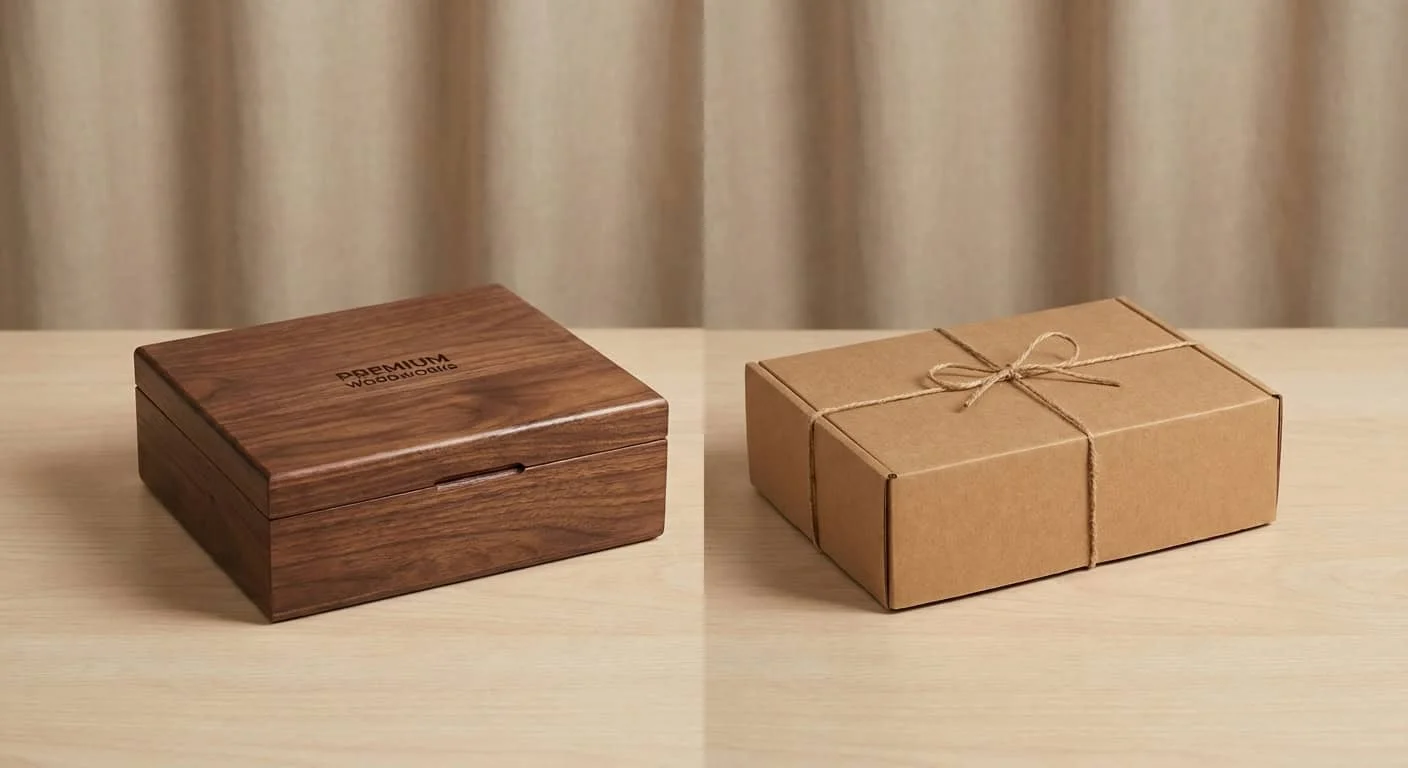
To make an informed decision, it is crucial to break down the fundamental characteristics of both materials. The comparison of wooden gift boxes vs cardboard reveals stark contrasts in how these materials are manufactured, how they perform under stress, and how they are perceived by the end consumer. We are essentially comparing a rigid, natural, and long-lasting material with a flexible, manufactured, and temporary one. Both have their rightful place in the packaging industry, but their applications are vastly different.
Comparing Durability and Protection for Your Valuables
In the context of wooden gift boxes vs cardboard, durability is often the most immediate and noticeable difference. Wood is inherently strong, rigid, and capable of withstanding significant external pressure without compromising its structural integrity. This makes durable gift packaging made of wood ideal for protecting fragile, heavy, or highly valuable items. Cardboard, on the other hand, is susceptible to crushing, tearing, and moisture damage. While corrugated cardboard offers some level of shock absorption, it cannot compete with the solid defense provided by wood. When analyzing wooden gift boxes vs cardboard for shipping delicate items, wood ensures that the contents remain pristine, regardless of rough handling during transit. The structural resilience clearly favors wood when maximum protection is the primary goal.
Examining Aesthetic Appeal and Perceived Value
The aesthetic gap in wooden gift boxes vs cardboard is immense. Wood exudes a natural warmth, elegance, and sophistication that cardboard simply cannot replicate. Luxury wooden boxes instantly elevate the perceived value of the product inside. The unique grain patterns, the smooth finish, and the substantial weight of wood communicate quality and exclusivity. Conversely, cardboard is universally recognized as a disposable, utilitarian material. Even with high-quality printing and finishes, cardboard struggles to achieve the same level of prestige as premium wooden packaging. When brands weigh wooden gift boxes vs cardboard for high-end product packaging, wood is consistently chosen to create a premium brand image. The visual and tactile experience in the wood and cardboard comparison plays a massive role in consumer psychology.
Cost Considerations: Initial Investment vs. Long-Term Benefits
The cost dynamics of wooden gift boxes vs cardboard show a clear divergence between short-term savings and long-term value. Cardboard is undeniably cheaper to produce and purchase in bulk, making it the go-to choice for low-cost, high-volume products. However, when evaluating wooden gift boxes and cardboard gift boxes, one must look beyond the initial price tag. Custom wooden gift boxes are an investment. They add tangible value to the product, allowing brands to command higher retail prices. Furthermore, the reusability of wood means the packaging continues to promote the brand long after the initial purchase. In the long-term financial analysis, the return on investment for wood can be significantly higher due to increased customer loyalty and brand prestige.
Environmental Impact: Sustainability of Wood vs. Cardboard
The environmental impact of wooden gift boxes and cardboard is a complex topic that surprises many. While cardboard is widely recycled, the process is energy-intensive and relies heavily on chemicals and water. According to a 2024 Life Cycle Assessment (LCA) conducted by researchers at the Universitat Politècnica de València, wooden packaging was found to outperform corrugated cardboard in several key sustainability metrics. The study revealed that wood has a significantly lower environmental impact in terms of greenhouse gas emissions, ecotoxicity, and water footprint. When comparing wooden gift boxes and cardboard gift packaging, wood sourced from responsibly managed forests—such as those certified by the Forest Stewardship Council (FSC)—acts as a carbon sink. Eco-friendly wooden boxes represent a sustainable gift packaging solution that aligns with the principles of a circular bio-economy. Therefore, in the sustainability debate of wooden gift boxes and cardboard gift boxes, wood offers profound ecological benefits.
Gift Box Material Comparison
To further clarify the wooden gift boxes vs cardboard discussion, the following table provides a direct comparison across essential packaging metrics.
| Feature | Wooden Gift Boxes | Cardboard Packaging |
|---|---|---|
| Durability | Extremely high; crush-resistant and sturdy | Low to moderate; susceptible to crushing and tearing |
| Aesthetic Appeal | Premium, luxurious, natural warmth | Utilitarian, common, disposable feel |
| Initial Cost | Higher initial investment | Very low initial cost |
| Environmental Impact | Lower greenhouse gas emissions, carbon sink | High energy and chemical use in recycling |
| Reusability | High; often kept as keepsake boxes | Low; usually discarded or recycled immediately |
Key Scenarios for Choosing Premium Wooden Gift Boxes
Understanding when to choose wooden gift boxes and cardboard gift boxes is vital for maximizing your packaging strategy. While cardboard has its place, there are specific scenarios where wood is not just an option, but a necessity. The decision between wood and cardboard often hinges on the target audience, the occasion, and the nature of the product itself.
For High-End and Luxury Product Presentation
For luxury items, the choice of wooden gift boxes vs cardboard is straightforward. High-end products such as fine jewelry, premium spirits, artisanal chocolates, and luxury cosmetics require packaging that reflects their quality. Luxury wooden boxes provide the necessary gravitas. When a consumer purchases a premium item, they expect the packaging to be equally impressive. In the wooden gift boxes vs cardboard comparison for luxury goods, cardboard simply falls short of delivering the required prestige. Wood packaging solutions elevate the entire product offering, justifying premium price points and satisfying discerning customers.
Creating Memorable Unboxing Experiences for Special Occasions
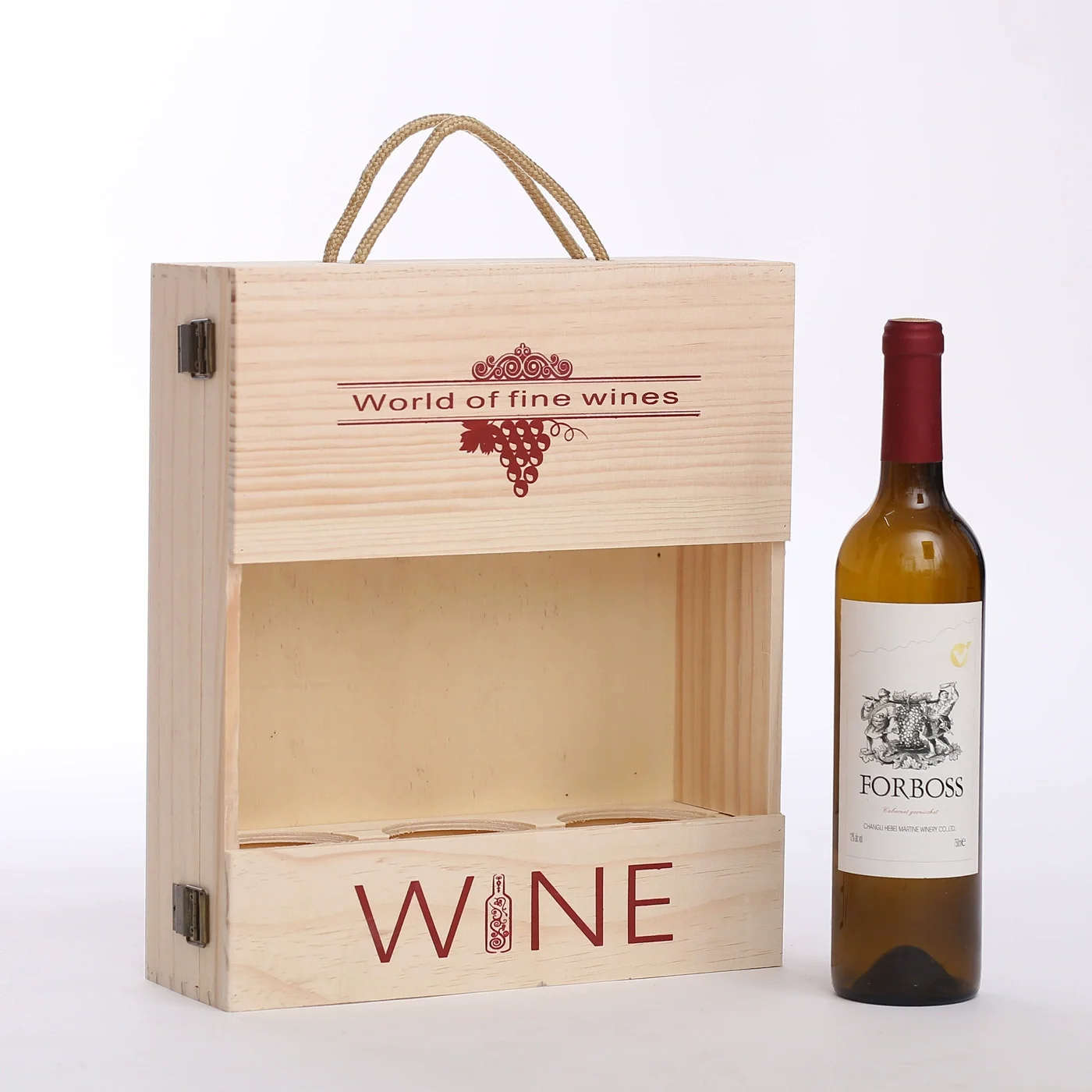
The unboxing experience of wooden gift boxes and cardboard gift boxes is vastly different. Opening a beautifully crafted wooden box is a tactile and auditory experience—the smooth feel of the wood, the solid sound of the lid opening, the scent of natural timber. This creates an enhanced unboxing experience that cardboard cannot match. For special occasions like weddings, anniversaries, or milestone birthdays, the packaging becomes part of the gift. When considering wooden and cardboard packaging for these events, wood transforms a simple present into a cherished memory. For instance, if you are exploring options similar to the comparison between wooden wine packaging and cardboard, you will find that wood consistently delivers a more profound emotional impact.
Enhancing Corporate Gifting and Brand Impression
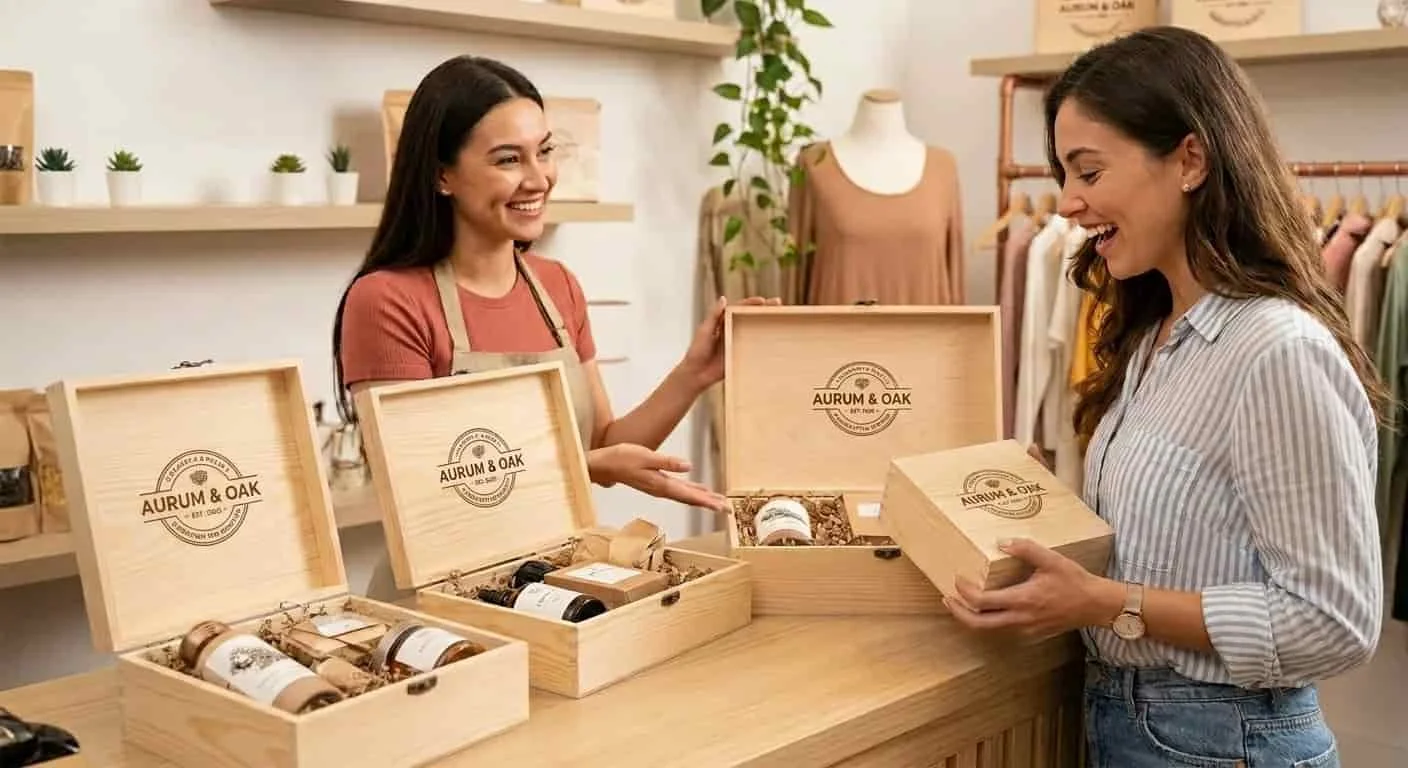
Corporate gifting highlights the contrast in wooden gift boxes and cardboard gift boxes perfectly. When a company sends a gift to a valued client, partner, or employee, the packaging represents the company’s brand and appreciation. Corporate wooden gifts convey respect, stability, and high value. A flimsy cardboard box, regardless of the contents, can send a message of cheapness or lack of effort. In the corporate arena, the wooden boxes and cardboard boxes debate is easily settled: wood builds stronger business relationships and leaves a lasting, positive brand impression. 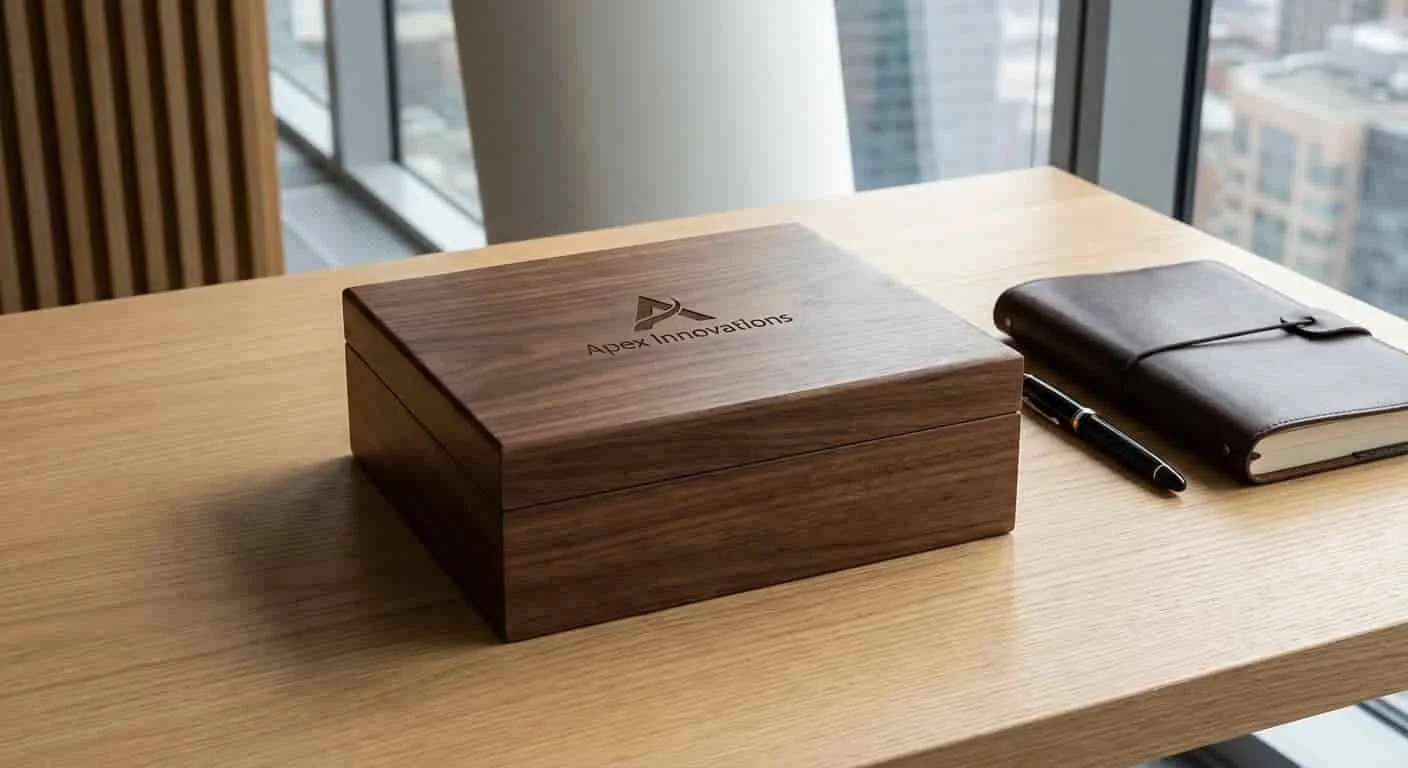
When Seeking Long-Lasting and Reusable Packaging Solutions
Reusability is a major differentiator in wooden boxes and cardboard boxes. Reusable gift boxes made of wood are rarely thrown away. They are repurposed as storage containers, jewelry boxes, or decorative items. This means your brand’s packaging remains in the consumer’s home for years, providing continuous brand exposure. When evaluating wood and cardboard for longevity, cardboard is almost always discarded after a single use. Choosing wood is a commitment to providing long-lasting value to the consumer, far beyond the initial unboxing.
Beyond Aesthetics: Functional Benefits of Custom Wooden Packaging
While the visual appeal is undeniable, the functional benefits in the wooden gift boxes and cardboard gift boxes comparison are equally compelling. Wood is a highly versatile material that can be engineered to meet precise specifications, offering solutions that cardboard simply cannot accommodate. 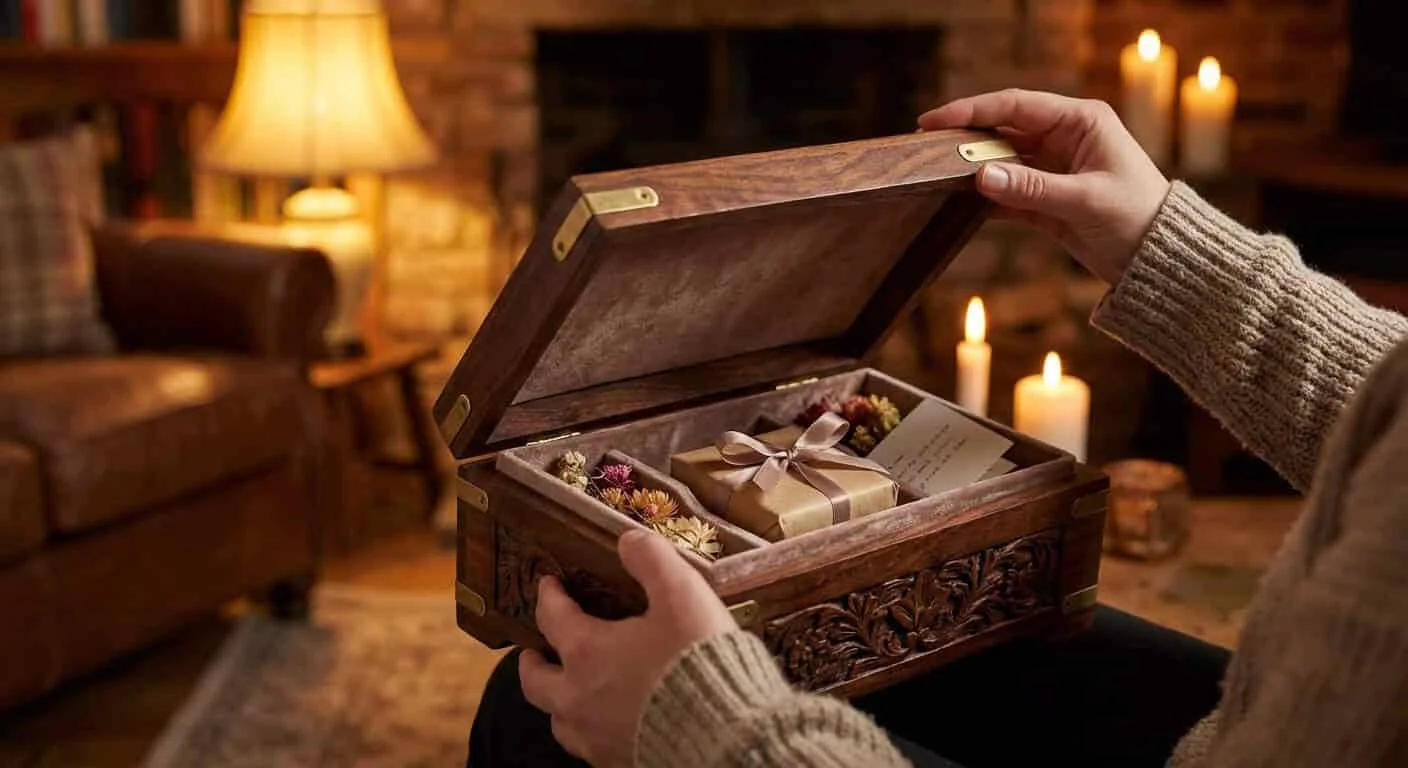 Here's a breakdown of the functional superiority of wood in the wooden gift boxes and cardboard gift boxes debate.
Superior Protection for Fragile or Delicate Items
Protection levels in wooden gift boxes vs cardboard heavily favor wood. For items like glass bottles, delicate ceramics, or sensitive electronics, wood provides a rigid barrier against impact. Custom wooden gift boxes can be fitted with precise foam inserts, velvet linings, or wooden dividers to hold items securely in place. While cardboard can be fitted with inserts, the outer shell remains vulnerable to crushing. When the safety of the product is paramount, the wooden gift boxes vs cardboard decision must prioritize the structural integrity of wood. 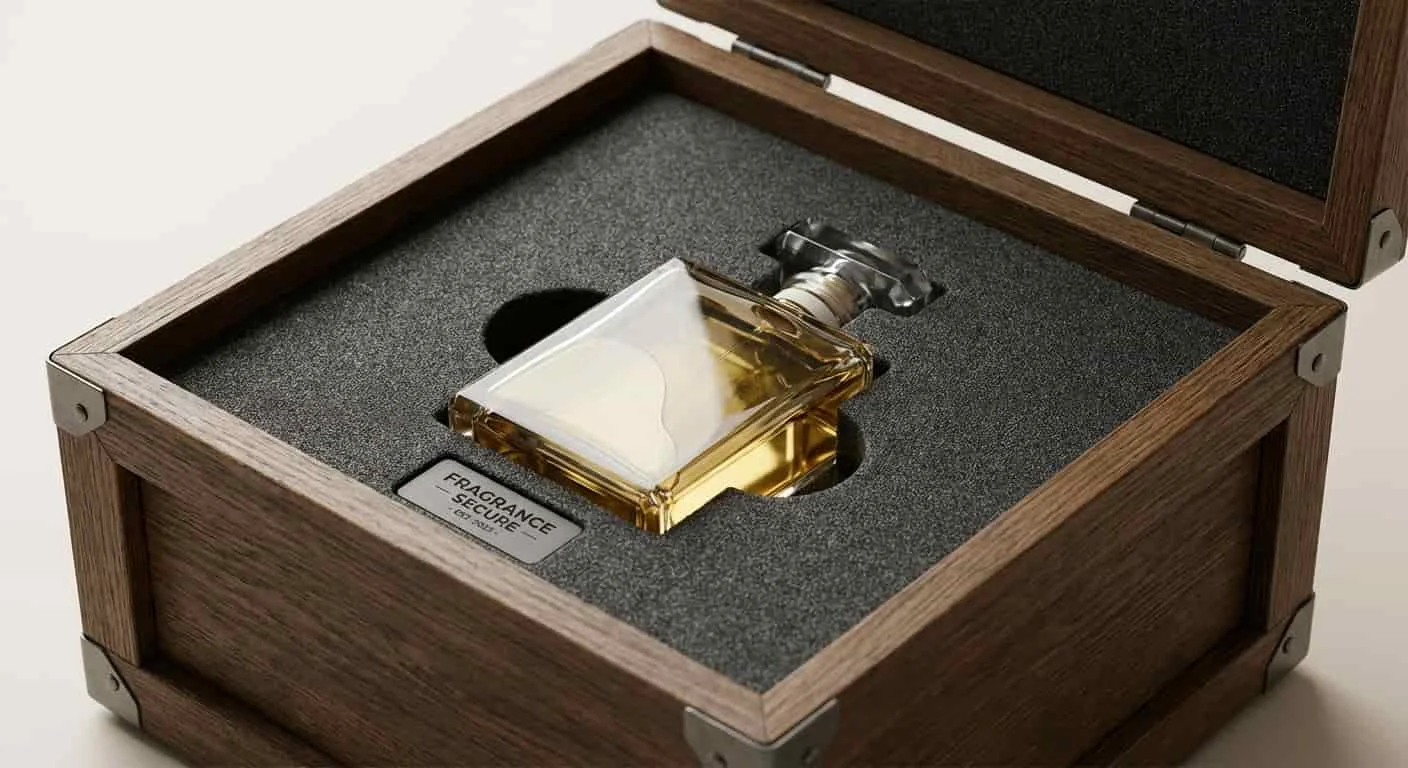
Adding a Touch of Elegance and Sophistication
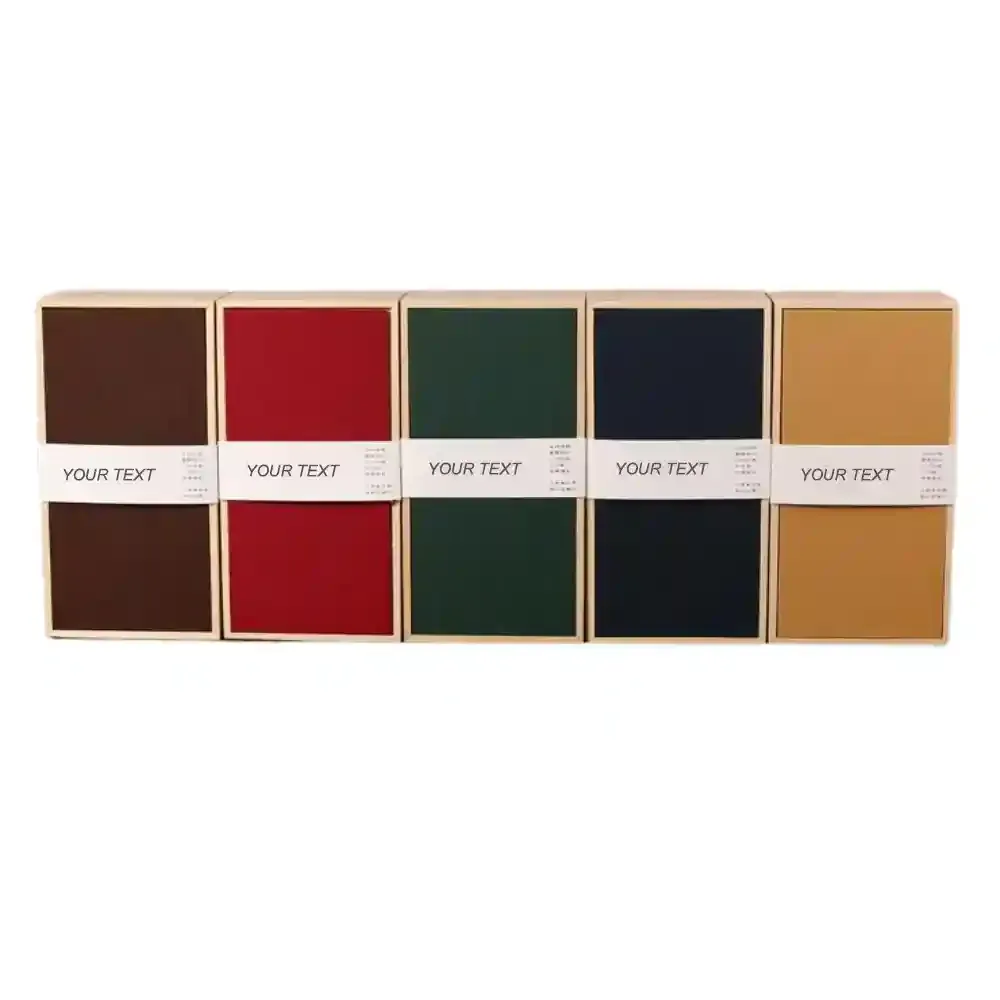
Elegance in wooden gift boxes vs cardboard is not just about looks; it is about the physical presence of the packaging. Wood has a substantial weight and a solid feel that communicates quality. This tactile sophistication is a functional benefit because it directly influences consumer perception and satisfaction. Many brands opt for custom wooden gift boxes with paper-covered lids to combine the structural integrity of wood with the vibrant printing capabilities of paper, achieving a perfect balance of elegance and modern branding. In the wooden gift boxes vs cardboard comparison, wood provides a foundational elegance that enhances any product.
Customization Options: Engraving, Finishes, and Unique Designs
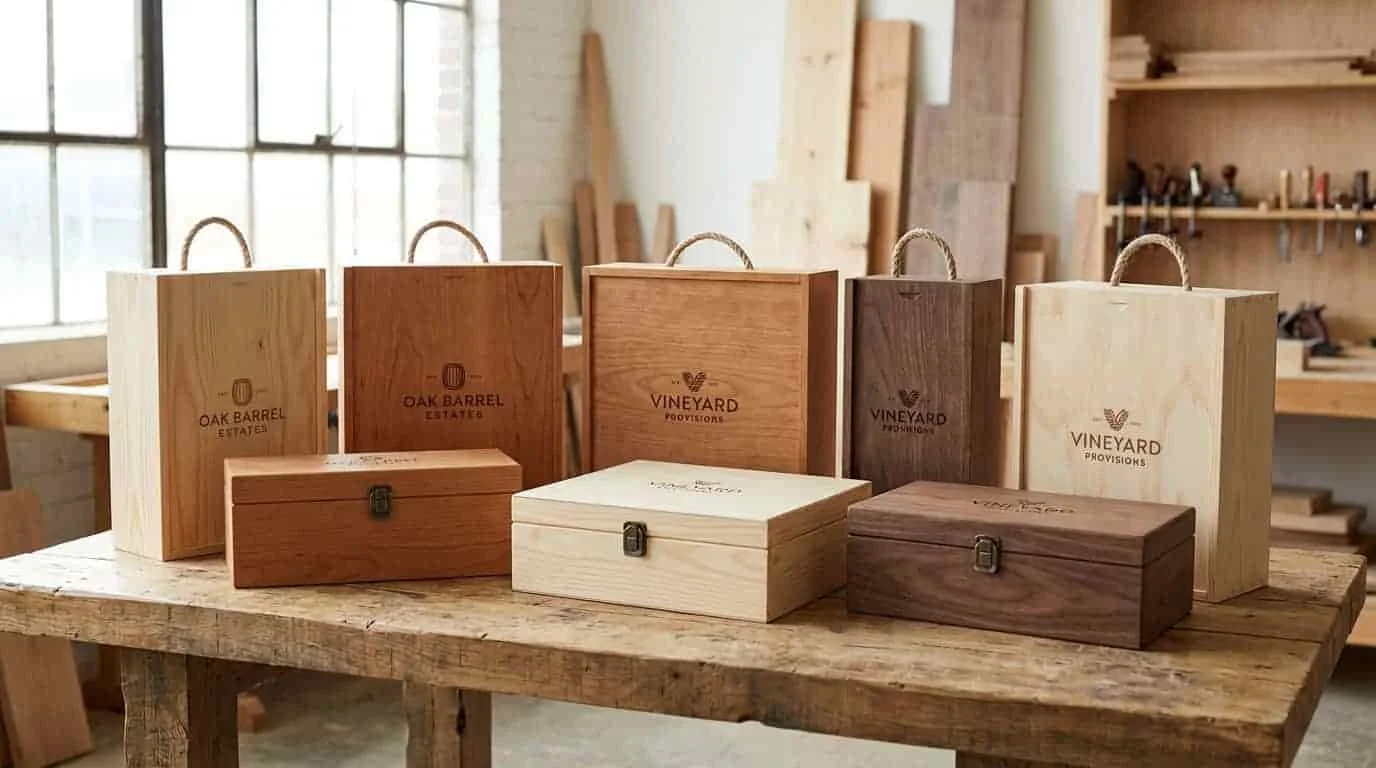
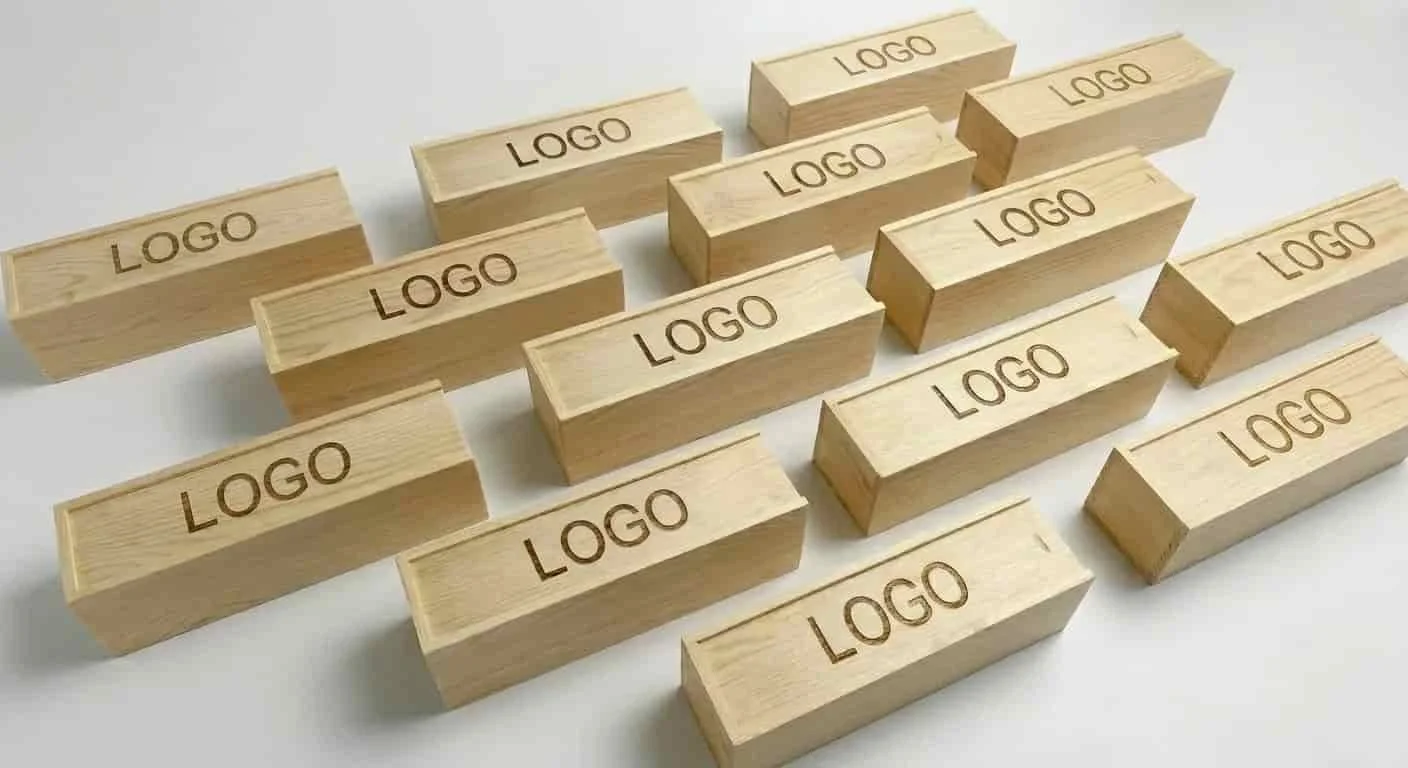
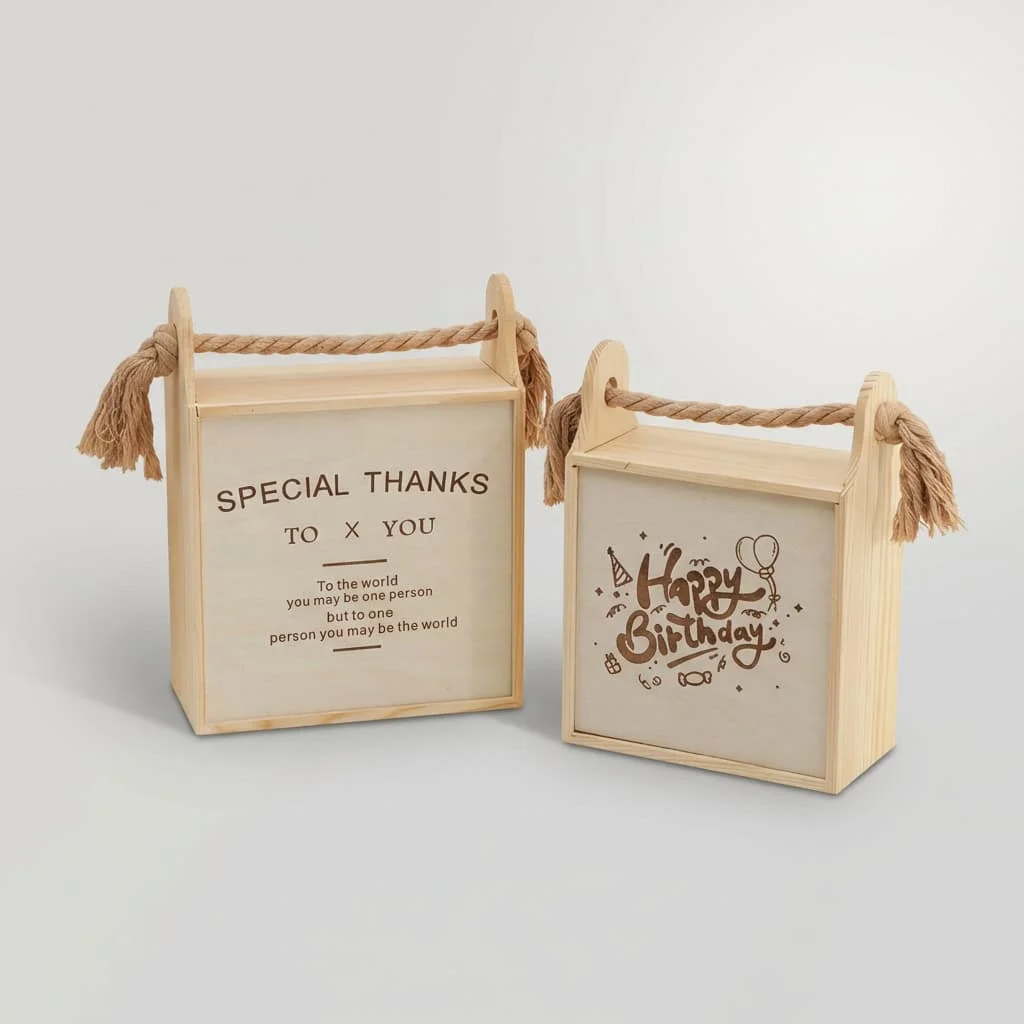
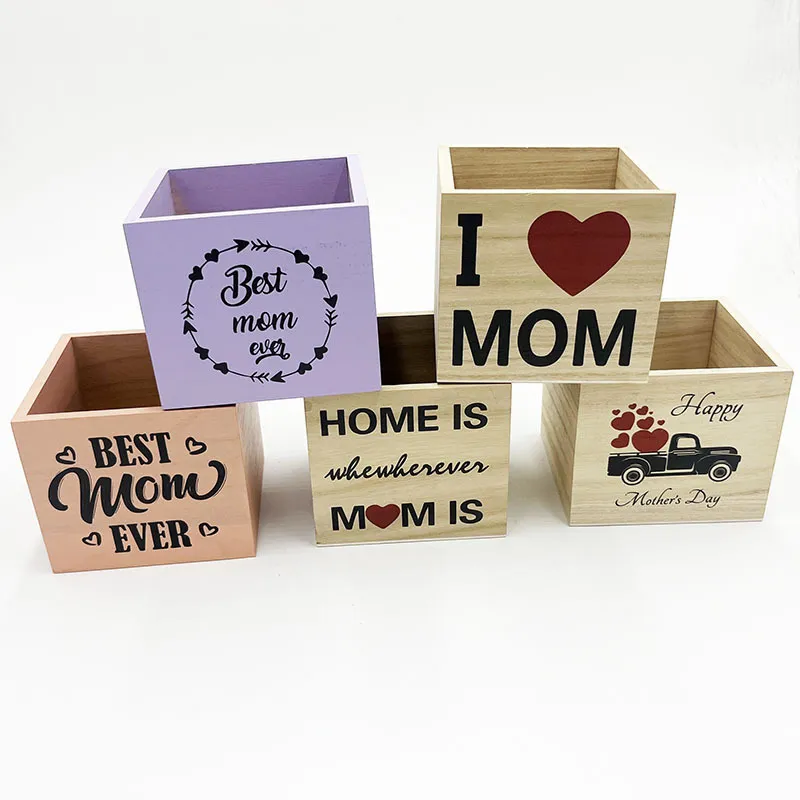
Customization in wooden gift boxes vs cardboard offers different avenues for creativity. While cardboard is excellent for full-color offset printing, wood offers deep, tactile customization. Personalized wooden boxes can feature laser engraving, hot stamping, intricate carving, and various stains or varnishes. These techniques create a permanent, premium branding effect that won’t fade or peel off like ink on cardboard. For truly exceptional presentations, decorative wooden boxes with intricate carvings serve as standalone pieces of art. When comparing the depth of customization in wood and cardboard, wood allows for a more artisanal and bespoke approach. 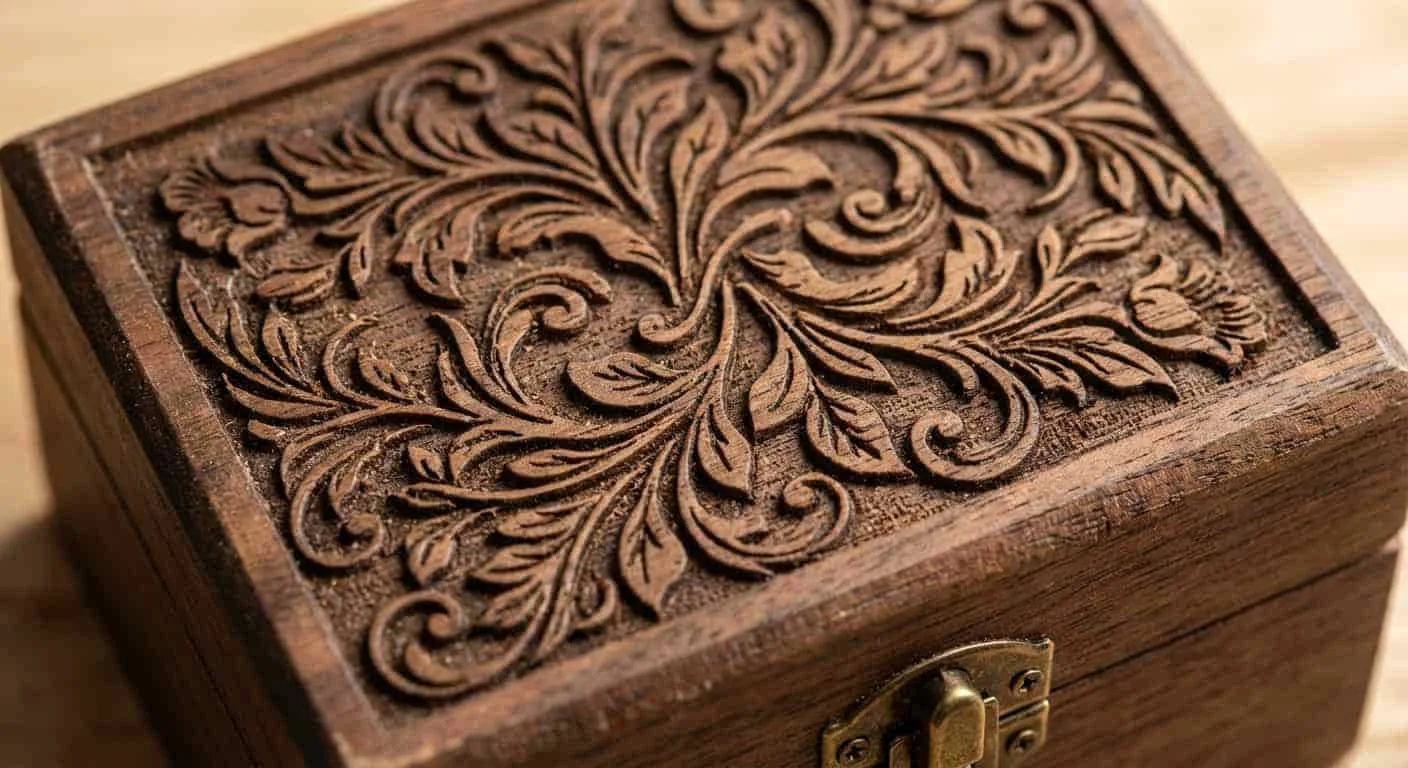
The Appeal of Reusability and Legacy Building
Legacy building is a unique advantage of wood. Wooden keepsake boxes become part of a family’s history, used to store letters, photographs, and mementos. This functional reusability means the packaging has a second life, entirely separate from the original product. In the wooden gift boxes vs cardboard discussion, cardboard is transient, while wood is enduring. Brands that choose wood are not just selling a product; they are providing a lasting artifact.
When Cardboard Gift Boxes Might Still Be the Right Choice
Despite the overwhelming advantages of wood, a fair assessment of wooden gift boxes vs cardboard must acknowledge situations where cardboard is the more practical choice. It is important to recognize that not every product requires or can support the cost of premium wooden packaging. Let’s look at the other side of the wooden gift boxes vs cardboard spectrum.
Budget-Friendly Solutions for Mass Distribution
Mass distribution in wooden gift boxes vs cardboard heavily favors cardboard due to cost constraints. For fast-moving consumer goods, everyday items, or low-margin products, the cost of wood packaging would be prohibitive. Cardboard provides a budget-friendly solution that allows companies to maintain profitability while still offering functional packaging. When the primary goal is cost reduction at scale, the wooden gift boxes vs cardboard debate concludes with cardboard as the winner.
Lightweight Options for Shipping and Logistics
Shipping logistics in wooden gift boxes vs cardboard also present a strong case for cardboard. Wood is heavy, which significantly increases freight costs, especially for air shipping. Cardboard is incredibly lightweight, helping to keep shipping expenses to a minimum. For e-commerce businesses shipping thousands of low-to-mid-value items daily, the weight difference in wooden gift boxes vs cardboard makes cardboard the most economically viable option for logistics.
Temporary Packaging Needs and Promotional Items
Temporary needs in wooden gift boxes vs cardboard are best served by cardboard. For short-term promotional campaigns, seasonal mass-market items, or event giveaways where the packaging is expected to be discarded immediately, investing in wood is unnecessary. Cardboard is perfectly suited for these ephemeral applications. In these specific instances of the wooden gift boxes vs cardboard comparison, the disposable nature of cardboard is actually an advantage.
Key Takeaways
To summarize wooden gift boxes vs cardboard, the decision ultimately depends on your brand positioning, product value, and long-term goals. Cardboard is the undisputed champion of low-cost, lightweight, mass-market packaging. However, when it comes to durability, aesthetic appeal, environmental sustainability, and creating a profound unboxing experience, wood is in a league of its own. The debate of wooden gift boxes vs cardboard highlights that wood is not an expense, but an investment in brand equity and customer satisfaction. By choosing premium wooden packaging, you elevate your product, demonstrate a commitment to quality, and provide a reusable keepsake that keeps your brand relevant for years to come. When evaluating wooden gift boxes vs cardboard for your next project, consider the lasting impression you want to leave.
FAQs About Wooden Gift Boxes
1. Are wooden gift boxes more eco-friendly than cardboard?
Yes, in many aspects. While cardboard is recyclable, the recycling process is highly energy and chemical-intensive. Wood, especially when sourced from sustainable forests, acts as a carbon sink and has a lower overall environmental impact regarding greenhouse gas emissions and water usage, making eco-friendly wooden boxes a superior sustainable choice.
2. Is the cost difference between wooden gift boxes vs cardboard significant?
Yes, the initial cost of wood is higher than cardboard. However, wood offers a higher perceived value, allows for premium product pricing, and serves as a reusable keepsake, providing excellent long-term ROI compared to single-use cardboard.
3. Can wooden gift boxes be customized as easily as cardboard?
While cardboard is great for standard printing, wood offers premium customization options such as laser engraving, carving, and staining. These methods create a tactile, high-end finish that cardboard cannot replicate.
4. When should I definitely choose wood over cardboard?
You should choose wood for luxury items, fragile valuables, corporate gifting, and special occasions where the unboxing experience and long-term reusability are paramount to the product’s presentation.
For more options, visit our full custom wooden boxes range or see our Wooden Gift Boxes page.