Wooden wine packaging vs cardboard packaging is an increasingly important decision for wineries, distributors, retailers and gift brands that want to balance protection, cost, sustainability and brand image. Choosing the right material affects not only shipping safety but also how customers perceive the value of your wine.
Why Wine Packaging Material Matters More Than Ever
Wine is a fragile, high-value product. The packaging that surrounds each bottle has to do much more than simply hold glass. It must protect against impact, temperature fluctuations and moisture, communicate brand story and price level, comply with sustainability expectations and support logistics efficiency from winery to consumer. As e‑commerce and direct-to-consumer (DTC) shipping grow, the choice between wooden wine packaging vs cardboard packaging has become a strategic one for both large wineries and boutique producers.
At Hilonwood.com, we focus on custom wooden packaging solutions that turn every bottle into a gift-worthy experience. At the same time, we know that cardboard plays a vital role in everyday retail and large-volume transport. The key is understanding where wooden wine boxes outperform cardboard, and where cardboard remains the pragmatic option.
Overview: Wooden Wine Packaging and Cardboard Packaging
What Is Wooden Wine Packaging?
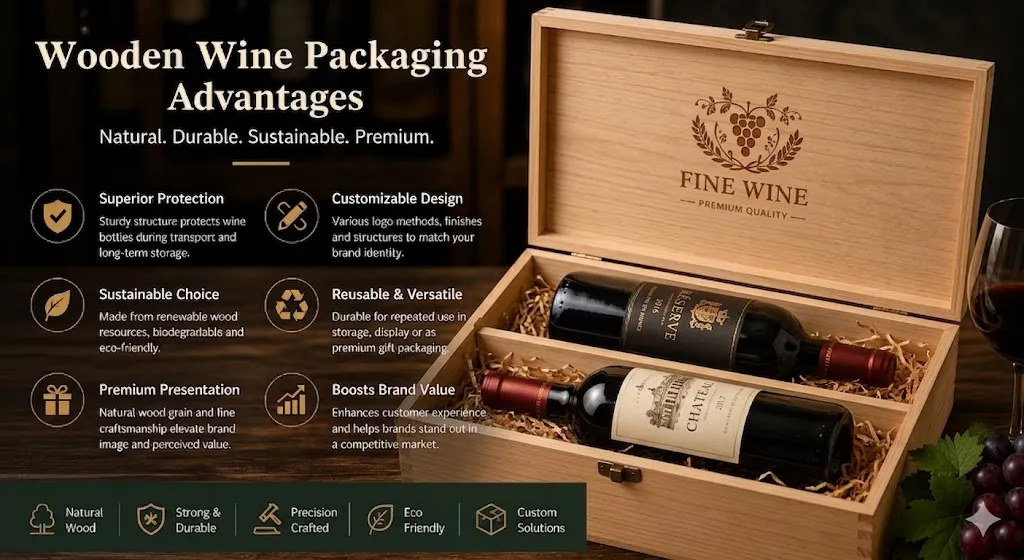
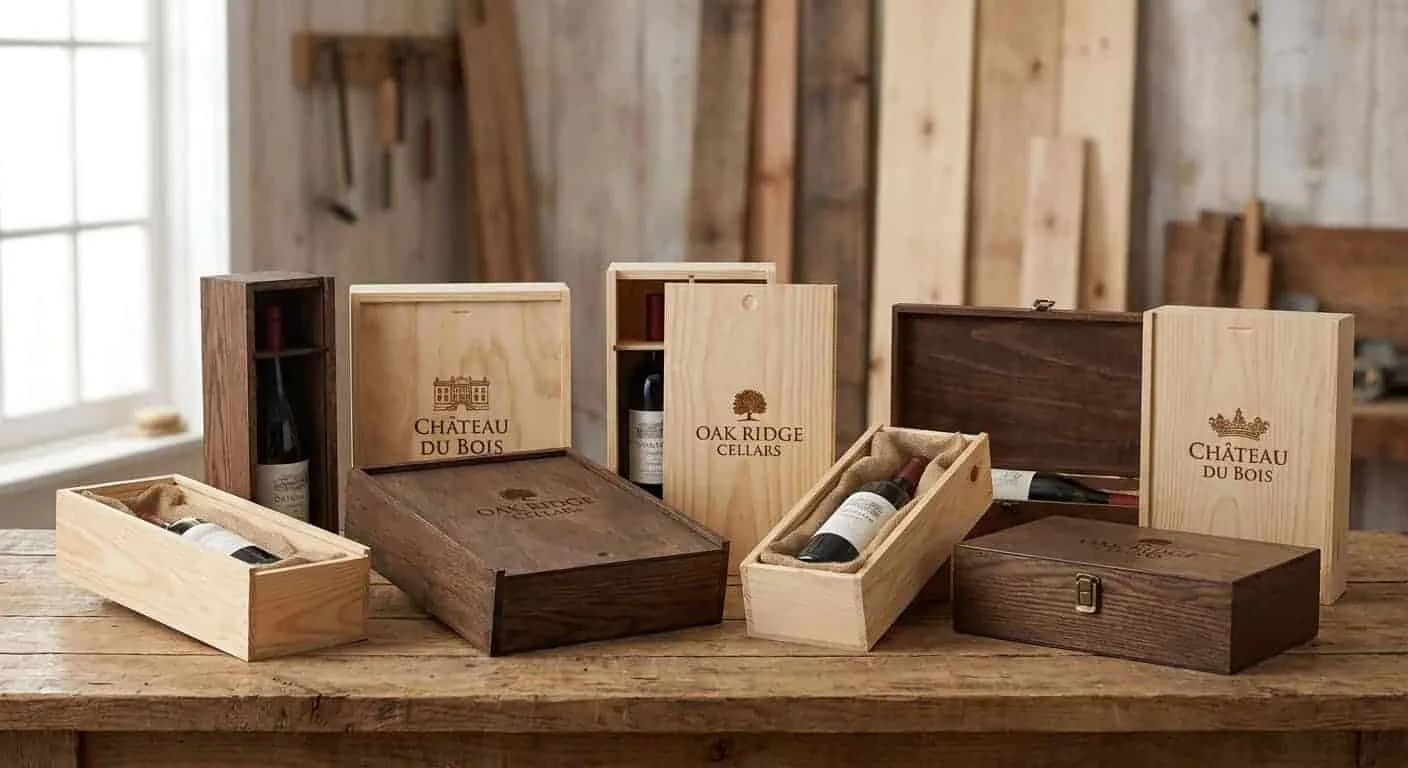
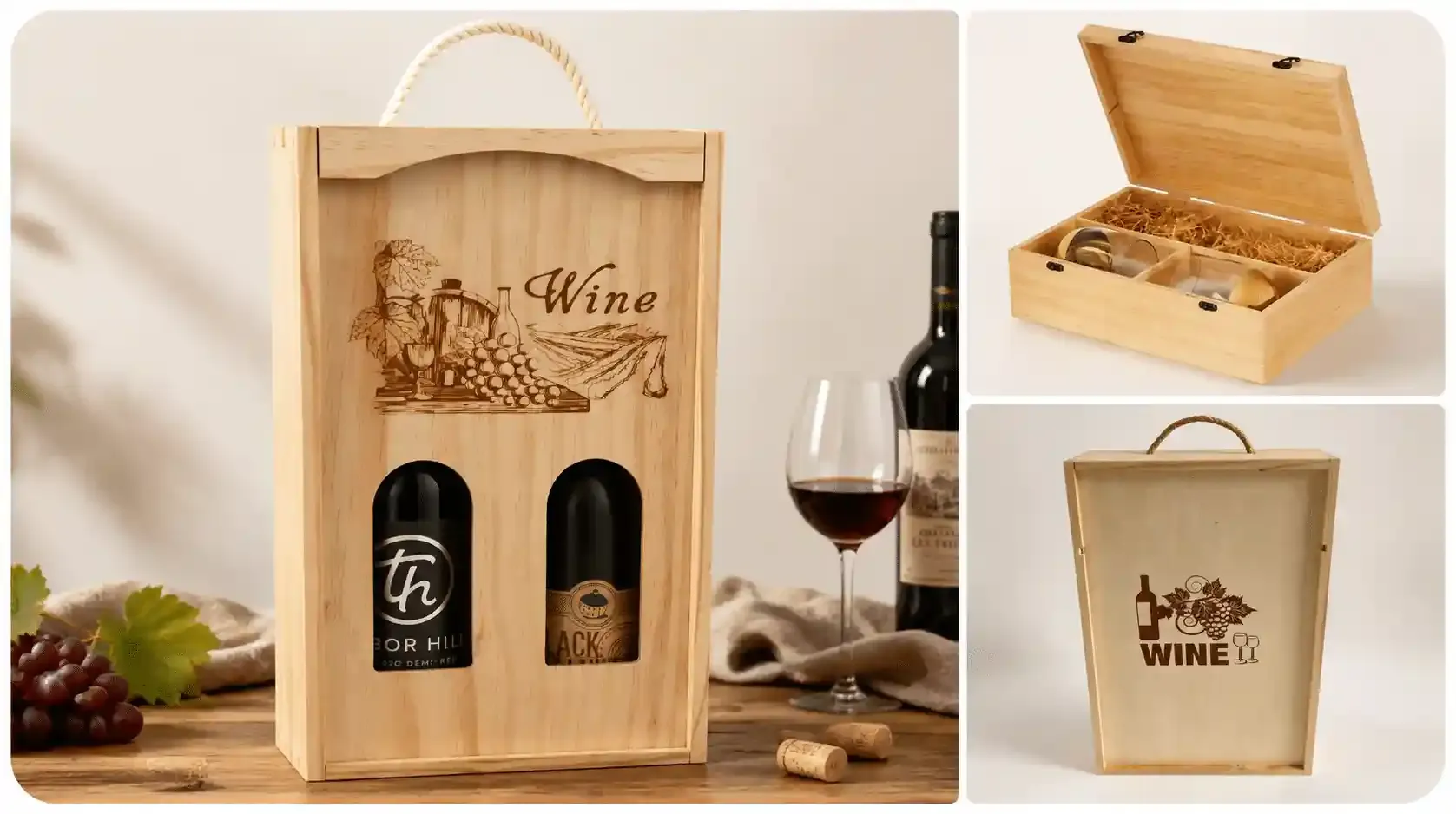
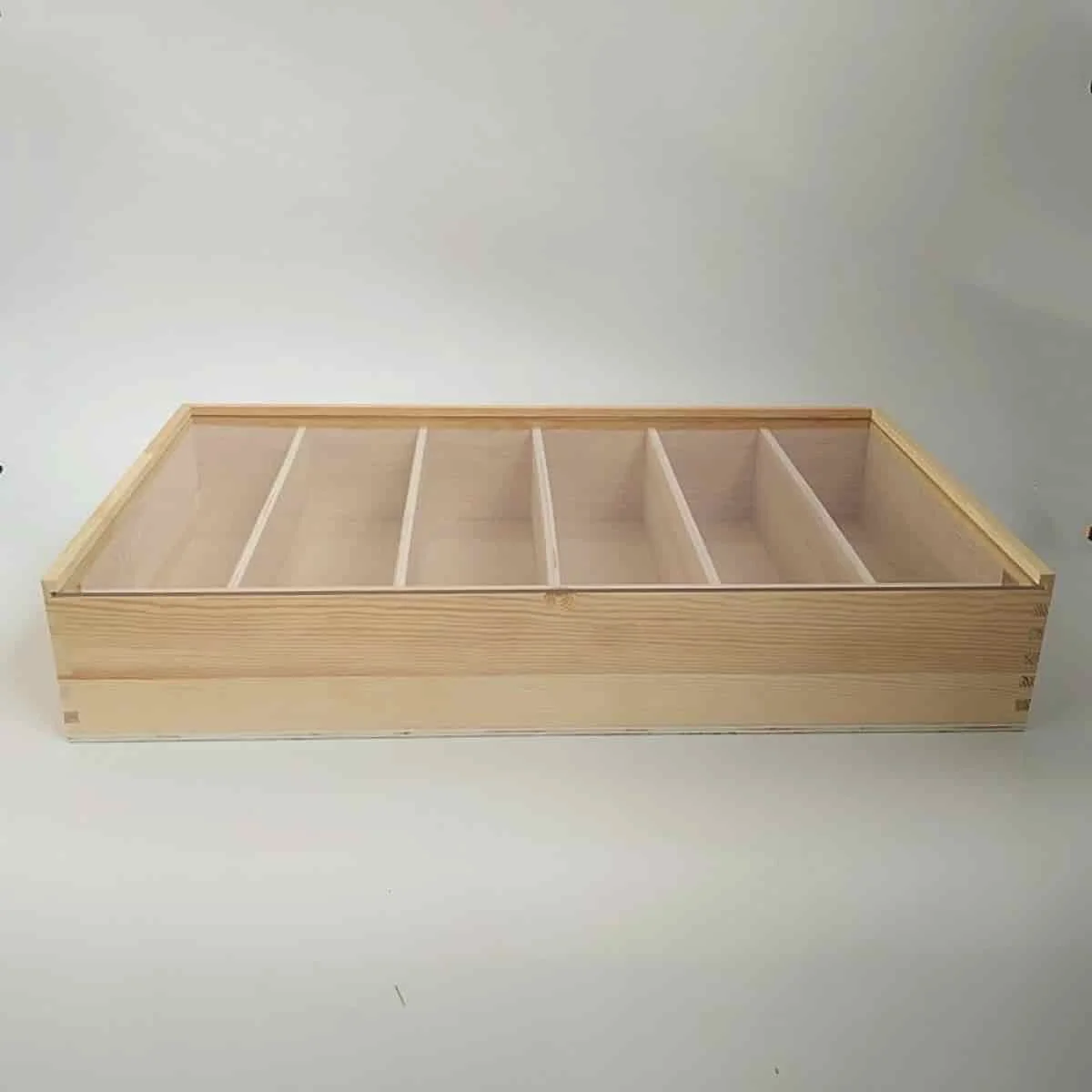
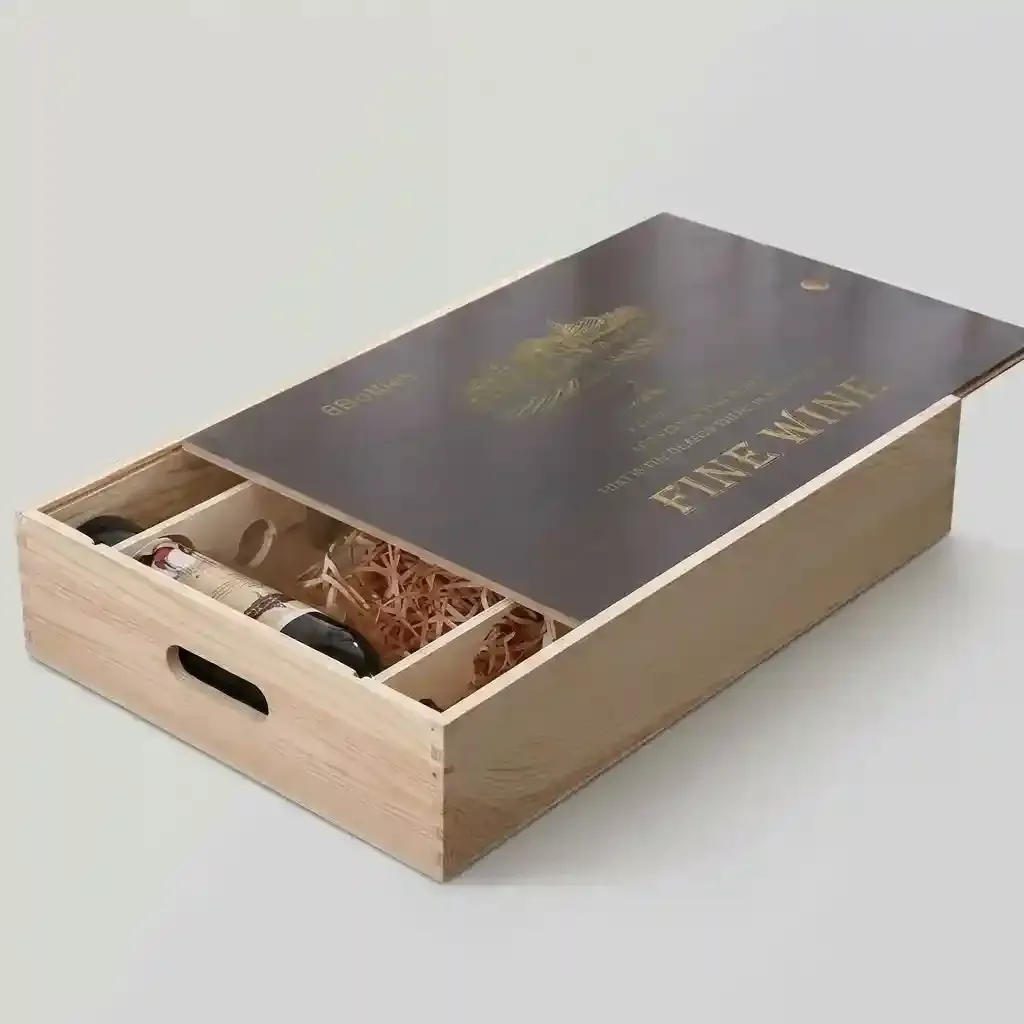
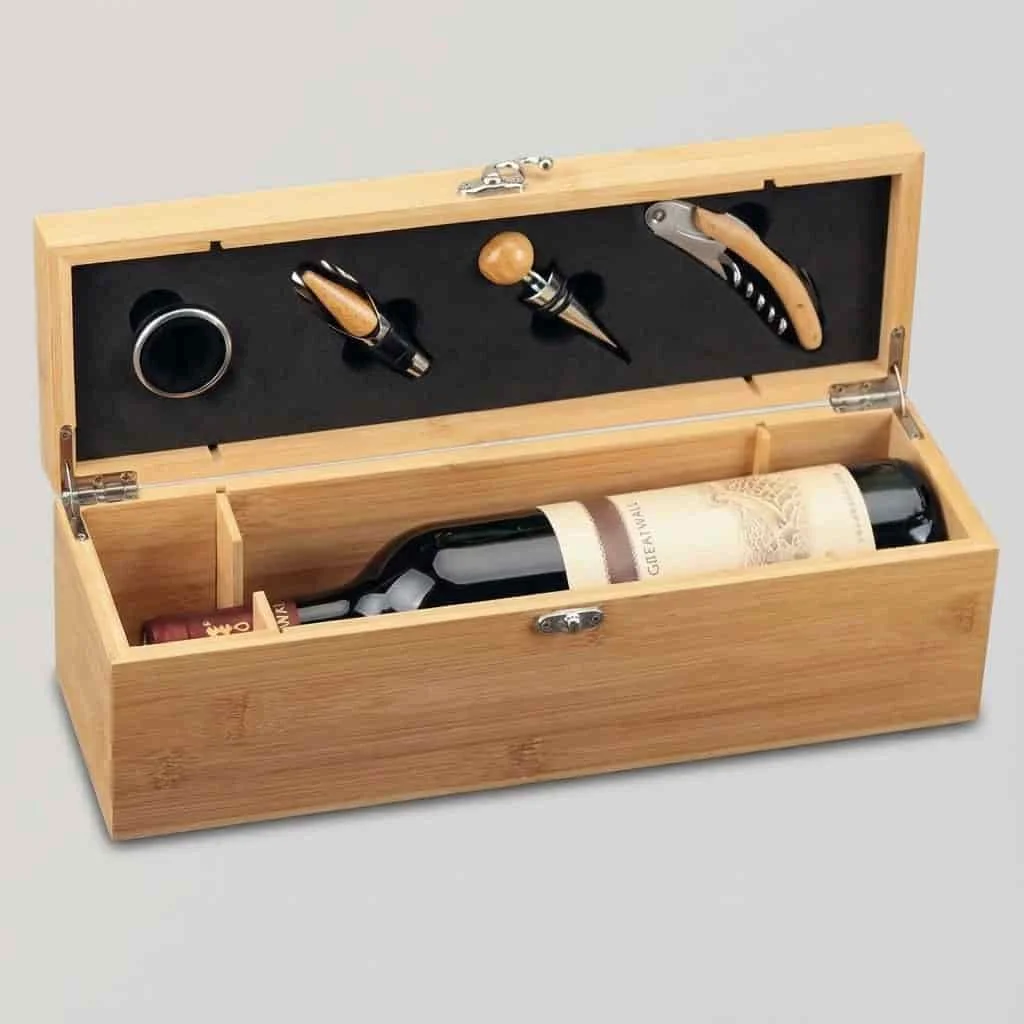
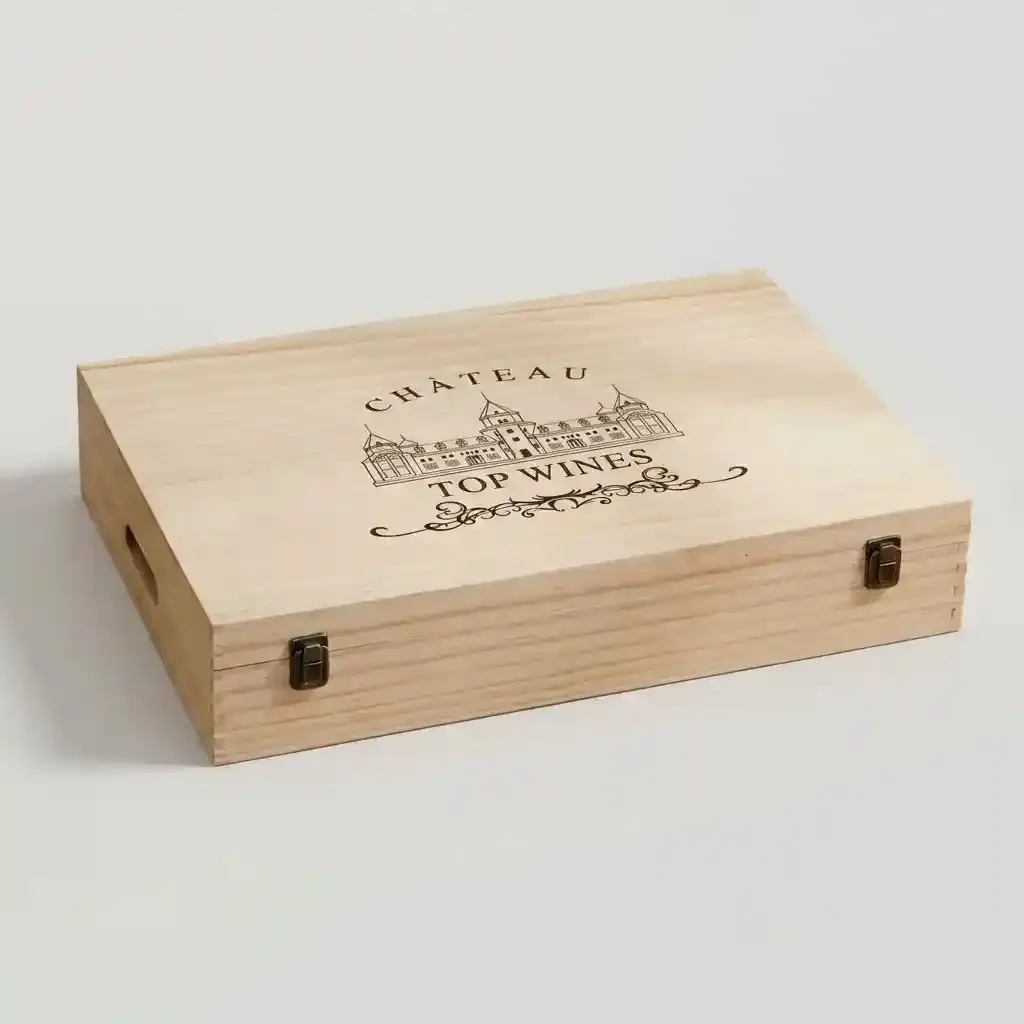
Wooden wine packaging usually refers to solid wood or engineered wood boxes designed specifically to hold one or more wine bottles. These can include sliding lid wine boxes, hinged presentation cases with metal hardware, divider-insert boxes for 2–12 bottles, and display crates used in retail or tasting rooms. On Hilonwood.com, you will find custom wooden wine boxes that can be engraved, printed, stained or painted to match your brand identity and market positioning.
Common wood species used for wine boxes include pine, paulownia, birch, beech and oak. Each species has a different density, grain pattern and color, which influence both weight and aesthetics. Wooden packaging can be left natural for a rustic appearance, treated with food-safe oils for a warm tone, or finished with lacquer and color coatings for a premium, glossy look.
What Is Cardboard Wine Packaging?
Cardboard wine packaging typically involves corrugated cardboard cartons or printed paperboard gift boxes. These can be single-bottle sleeves, multi-bottle shipping cartons, or decorative retail boxes with foam or molded pulp inserts. Cardboard is comparatively light, inexpensive and quick to produce in very high volumes, which explains why it dominates the mainstream wine supply chain.
Wineries and wine retailers often use a combination of structures: an inner divider system to separate bottles, an outer corrugated carton for shipping, and sometimes an additional branded sleeve or gift box for presentation. Cardboard is also the default choice for subscription wine clubs and large online marketplaces because it reduces freight costs and is easy to recycle in most regions.
Side-by-Side Comparison: Wooden vs Cardboard Wine Packaging
To understand the strengths and limitations of both materials, it is helpful to look at them side by side. The table below summarizes the main differences between wooden wine packaging and cardboard packaging.
| Criteria | Wooden Wine Packaging | Cardboard Wine Packaging |
|---|---|---|
| Protection & Durability | Excellent impact resistance, rigid structure; ideal for long-term storage and gifting. | Good protection with proper dividers; more vulnerable to crushing and moisture. |
| Brand Perception | Signals premium quality, craftsmanship and higher price point; strong unboxing effect. | Can be attractive but usually perceived as standard or mid-range packaging. |
| Weight | Heavier, increasing shipping costs slightly, but weight also reinforces quality perception. | Lightweight, highly efficient for freight and bulk logistics. |
| Cost per Unit | Higher unit cost, especially for small batches and complex designs. | Lower unit cost, especially at large volumes and simple structures. |
| Customization | Highly customizable through engraving, CNC cutting, inserts and hardware. | Highly customizable through printing, die-cut shapes and finishes. |
| Sustainability | Can be very sustainable if using responsibly sourced wood and designed for reuse. | Often recyclable and made from recycled fibers; reuse is less common. |
| Reusability & Longevity | Frequently kept as storage boxes, decor or keepsakes for many years. | Usually discarded or recycled soon after opening. |
| Best Use Cases | Premium wines, gifts, collector editions, limited releases and corporate gifting. | Daily retail, subscription boxes, supermarket wines, large-volume shipping. |
Aesthetic and Branding Impact
How Wooden Wine Boxes Elevate Brand Perception
When customers receive a bottle in a custom wooden wine box, they immediately perceive it as a premium gift rather than a commodity. The tactile experience of natural wood, the sound of a sliding lid and the smell of timber all contribute to a multi-sensory unboxing moment that cardboard rarely matches.
On Hilonwood.com, many wineries choose engraved logos, laser-etched illustrations and custom-fit bottle dividers to reinforce their brand story. A simple single-bottle wooden box can transform an ordinary varietal into a keepsake, while multi-bottle wooden cases communicate heritage and collector value. The visual contrast between a dark glass bottle and pale wood also photographs beautifully for social media campaigns and e‑commerce product pages.
Luxury and boutique wineries often find that wooden packaging becomes part of their visual identity. Customers remember the box as much as the label, and may reuse it in cellars, kitchens or offices, extending brand visibility for years.
Cardboard Packaging and Modern Print Design
Cardboard wine packaging has its own strengths in branding. High-resolution full-color printing, special finishes such as spot UV, embossing, foil stamping and tactile varnishes allow sophisticated graphics on the outside of cardboard cartons and gift boxes. For mainstream retail channels, well-designed cardboard can still create strong shelf impact and clear differentiation between product lines.
Because cardboard is light and cost-effective, brands can test multiple graphic concepts, seasonal designs and promotional campaigns with relatively low risk. For wines aimed at supermarkets, convenience stores or subscription boxes, a visually engaging cardboard package may be the most practical way to communicate value while keeping prices accessible.
Visual Comparison of Wooden vs Cardboard Presentation
The difference in presentation can be striking. Wooden wine boxes convey solidity and timelessness, while cardboard shines in color, pattern and flexibility. To visualize this, consider the image below showing a premium wooden gift box beside a printed cardboard wine box.
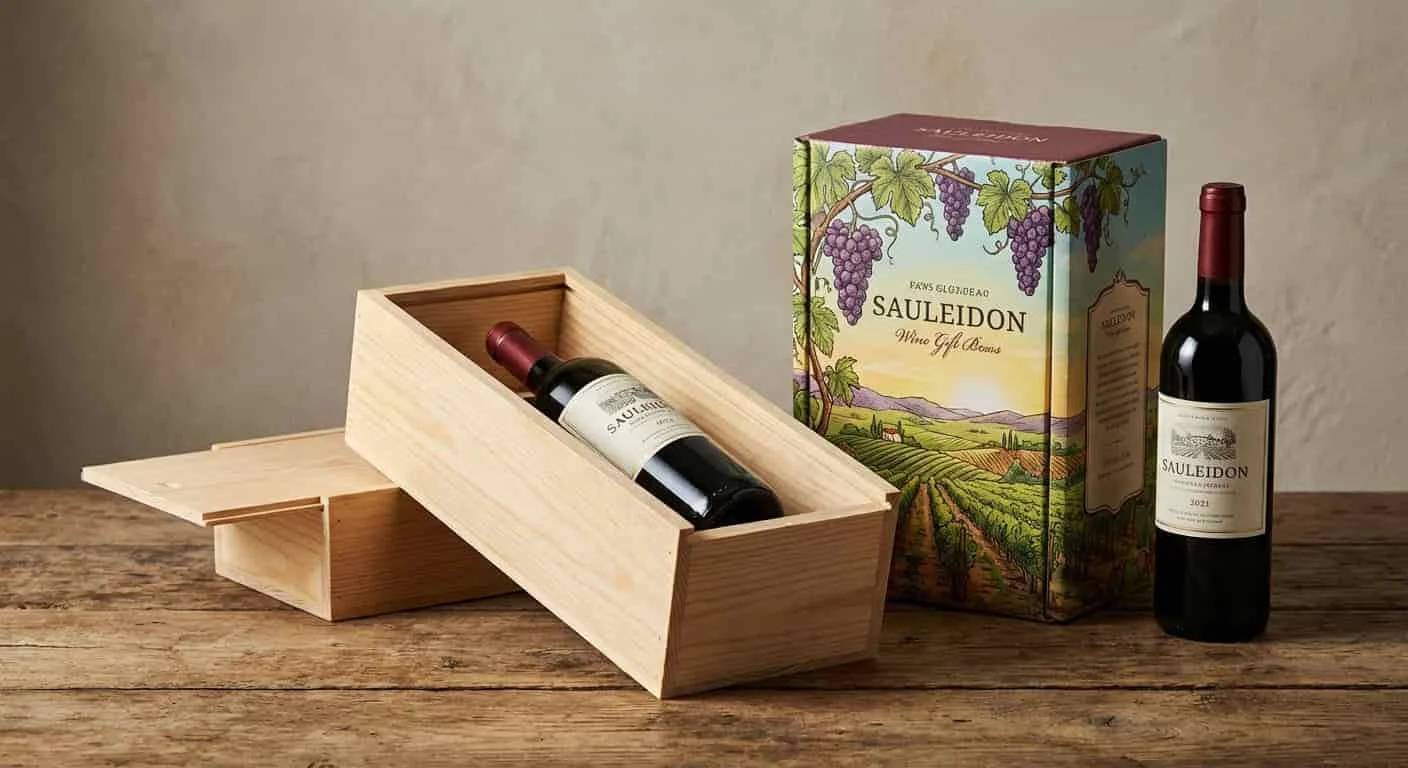
Both formats can be beautiful, but their emotional signals differ. Wooden packaging suggests long-term value and craftsmanship; cardboard suggests accessibility, creativity and modern graphic design.
Protection and Durability for Shipping and Storage
Physical Protection of Wine Bottles
Wine bottles are heavy and breakable. During transport they can experience vertical drops, side impacts, pressure from stacked pallets and vibration. Wooden wine packaging offers wood packaging advantages like a rigid shell that resists crushing forces. When combined with internal dividers or foam inserts, wooden boxes provide excellent protection against breakage, even for long-distance shipping.
Cardboard packaging relies on corrugated structures and internal partitions to absorb shocks. High-quality corrugated cartons can be very robust, but they are more sensitive to humidity and stacking pressure. If cardboard becomes damp, its strength decreases significantly, which is why outer shrink wrap or pallet covers are often used for extra protection.
Longevity and Storage Environment
For collectors who store wines for many years, wooden cases are often preferred. They maintain their shape in cellar conditions, withstand occasional handling and can be stacked safely. Many famous châteaux and top-tier wineries ship their grand cru wines in wooden cases that remain part of the collection’s history.
Cardboard cartons, by contrast, tend to deform over time, especially in humid cellars. While they protect bottles sufficiently for short-term storage and retail distribution, they are less suitable for decades-long aging unless used only as temporary outer cartons.
Comparing Protection Performance
| Protection Aspect | Wooden Wine Packaging | Cardboard Wine Packaging |
|---|---|---|
| Resistance to Crushing | Very high, maintains structure under heavy stacking. | Moderate to high depending on board grade; reduced under moisture. |
| Impact Shock Absorption | Excellent with proper inserts; rigid shell reduces glass contact. | Good when combined with internal cushioning; relies heavily on design. |
| Moisture Sensitivity | Low, especially with sealed finishes; wood tolerates cellar humidity well. | High, structure weakens when wet; needs dry storage and added protection. |
| Suitability for Long-Term Aging | Very suitable, especially for collectible wines and wooden cases. | Limited; more suitable for short to medium-term logistics. |
Sustainability and Environmental Impact
Wood as a Renewable Resource
Wood is a naturally renewable material when sourced from responsibly managed forests. Wooden wine packaging produced from certified wood can align well with sustainability goals, particularly when designed for long-term reuse. A single durable wooden box used for storage, display or gifting over many years can offset the environmental cost of its production.
At Hilonwood.com, we encourage clients to consider wood species and finishes that support sustainable forestry and minimize unnecessary waste. Many of our custom wooden boxes are designed with minimal metal or plastic components, which helps at end-of-life processing and encourages users to repurpose boxes at home.
Cardboard Recycling and Fiber Cycles
Cardboard is one of the most widely recycled packaging materials worldwide. In many regions, recovery rates for corrugated cardboard exceed 70%, according to resources such as the U.S. Environmental Protection Agency (EPA). Recycled fibers can be turned into new corrugated board multiple times before fiber quality deteriorates.
This means that for high-volume, short-lifecycle packaging, cardboard can be a very efficient choice from a circular-economy perspective. However, actual environmental performance depends on local recycling infrastructure, contamination rates and transport distances for both raw materials and finished products.
Reusability vs Recyclability
One of the main differences between wooden wine packaging vs cardboard packaging lies in end-of-life behavior. Wooden boxes are rarely thrown away immediately. Consumers tend to keep them as storage boxes for corks, tools, photos or other bottles. Each reuse cycle extends the effective life of the materials and prolongs brand exposure.
Cardboard, on the other hand, is normally recycled or discarded after a single use. This can still be sustainable, but it depends on consistent participation in recycling programs. When cardboard ends up in landfill or incineration, the environmental advantages diminish.
Environmental Trade-Offs in Practice
The more premium and long-lived the packaging, the more wooden boxes make sense environmentally, as they spread their footprint across years of usage. For mass-market shipping where packaging is used once and then goes straight into recycling, cardboard is often more resource-efficient.
Cost, Logistics and Operational Considerations
Unit Cost Comparison
In most regions, well-designed cardboard packaging remains the cheapest option on a cost-per-unit basis, especially at large volumes. The raw material, machinery and automation for cardboard manufacturing are optimized for high throughput, making it the preferred choice for supermarket wines and national retail chains.
Wooden wine packaging has higher material and labor costs. However, this extra cost can be easily justified for premium bottles where packaging is part of the perceived value. A modest increase in packaging cost can often support a significantly higher retail price when the customer sees and feels the difference.
Shipping Weight and Freight Costs
Weight is another important factor. A wooden box inevitably weighs more than a cardboard sleeve, affecting freight costs, especially for international air shipments. For domestic shipping or palletized sea freight, the difference is less critical, but still noticeable when analyzed across thousands of units.
For DTC shipments and e‑commerce, many Hilonwood.com clients choose a hybrid solution: a strong but relatively light wooden box paired with a protective outer cardboard carton. This approach provides premium presentation without exposing the wooden box directly to courier labels and handling.
Storage Space and Warehouse Efficiency
Cardboard cartons are typically delivered flat and assembled on demand, which optimizes warehouse space. Wooden boxes are usually delivered fully assembled, taking up more volume in storage. For small and medium-size wineries, this is rarely a problem, but for very large operations, it may require careful planning of order quantities and storage layout.
Customization, Design and Branding Options
Customizing Wooden Wine Packaging
Wood provides a three-dimensional canvas for creativity. On Hilonwood.com, our clients often combine several customization techniques to build distinctive wooden wine packaging:
Laser engraving allows intricate logos, vintage dates and illustrations to be etched into the surface with high precision. CNC cutting can create shaped windows, finger joints, or decorative edges. Hardware such as brass hinges, clasps and leather handles can turn a simple box into a luxurious presentation case. Internal components, including bottle dividers, velvet lining or foam inserts, ensure that every element aligns with the brand story.
This kind of customization is particularly powerful for limited editions, winery anniversaries, collaboration releases and high-end corporate gifts. Because wooden boxes are long-lived, every design decision continues to represent your brand for years.
Customizing Cardboard Wine Packaging
Cardboard excels in two-dimensional graphic expression. Digital and offset printing technologies allow vivid imagery, typography and photography wrapped entirely around the package. For example, full-bleed illustrations can tell the history of a vineyard, showcase awards or highlight tasting notes and food pairings.
Special finishes—such as metallic foils, embossing, debossing and soft-touch laminates—can add a tactile dimension to otherwise flat substrates. Die-cut windows can reveal the label while maintaining structural integrity. For mainstream retail, this graphic flexibility is a major advantage, especially when branding needs to be refreshed each season or vintage.
Consumer Perception and Unboxing Experience
Emotional Impact of Wooden Boxes
The unboxing moment has become crucial, especially in DTC and gifting contexts. A wooden wine box heightens anticipation: sliding open a lid, lifting out a bottle from a fitted cavity, feeling the grain of the wood. Many customers perceive the wine itself as more valuable when it arrives in a substantial wooden package.
This emotional impact translates directly into perceived value. Corporate gifts, wedding favors, collector releases and holiday specials benefit enormously from wooden wine packaging. Even if the actual wine inside is similar to a standard release, the box reframes the experience as something rare and curated.
Everyday Convenience of Cardboard
Cardboard offers convenience and clarity: easy to open, easy to recycle and simple to stack in supermarket aisles or retail back rooms. For everyday table wines, many customers do not expect or desire an elaborate box; they value straightforward packaging they can quickly dispose of or recycle. For these use cases, cardboard is entirely appropriate and often preferred.
Comparing Consumer Perception
| Perception Factor | Wooden Wine Packaging | Cardboard Wine Packaging |
|---|---|---|
| Perceived Product Value | Significantly higher; often associated with collector or gift items. | Moderate; seen as functional packaging for regular consumption. |
| Gift-Worthiness | Very high; often kept and displayed. | Variable; depends on design but usually seen as disposable. |
| Brand Memorability | High; box is reused and keeps brand visible. | Moderate; brand memory is tied mostly to the label. |
| Unboxing Experience | Immersive, multi-sensory, often shared on social media. | Quick, straightforward and practical. |
Use Cases: When Wooden Wine Packaging Is Better
Premium and Limited-Edition Wines
For high-priced bottles, single vineyard selections, rare vintages and limited-release collaborations, wooden wine packaging is usually the better choice. The incremental packaging cost is small relative to the retail price, while the return in perceived value is substantial. Many wineries use customized wooden boxes to segment their premium tier clearly above standard offerings.
On Hilonwood custom wood wine boxes pages, you can see examples of single-bottle and multi-bottle presentation cases specifically created for flagship wines. Features such as engraved metal plaques, internal lighting or unique shapes help these products stand out in tasting rooms and online shops.
Corporate Gifting and Special Events
Corporate gifts, conference awards, wedding favors and holiday hampers often benefit from the elegance of wooden boxes. Clients and guests are more likely to remember a brand that uses distinctive, reusable packaging. A sturdy wooden case can safely travel from event organizers to attendees, reducing the risk of breakage and customer dissatisfaction.
Many businesses choose to add their logos or event names via laser engraving on the lid of the wooden box. Hilonwood.com provides tailored solutions for such scenarios, managing everything from design consultation to mass production and international shipping.
Collector Markets and Wine Clubs
For collectors’ releases and high-tier wine club selections, wooden packaging can act as both protection and certificate of prestige. Subscribers receiving a quarterly or annual special selection in a custom wooden case often feel more connected to the winery’s story and more inclined to renew memberships.
Use Cases: When Cardboard Wine Packaging Is Better
Supermarket and Large-Scale Retail
In supermarkets and high-volume retail environments, price sensitivity and logistics dominate decision-making. Cardboard packaging is almost always the better option here. It keeps transport costs low, is easy to palletize and can be displayed directly on shelves or promotional stands.
Wineries can still leverage design by investing in strong graphic identities for cartons and branded gift sleeves. Seasonal promotions, multi-bottle family packs and private-label lines can all use cardboard to tell compelling stories within tight budget constraints.
Subscription Boxes and E‑Commerce Multipacks
Subscription clubs that ship dozens or hundreds of thousands of cases per year are highly sensitive to weight and shipping tariffs. Lightweight cardboard is ideal for multi-bottle selections, as long as it is well-engineered with robust internal dividers and cushioning. Foam inserts, molded pulp trays or honeycomb structures can maximize protection while keeping weight under control.
In many e‑commerce scenarios, the outermost shipping carton must withstand courier handling and weather exposure. Cardboard with water-resistant coatings or additional inner supports can perform very well here. Wooden boxes can still be included as limited-edition add-ons or inner gift packaging for top-tier customers.
Restaurant and On-Trade Channels
Restaurants, bars and hotels usually prioritize quick stock rotation and back-of-house efficiency. Cardboard cartons that can be quickly opened, flattened and recycled match their workflow perfectly. Wooden packaging may appear only for high-end wine lists, tasting menus or VIP gifts.
Hybrid Solutions: Combining Wooden and Cardboard Packaging
For many brands, the best answer to the wooden wine packaging vs cardboard packaging question is not either-or, but a thoughtful combination. Hybrid solutions capture the strengths of both materials while minimizing their weaknesses.
Wooden Inner Box with Cardboard Outer Carton
One common strategy is to use a custom wooden wine box as the primary presentation container and add a protective corrugated outer carton for shipping. The cardboard shields the wooden box from scuffs, impacts and courier labels, while the customer still enjoys a pristine wooden case upon opening.
At Hilonwood.com, we often design wooden boxes with exact outer dimensions that match standard cardboard carton sizes, simplifying logistics. This integration can reduce packaging development time and prevent inefficiencies in warehousing and palletization.
Cardboard Multipacks with Wooden Gift Editions
Another approach is to reserve 6-bottle wooden wine packaging for special SKUs while using cardboard for everyday products. For example, a winery might sell its standard range in cardboard six-bottle cartons while issuing annual anniversary cuvées in laser-engraved wooden cases. This maintains a clear hierarchy of value within the portfolio and makes limited releases instantly recognizable.
Display Crates and Point-of-Sale Elements
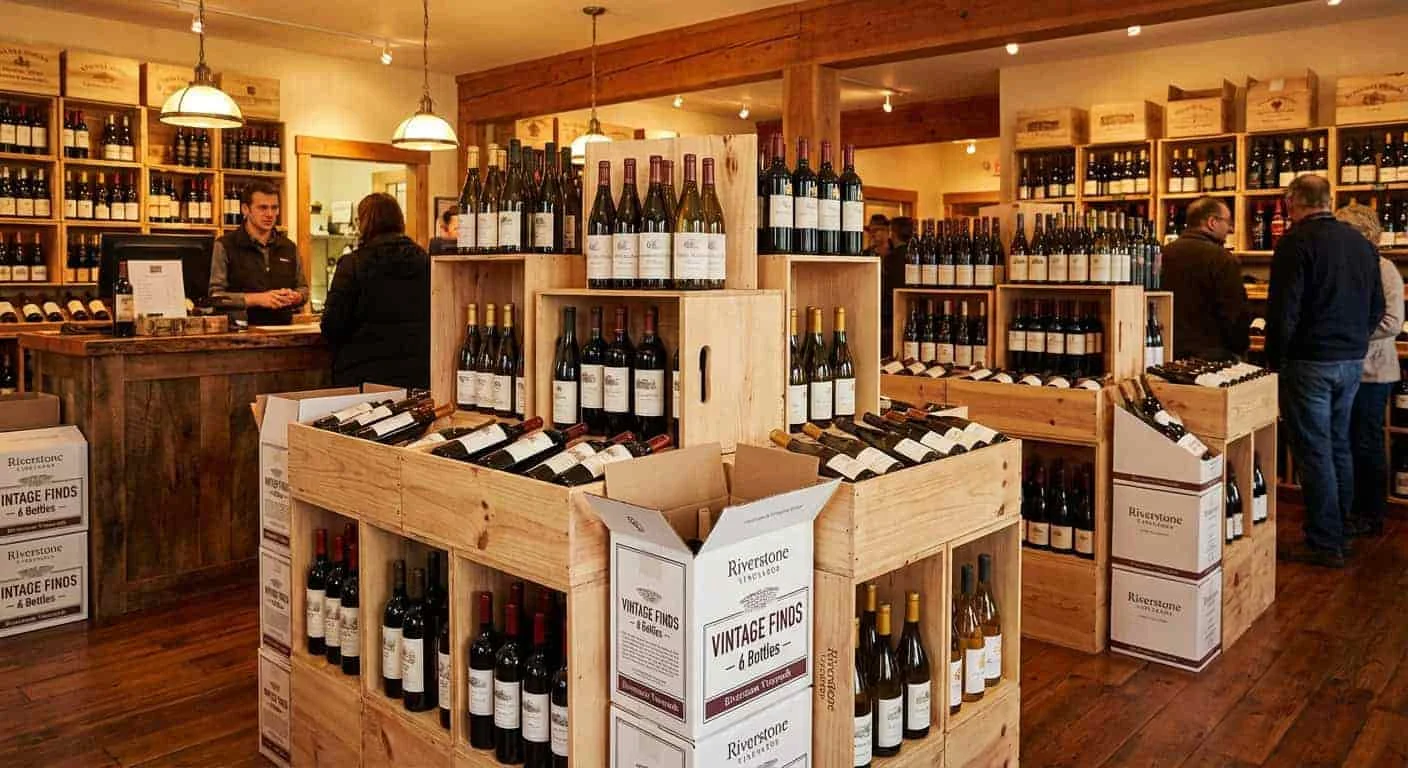
Wooden crates and shelving units can also serve as semi-permanent point-of-sale displays in retail spaces, while individual bottles are still packed in cardboard for shipping. These wooden fixtures reflect brand authenticity and craft, inviting customers to explore the wines more closely.
Designing Effective Wooden Wine Packaging with Hilonwood
Understanding Your Brand and Market Position
Before choosing between wooden wine packaging vs cardboard packaging, it is crucial to clarify your brand positioning, price segment, distribution channels and sustainability goals. At Hilonwood.com, our design team typically begins with a detailed discussion of these factors and then proposes tailored wooden packaging concepts.
If your core audience values authenticity, craftsmanship and environmental responsibility, natural-finish wooden boxes with subtle engraving may be ideal. For luxury gift markets, more elaborate finishes and hardware create the necessary sense of occasion. For younger, design-driven brands, combining minimalist wood structures with bold printed elements or mixed materials can be effective.
Technical Considerations for Wooden Wine Boxes
To ensure both beauty and functionality, several technical aspects must be considered:
Internal dimensions must match bottle shapes precisely, especially for non-standard formats such as magnums, sparkling wine bottles or unusual shoulders. The standard 750 ml bottle is the baseline for most single-bottle boxes, while larger or unusual formats require adjusted internal dimensions. Joinery and panel thickness must withstand stacking, handling and humidity changes. Hardware choice should align with weight and user expectations: simple sliding lids for casual gifts, hinges and clasps for collector cases, or even lockable designs for very high-value bottles.
On the Hilonwood wooden boxes category, you can explore common base structures that can be customized for your needs, from single bottle boxes to multi-compartment cases.
Prototyping and Testing
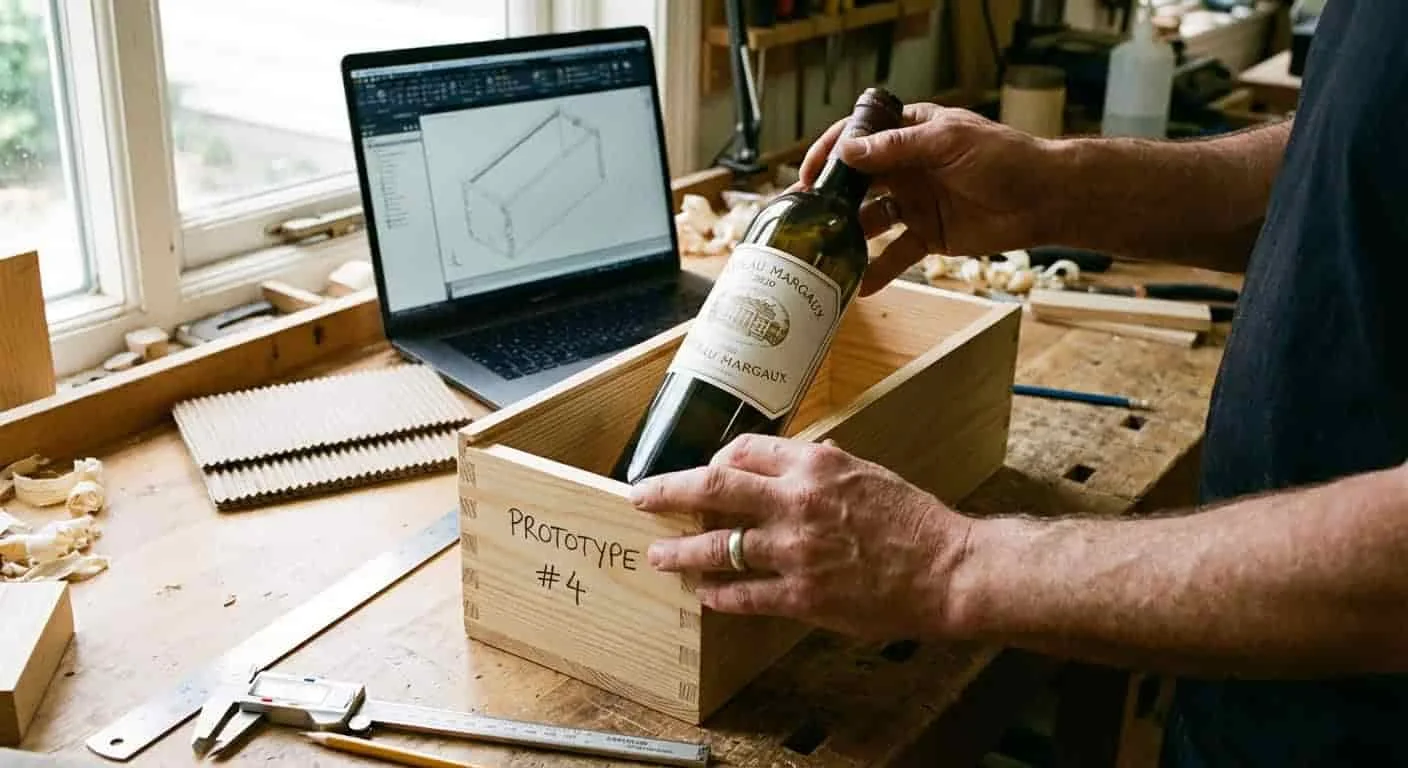
For larger projects, prototyping is essential. A physical sample allows you to test bottle fit, stacking stability, opening mechanics and branding impact before committing to mass production. Hilonwood.com supports sampling and refinements, ensuring that the final packaging meets both aesthetic and technical requirements.
Regulations, Safety and Labeling
Compliance with Food-Contact and Safety Standards
While wine bottles themselves protect the liquid from direct contact with packaging materials, wooden and cardboard wine packaging still need to comply with relevant regulations regarding coatings, adhesives and inks. Food-safe finishes and low-emission adhesives are increasingly important as consumers and regulators focus more on chemical safety.
Cardboard inks and varnishes must be chosen carefully to avoid unwanted migration, especially for packaging stored in warm environments. Wooden boxes with internal treatments should use finishes that do not off-gas harmful substances into storage spaces.
Labeling and Information Display
Cardboard offers ample surface area for legally required information, such as alcohol content, origin, recycling instructions and health warnings. When using wooden boxes, wineries often rely on the bottle label itself for mandatory data while using the box for branding and storytelling.
For DTC shipments, external cardboard cartons may still bear barcodes, shipping labels and regulatory marks, even when the inner box is wooden. This ensures compliance without compromising the aesthetics of the premium box.
How to Decide: A Practical Framework
Key Questions to Ask
When choosing between wooden wine packaging vs cardboard packaging, consider the following questions:
What is the retail price and margin of the wine? Higher-margin products can better absorb the cost of wooden boxes. Who is the target audience, and how important is gifting or unboxing for them? Through which channels will the wine be sold and shipped—retail shelves, DTC, restaurants, corporate events? What are your brand values around sustainability, craftsmanship and modernity? How long do you expect customers to keep the packaging, and what role should it play after purchase?
Decision Table
| Scenario | Recommended Primary Packaging | Rationale |
|---|---|---|
| Premium gift wine for corporate clients | Wooden wine box with optional cardboard outer carton | Maximizes perceived value and ensures safe transport. |
| Supermarket table wine | Cardboard carton with printed brand design | Optimizes cost and logistics for high volumes. |
| Collector edition or anniversary release | Custom engraved wooden case | Reflects rarity and long-term storage needs. |
| Monthly subscription box with multiple bottles | Reinforced cardboard multipack | Reduces weight-based shipping costs. |
| Tasting room sales of flagship wine | Optional wooden gift box upsell | Creates additional margin and memorable experiences. |
Working with Hilonwood.com for Custom Wooden Wine Packaging
From Concept to Production
Hilonwood.com specializes in designing and manufacturing custom wooden packaging, including a wide range of wooden wine boxes tailored to different bottle types and marketing strategies. Our process generally follows a clear sequence: consultation, design proposal with drawings or 3D models, sampling, refinement, and finally mass production and quality control. Once specifications are confirmed, custom wooden wine packaging production typically takes 30–45 days.
By understanding how wooden wine packaging vs cardboard packaging affects your positioning and logistics, we help you focus wooden solutions where they create the most value. Many clients also maintain their existing cardboard infrastructure for bulk shipments while introducing wooden boxes for selected SKUs.
Integration with Existing Packaging Systems
We regularly collaborate with wineries, design agencies and cardboard packaging providers to ensure wooden boxes integrate smoothly into existing systems. This can involve matching outer dimensions to standard cartons, aligning visual branding across materials or coordinating production schedules to support product launches and seasonal campaigns.
To explore options, you can visit our Hilonwood blog, where we share case studies, design tips and sustainability insights related to wooden packaging.
Conclusion: Which Is Better, Wooden or Cardboard Wine Packaging?
There is no single universal answer to the wooden wine packaging vs cardboard packaging question. Each material excels in different contexts. Wooden wine boxes are clearly better for premium, gift-oriented, long-term and collector-focused offerings, where durability, unboxing experience and long-lasting brand presence justify higher costs. Cardboard packaging is better for high-volume, price-sensitive, short-lifecycle and logistics-driven scenarios, where lightweight efficiency and recyclability dominate.
For many brands, the optimal strategy combines both: using cardboard as the reliable backbone of everyday distribution while deploying wooden packaging selectively for flagship products, special editions and key marketing moments. By thinking carefully about your audience, channels and long-term brand goals—and by partnering with specialists such as Hilonwood—you can design a packaging mix that protects your wine, respects the environment, manages costs and delights your customers at every touchpoint.
If you are ready to explore how custom wooden wine packaging can enhance your next release or corporate gifting program, you can reach out through Hilonwood and begin transforming your bottles into memorable experiences that live on long after the last glass is poured.