Olive wood cutting boards are prized by home cooks, professional chefs, and design lovers for their stunning grain, exceptional durability, and timeless character. In this guide, we explore what makes an olive wood cutting board special, how it compares with other woods, and how to select, use, and care for a board that will serve you for many years.
What Makes Olive Wood Cutting Boards So Special
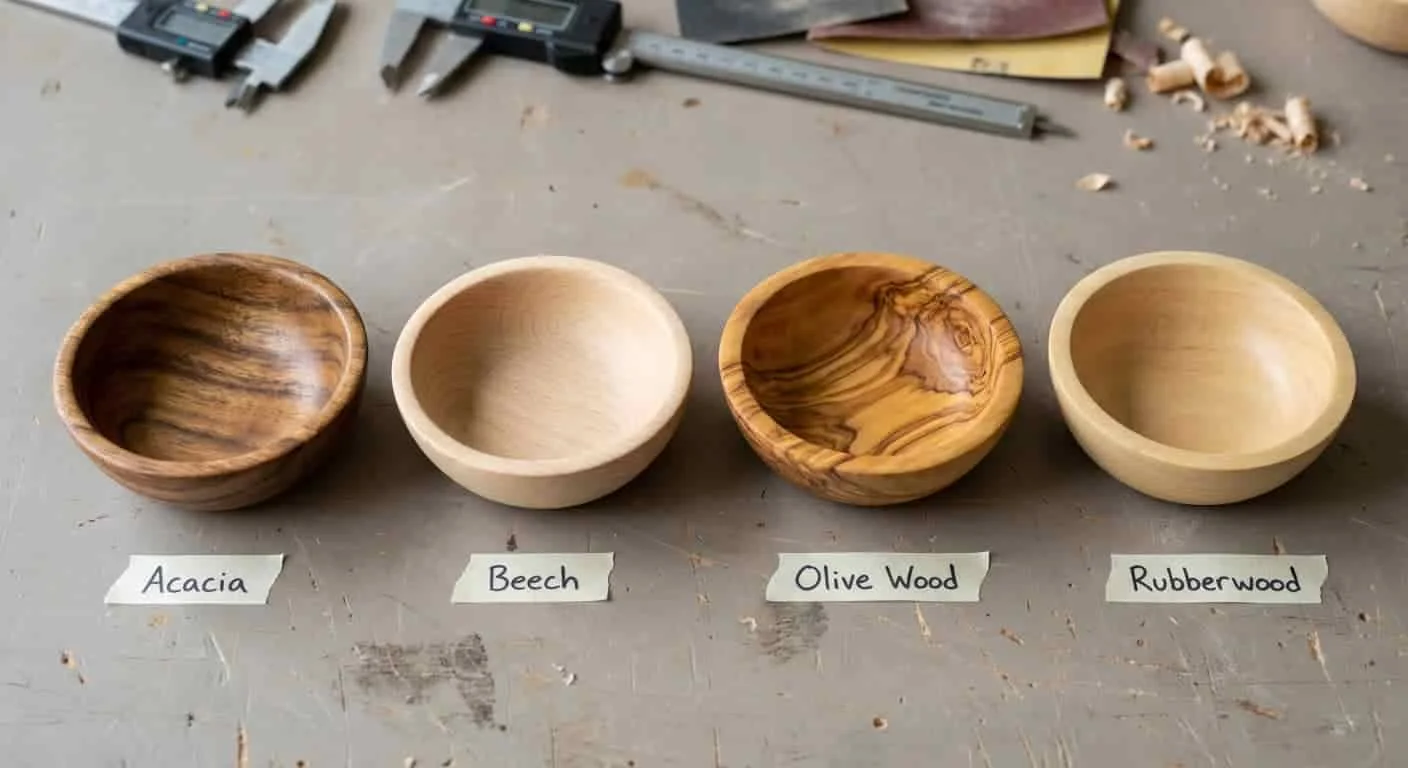
Olive wood is one of the most distinctive hardwoods used for kitchen boards and utensils. It comes from the olive tree, which grows slowly and develops dense, richly patterned heartwood. This natural density and striking grain make olive wood cutting boards both practical tools and decorative centerpieces.
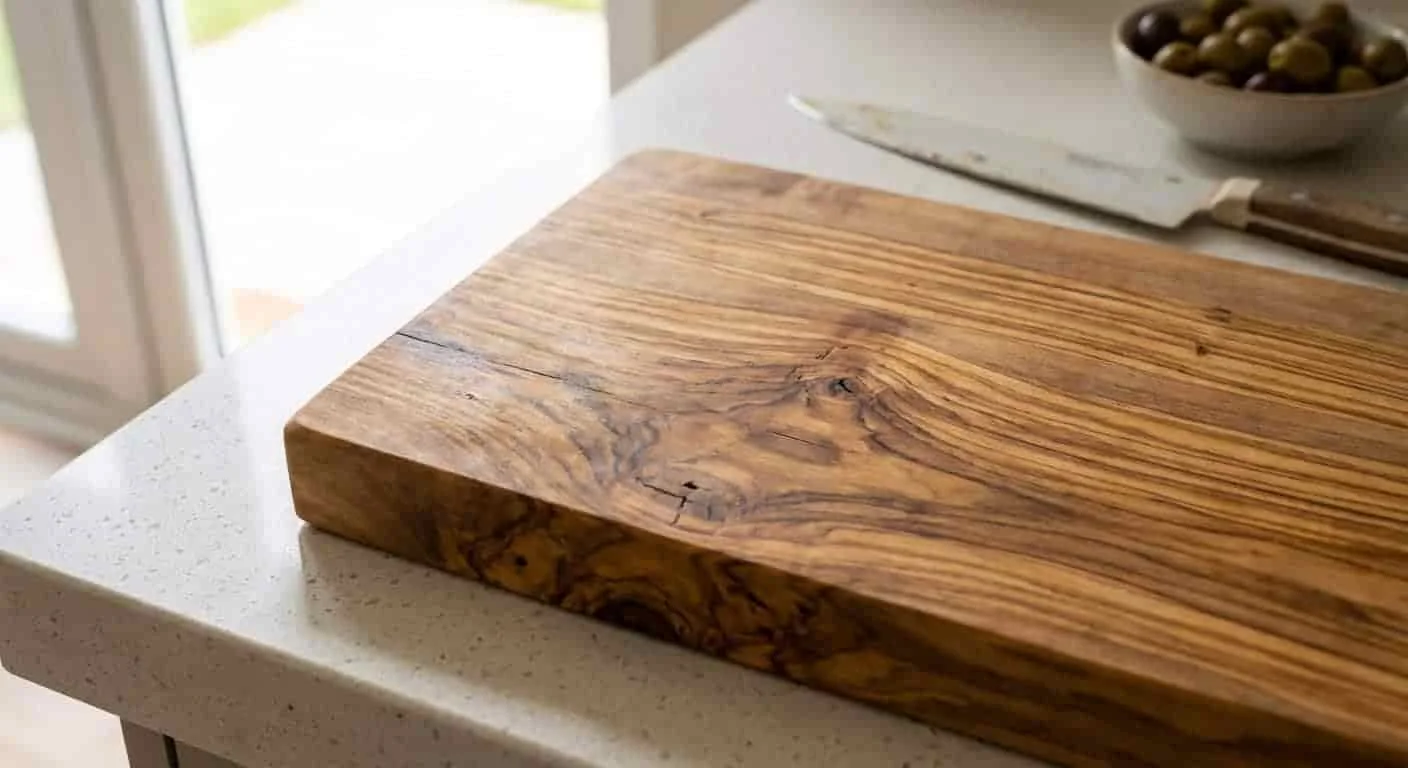
Unlike mass‑produced boards made from anonymous lumber, each olive wood board has a unique swirling pattern and warm, golden‑brown tone that deepens with age. When you place an olive wood cutting board on your countertop or dining table, it adds a sense of warmth, craftsmanship, and authenticity to the whole space.
Olive Wood vs. Other Cutting Board Materials
Many people considering an upgrade to their kitchen tools want to know how olive wood compares to maple, bamboo, acacia, plastic, and glass boards. The table below highlights the main differences.
| Material | Hardness & Knife Friendliness | Hygiene & Maintenance | Visual Appeal | Typical Use |
|---|---|---|---|---|
| Olive wood | Hard but not brittle; gentle on knife edges | Dense, less porous; needs regular oiling | Very high; dramatic swirled grain, warm tones | Premium everyday use, serving, gifting |
| Maple | Medium‑hard; excellent for knives | Good hygiene if maintained; common in pro kitchens | Subtle, light uniform grain | Professional prep boards and butcher blocks |
| Bamboo | Quite hard; can be tougher on knives | Stable; usually glued strips, may be more brittle | Striped, modern look | Budget‑friendly everyday chopping |
| Plastic | Soft; gentle on knives but scars easily | Dishwasher‑safe; deep cuts can hold bacteria | Low; utilitarian only | Raw meat processing, quick tasks |
| Glass | Very hard; dulls knives quickly | Non‑porous, easy to sanitize | Can look sleek but not traditional | Cheese or cold serving, rarely for cutting |
Olive wood cutting boards sit at the premium end of this spectrum. They offer a strong balance of hardness and knife friendliness, strong visual personality, and a dense structure that feels reassuring in the hand.
Key Benefits of Olive Wood Cutting Boards
Durability and Density
Olive wood is naturally dense and hard, which allows a cutting board made from this species to resist warping and cracking when properly cared for. This density also helps it feel substantial and stable during chopping, reducing board movement while you work.
Distinctive Grain and Color
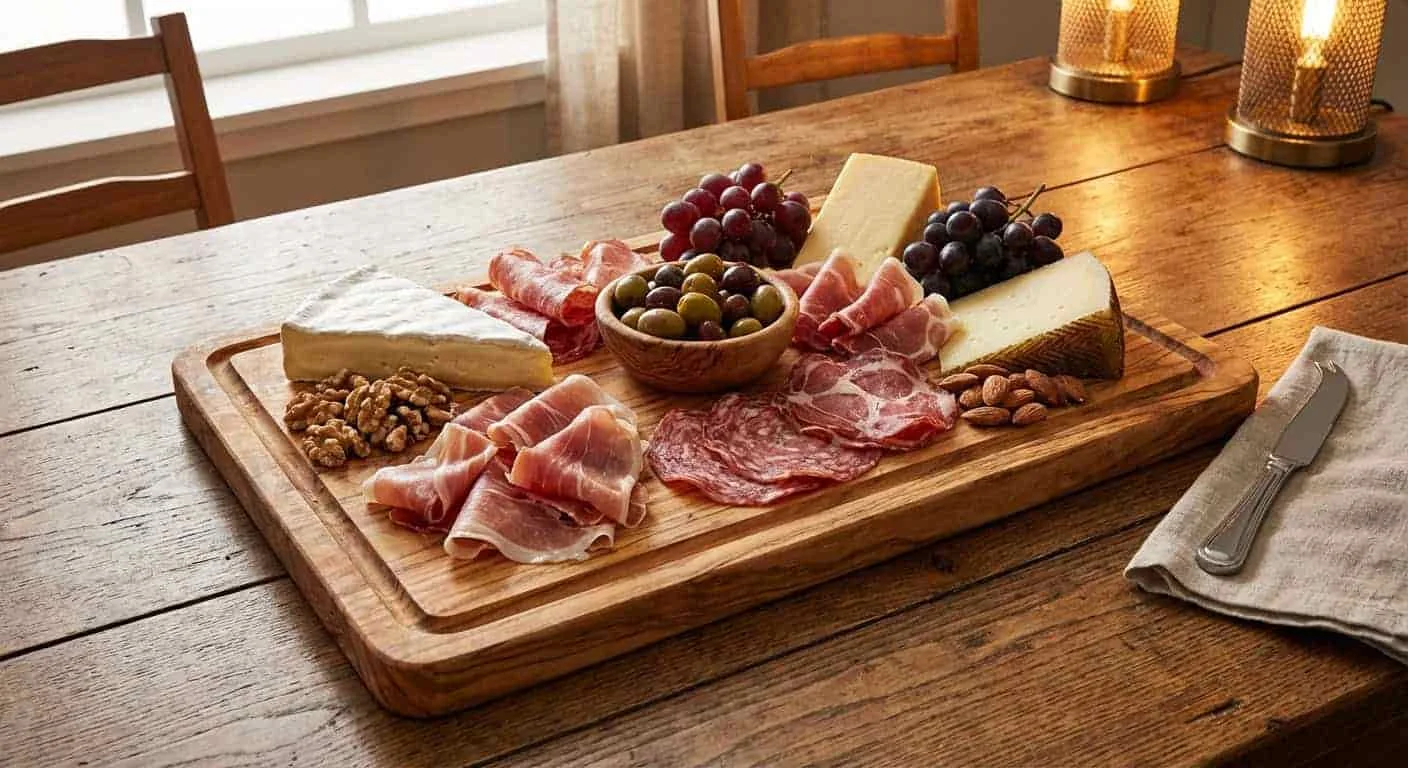
The dramatic, flowing grain patterns of olive wood are unlike any other commonly used hardwood. Boards can display ribbons of honey gold, dark chocolate, and caramel brown. No two pieces are identical, which is why olive wood cutting boards are often used as serving boards for cheese, charcuterie, and bread in addition to daily food prep tasks.
Natural Resistance and Hygiene
Like many hardwoods, olive wood displays a naturally tight grain structure. When finished and maintained with food‑safe oil, an olive wood board becomes less prone to deep water penetration. Combined with proper drying between uses, this helps minimize the risk of bacterial growth in board surfaces. For general information on wooden cutting board safety, resources like the United States Department of Agriculture (USDA) and food safety organizations such as FSIS provide up‑to‑date hygiene guidance.
Common Shapes and Styles of Olive Wood Boards
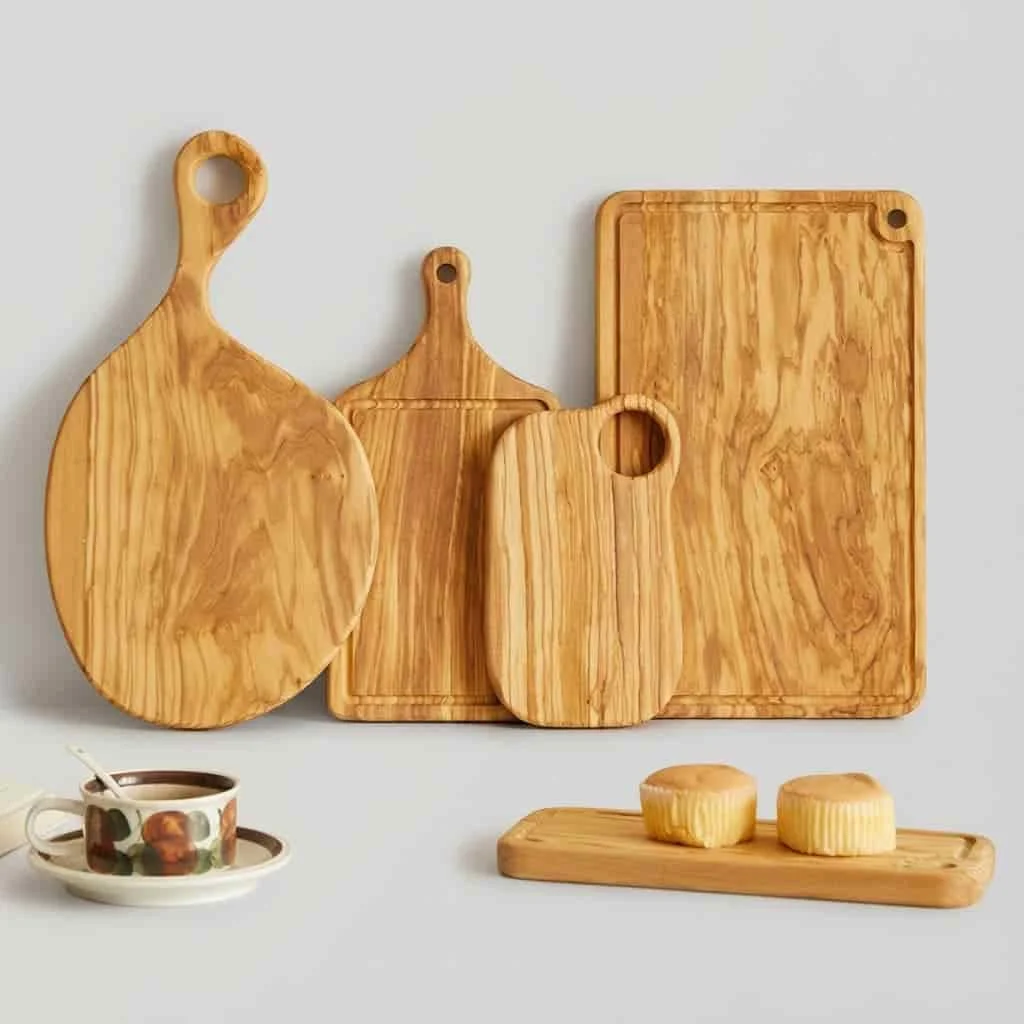
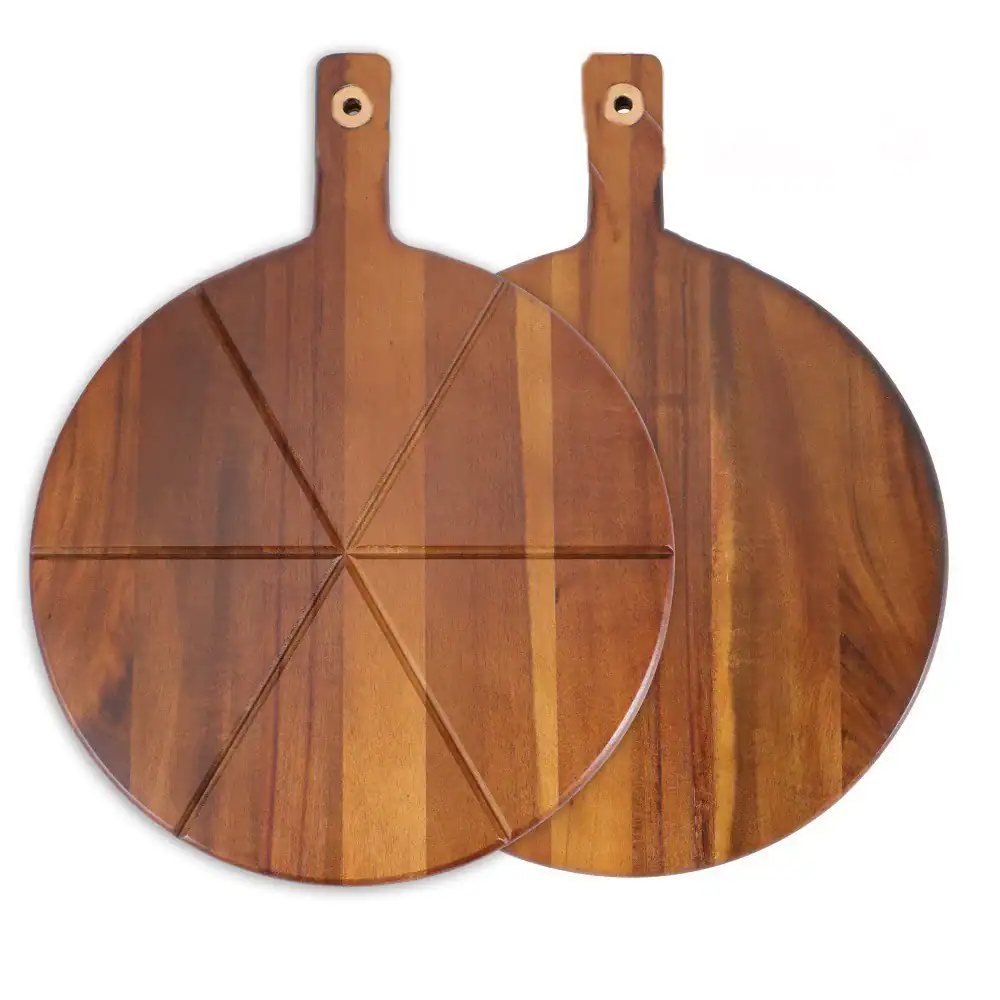
Because each slab of olive wood has a unique form, board makers and workshops create a rich variety of shapes and designs. On Hilonwood.com, you can find both classic rectangular olive wood cutting boards and more organic, live‑edge silhouettes that follow the natural curve of the tree.
Rectangular Everyday Boards
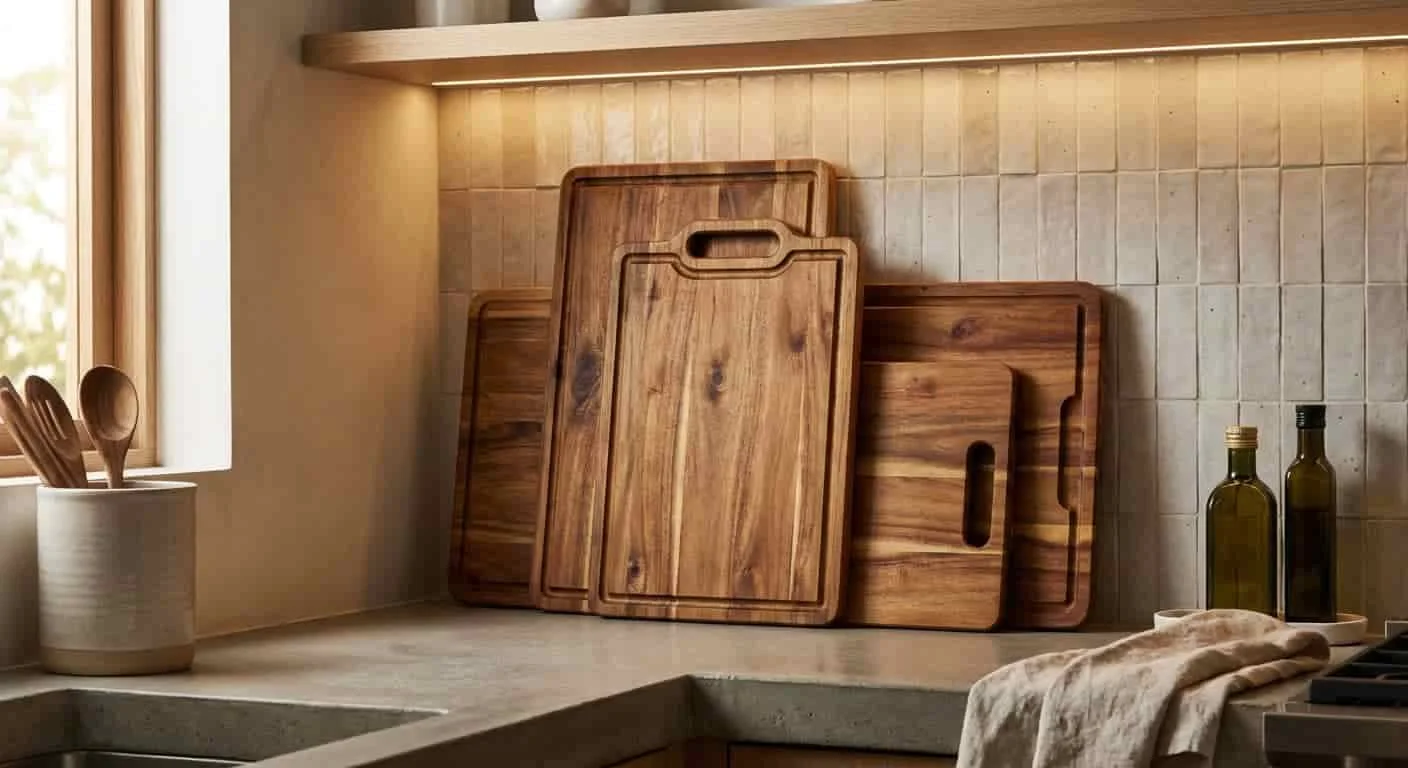
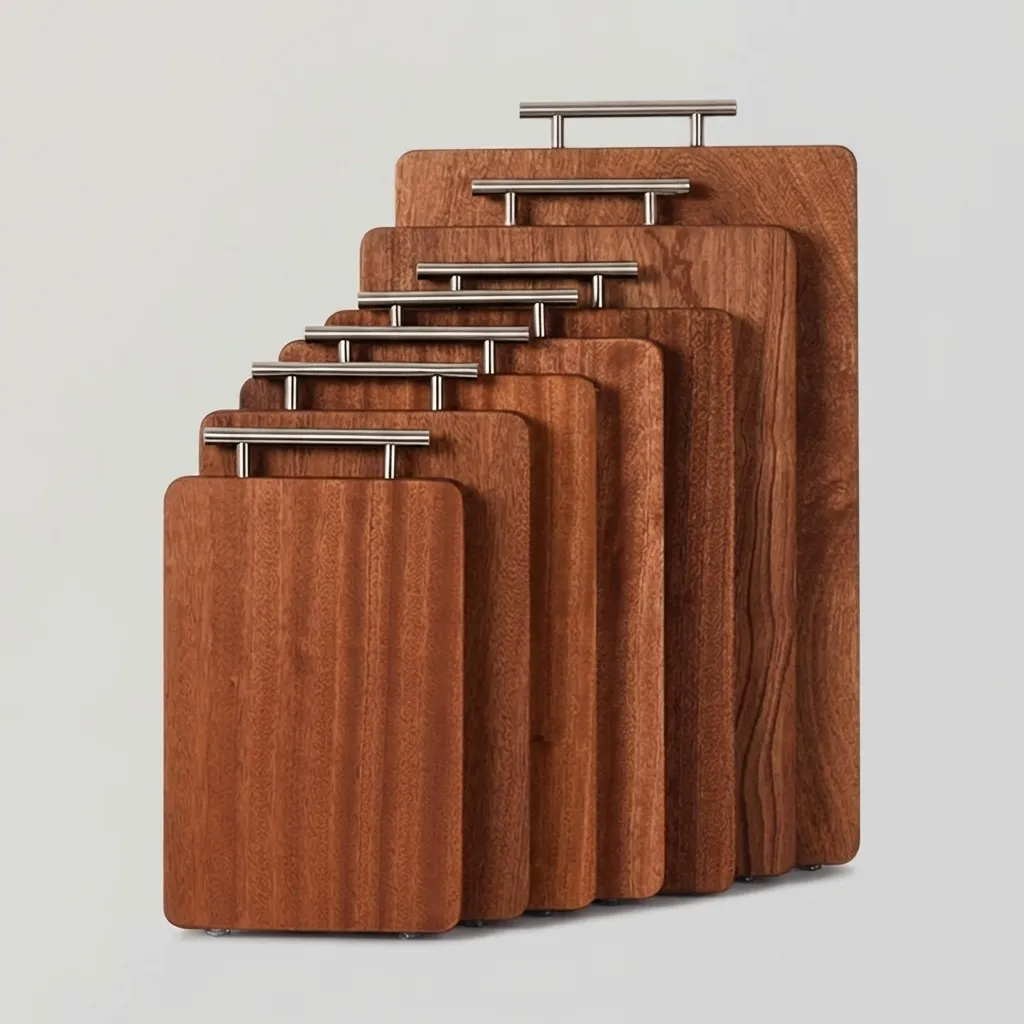
Rectangular olive wood cutting boards are versatile and efficient. They stack neatly, store easily, and provide maximum usable surface for chopping vegetables, slicing meat, or kneading dough. Many cooks prefer a moderately thick rectangular board for everyday use in the kitchen, and keep a thinner or more sculpted piece for serving.
Live-Edge and Organic Boards
Live-edge boards retain some of the natural contour of the trunk or branch. These pieces are particularly striking as serving platters for antipasti, sushi, or small bites. At a glance, you can tell they are handmade and not standard items.
Handle Designs and Juice Grooves
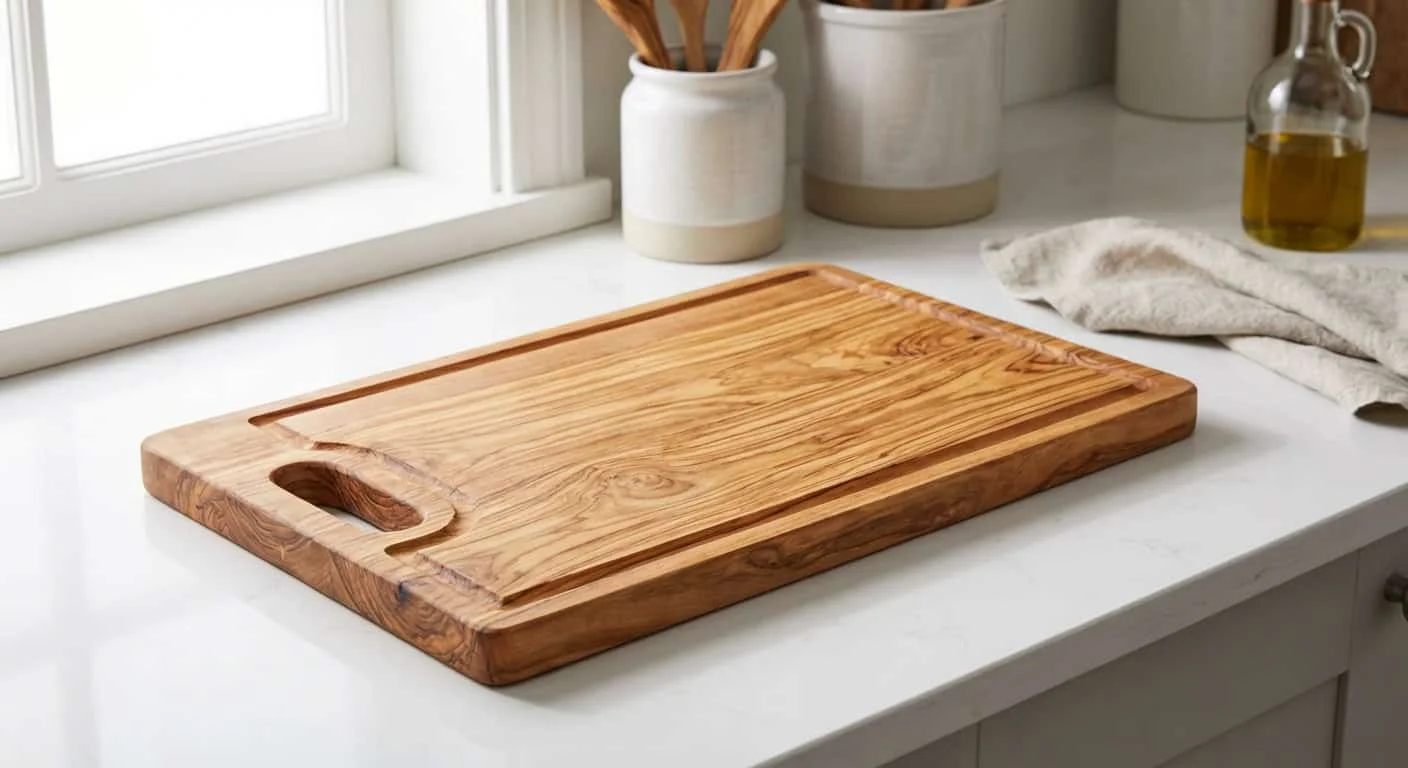
Many olive wood cutting boards incorporate a handle cutout or carved section for easy lifting. Some models add a carved juice groove around the perimeter, which is particularly useful when cutting fruit, roasted meat, or anything that releases liquid. These design details increase usability while preserving the natural beauty of the olive wood surface.
Choosing the Right Olive Wood Cutting Board Size and Thickness
Selecting the best olive wood cutting board for your kitchen depends on your cooking habits, available counter space, and how you intend to use the board. The table below offers a rough guide.
| Board Size | Best For | Advantages | Considerations |
|---|---|---|---|
| Small (20–30 cm / 8–12 in) | Cutting fruit, garnishes, small snacks | Easy to store, ideal for quick tasks | Limited cutting surface, not ideal for full meals |
| Medium (30–40 cm / 12–16 in) | Everyday cooking, vegetables, bread | Balanced size, fits most kitchens | May still be small for very large roasts |
| Large (40–50+ cm / 16–20+ in) | Family meals, carving, entertaining | Generous surface for complex prep | Requires more storage and counter space |
| Extra thick (3–5 cm / 1.2–2 in) | Heavy chopping, butcher‑style tasks | Very stable, long‑lasting | Heavier to move and clean |
When browsing olive wood cutting boards on Hilonwood.com, check the listed dimensions carefully and picture how the board will sit on your counter and how often you will move it. Many people find that owning one medium everyday board and one larger, more decorative olive wood serving board provides the ideal balance.
How Olive Wood Cutting Boards Are Made
Understanding how an olive wood cutting board is produced helps you appreciate the craftsmanship behind every piece and make better purchasing choices.
From Tree to Board
Olive trees are often harvested for wood only when they no longer bear fruit effectively or when they are pruned heavily. The logs are sawn into planks and then air‑ or kiln‑dried to reduce moisture content. This drying stage is crucial: properly seasoned olive wood is far less likely to warp or crack later.
Cutting, Shaping, and Sanding
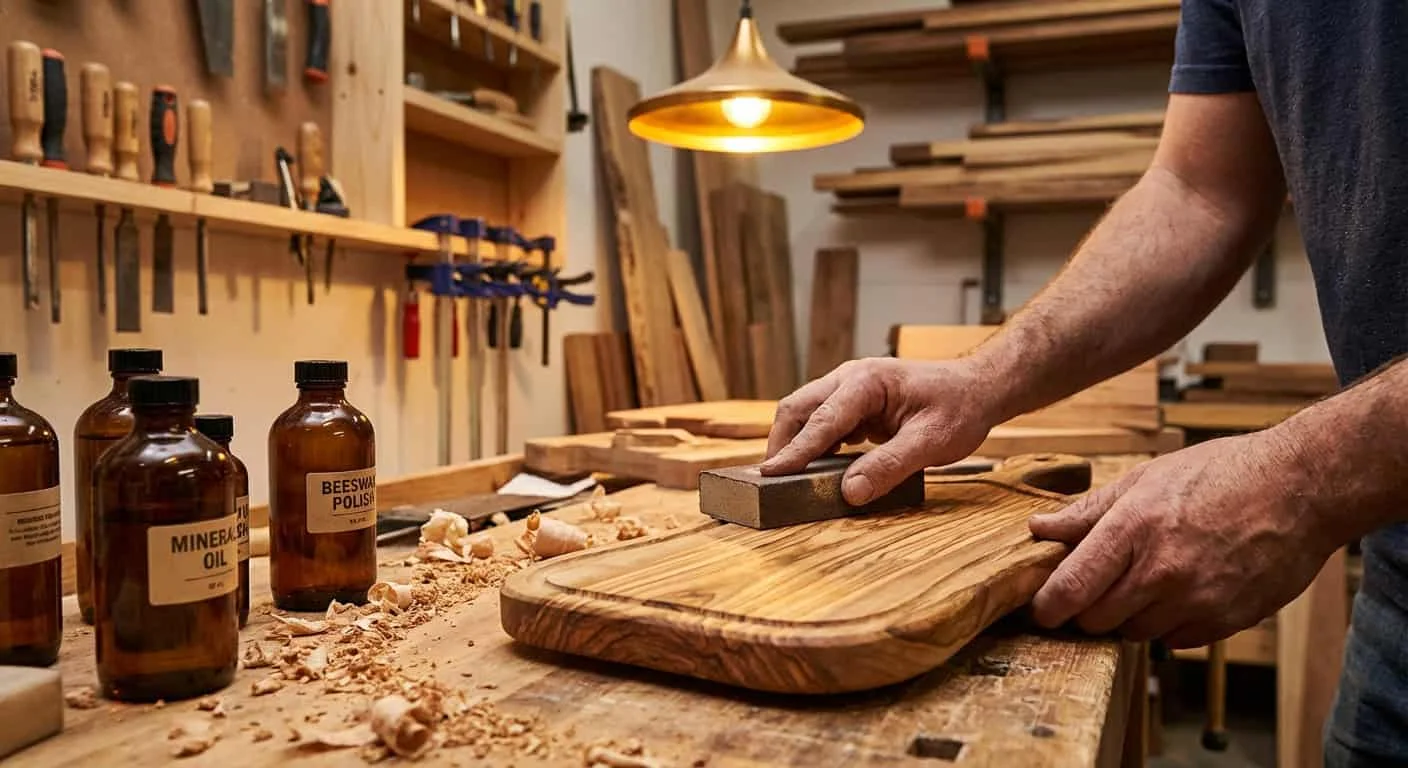
After drying, artisans or workshop teams cut the planks into rough board shapes, considering the natural grain to highlight the most beautiful patterns on the final surface. Edges are refined, handles are carved if needed, and every face is sanded progressively smoother to create a board that feels silky but still has enough texture to prevent food from slipping.
Oiling and Finishing
Most high‑quality olive wood cutting boards are finished with food‑safe oils such as mineral oil or a blend of oil and natural wax. This protects the wood from moisture and emphasizes the natural tones in the grain. At Hilonwood.com, the finishing process is designed to keep boards both practical for kitchen work and visually impressive as serving pieces.
Custom and Personalized Olive Wood Cutting Boards
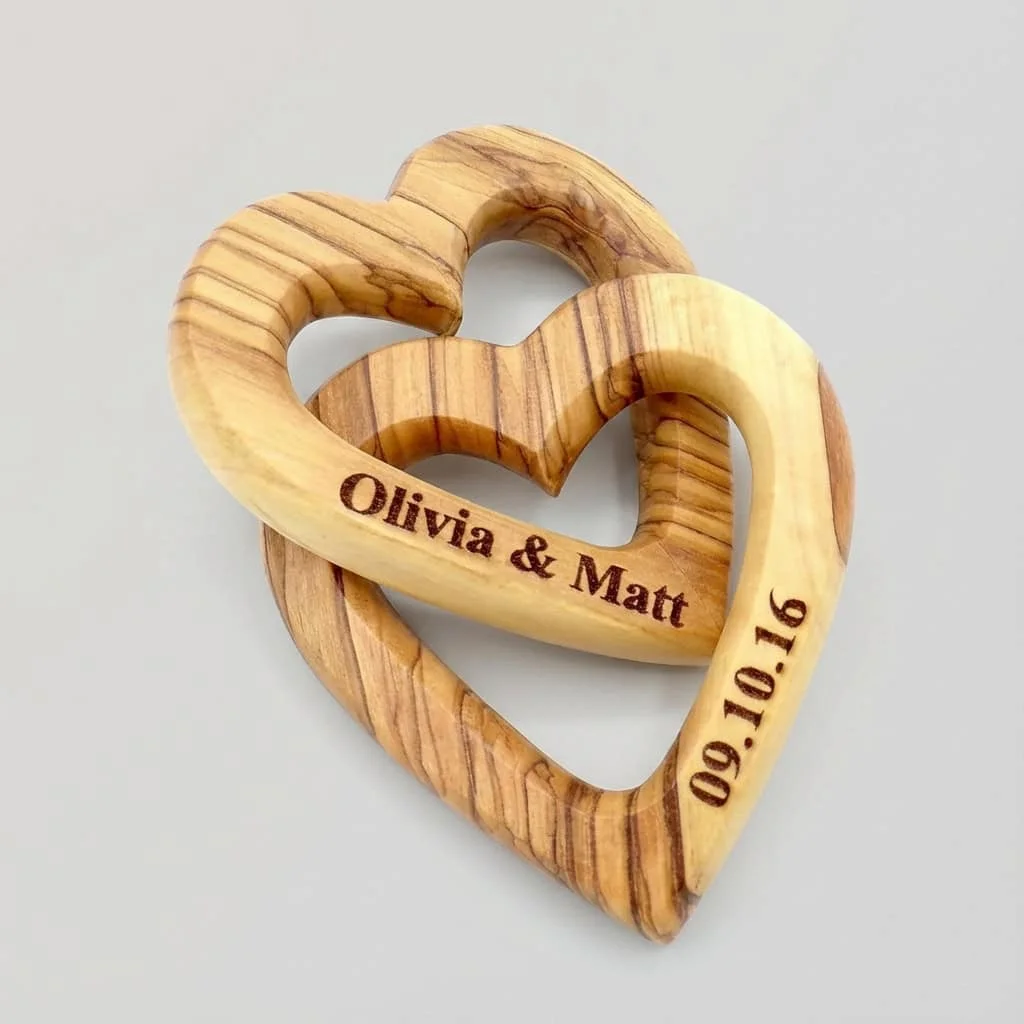
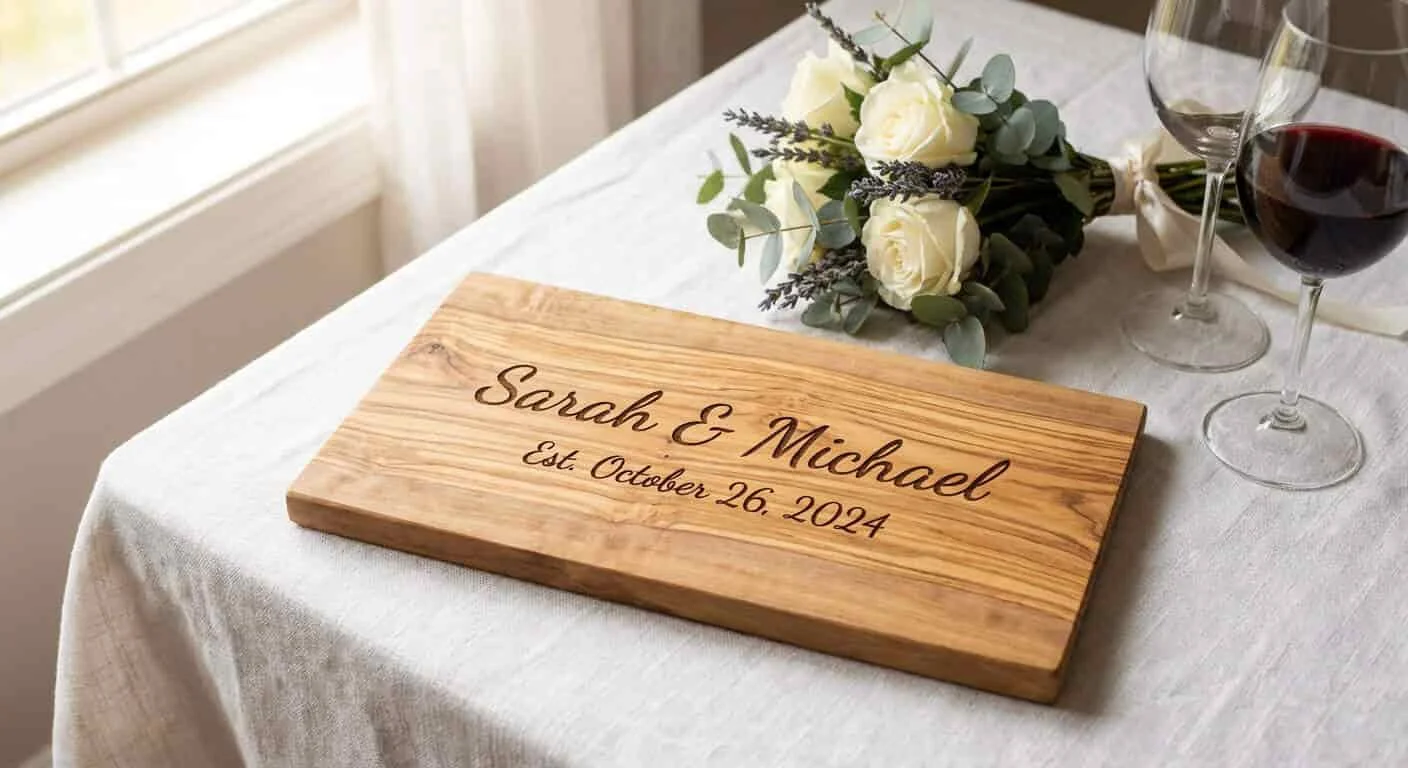
One of the major strengths of olive wood is the way it takes engraving and custom shaping. Personalized olive wood cutting boards are popular for weddings, anniversaries, corporate gifts, and new home celebrations.
Engraving Options
Depending on the workshop, engraving can include names, initials, dates, family crests, business logos, or short messages. Laser engraving is often used for crisp, detailed lines that remain visible even as the board develops a patina. At Hilonwood.com, you can explore custom engraving solutions via the dedicated custom service pages and contact forms, allowing you to specify fonts, placements, and layout details.
Custom Sizes and Shapes
Beyond engraving, some customers request non‑standard board dimensions to fit a particular countertop, sink, or serving arrangement. Because olive wood pieces vary naturally, custom cutting often works best when you communicate clearly with the workshop about size ranges and how you plan to use the board. For inspiration and information about custom projects, the Hilonwood blog shares stories and examples.
Daily Use: How to Use Olive Wood Cutting Boards in the Kitchen
Olive wood cutting boards are suitable for a broad range of tasks, from chopping vegetables and herbs to slicing cooked meat or serving fresh bread. With proper habits, you can keep your board both functional and beautiful.
Best Practices for Cutting and Chopping
Use sharp knives whenever possible; dull blades require more force and are more likely to leave deep marks. Distribute your cutting over the whole surface of the board rather than focusing on a single spot. If you regularly work with raw meat or fish, you may want to reserve one board for these tasks and another for vegetables or serving to minimize cross‑contamination.
Serving and Presentation Ideas
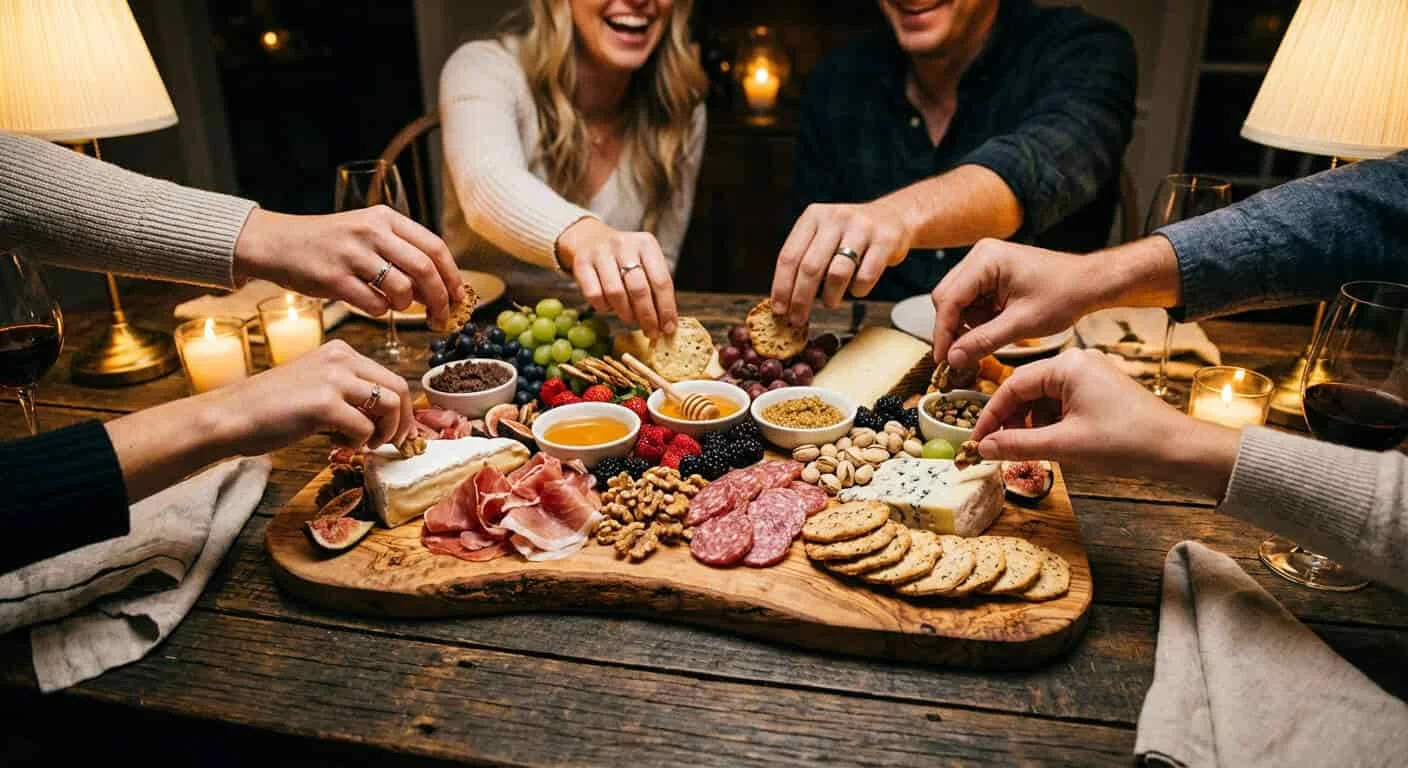
An olive wood cutting board easily doubles as a serving platter. Arrange cheeses, cured meats, olives, nuts, and sliced fruit directly on the wood for a rustic yet refined presentation. For bread, the gentle hardness of olive wood helps preserve crust texture. When hosting guests, a single large olive wood board can become the centerpiece of the table.
Cleaning and Caring for Olive Wood Cutting Boards
Proper care is essential to keep an olive wood cutting board in excellent condition for years. Fortunately, the necessary steps are simple and quick once you build them into your routine.
Daily Cleaning Steps
Immediately after use, scrape off any food residues gently with a spatula or the back of a knife. Wash the surface with warm water and a small amount of mild dish soap using a soft sponge. Avoid soaking the board in water or placing it in a dishwasher, as prolonged exposure to water and high heat can cause warping and cracks.
After washing, rinse thoroughly and dry the board with a clean towel. Set it upright or on edge in a ventilated area to allow air circulation on both sides. This helps prevent moisture from being trapped and reduces the risk of mold or odors.
Regular Oiling Routine
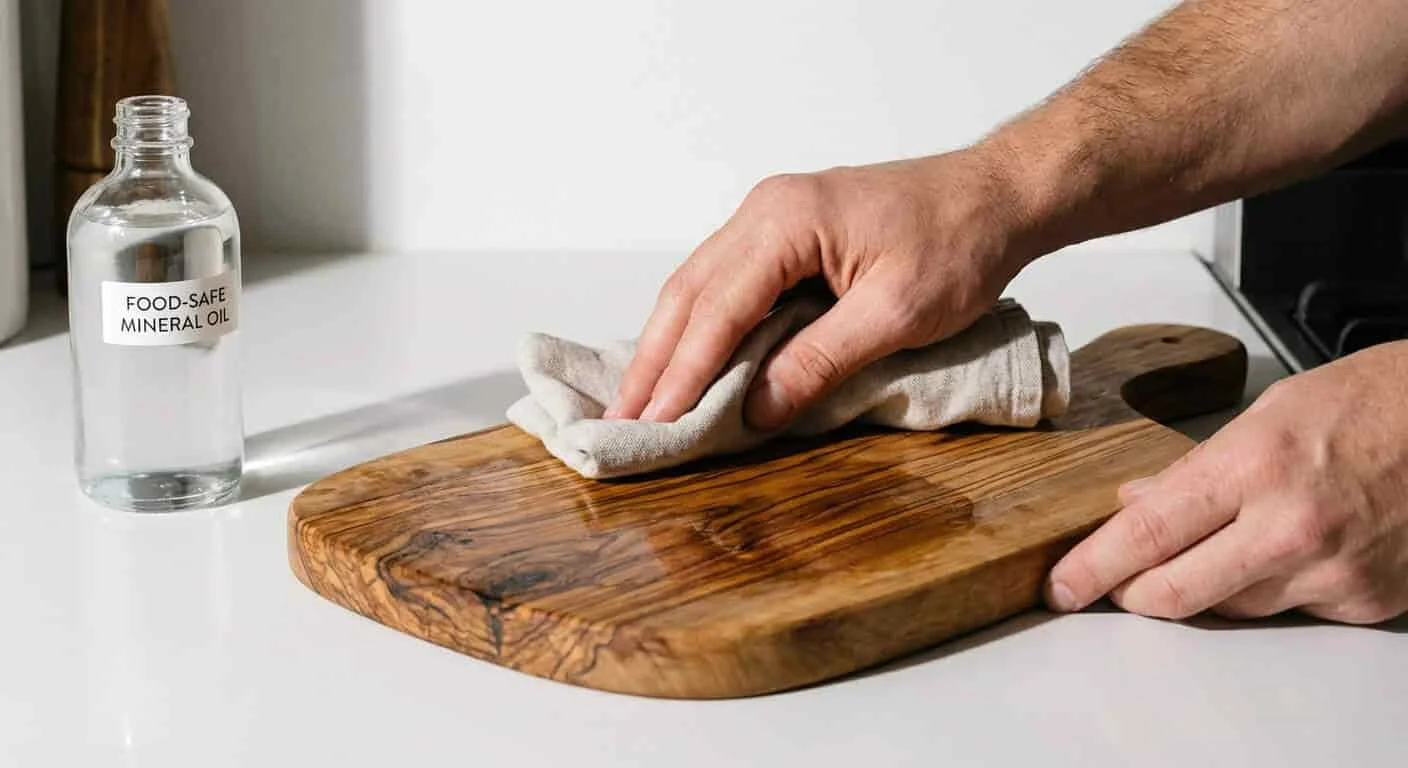
Oiling is crucial for maintaining the luster and stability of olive wood cutting boards. Every few weeks—or whenever the surface looks dry—apply a thin coat of food‑grade mineral oil or a specialized board conditioner. Spread the oil evenly with a soft cloth, let it soak in for several hours or overnight, and then wipe off any excess.
This simple process nourishes the wood fibers, enhances the contrast in the grain, and provides an additional barrier against moisture. Hilonwood.com often recommends a maintenance schedule in the product description or care instructions that come with each board.
Deodorizing and Stain Management
Strong‑smelling ingredients like garlic, onion, or fish can leave odors on any cutting board, including olive wood. To freshen your board, sprinkle coarse salt or baking soda over the surface, rub gently with half a lemon, and then rinse quickly with warm water and dry thoroughly. For minor stains, this method often works well. More serious discoloration typically fades over time as the board develops a uniform patina.
How Long Do Olive Wood Cutting Boards Last?
With proper care, an olive wood cutting board can last for many years and may accompany you through multiple kitchens. Lifespan depends mostly on three factors: moisture exposure, physical impact, and maintenance.
Moisture and Heat Exposure
Repeated soaking, exposure to very hot water, or leaving a board in direct sun or near a heat source accelerates cracking and warping. Keeping your olive wood cutting board out of the dishwasher and drying it quickly after hand‑washing are the most important habits for longevity.
Resurfacing and Refreshing
Over time, knife marks and normal wear may roughen the surface. If the board is otherwise sound, you can refresh it by lightly sanding with fine‑grit sandpaper along the grain, wiping away the dust, and re‑oiling thoroughly. This simple resurfacing often makes an older olive wood cutting board feel almost new again.
Comparing Olive Wood Cutting Boards for Home Cooks and Professionals
Olive wood cutting boards work well in both home kitchens and certain professional settings, though the priorities of each user group can differ. The following table summarizes key considerations.
| User Type | Primary Needs | Olive Wood Advantages | Points to Keep in Mind |
|---|---|---|---|
| Home Cook | Balance of function and aesthetics | Decorative appeal, long‑lasting, doubles as serving board | Requires hand‑washing and oiling; not dishwasher‑safe |
| Professional Chef | Durability, efficiency, hygiene | Stable surface, good knife feel, premium presentation for pass or service | May complement, not replace, large commercial prep boards |
| Entertainer/Host | Presentation and versatility | Striking centerpieces for cheese, charcuterie, and shared plates | Surface should be maintained frequently for impeccable appearance |
Many professionals use large plastic or rubber boards for heavy prep and keep olive wood cutting boards for plating, carving at the table, or presenting shared dishes. Home cooks, on the other hand, often rely on an olive wood board for both daily prep and occasional entertaining.
Olive Wood Cutting Boards as Gifts
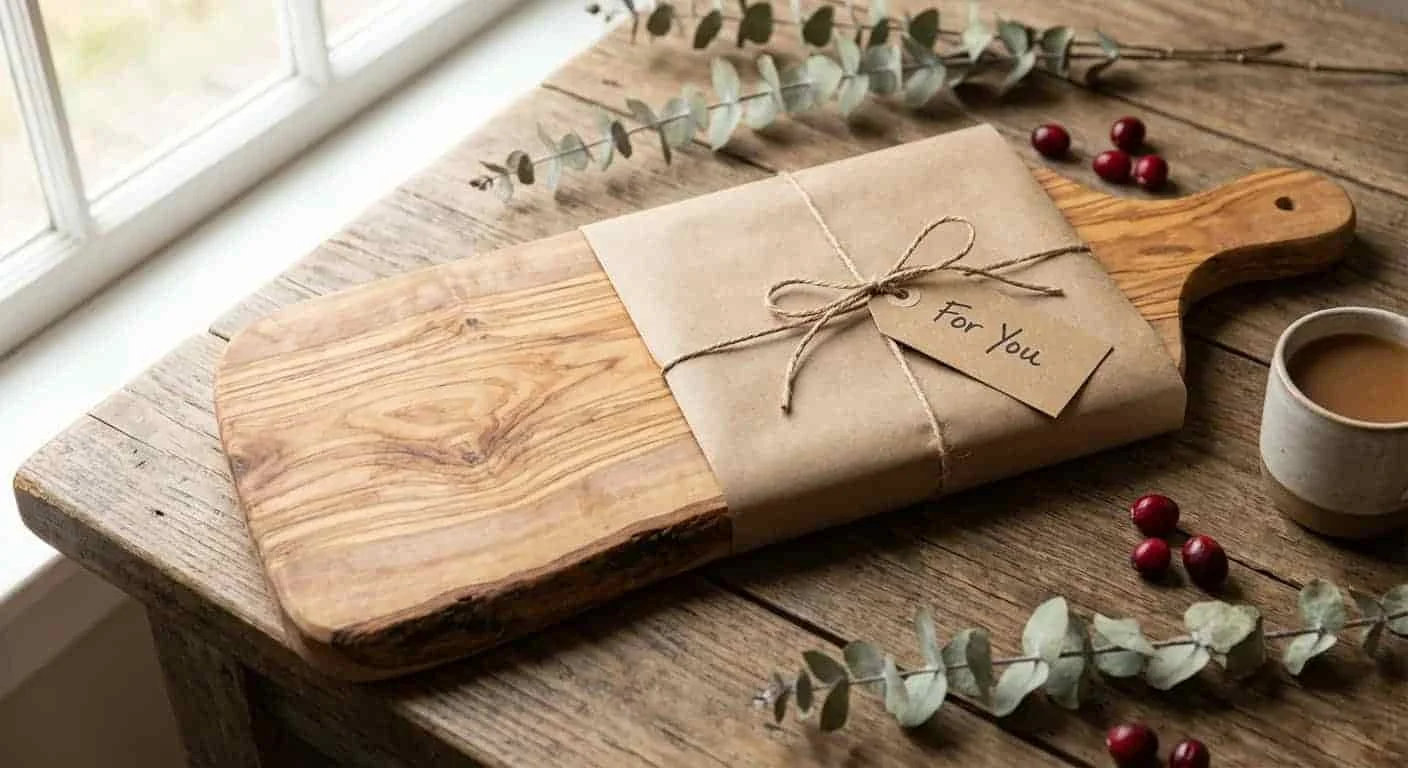
An olive wood cutting board is a thoughtful and practical gift that suits many occasions: weddings, anniversaries, new homes, birthdays, and holidays. Because each piece is unique, the recipient receives not just another kitchen accessory but a handcrafted object with its own character.
Personalized Gift Ideas
Pair an engraved olive wood cutting board with a high‑quality chef’s knife, a bottle of extra‑virgin olive oil, or a small cookbook to create a cohesive gift set. Many customers at Hilonwood.com choose to engrave the couple’s names and wedding date, a short inspiring quote, or a family recipe title on the board. This transforms a functional object into a keepsake that often remains in use for decades.
Conclusion: Is an Olive Wood Cutting Board Right for You?
Olive wood cutting boards combine natural beauty, durability, and versatility in a way few kitchen tools can match. Their rich grain patterns and warm tones make them as suitable for serving and decoration as for everyday chopping and slicing. With straightforward maintenance—hand‑washing, regular oiling, and proper drying—an olive wood cutting board can remain a reliable partner in your kitchen for many years.
If you value handcrafted quality, sustainable sourcing, and the option to personalize your tools, an olive wood cutting board from a dedicated woodworking brand is an excellent investment. Explore the range of designs, sizes, and custom options at Hilonwood.com to find a board that matches your cooking style, aesthetic preferences, and gifting needs.