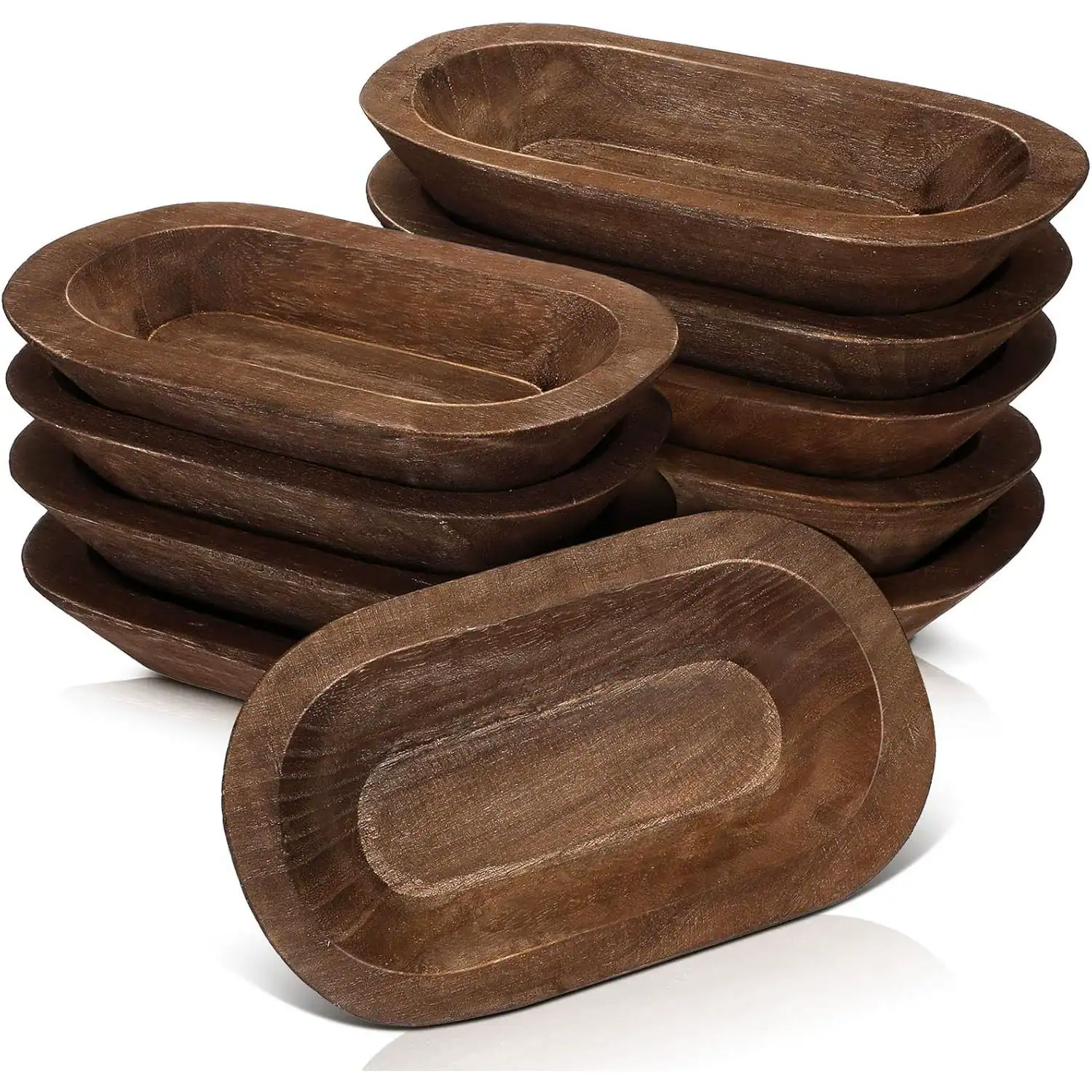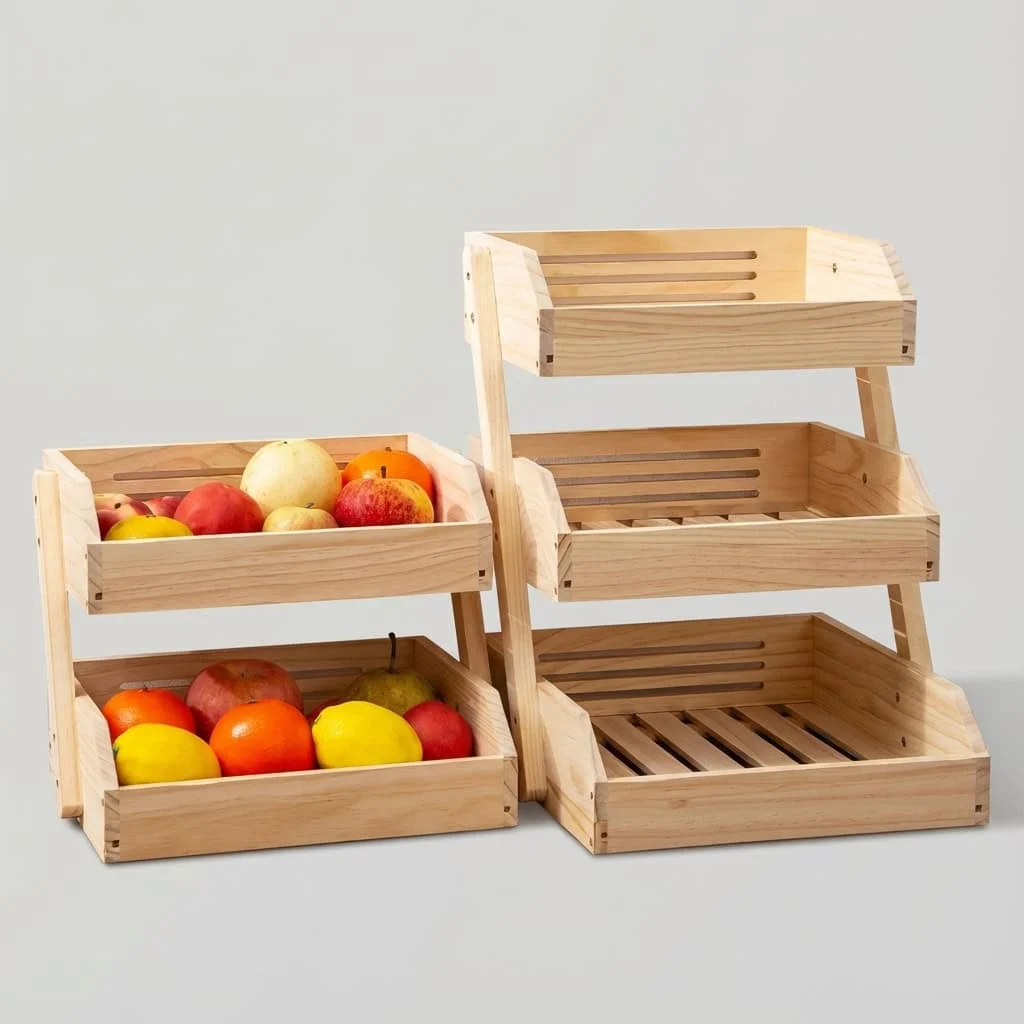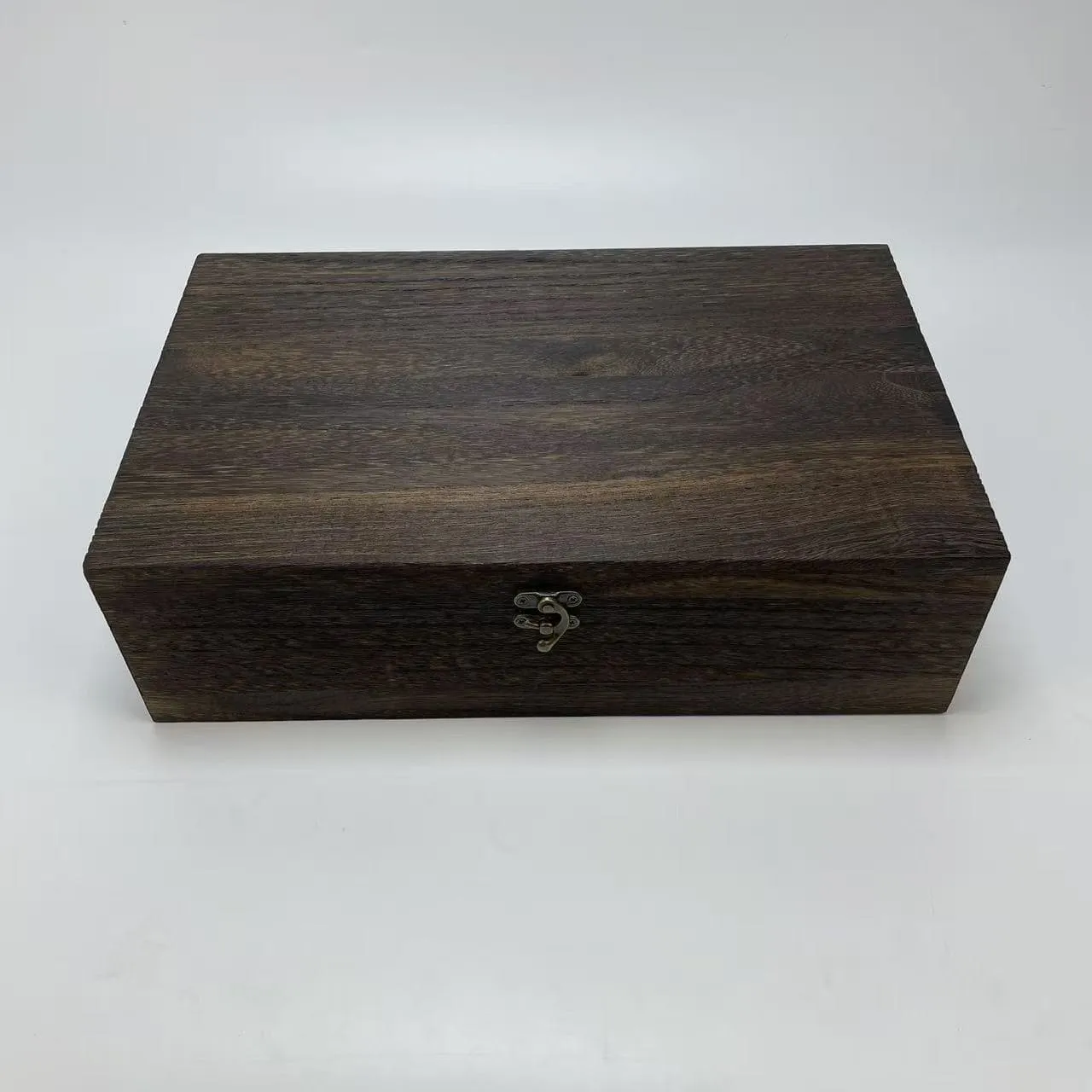
Wooden bowls sourcing is one of the most efficient ways for retailers, brands, and hospitality buyers to build a high‑value, natural tableware collection with strong margins and clear differentiation from plastic or ceramic products.
Whether you operate an e‑commerce brand, a gift and home store, a restaurant chain, or a promotional products company, understanding materials, finishes, and customization options will help you choose the right wooden bowl supplier and avoid costly quality issues. At Hilonwood.com, we focus on OEM and custom wooden products, so this guide draws on real manufacturing experience rather than just theory.
Why Wooden Bowls Are a Strong Category
Wooden bowls have become a core category in kitchenware, home décor, and hospitality because they combine natural aesthetics, durability, and a warm hand feel that many customers now prefer over plastic and glass.
From a wholesale and sourcing perspective, wooden bowls are attractive because they are light to ship, difficult to commoditize when customized well, and can be positioned from entry‑level to premium depending on material and finish.
Main Benefits for Retailers and Brands
For buyers and importers, wooden bowls can improve assortment depth and brand storytelling. The table below summarizes the main advantages from a commercial point of view.
| Benefit | Impact for Wholesale Buyers |
|---|---|
| Natural, warm appearance | Supports eco‑friendly and lifestyle branding, ideal for product photography and social content. |
| Wide material range | Allows different price levels, from mass‑market rubberwood to premium acacia or walnut. |
| Lightweight but sturdy | Reduces shipping cost and breakage rate compared with glass or ceramic bowls. |
| Strong customization options | Logo engraving, custom shapes, and finishes make it easier to avoid price wars. |
| Cross‑category selling | Works for kitchenware, décor, gifting, hotel & restaurant supply, and promotional products. |
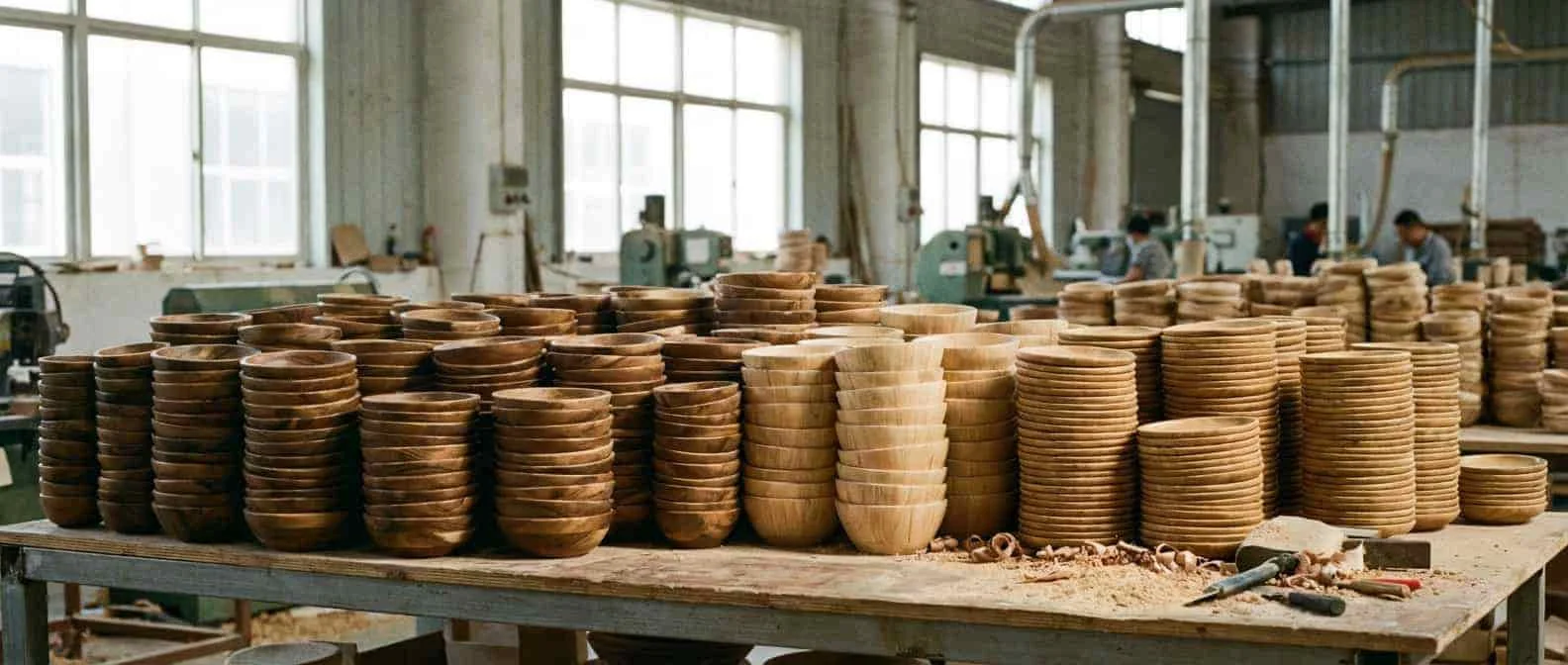
Key Wood Materials Used in Wooden Bowls
Choosing the right wood material is the first major decision when you plan a wooden bowls wholesale program. Material directly affects appearance, density, durability, price, and even which finishes are most suitable.
Below we compare the species most commonly used in production-scale production, especially for export markets that require stable quality and food‑safe compliance.
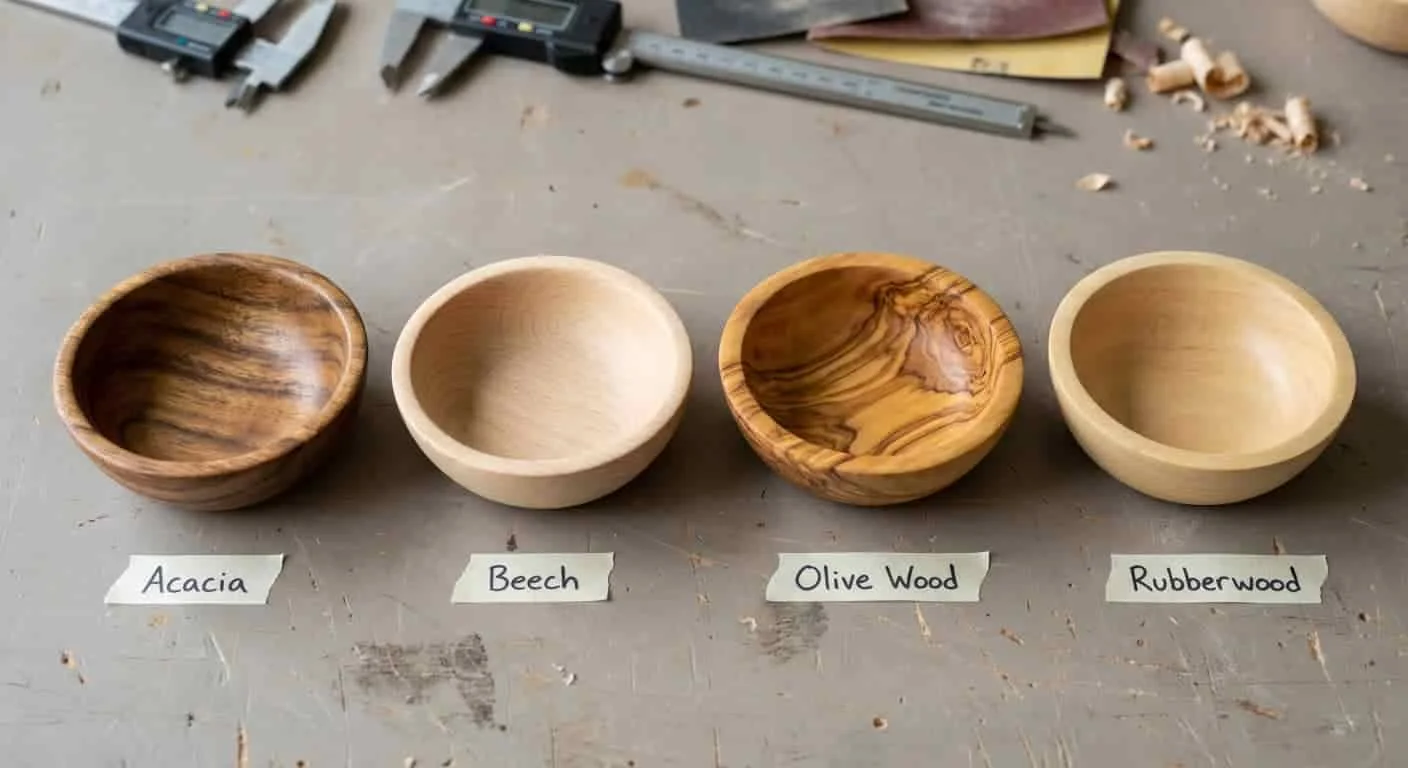
Acacia Wood Bowls
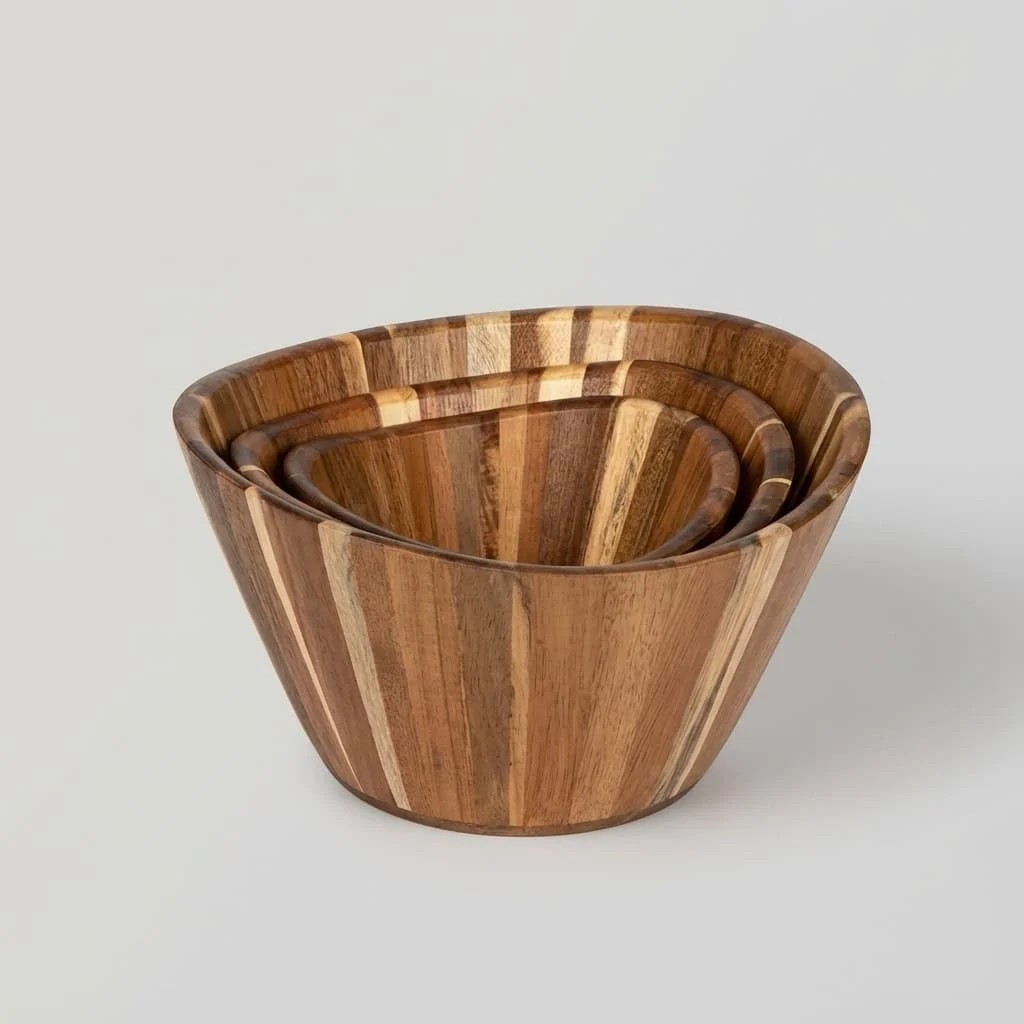
Acacia is one of the most popular choices for wooden salad bowls in the mid‑to‑high market segment. It has a rich, warm color and striking grain variation that looks premium in photos and on shelves.
| Aspect | Details for Wholesale Buyers |
|---|---|
| Appearance | Medium to dark brown with golden highlights; visible grain patterns; each bowl looks unique. |
| Density & weight | Medium‑heavy; feels solid and premium in hand but still reasonable for shipping. |
| Price level | Above beech and rubberwood; suitable for brands with higher retail pricing. |
| Best use cases | Display salad bowls, serving bowls, gift sets, branded restaurant tableware. |
At Hilonwood, acacia is frequently used in kitchenware collections that combine bowls, serving boards, and trays with a consistent grain and color.
Rubberwood Bowls
Rubberwood comes from plantation trees that have finished their latex‑producing cycle, making it a sustainable and cost‑effective option. It is widely used for mid‑range wooden bowls wholesale orders.
| Aspect | Details for Wholesale Buyers |
|---|---|
| Appearance | Light cream to pale brown; relatively uniform; can be stained darker or color‑washed. |
| Density & weight | Medium density; comfortable weight; good dimensional stability for machine turning. |
| Price level | More economical than acacia and walnut; ideal for volume‑driven projects. |
| Best use cases | Everyday cereal bowls, snack bowls, kids’ bowls with colored finishes, promotional sets. |
Rubberwood takes colored lacquer and water‑based paints well, which is useful when you want a brand signature color or coordinated collection.
Beech Wood Bowls
Beech is a traditional European hardwood used for kitchen tools and tableware because of its fine, even texture and consistent color.
For wooden bowls wholesale, beech offers a good balance of cost, hardness, and a clean look that suits Scandinavian and minimalist branding.
| Aspect | Details for Wholesale Buyers |
|---|---|
| Appearance | Light pinkish‑brown; fine grain; subtle and clean, ideal for light oil finishes. |
| Density & weight | Relatively hard and dense; very durable for frequent use. |
| Price level | Similar to or slightly above rubberwood depending on supply; still affordable in bulk. |
| Best use cases | Minimalist serving bowls, restaurant bowls, white‑label private‑brand lines. |
Bamboo Bowls
Bamboo is technically a grass, but in manufacturing it behaves similarly to engineered wood. It is processed into boards or laminated blocks and then turned into bowls.
Because bamboo is fast‑growing and highly renewable, it is often marketed as an eco‑friendly material. For wholesale buyers, it can be a strategic choice for green or sustainable product lines.
| Aspect | Details for Wholesale Buyers |
|---|---|
| Appearance | Straight grain pattern with visible nodes; naturally light yellow‑brown; can be carbonized for a darker tone. |
| Density & weight | Medium density; good strength‑to‑weight ratio; stable when properly laminated. |
| Price level | Competitive for large orders; good cost‑performance in eco lines. |
| Best use cases | Eco‑branded salad bowls, kids’ sets, casual dining tableware, promotional giveaways. |
Premium Hardwoods: Walnut and Others
For premium wooden bowls wholesale projects, especially for boutique brands or high‑end hospitality, walnut and other dark hardwoods are sometimes used.
They provide a deep, luxurious color with strong visual impact but come at a higher raw material and manufacturing cost.
| Aspect | Details for Wholesale Buyers |
|---|---|
| Appearance | Deep chocolate brown; elegant and upscale; ideal for minimalistic premium branding. |
| Density & weight | Relatively heavy and very durable; conveys a luxury feel. |
| Price level | High; recommended for niche or high‑margin products rather than mass market. |
| Best use cases | Designer salad bowls, corporate gifts, limited editions, chef‑driven restaurant concepts. |
Understanding Wooden Bowl Construction and Shapes
Besides species, construction method, wall thickness, and bowl shape play a major role in cost and final customer experience.
Turned Solid Wood vs. Laminated Construction
Most manufacturer-produced bowls use one of two methods: turning from a solid block or turning from laminated pieces glued together. Each method has implications for stability and price.
| Construction Type | Characteristics | Recommended Scenarios |
|---|---|---|
| Turned from solid block | More natural grain flow; fewer glue lines; higher material waste; slightly higher cost. | Premium acacia or walnut bowls, small production runs, brands emphasizing craftsmanship. |
| Laminated and then turned | Multiple pieces glued and pressed before turning; better material utilization; more consistent cost. | Large volumes, bamboo bowls, mid‑range rubberwood or beech bowls, color‑blocked designs. |
For many wooden bowls wholesale programs, laminated production is the most cost‑effective while still delivering stable quality when done with food‑safe adhesives and proper pressing.
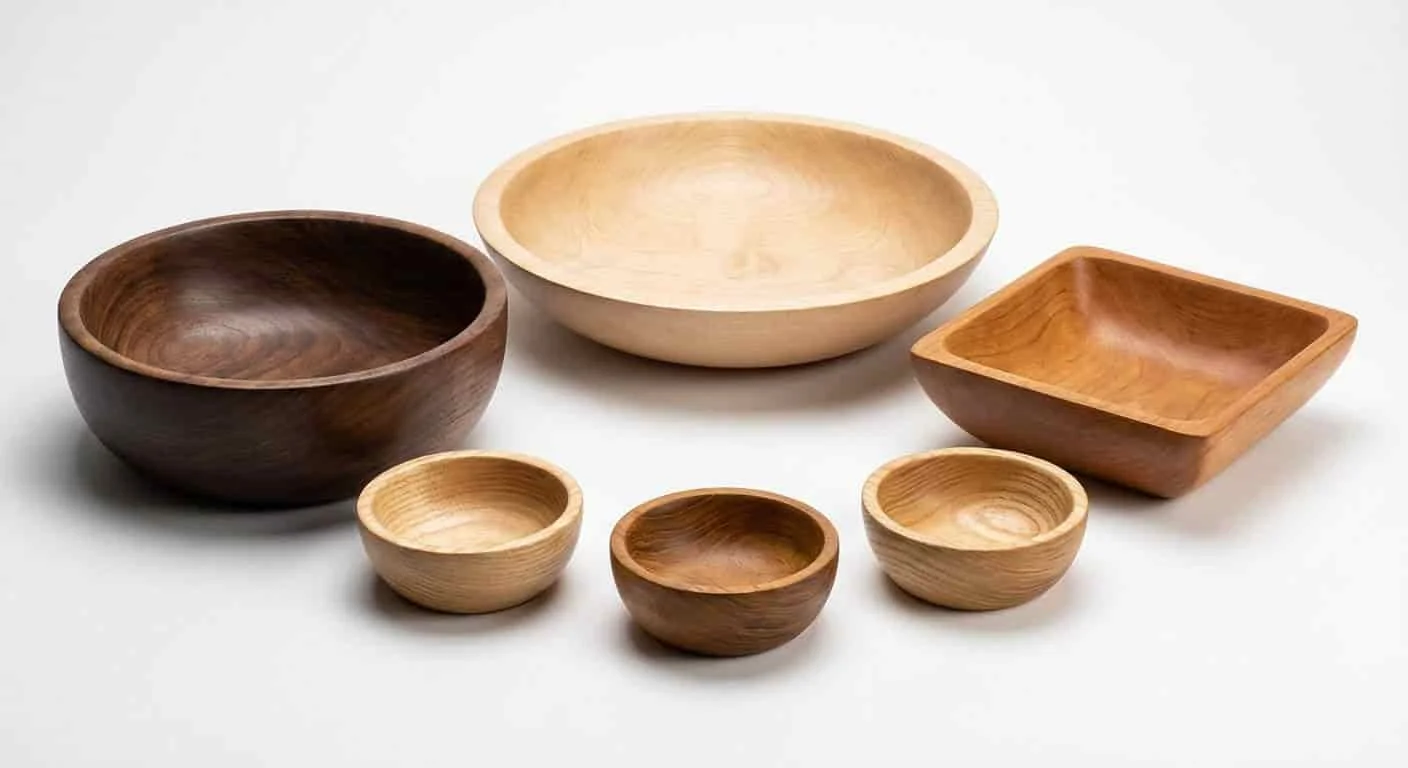
Common Bowl Shapes and Their Uses
Shape affects not only aesthetics but also how your target customers will use the bowl. When working with a manufacturer like Hilonwood on custom designs, it is crucial to align the bowl profile with usage scenarios.
| Bowl Shape | Typical Diameter Range | Best Applications |
|---|---|---|
| Deep round | 10–28 cm | Cereal, soup, rice, small salads; everyday family use; restaurant side dishes. |
| Wide shallow | 20–35 cm | Family salad bowls, fruit bowls, centerpiece display in home décor. |
| Square or rounded‑square | 18–30 cm | Modern table settings, buffet displays, brand‑driven aesthetics in hospitality. |
| Small dipping / snack | 6–12 cm | Nuts, sauces, tapas; gift sets and bundled kitchen collections. |
Food-Safe Finishes for Wooden Bowls
Finishing is one of the most critical topics for wooden bowls wholesale buyers. The finish controls protection against moisture and staining, tactile feel, color, and compliance with food‑contact regulations in your target market.
Reputable suppliers follow standards and testing similar to guidelines from organizations such as the U.S. FDA’s food‑contact recommendations and EU regulations on food‑contact materials. Always confirm which standards your supplier can meet.
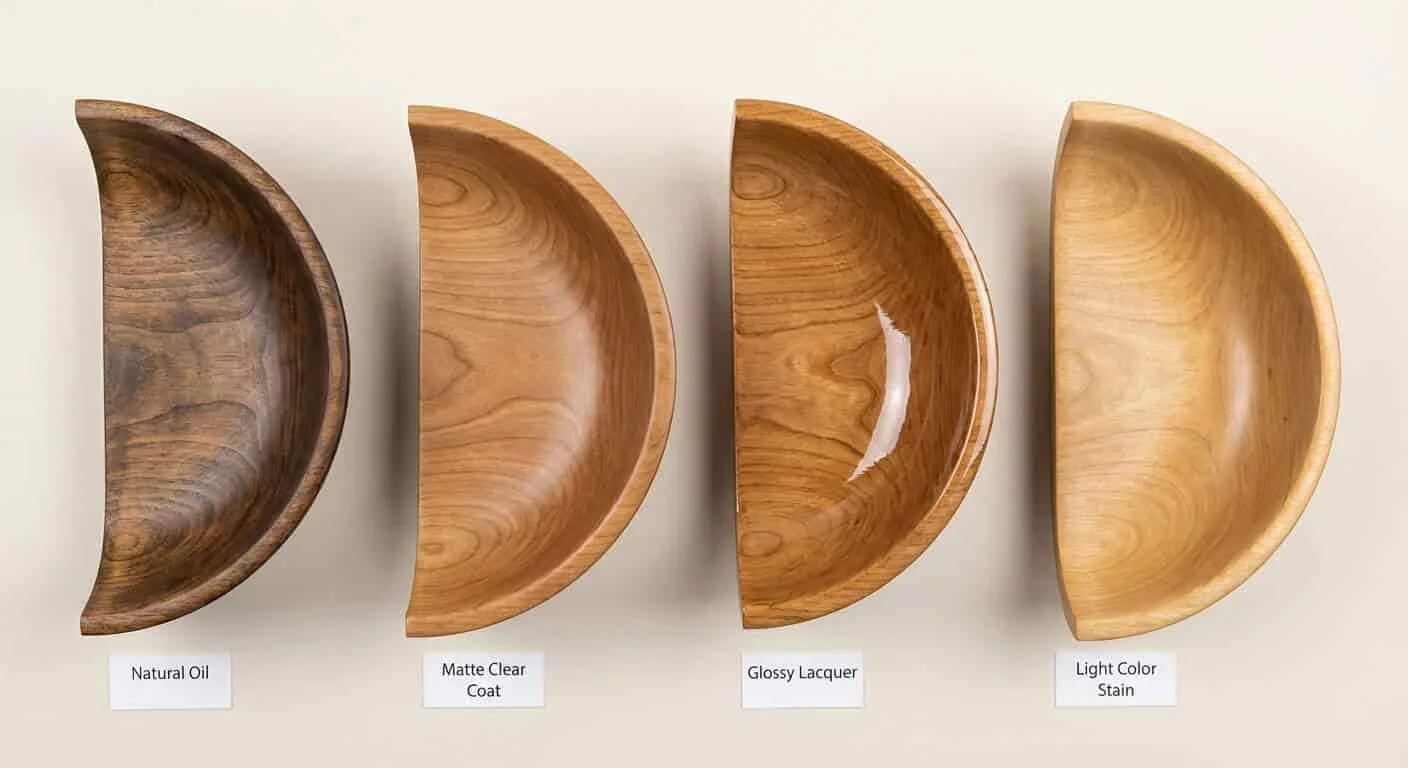
Oil Finishes
Oil finishes penetrate the wood fibers and highlight the natural grain without forming a thick film on the surface.
Common options include mineral oil, walnut oil, and blended food‑safe oils specially formulated for wooden kitchenware.
| Feature | Impact |
|---|---|
| Look & feel | Natural, warm, matte to satin sheen; wood texture is clearly visible and tactile. |
| Protection level | Good for everyday use but requires periodic re‑oiling by the end user. |
| Best used on | Acacia, beech, walnut and other attractive hardwoods where you want grain to stand out. |
Oil‑finished bowls are often positioned as more natural and artisanal. In your product pages and packaging, you can educate customers about simple maintenance, such as re‑oiling every few months.
Lacquer and Clear Coat Finishes
Clear coats and lacquers create a thin protective film on top of the wood. These can be glossy, semi‑gloss, or matte, depending on your brand’s design direction.
Modern, well‑formulated finishes can be water‑based and food‑safe once fully cured. They offer stronger stain and moisture resistance than pure oil finishes.
| Feature | Impact |
|---|---|
| Look & feel | From matte to glossy; smoother surface; more uniform appearance between pieces. |
| Protection level | Higher resistance to staining and moisture; easier to clean for restaurants and hotels. |
| Best used on | Rubberwood, bamboo, and bowls used heavily with liquids, sauces, or colored foods. |
Many restaurant buyers choose lacquered wooden bowls for their back‑of‑house efficiency and consistent appearance across large orders.
Colored and Stained Finishes
When your brand identity relies on color, stained or painted finishes are an important tool. Wooden bowls can be stained into deeper browns, charcoals, or washed colors, or painted externally while keeping the interior natural.
This dual‑tone approach is common in branded kids’ tableware, lifestyle gift sets, and seasonal collections.
| Finish Type | Advantages | Notes for Branding |
|---|---|---|
| Wood stain | Maintains visible grain; allows darker or more uniform tone. | Good for premium lines needing color consistency across different wood batches. |
| Color lacquer / paint | Strong visual identity; easy to match Pantone or brand colors. | Often used on bowl exterior; interior kept neutral for food appeal and safety. |
When you work with Hilonwood on custom colors, you can submit physical color chips or Pantone codes for lab color‑matching before mass production.
Essential Food Safety and Compliance Considerations
For any wooden bowls sourcing program intended for food contact, safety and compliance cannot be an afterthought. Non‑compliant finishes or adhesives can trigger customs problems, returns, or damage to your brand reputation.
Key Compliance Points
Different markets have different food‑contact requirements, but the underlying principles are similar. As a buyer, you should clarify with your supplier:
1. Which food‑contact standards they normally produce for (such as EU LFGB, U.S. FDA‑style food contact guidance, or other local norms).
2. What test reports are available for finishes and glues used in production.
3. Whether they can help coordinate third‑party lab testing for your specific project and destination market.
Professional manufacturers like Hilonwood can share previous test reports as reference and arrange new lab tests for custom projects when required by importers or large retail chains.
Care Instructions and End-User Safety
Even when products are correctly manufactured, misuse by end customers can cause cracks, warping, or finish damage. Clear care instructions are part of a safe and professional sourcing program.
| Care Topic | Recommended Guidance for Customers |
|---|---|
| Dishwasher use | Generally not recommended; hand wash only with mild soap and dry thoroughly. |
| Soaking | Avoid long soaking in water; do not leave submerged in sinks. |
| Heat exposure | Keep away from direct heat sources or microwaves to avoid cracking and warping. |
| Maintenance | Re‑oil periodically if using oil finishes; avoid harsh chemicals or abrasive scrubbers. |
Adding this information to your packaging and online product descriptions reduces return rates and customer complaints.
Customization Options for Wholesale Wooden Bowls
One of the main reasons brands and retailers turn to wooden bowls wholesale instead of buying ready‑made items is the high level of customization possible. From dimensions and shapes to logos and packaging, you can build a line that is difficult for competitors to copy quickly.
Shape, Size, and Set Configuration
Custom sizing allows you to coordinate wooden salad bowls, cereal bowls, and snack bowls into functionally coherent sets. Buyers should think about how different bowls will nest, how they will be packed, and what the final retail price ladder looks like.
Common set configurations include:
• A single large salad bowl with matching wooden servers.
• A nesting set of three or four bowls in gradually decreasing diameters.
• Multiple small bowls in a gift box for sauces, snacks, or mezze dishes.
Working with an experienced supplier like Hilonwood makes it easier to balance aesthetic design with efficient material usage and stable production cost.
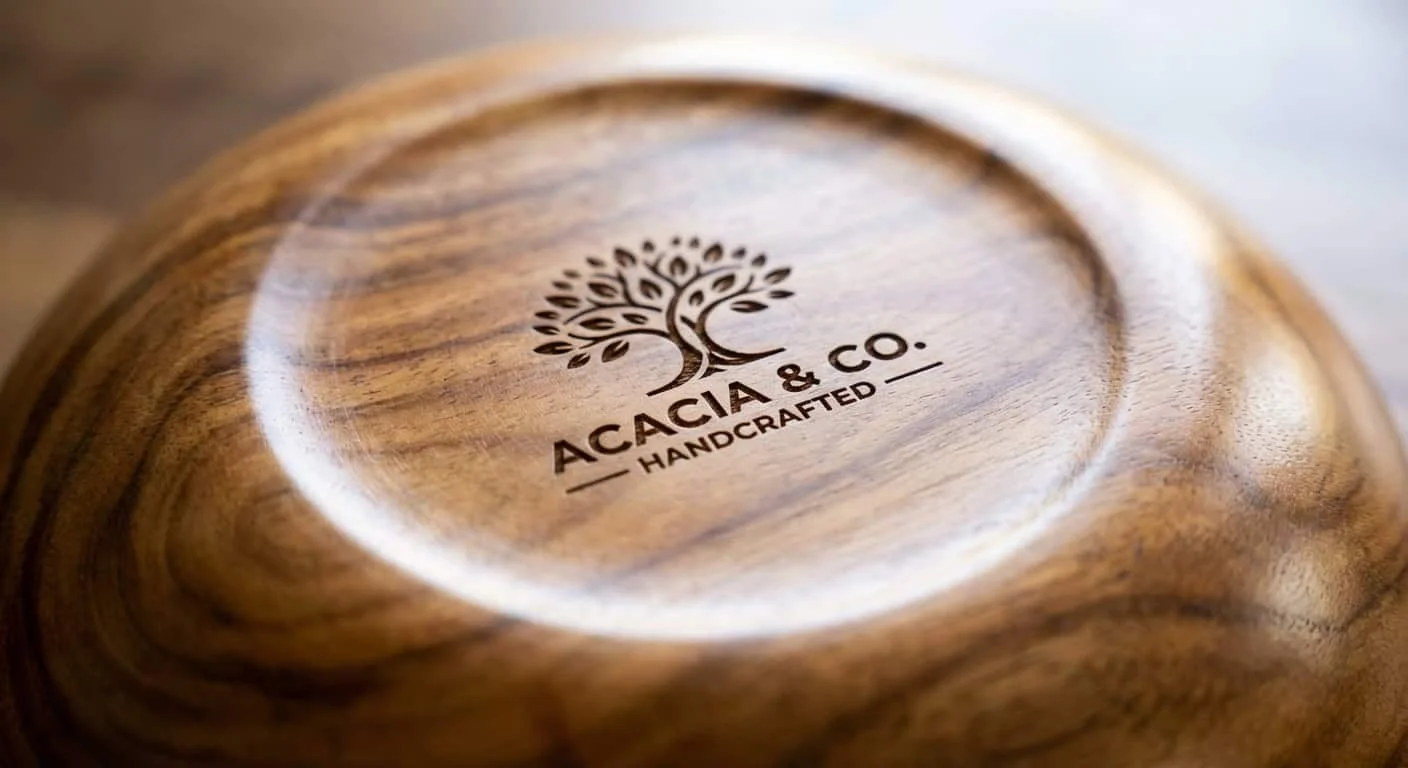
Logo Engraving, Laser Marking, and Printing
Branding is central to long‑term value. Wooden bowls can be customized using engraving, laser marking, or printing.
| Branding Method | Advantages | Ideal Use Cases |
|---|---|---|
| Laser engraving | Precise, permanent, works well for small logos and text; no additional color. | Private label brands, hospitality logos on the bottom of bowls, subtle branding. |
| Heat stamping / burning | Handcrafted appearance; slightly deeper mark; rustic feel. | Artisan or rustic brands, farm‑to‑table restaurant concepts, gift shops. |
| Screen printing / pad printing | Allows colored logos; can match brand Pantone colors. | Kids’ lines, promotional products, colorful lifestyle brands. |
Logo placement is usually on the bottom or outside of the bowl to preserve food‑contact surfaces. When you send artwork files to Hilonwood’s team, vector formats such as AI or EPS are preferred for sharp results.
Custom Colors and Surface Treatments
Beyond clear finishes, you can create signature looks with color blocking, gradient stains, or partially painted surfaces.
Some popular approaches among Hilonwood clients include:
• Natural interior with a solid color exterior coating to match brand palettes.
• Two‑tone stain to create dark outer walls and lighter interiors.
• Wash finishes that add subtle pastel color while keeping grain visible.
These treatments can be combined with coordinated wooden spoons, trays, or chopping boards to form cohesive collections featured across your catalog or online store.
Packaging and Retail Presentation
Packaging has a direct effect on breakage rates in transit, unboxing experience, and perceived value. Wholesale wooden bowls can be packed in simple bulk cartons or in fully custom retail packaging with branding and care instructions.
| Packaging Style | Key Features | Best for |
|---|---|---|
| Bulk master carton | Minimal individual packaging; protective separators; reduces packaging cost. | Hospitality supply, B2B distributors, repacking in destination country. |
| Plain inner box | Unbranded or simple printed boxes; includes basic care instructions. | Amazon / online sellers, white‑label brands adding stickers or inserts locally. |
| Custom retail box | Fully printed, brand colors, barcodes, multi‑language instructions. | Supermarkets, design stores, franchise chains, and brand flagships. |
Hilonwood often helps clients design packaging sizing so that bowls and boxes maximize container loading efficiency and reduce shipping cost per unit.
How to Plan a Wooden Bowls Wholesale Collection
A well‑structured collection goes beyond isolated products. You want a clear product ladder, coordinated aesthetics, and pricing that supports both wholesale and retail margins.
Define Your Target Customer and Channels
The ideal wooden bowl for a high‑end design store is not the same as for a fast‑moving supermarket line or a restaurant chain. Before finalizing specifications, clarify:
• Who will buy and use these bowls (families, professional chefs, hotel guests, children).
• Where they will buy them (online, specialty retail, big box store, hospitality purchasing).
• How often they will be used and washed (daily restaurant service vs. occasional home entertaining).
These answers guide choices about materials, wall thickness, finish type, and branding intensity.
Build a Good-Better-Best Product Ladder
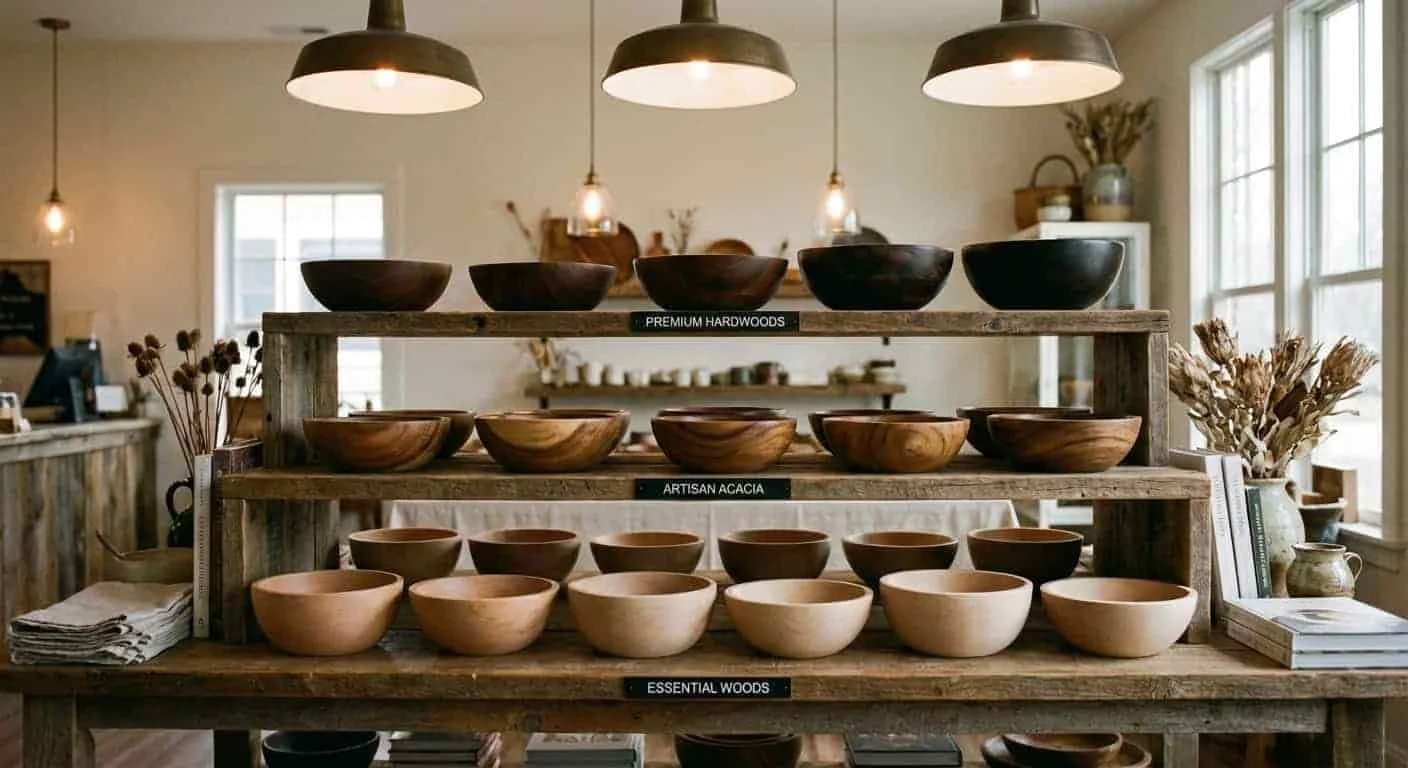
To cover multiple price points, consider structuring your wooden bowls sourcing program into good‑better‑best tiers.
| Tier | Typical Material & Finish | Positioning |
|---|---|---|
| Good | Rubberwood or bamboo, clear lacquer, simple shapes, minimal branding. | Entry level, high volume, everyday bowls for supermarkets and online marketplaces. |
| Better | Acacia or beech, oil or matte lacquer finish, modest logo engraving, nesting sets. | Mid‑range kitchenware and gift lines with strong visual appeal and storytelling. |
| Best | Selected acacia or walnut, hand‑finished details, distinctive shapes, premium packaging. | Design‑driven stores, branded hospitality concepts, limited editions and collaborations. |
By designing your range this way, you make it easier for sales teams and retailers to upsell and cross‑sell within your own collection instead of losing customers to competitors.
Coordinate with Other Wooden Products
Wooden bowls sell particularly well when presented as part of a wider natural kitchenware story. If you already sell or plan to sell boards, trays, utensils, or storage canisters, you can standardize materials and finishes across items.
Working with a Wooden Bowl Manufacturer
Even the best design and material selection will fail if production is unstable. Choosing the right wooden bowl manufacturer or OEM partner is therefore a strategic sourcing decision.
From Idea to Mass Production
The typical process when working with Hilonwood or similar factories on wooden bowls sourcing projects looks like this:
1. Requirement communication: you share target market, usage, price band, and design direction.
2. Material and finish proposals: the supplier suggests suitable woods and finishes with sample photos or existing models.
3. Sampling: prototype bowls are produced, finishing and logo details are confirmed, and dimensions are checked.
4. Testing and approval: if necessary, samples go to third‑party labs for food‑contact or quality testing.
5. Mass production: raw materials are prepared, bowls are turned, finished, inspected, and packed.
6. Final inspection and shipment: quality control is carried out before loading containers or shipping pallets.
This workflow ensures that details are finalized before large investments in materials and machining, reducing waste and miscommunication.
Key Questions to Ask Potential Suppliers
When shortlisting wooden bowl manufacturers, consider asking:
• Which wood species do you have stable, long‑term access to?
• What finishes do you use most often, and do you have food‑contact test reports?
• Can you support logo engraving or printing, and what is your normal MOQ for customized branding?
• What is your typical lead time for sampling and mass production?
• How do you manage moisture control, kiln drying, and warping risk during production?
Hilonwood’s team can answer these questions in detail and share best practices based on years of exporting wooden products to demanding markets.
Logistics, MOQ, and Cost Structure
To make informed pricing and inventory decisions, buyers need a clear view of typical MOQs, lead times, and the main cost drivers in wooden bowl manufacturing.
Minimum Order Quantities and Lead Times
MOQs vary depending on whether you choose existing designs or new custom molds and tools. For many bowl models, the MOQ will often range from a few hundred to several thousand pieces per size or per design.
Lead time is normally structured as:
• Sampling: around 7–15 days, depending on complexity and finishing tests.
• Mass production: often 30–45 days after sample approval and deposit, influenced by order volume and production load.
• Shipping: additional time depending on sea or air freight and customs procedures.
Main Cost Drivers
The final FOB price of wooden bowls wholesale orders is influenced by several factors. Understanding them helps you make smart trade‑offs between design and cost.
| Cost Driver | Effect on Pricing |
|---|---|
| Wood species and grade | Premium woods and tight grain selection increase material costs. |
| Size and wall thickness | Larger, thicker bowls use more material and require more machining time. |
| Finish type | Complex multi‑step or colored finishes require more labor and quality control. |
| Branding and customization | Logo engraving, printing, and special packaging add setup and unit costs. |
| Order quantity | Higher volumes improve material utilization and spread fixed costs, lowering unit price. |
Discussing your target retail price and channel strategy upfront with Hilonwood allows the team to suggest material and finish combinations that keep your landed cost on target.
Use Cases: Retail, Hospitality, and Promotional Markets
Different markets prioritize different features in wooden bowls. Aligning your specifications with actual use cases will improve sell‑through and customer satisfaction.
Retail and E-Commerce Brands
In retail and online channels, consumers care strongly about aesthetics and lifestyle fit. Photography, packaging, and story are key.
For this segment, consider:
• Visually rich woods such as acacia or carefully stained bamboo.
• Attractive nesting sets and giftable packaging.
• Logo engraving or subtle branding for long‑term recognition.
Many Hilonwood clients combine wooden bowls with other wooden kitchenware on their websites and catalogues to increase average order value.
Restaurants, Cafés, and Hotels
Hospitality buyers prioritize durability, ease of cleaning, and consistent quality across many units.
They often choose:
• Moderately thick walls for impact resistance.
• Lacquer or clear coat finishes for easier cleaning and stronger moisture resistance.
• Simple shapes that stack efficiently and store well in kitchens.
Subtle engraved or printed logos are popular for brand reinforcement without distracting guests from food presentation.
Corporate Gifts and Promotional Products
For promotional projects, budget and visual impact are primary considerations. Buyers may opt for bamboo or rubberwood with bold logo placement and colored finishes.
Coordinated sets—such as a wooden salad bowl with matching servers—make memorable corporate gifts that stand out from common plastic or glass items.
Quality Control and Risk Management
Wood is a living material that responds to humidity and temperature. Without good process control, issues such as cracking, warping, or finish defects may appear after shipping.
Production-Level Quality Measures
Reliable manufacturers put in place several controls, such as:
• Proper kiln drying and moisture content testing of raw wood.
• Dimensional checks during and after turning.
• Controlled environments for applying and curing finishes.
• Multi‑stage inspections before packing.
Hilonwood’s production teams pay particular attention to humidity management, which is essential for wooden products shipping to different climate zones.
Buyer-Level Quality Strategies
As an importer or brand owner, you can also reduce risk by:
• Requesting pre‑production samples and finish swatches.
• Commissioning third‑party inspections for large or high‑value orders.
• Ensuring clear specifications and tolerance limits in POs and technical sheets.
• Staggering initial orders if entering a completely new market or channel.
Documenting these expectations from the start helps your supplier align internal processes with your brand standards.
Why Partner with Hilonwood for Wooden Bowls Sourcing
Hilonwood specializes in custom wooden products and OEM/ODM projects for international buyers. Our experience covers raw material selection, finish development, packaging design, and export logistics.
Some of the reasons buyers work with Hilonwood for wooden bowls include:
• Flexible customization: from wood species and shapes to engraving and color systems.
• Consistent quality: controlled drying, machining, and finishing processes.
• Strong product ecosystem: ability to supply matching boards, trays, utensils, and other wooden kitchenware.
• Support for branding: guidance on logo application, retail packaging, and storytelling content.
You can explore more of our capabilities and insights on the Hilonwood blog, where we share additional tips on sourcing and designing wooden products for global markets.
Conclusion: Building a Profitable Wooden Bowl Program
Wooden bowls sourcing is not only about finding a low unit cost. It is about combining appropriate materials, reliable finishes, and thoughtful customization to create a collection that fits your brand, channels, and target customers.
By understanding how acacia, rubberwood, beech, bamboo, and other woods differ, and by choosing food‑safe finishes and robust construction methods, you can build a wooden bowl assortment that is both durable and visually compelling.
When you are ready to develop or upgrade your wooden bowls range, partnering with an experienced OEM supplier like Hilonwood will make the process smoother—from initial concept and sampling to mass production, quality control, and export logistics. With the right combination of materials, finishes, and customization options, wooden bowls can become a long‑term, profitable pillar in your product portfolio.