Acacia wood cutting boards have become a favorite in both home and professional kitchens because they combine beauty, durability and value in a single board. If you are choosing your first quality wooden chopping board or upgrading from plastic or bamboo, understanding why acacia is special will help you make a better, longer‑lasting decision.
What Is Acacia Wood and Why It Works So Well as a Cutting Board
Acacia is a hardwood that comes from several species of the Acacia tree, native to Asia, Africa and Australia. It is naturally dense, rich in color, and has a tight grain structure. These characteristics make it exceptionally well suited for cutting boards that must withstand constant chopping, moisture and cleaning.
Compared with many other hardwoods, acacia offers an attractive balance: it is hard enough to resist deep cuts and warping, but not so hard that it quickly dulls knives. Its natural oils and density provide built‑in resistance to water and stains, which is a major advantage in a busy kitchen.
At Hilonwood, acacia is one of the key materials selected for custom boards because it can be milled and finished to a smooth, food‑safe surface while preserving its dramatic grain and warm color.
Key Advantages of Acacia Wood Cutting Boards
When you choose acacia wood cutting boards, you get a combination of practical performance and visual appeal that many other materials struggle to match. Below are the main benefits that matter in daily use.
Durability and Resistance to Wear
Acacia is a relatively hard wood, often measuring around 1,500–2,000 on the Janka hardness scale depending on the specific species. This means it resists dents, deep knife marks and deformation better than many softer woods. In a kitchen, where boards are exposed to repetitive chopping, sliding and the weight of heavy knives, this hardness translates directly into a longer service life.
With proper care—regular oiling, gentle cleaning, and avoiding dishwashers—acacia boards can remain stable, flat and attractive for many years. In a commercial environment, such as restaurant prep stations, acacia’s durability can reduce how often boards must be replaced.
Water and Stain Resistance
One of the biggest enemies of wooden cutting boards is water. Long soaking, aggressive dishwashing and standing moisture can lead to swelling, cracking and warping. Acacia’s dense structure and natural oils give it better resistance to water absorption compared with many other hardwoods.
This does not mean acacia boards are waterproof or should be soaked, but it does mean they tolerate short rinsing and careful washing better. They are also less likely to pick up deep, permanent stains from foods like beetroot, red cabbage or tomato if cleaned promptly.
Knife-Friendliness
While glass, stone or some overly hard bamboo boards can dull blades quickly, acacia wood cutting boards offer a more forgiving surface. The wood fibers compress slightly under the impact of a knife and then rebound, protecting both the blade edge and the board itself.
For chefs who invest in high‑quality knives, this balance is essential. It keeps sharpening frequency reasonable and helps maintain fine edges for precision tasks such as slicing fish, trimming vegetables or carving meats.
Natural Beauty and Warm Aesthetics
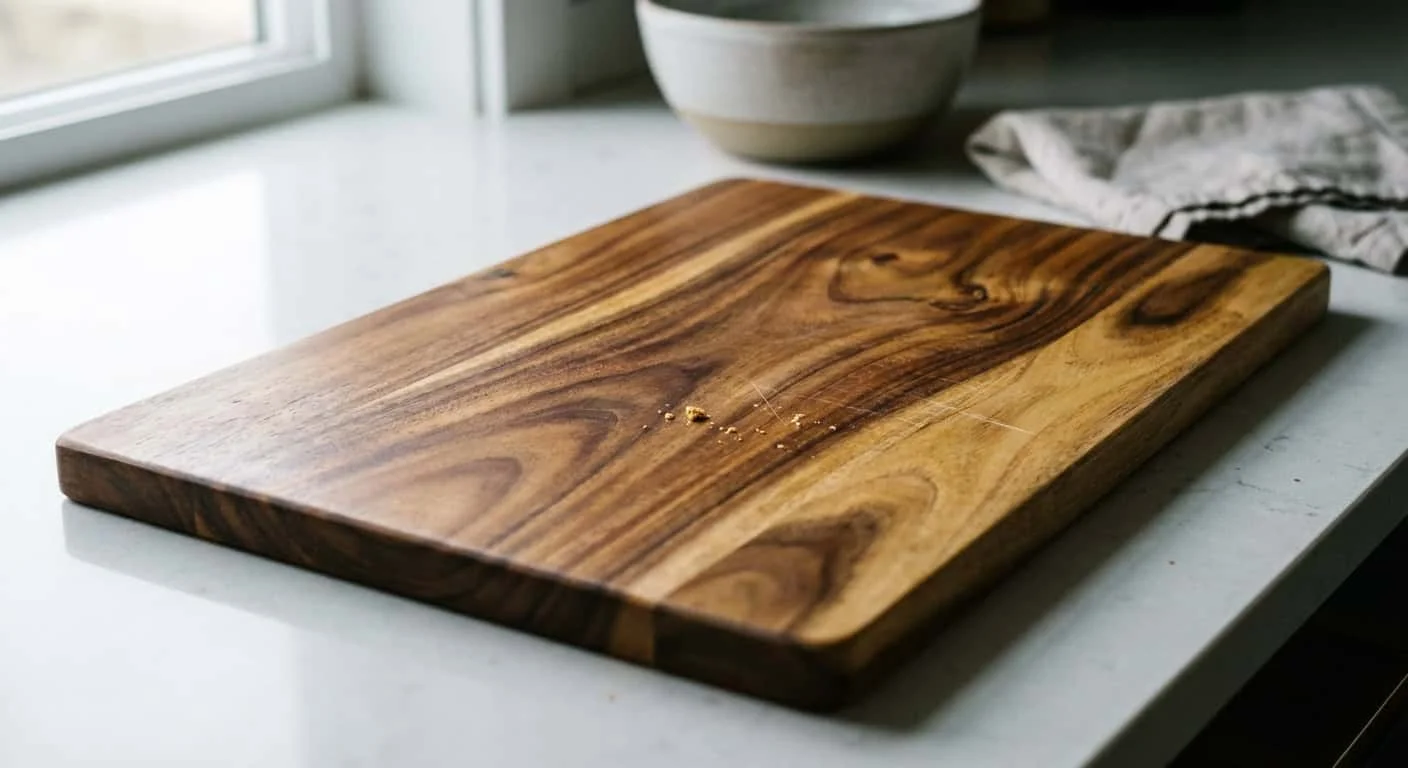
Acacia wood is known for its dynamic grain patterns and rich color variation that can range from golden honey tones to deep chocolate streaks. This makes every acacia cutting board unique. Boards can double as serving platters for cheeses, charcuterie or bread, enhancing the table setting.
Many Hilonwood customers choose custom acacia boards specifically because of their visual impact. Personalized sizing, handle designs and edge profiles allow a board to serve both functional and decorative roles in the kitchen or dining room.
Food Safety and Natural Properties
Like many hardwoods, acacia has a naturally tight grain that makes it more difficult for liquids and food particles to penetrate deeply. When combined with proper cleaning, this helps maintain a hygienic surface. Studies cited by sources such as the U.S. National Library of Medicine have shown that wooden cutting boards, when properly maintained, can be as safe or even safer than plastic alternatives because bacteria tend to die off in the wood rather than multiply in deep plastic knife grooves.
Food safety still depends on correct handling, separation of raw and cooked foods, and regular sanitizing. Nonetheless, acacia is a reliable material for a primary cutting board when used within established kitchen hygiene practices.
Acacia Wood vs. Other Cutting Board Materials
Choosing the right cutting board material often comes down to balancing durability, knife care, hygiene and price. Acacia wood cutting boards compare favorably with common alternatives such as bamboo, maple, walnut and plastic. The following table summarizes key differences.
| Material | Durability | Knife-Friendliness | Water Resistance | Typical Price Level | Visual Appeal |
|---|---|---|---|---|---|
| Acacia wood | High | Good | High | Moderate | Rich, varied grain |
| Bamboo | Moderate to high | Medium (can be hard on knives) | High | Low to moderate | Uniform, lighter look |
| Maple (hard) | High | Very good | Moderate | Moderate to high | Light, subtle grain |
| Walnut | High | Very good | Moderate | High | Dark, elegant grain |
| Plastic | Moderate (gouges easily) | Good initially | High but may harbor bacteria in cuts | Low | Plain, utilitarian |
Acacia Wood vs Bamboo Cutting Boards
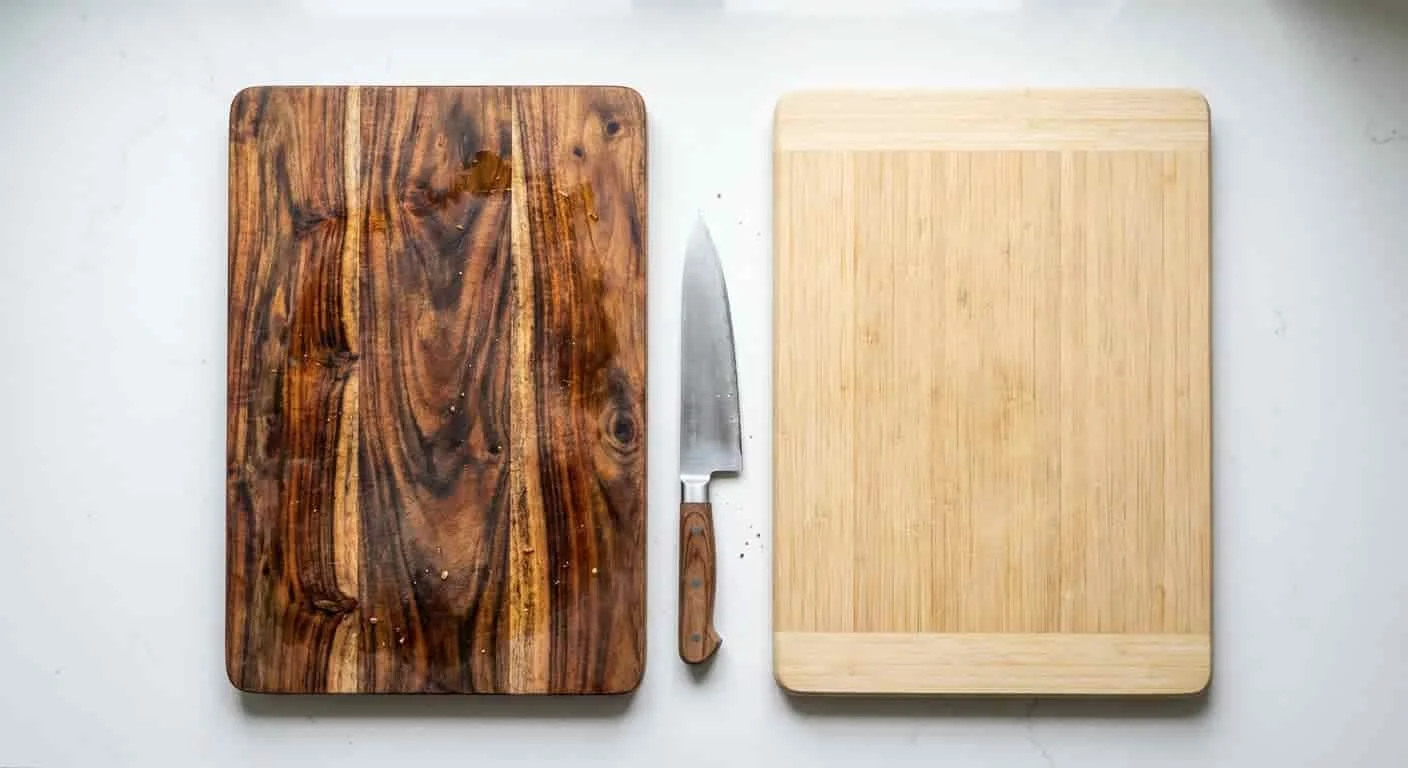
Bamboo boards attract many budget‑conscious buyers, but acacia offers clear advantages. Bamboo is technically a grass and is frequently laminated with strong adhesives, creating a very hard surface. This hardness can accelerate knife dulling. Acacia, while still firm, tends to be slightly more forgiving.
In addition, acacia wood cutting boards typically show more interesting grain, making them better suited to double as serving pieces. Bamboo tends to look more uniform and less luxurious. Both can be environmentally conscious options if sourced from responsible plantations. When shopping, look for suppliers like Hilonwood who prioritize sustainable sourcing and transparent manufacturing.
Acacia Wood vs Maple and Walnut
Maple and walnut are premium cutting board woods, valued for stability, food safety and attractive appearance. Acacia sits between them in some aspects:
Compared with maple, acacia often has better water resistance and a more dramatic grain, but maple is a traditional standard in many professional kitchens because of its consistent hardness and light color that shows contamination easily. Walnut offers deep, dark elegance and is typically a bit softer than acacia, which can be slightly gentler on knives but may show wear sooner.
From a cost perspective, acacia wood cutting boards usually come in at a lower or similar price to maple and lower than walnut while still delivering impressive performance and style.
Acacia Wood vs Plastic Cutting Boards
Plastic boards are inexpensive, lightweight and dishwasher‑safe, which makes them a common choice for raw meat preparation. However, they accumulate deep knife scars quickly, and these grooves can trap bacteria even after washing. Reference materials from organizations such as the U.S. Food and Drug Administration (FDA) emphasize the importance of replacing heavily scarred plastic boards to reduce risk.
In contrast, well‑maintained acacia boards can be periodically resurfaced by sanding, which restores a smooth, safe working area without discarding the entire board. Many cooks use a combination: an acacia wood cutting board for general prep and serving, and a separate plastic board for high‑risk raw proteins.
Types of Acacia Wood Cutting Boards
Not all acacia boards are constructed the same way. The way the wood is oriented and joined affects durability, appearance and price. Understanding the main types helps you choose the best board for your cooking style and budget.
Face Grain Acacia Boards
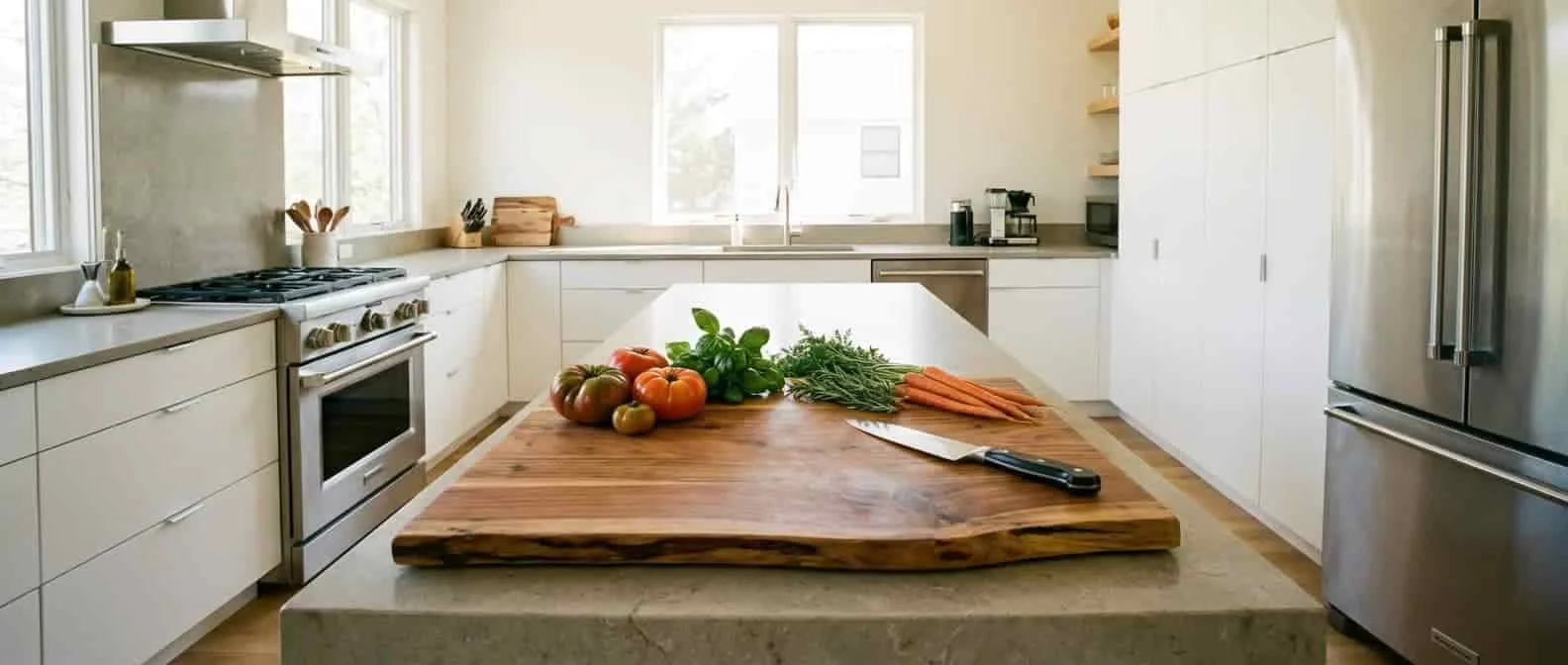
Face grain boards are made by joining planks so that the wide surface of each plank forms the cutting surface. This shows off the most dramatic grain and color variation. These boards are visually striking and excellent as serving boards, cheese platters or light‑duty cutting boards.
However, face grain is more likely to show knife marks over time compared with edge or end grain constructions. For heavier chopping, especially with cleavers or hard vegetables like squash, an edge or end grain acacia wood cutting board is the better option.
Edge Grain Acacia Boards
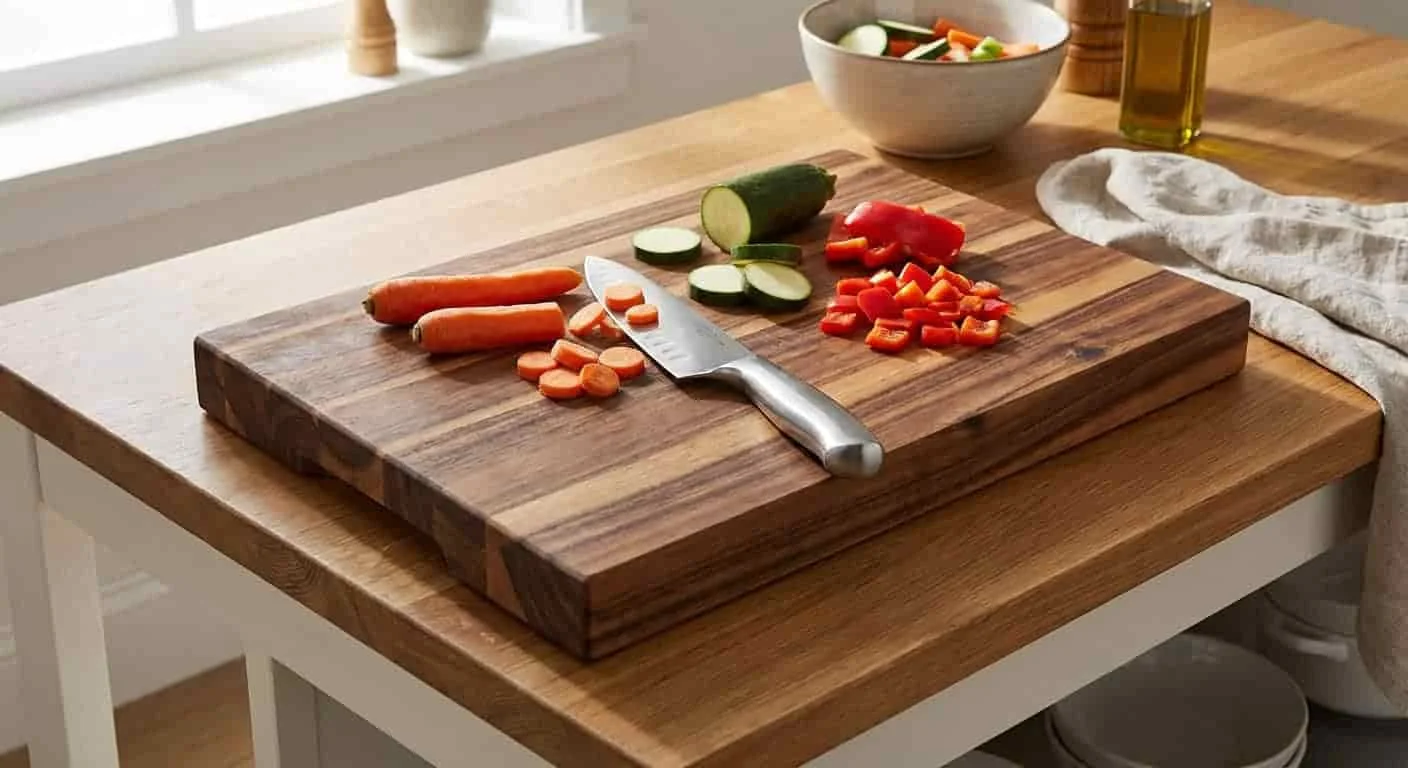
Edge grain boards are created by turning the planks on their side so the narrower edge is exposed on the cutting surface. This orientation provides improved structural stability, reduced warping, and greater resistance to knife scoring compared with face grain boards.
Edge grain acacia boards are a popular compromise between price, durability and appearance. They still show attractive linear grain patterns and are suitable for everyday cooking. Many standard Hilonwood cutting boards use edge grain construction to maximize practical lifespan without significantly increasing cost.
End Grain Acacia Cutting Boards
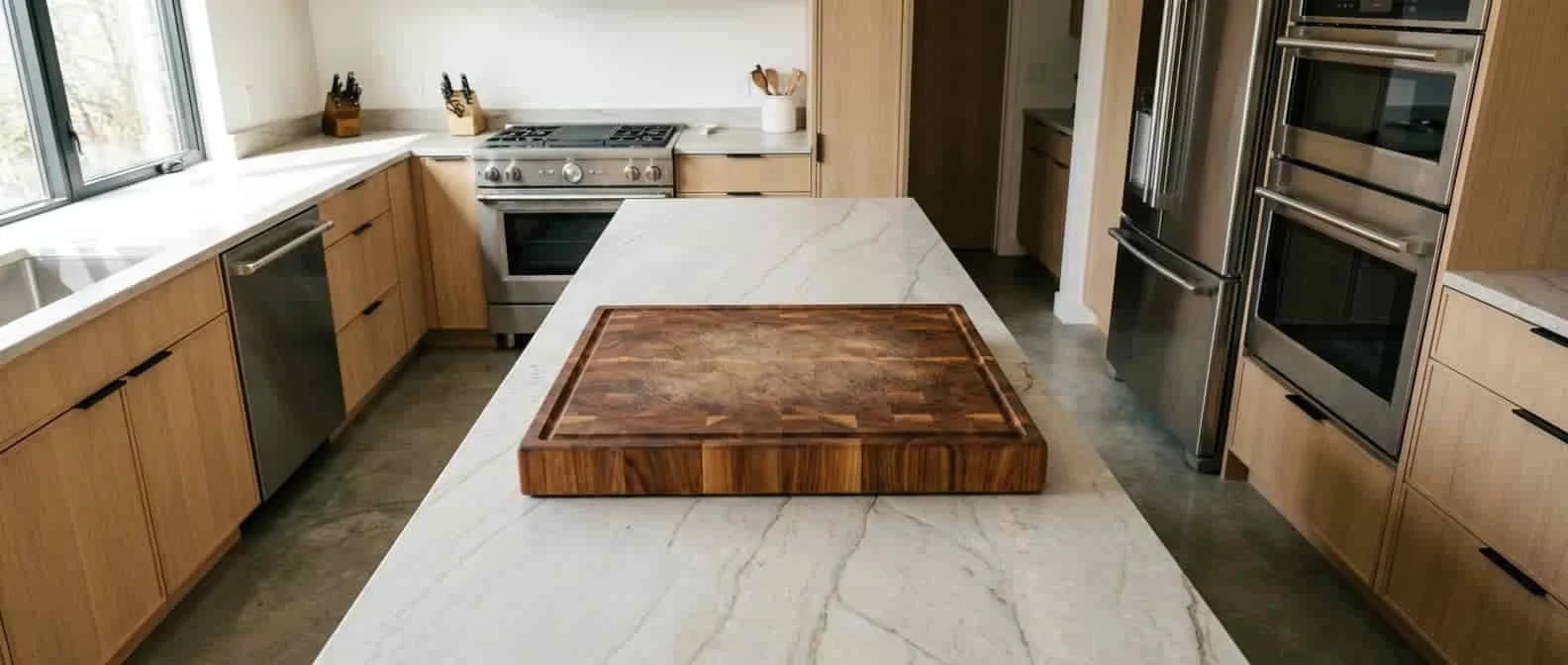
End grain acacia cutting boards are often considered the premium choice. In these boards, small wooden blocks are arranged so that the end of the wood fibers faces upward. This creates a checkerboard or mosaic pattern and a highly functional surface.
When a knife strikes an end grain board, the wood fibers separate slightly and then close again, which is gentler on blades and helps the surface self‑heal. End grain acacia boards are particularly well suited for heavy chopping and professional kitchens. They are usually thicker and heavier, which adds stability during use.
Because of the more complex construction, end grain boards often cost more. For cooks who demand top performance and are willing to maintain their board carefully, an end grain acacia wood cutting board provides excellent long‑term value.
How to Choose the Right Acacia Wood Cutting Board
With many sizes, shapes and constructions available, selecting the right board can feel overwhelming. Focusing on a few essential criteria—size, thickness, grain orientation, finish and design features—will make the decision easier.
Board Size and Thickness
Size determines how comfortable food preparation will feel in your kitchen. A board that is too small leads to overcrowding and frequent trips to the trash or sink. A board that is too large may not fit your counter or sink. For most home users, a board between 35–45 cm long and 25–35 cm wide offers a practical working area. Professional kitchens often choose boards 50 cm or longer.
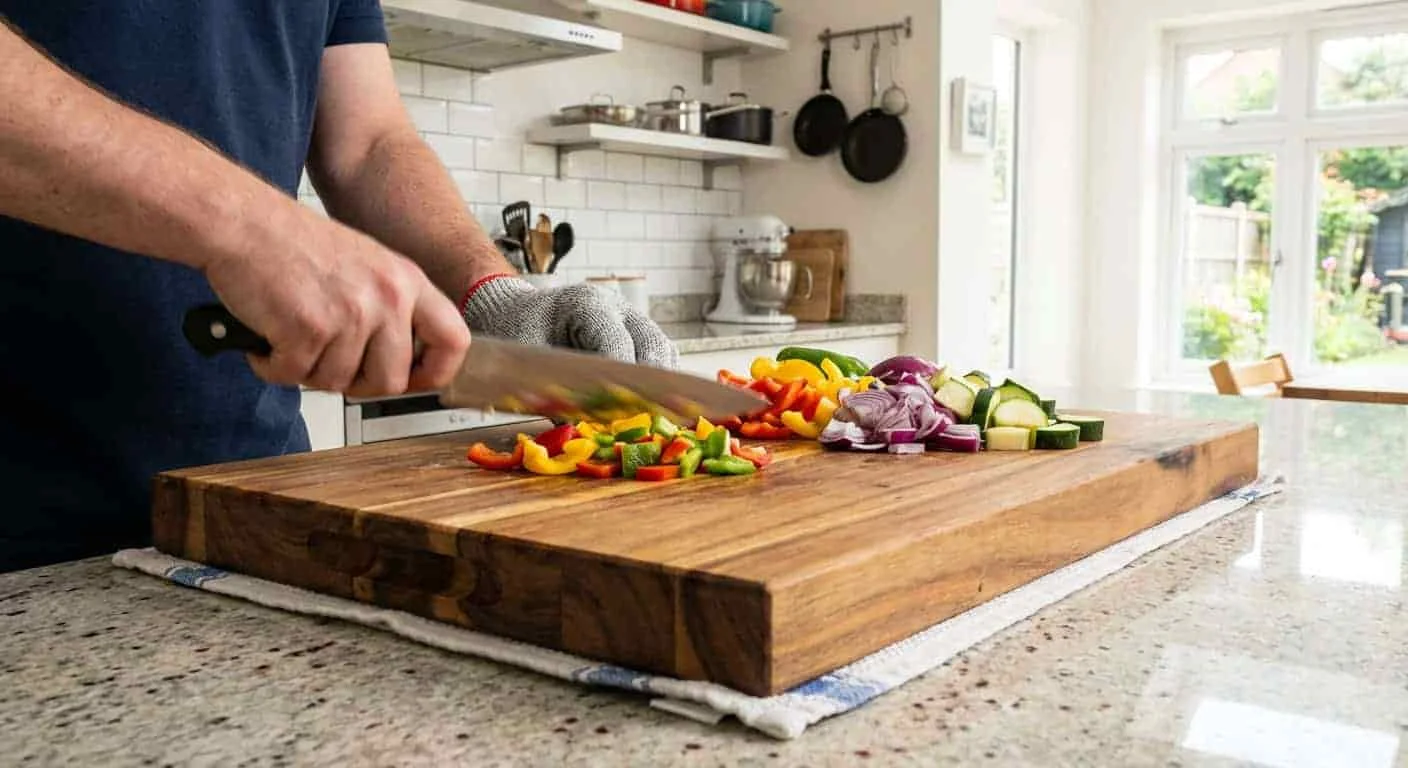
Thickness contributes to stability and resistance to warping. Thin boards, around 1.5–2 cm, are lightweight and easy to move but may shift while chopping. Thicker boards, in the 3–5 cm range, feel solid and remain flat longer, especially in end grain constructions. If you plan to use heavy chef’s knives or cleavers, choose a thicker acacia wood cutting board for safety and longevity.
Surface Finish and Edges
A high‑quality acacia board should have a smooth, finely sanded surface without rough patches, open glue lines or splinters. The finish should be food‑safe, usually mineral oil, beeswax, or a specialized cutting board conditioner. Avoid boards coated with thick film‑forming finishes like varnish; these can chip and contaminate food over time.
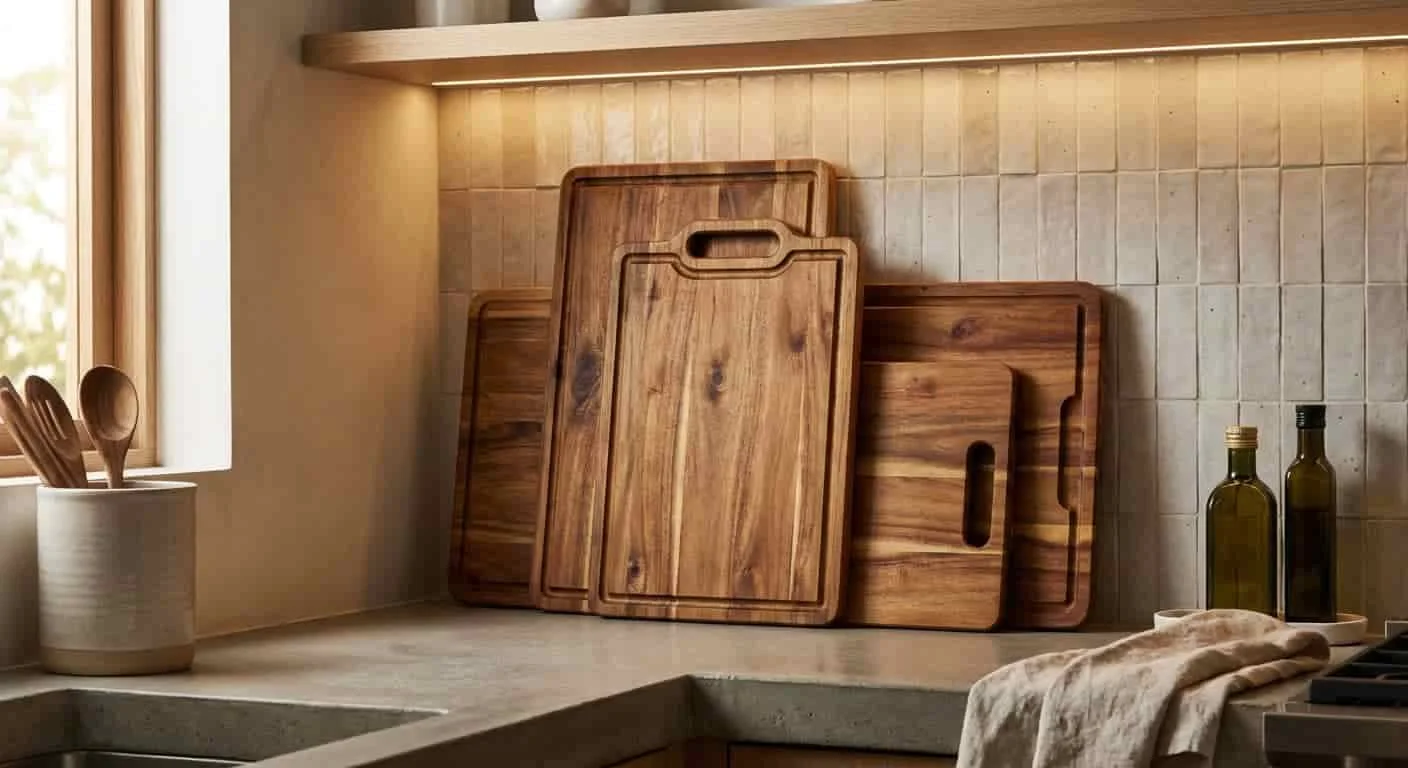
Edge details—such as rounded corners, beveled edges, or integrated handles—affect comfort and style. Some Hilonwood designs include juice grooves along the perimeter to catch liquids from meats or fruits, while others maintain a fully flat surface for easier cleaning and reversible use.
Checking Construction Quality
Construction quality makes the difference between a board that lasts a few months and one that serves for years. When inspecting an acacia wood cutting board, look for tight glue joints, uniform coloration or well‑matched contrasting blocks, and a consistent thickness across the surface.
High‑quality boards exhibit minimal warping or twisting when placed on a flat countertop. They should not rock or pivot. Reputable manufacturers like Hilonwood perform moisture control and stabilization steps during production to reduce the risk of cracking or cupping after the board reaches your kitchen.
Design and Customization Options
Function comes first, but design enhances everyday enjoyment. Many people now leave their favorite boards out on the counter as permanent décor. Options like custom engraving, personalized sizing, and bespoke handle shapes transform a standard acacia board into a statement piece or meaningful gift.
Hilonwood offers custom manufacturing services for acacia wood cutting boards and other wooden kitchenware. If you need tailored dimensions for a specific countertop space, branding for a restaurant, or unique shapes for retail lines, visit the custom solutions section at our customization page to explore what is possible.
How to Care for Acacia Wood Cutting Boards
Proper care is essential to protect your investment and keep your board safe and attractive. Fortunately, acacia’s natural resistance means maintenance is straightforward if you follow a few simple rules.
Daily Cleaning Practices
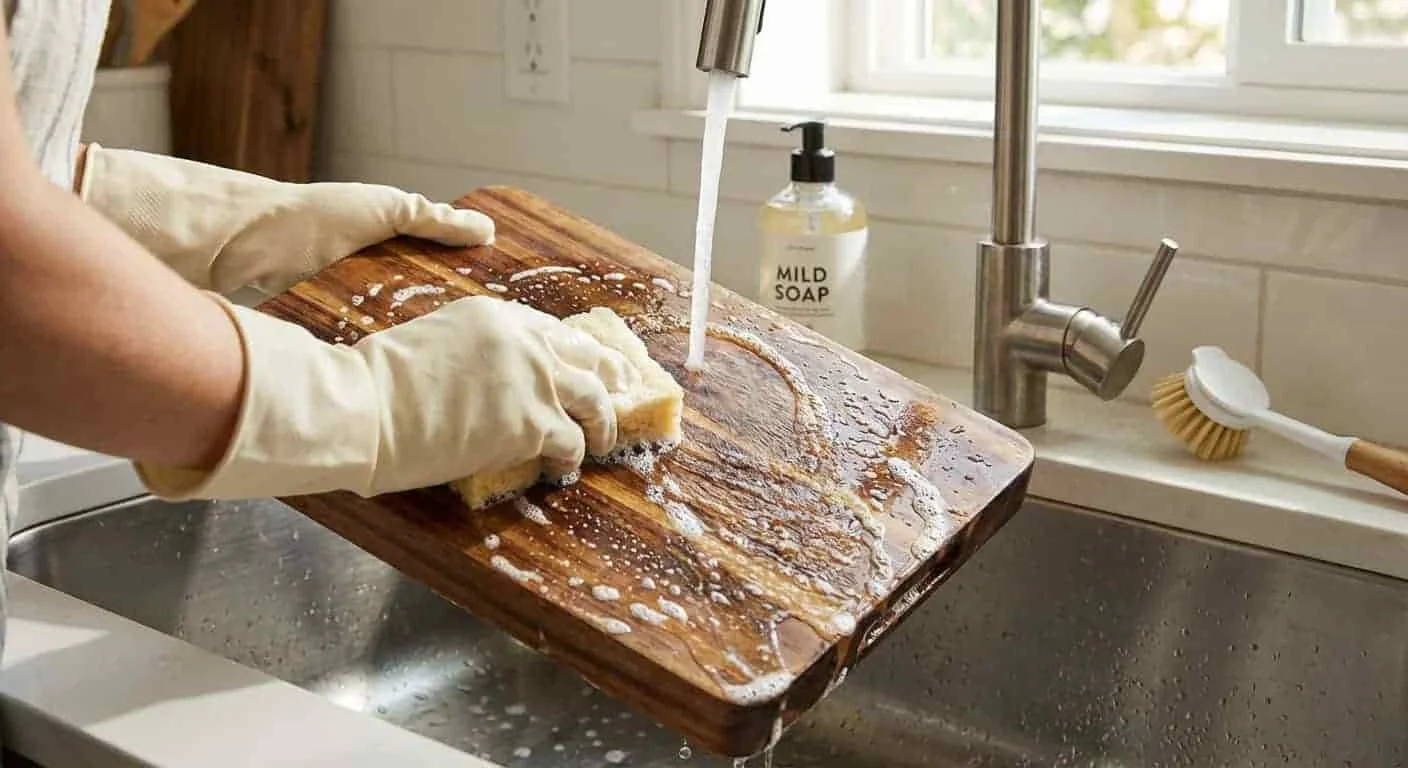
After each use, scrape off food debris with a bench scraper or the flat side of a knife. Rinse the board under warm running water and wash with a soft sponge or cloth and a small amount of mild dish soap. Rinse thoroughly to remove soap residue.
Always dry your acacia wood cutting board immediately with a clean towel and then leave it standing upright or on edge to allow airflow around all surfaces. Avoid leaving it flat on a wet countertop, as moisture can be trapped beneath and increase the risk of warping.
Do not place your acacia board in a dishwasher, and do not soak it in the sink. Excess heat, detergent and prolonged water exposure can cause cracks, delamination of glued joints and severe warping.
Deodorizing and Deep Cleaning
Over time, boards may pick up odors from garlic, onion or fish. To deodorize, sprinkle a small amount of coarse salt or baking soda over the surface, then rub it with half a lemon, pressing gently to release juice. Let the mixture sit for a few minutes before rinsing with warm water and drying thoroughly.
For deeper sanitizing, you can wipe the surface with a solution of white vinegar and water (equal parts), let it sit briefly, and then rinse and dry. Vinegar helps reduce bacteria without the harshness of bleach. When needed, a diluted hydrogen peroxide solution can be used cautiously and followed by thorough rinsing.
Oiling and Conditioning Acacia Wood Cutting Boards
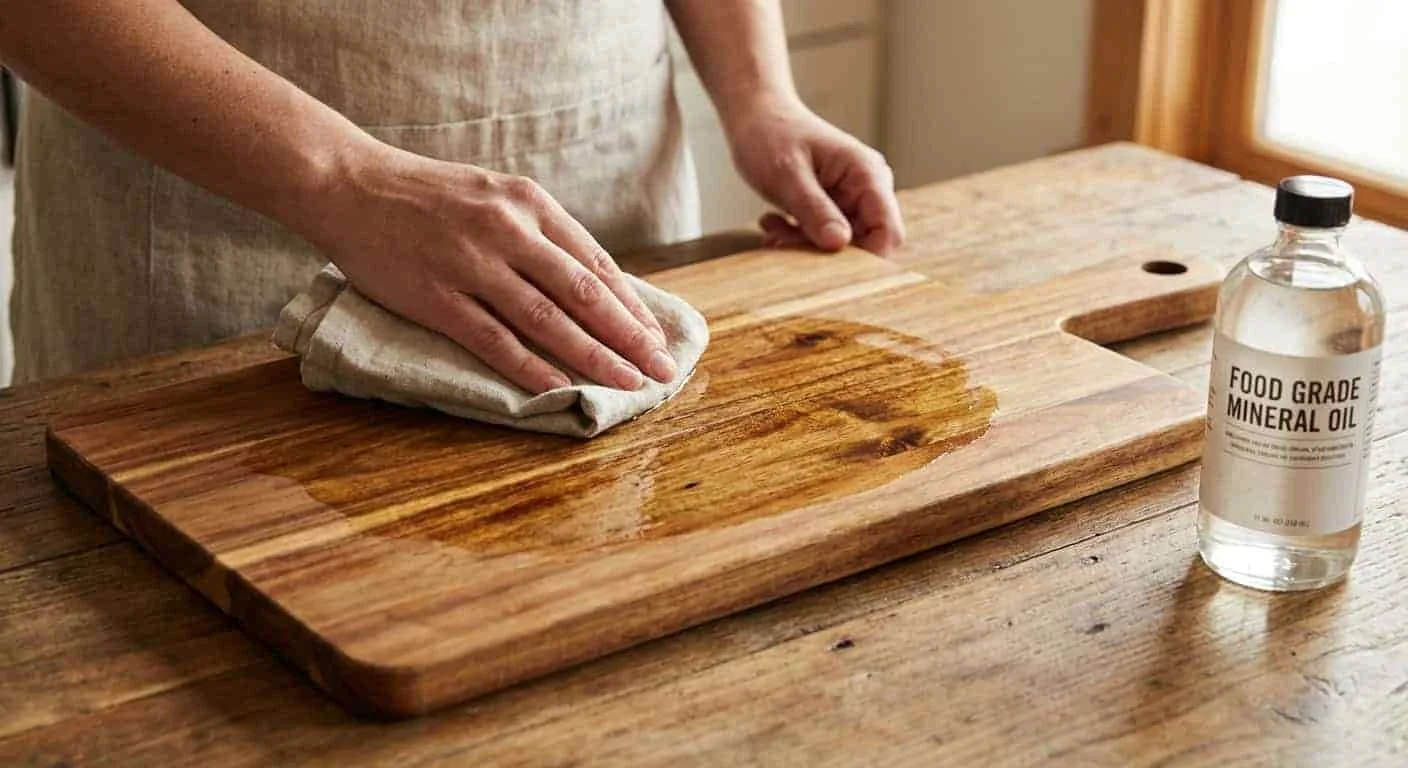
Regular oiling keeps acacia wood hydrated and reduces the absorption of water and stains. Use a food‑grade mineral oil or a specialized cutting board oil; avoid cooking oils like olive or canola, which can turn rancid and produce unpleasant odors.
To oil the board, apply a generous amount of oil to a clean, dry surface and spread it evenly with a soft cloth or paper towel. Allow the wood to absorb the oil for several hours or overnight, then wipe off any excess. In dry climates or heavy use conditions, this process may be needed every few weeks. For occasional home use, once a month is often sufficient.
Many professionals also apply a board cream or wax blend after oiling. This creates a thin protective layer that enhances water resistance and leaves a soft sheen on the surface.
Preventing Cracks and Warping
Acacia is more stable than many woods, but all wooden cutting boards respond to changes in temperature and humidity. To reduce the risk of cracking:
Keep the board away from direct sunlight, ovens, radiators and other strong heat sources. Do not leave it in a damp sink or outdoors. Store the board in a vertical position or on a rack that allows air circulation on both sides so the board dries evenly.
If one side of the board frequently gets wet while the other remains dry, slight cupping can occur. To minimize this, occasionally flip the board so both sides receive similar exposure during use and drying.
Resurfacing and Repair
After years of heavy cutting, even durable acacia wood cutting boards may develop noticeable knife marks or stains that do not respond to normal cleaning. In many cases, you can restore the board by sanding and refinishing.
Start with a medium‑grit sandpaper to remove deeper grooves, then transition to a finer grit to smooth the surface. Always sand with the grain where possible. After sanding, thoroughly remove dust with a vacuum or damp cloth, allow the board to dry completely, and then re‑oil and condition as you would with a new board.
For cracked boards or separated glue joints, consult a professional woodworker or contact the original manufacturer. Hilonwood can advise on whether a board is repairable or if a replacement is the safer choice, especially for boards used in commercial settings.
Food Safety and Hygiene with Acacia Boards
Safe food handling is just as important as choosing a strong, attractive board. With simple routines and awareness of cross‑contamination risks, acacia boards can play a central role in a hygienic kitchen.
Preventing Cross-Contamination
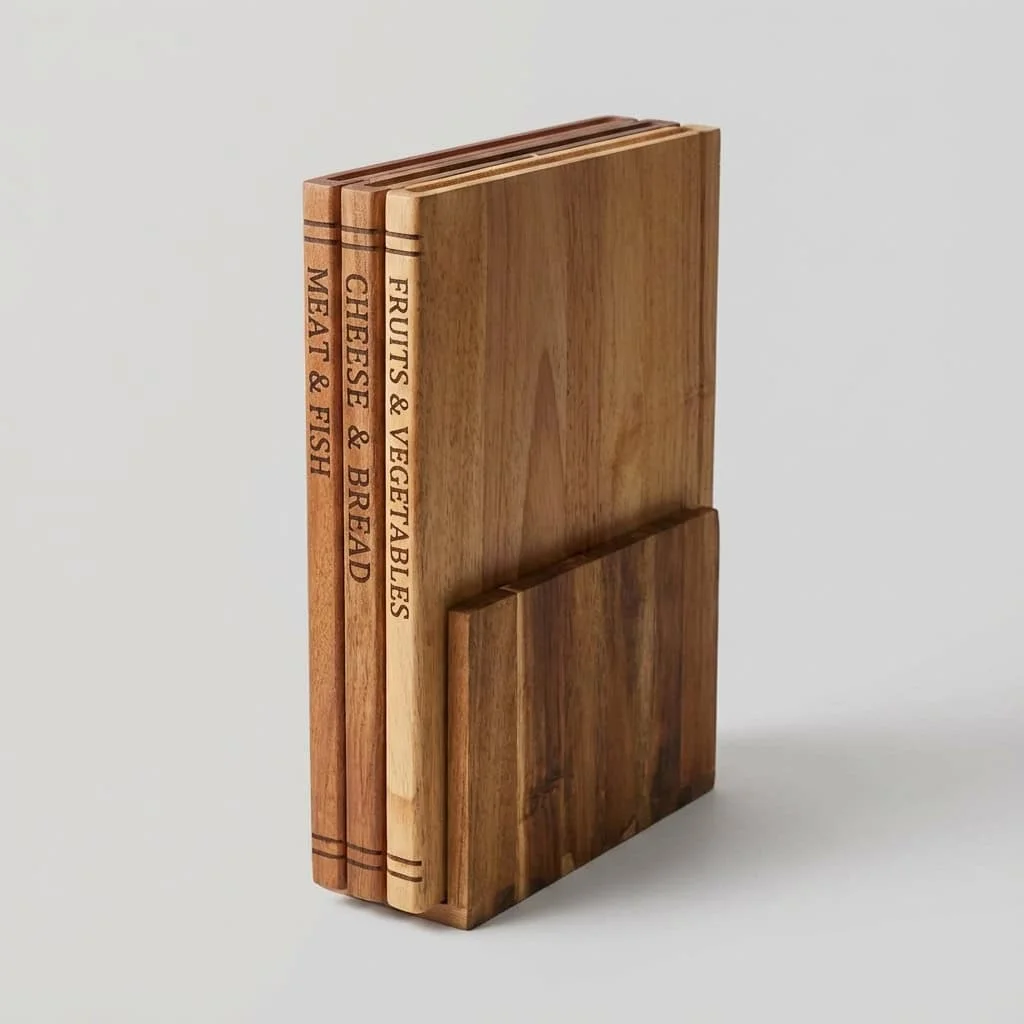
Many kitchens use separate boards for different food categories to avoid cross‑contamination. For example, one acacia wood cutting board dedicated to fruits, vegetables and bread, and another board—often plastic—for raw meats, poultry and seafood.
This separation can reduce the risk of transferring harmful bacteria from raw proteins to foods that will be eaten raw. Color‑coding systems or engraved labels on the board help keep these designations clear, especially in busy or shared kitchens.
Cleaning After Raw Meat and Fish
If you do use your acacia board with raw meat or fish, immediate and thorough cleaning is necessary. Wash with hot water and mild soap, scrub the surface, rinse well, then sanitize with diluted vinegar or a food‑safe sanitizing solution recommended by authorities such as the U.S. Centers for Disease Control and Prevention (CDC). Dry the board completely before storing.
Regular inspection is important: if you notice deep cuts that cannot be cleaned easily with a brush, or if odors persist despite cleaning, consider resurfacing the board or repurposing it for non‑food use.
When to Replace a Wooden Cutting Board
Even with careful maintenance, every board eventually reaches the end of its useful life. Signs that it is time to replace your acacia wood cutting board include large cracks running through the full thickness, multiple separated glue joints, deep grooves that remain dark or damp, or significant warping that makes the board unstable.
At this point, replacing the board is safer than continuing to use a surface that may harbor bacteria or create unstable cutting conditions. Manufacturers like Hilonwood continuously refine production methods and material selection, so a new board may also offer improved performance compared with older models.
Using Acacia Wood Cutting Boards for Serving and Presentation
Beyond food preparation, acacia boards are excellent presentation pieces. Their rich grain, warm coloration and substantial weight make them ideal for casual dinners and special occasions.
Cheese, Charcuterie and Appetizers
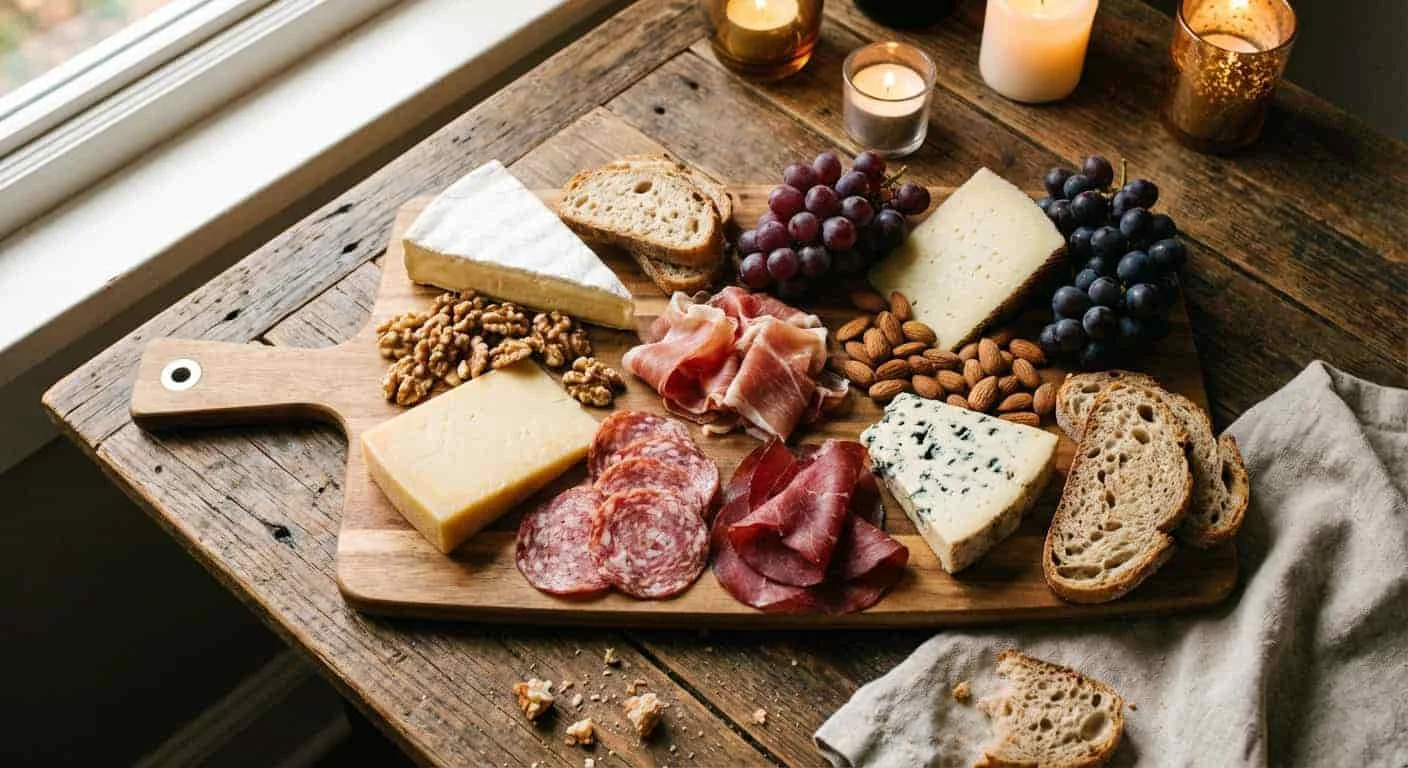
An acacia wood cutting board can easily double as a serving board for cheeses, cured meats, nuts and fruits. The natural variation in the wood creates an inviting backdrop that enhances the look of your food. Many people keep a dedicated serving board to avoid mixing strong cutting odors with delicate cheeses or desserts.
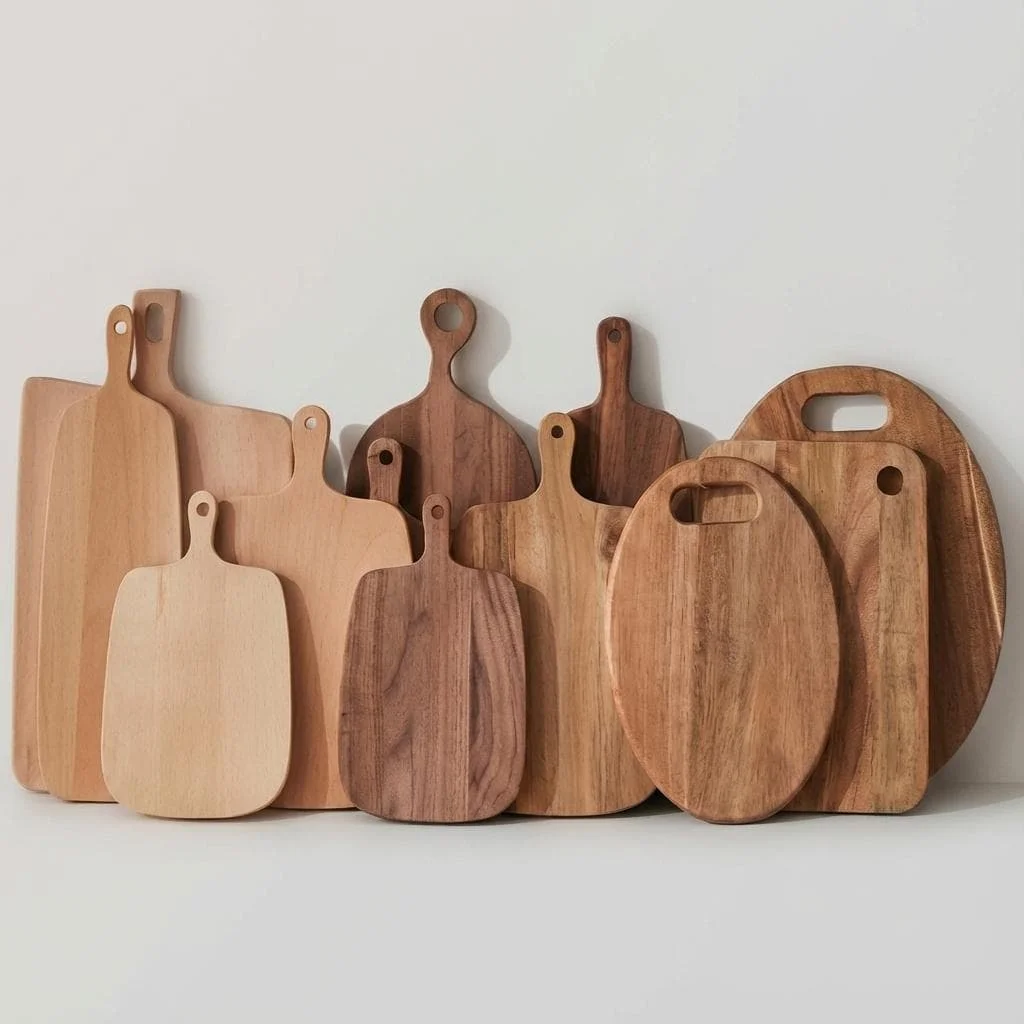
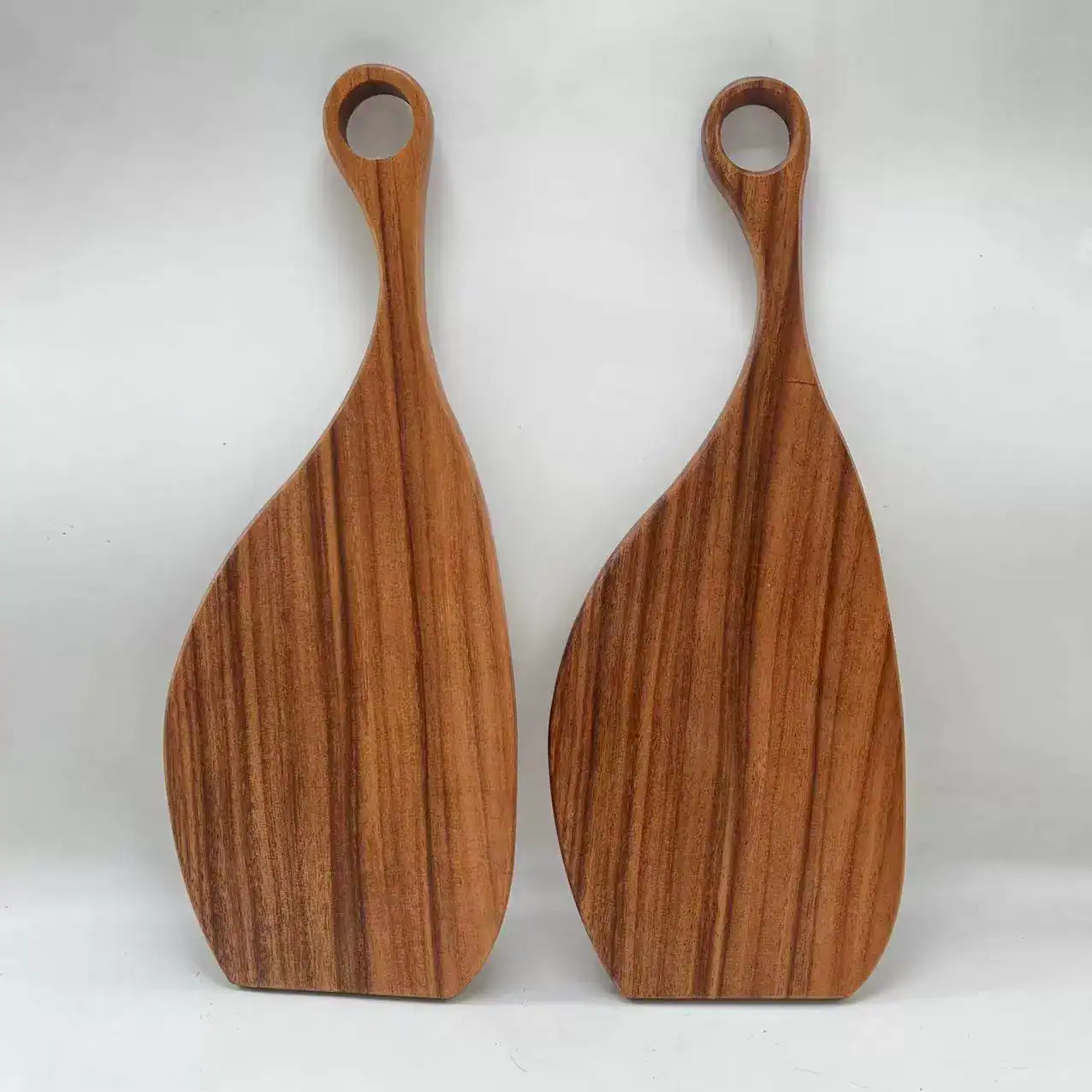
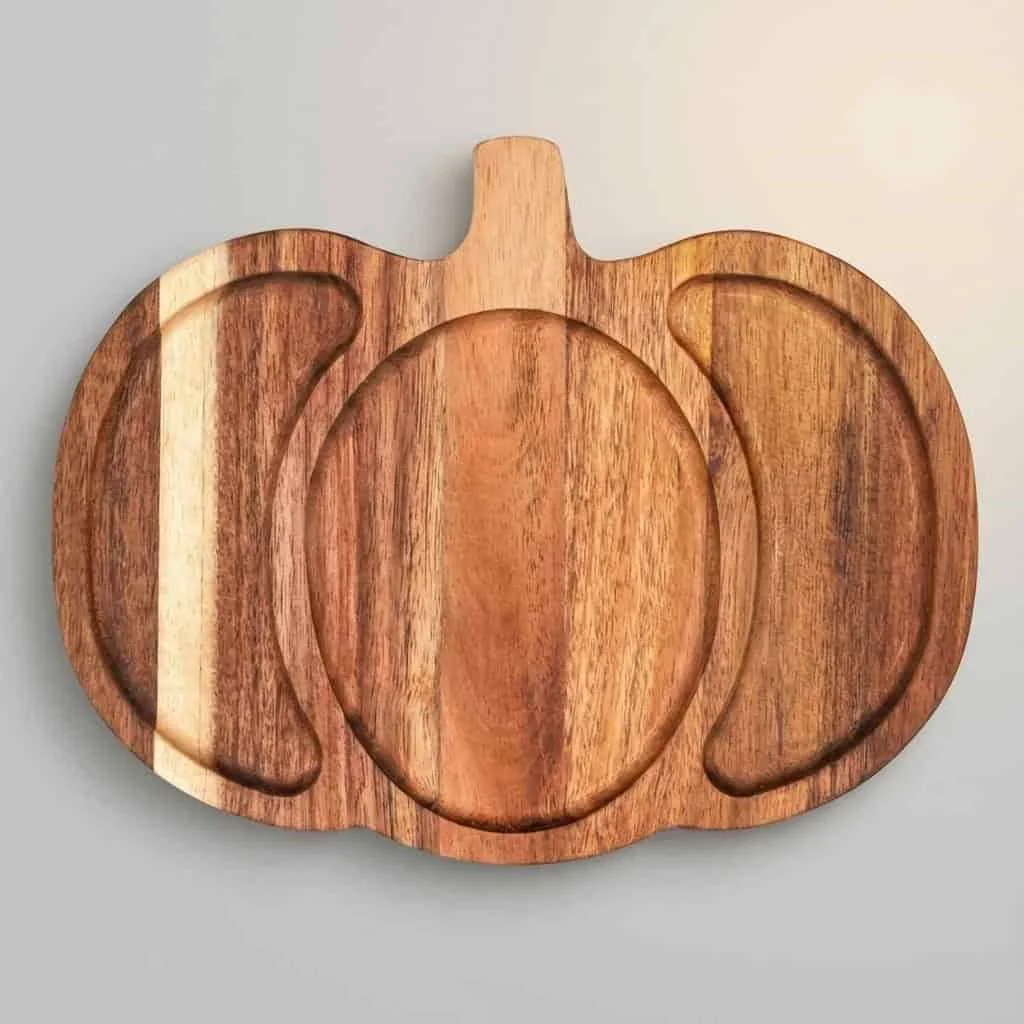
For entertaining, consider boards with handles or hanging holes, which make them easier to pass around or display on a kitchen wall. Some Hilonwood designs integrate recessed areas or small bowls for dips, helping organize the presentation.
Bread, Pizza and Roasts
Larger acacia boards are perfect for slicing bread, serving pizza or carving roasts at the table. A board with a deep juice groove around the perimeter catches meat juices, reducing mess and preventing spills on table linens. After carving, you can carry the entire board directly to the dining area.
Because acacia is relatively hard and stain‑resistant, it handles tomato sauce, oils and roasted vegetables well as long as you clean and dry it promptly afterward.
Kitchen Décor and Storage
Many home cooks display their favorite acacia wood cutting boards permanently on the counter or on wall racks. This keeps them within easy reach while adding warmth to the kitchen layout. Boards with attractive end grain patterns or custom engraving make particularly strong visual statements.
When storing multiple boards, avoid stacking them while still damp. Instead, use a rack or vertical storage solution that allows air to circulate around each board, preserving their shape and finish.
Environmental and Sourcing Considerations
Many consumers now look beyond immediate performance and consider how their kitchen tools impact the environment. Acacia can be an eco‑conscious choice if sourced responsibly.
Sustainability of Acacia Wood
Acacia trees often grow quickly in plantation settings and are used not only for wood products but also for erosion control and reforestation in some regions. When harvested and managed under sustainable forestry practices, acacia can represent a renewable, low‑waste material for cutting boards and furniture.
Ask suppliers about their sourcing practices, certifications where applicable, and how they manage waste in production. Manufacturers committed to long‑term sustainability often share this information openly on their websites. At Hilonwood, careful material selection and efficient production methods help minimize offcuts and energy use while delivering high‑quality acacia wood cutting boards.
Comparing Environmental Impact with Other Materials
Compared with plastic, which relies on fossil fuels and can contribute to microplastic pollution, acacia wood cutting boards are biodegradable and can often be repurposed or recycled when they reach the end of their life. Bamboo also offers a renewable source, but the heavy use of adhesives in many bamboo products can complicate recycling and end‑of‑life disposal.
Metal and glass boards last a long time but require more energy to produce and may be less practical for daily chopping because of their impact on knives. In many cases, a well‑made acacia board that lasts for years offers an attractive balance between performance and environmental responsibility.
When Custom Acacia Wood Cutting Boards Make Sense
While standard sizes and shapes suit most kitchens, there are situations where a custom board provides real functional and branding advantages.
Tailored Fit for Your Kitchen
If you have a specific countertop area, island, or sink over which you want a board to fit perfectly, custom dimensions can maximize your workspace. For example, a long, narrow acacia wood cutting board can transform a small galley kitchen into a more efficient prep zone without permanent renovations.
Some customers request boards that bridge over stovetops or under‑mounted sinks, creating extra cutting space while still allowing airflow beneath. Custom thickness and edge profiles can also be adjusted to match existing countertops or cabinetry details.
Branding for Restaurants and Retail
Restaurants, cafés and delis often present dishes directly on wooden boards, especially for shared plates and appetizers. Custom‑engraved acacia boards with a logo or name reinforce brand identity and create a memorable experience for guests.
Retailers and food brands may also collaborate with manufacturers like Hilonwood to develop private‑label acacia wood cutting boards. These can be tailored to specific audiences, whether for home cooks, grill enthusiasts or professional chefs.
Personal Gifts and Special Occasions
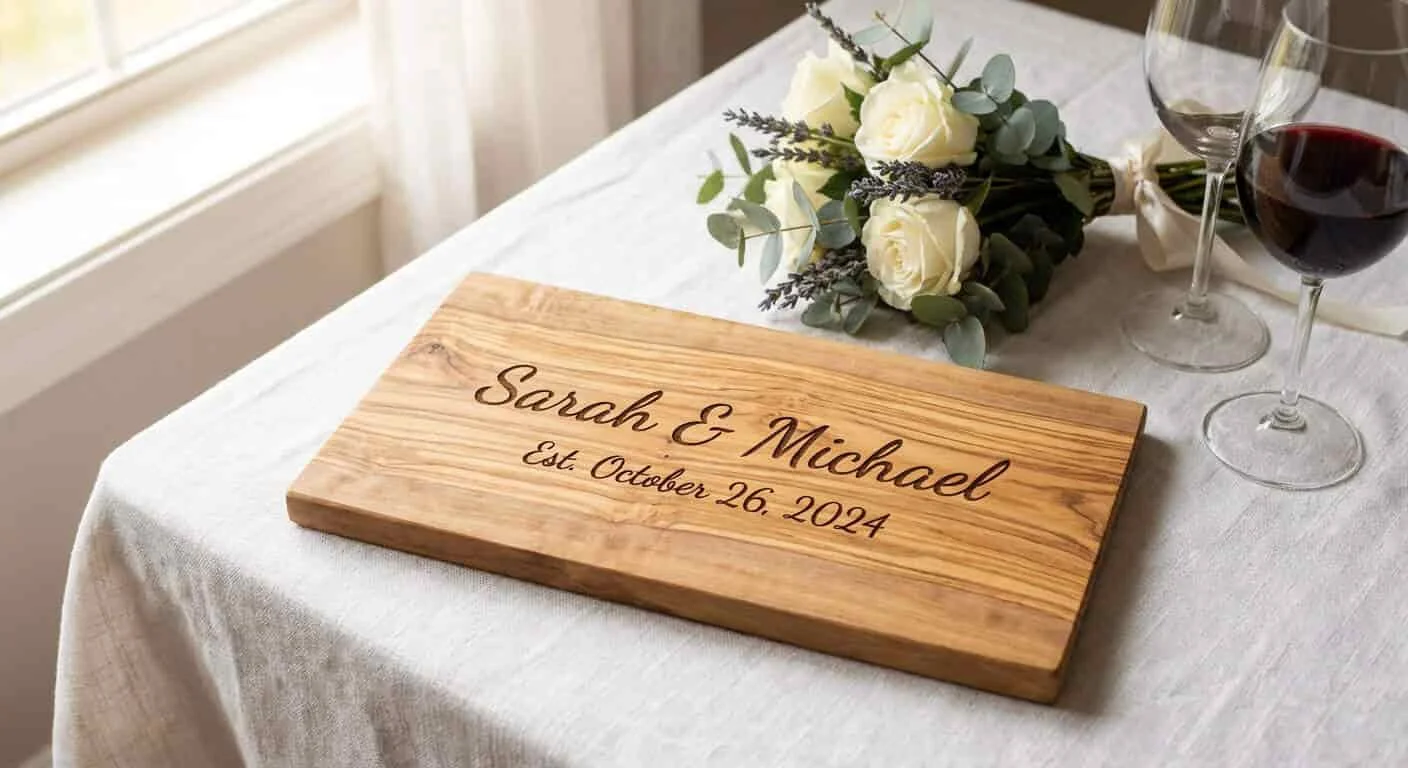
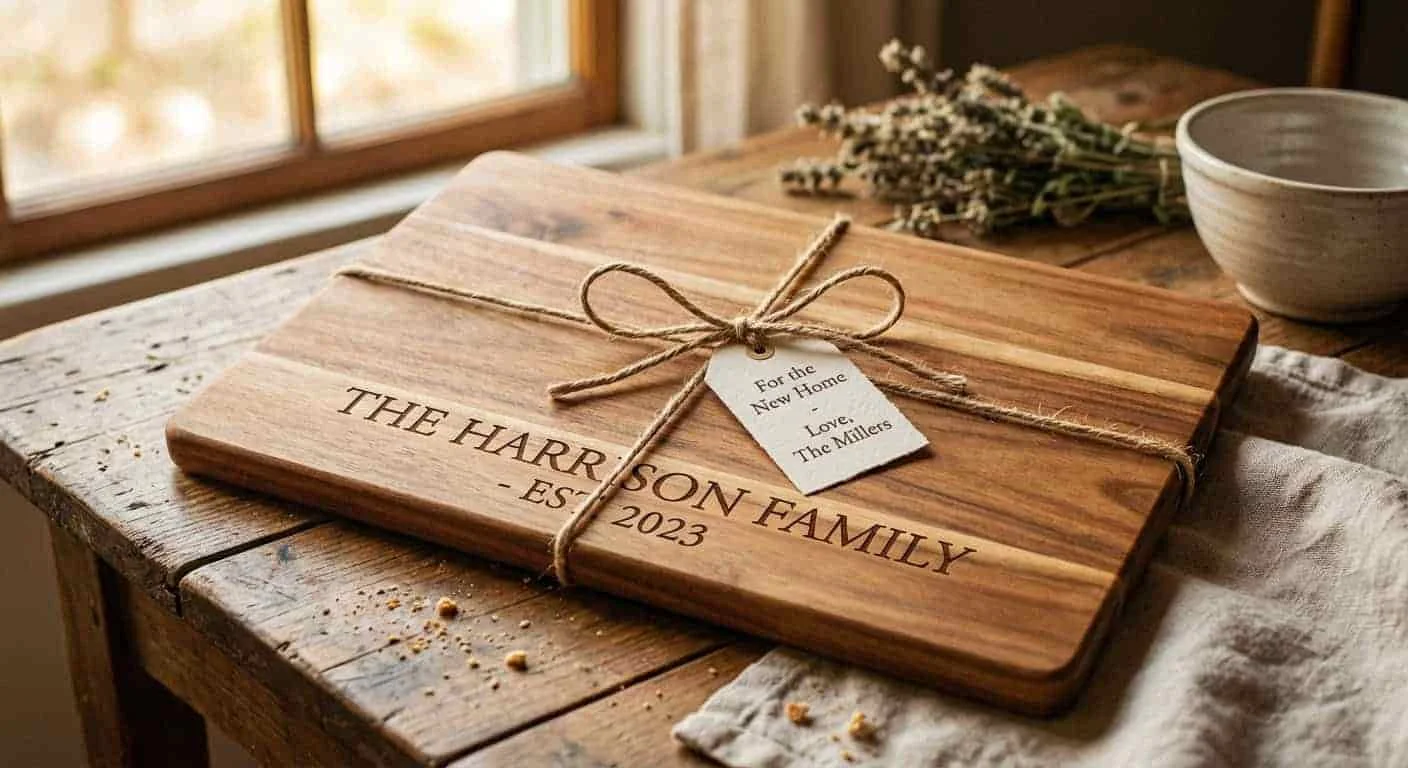
Personalized acacia boards make meaningful gifts for weddings, anniversaries, housewarmings and holidays. Engraved names, dates, or short messages turn a functional kitchen tool into a keepsake that recipients use and remember for years.
Hilonwood can advise on appropriate engraving depths and placements that preserve the cutting function while highlighting the design. For inspiration, you can check relevant showcase posts and project stories in the blog and news sections on our site.
Frequently Asked Questions About Acacia Wood Cutting Boards
Is Acacia a Good Wood for Cutting Boards?
Yes. Acacia is an excellent wood for cutting boards because it combines hardness, natural water resistance, distinctive beauty and relative affordability. When properly maintained, an acacia wood cutting board can serve reliably in both home and professional kitchens.
Will Acacia Wood Dull My Knives?
Acacia is firm but not excessively hard, so it is generally kind to knife edges. End grain acacia boards are especially knife‑friendly, as the vertical fibers allow blades to slip between them rather than cutting across them. Regular sharpening and proper cutting techniques matter just as much as the board material.
Can I Put an Acacia Board in the Dishwasher?
No. Dishwashers subject wood to high heat, aggressive detergents and prolonged moisture, all of which can lead to cracking, warping and delamination. Always hand‑wash your acacia wood cutting board with mild soap and warm water, then dry it immediately.
How Often Should I Oil My Acacia Cutting Board?
Oiling frequency depends on use and climate. A new board may need oiling once a week for the first month. After that, most home cooks find that once every three to four weeks keeps the board looking and performing well. If the surface appears dry, pale or starts to feel rough, it is time to re‑oil.
Is Acacia Wood Safe for Food Contact?
Yes, acacia is widely used for food‑contact items such as cutting boards, utensils and serving ware. As with any wooden board, safety depends on correct finishing (food‑safe oil or conditioner) and regular cleaning. Buying from a reputable manufacturer ensures that safe finishes and adhesives are used.
Can I Use Both Sides of My Acacia Board?
Many acacia boards are fully reversible, especially those without rubber feet or one‑sided features like engraved logos or deep juice grooves. Using both sides can extend the life of the board and help it dry more evenly. Always ensure the board is stable and does not rock before cutting on either side.
Conclusion: Is an Acacia Wood Cutting Board Right for You?
An acacia wood cutting board offers a compelling mix of performance, style and durability. Its hardness and natural oils support everyday chopping and slicing, while its striking grain makes it equally at home as a serving board for guests. Compared with bamboo, plastic and many other woods, acacia often delivers a better balance of knife‑friendliness, water resistance and visual appeal.
If you value a board that looks as good as it works, and if you are willing to hand‑wash and oil it periodically, acacia is an excellent choice. For cooks with specific size or branding requirements, custom acacia solutions from manufacturers such as Hilonwood can turn a simple kitchen tool into a centerpiece of your culinary space. To explore product options, material details and customization possibilities, visit Hilonwood’s Wooden Cutting Boards page and discover how a well‑made acacia board can elevate your daily cooking and dining experience.