
Custom 12 Bottle Pine Wood Wine Crates for Wholesale & Manufacturer
Standardized 12-bottle capacity wine shipping crates utilizing robust finger-joint construction and raw pine wood for cost-effective, high-volume B2B distribution and commercial warehousing.
Key Features
- Capacity: 12 standard 750ml wine bottles.
- Construction: Solid pine wood with rigid finger-joint corner connections.
- Dimensions (External): 53cm x 35cm x 19cm.
- Hardware: Integrated carry handles and a practical hinge lid design.
- Branding: High-fidelity flexographic printing for logo application.
- Internal Protection: Contoured, interlocking wooden bottle separators (required).
$6.9 - $9.7 / piece
Prices vary based on order quantity, dimensions, material selection, and logo printing method. Send an inquiry.
Specifications
- Wood Type
- Pine
- Capacity
- 12 Bottles (Standard 750ml)
- Dimension
- 53*35*19CM
- Design
- Traditional Crate with Latches and Handles
- Surface Finish
- Flexible Printing
- Usage
- Bulk Shipping, Retail Display, Premium Packaging
- Customization
- Full OEM and ODM service (size, material, logo)
Applications
Commercial Winery Wholesale Shipments
Distributor-facing shipments of core varietals. This configuration prioritizes maximum protection and density over premium shelf appeal, perfect for palletized transport from warehouse to high-volume retailers.
Private Label Volume Programs
Custom branded packs for large-scale corporate gifts or retail programs. The raw finish provides a customizable foundation, allowing the branding (rather than the wood) to be the focal point of the presentation.
Wine Club Fulfillment Centers
Streamlined bulk packing for wine club subscription services. The integrated handle and easy-access hinge lid speed up packing operations, while the raw pine finish keeps unit costs low — an advantage when shipping thousands of identical cases monthly. For subscription programs that scale beyond 12 bottles, our custom wooden wine boxes collection includes crate configurations for any bottle count.
Customization Options
Dimensions are fully adaptable. We can scale the 12-bottle layout for oversized bottles (e.g., Magnums) or alternative configurations (e.g., 6+6 lay-flat vs 3x4 vertical), directly impacting per-unit shipping efficiency.
While this case study focuses on functional raw pine, we offer alternative finishes. For high-end retail display, a clear lacquer, dark walnut stain, or even a charred torch effect adds significant perceived value but increases unit cost and lead time. Sanding can also be upgraded for a splinter-free touch.
Beyond finish treatments, alternative wood species shift the fundamental performance profile of the crate. Birch delivers a cleaner, brighter grain with reduced weight, while paulownia cuts weight dramatically for air-freight-sensitive projects — each species brings a different balance of strength, weight, and surface quality. See our wood species reference for density, grain, and finishing characteristics of each option.
The current specification uses interlocking wood separators, which offer superior structural bracing. Alternatives like die-cut cardboard inserts reduce weight and cost but sacrifice bottle-to-bottle impact protection—a trade-off we only recommend for controlled, short-distance transit.
We specialize in multiple branding techniques. Flexo printing is the most economical option for large runs (as shown here). Laser engraving provides a premium, permanent mark but is slower and more expensive per unit. For high detail, a metal plaque or direct screen printing offers alternative visual impacts.
Ready to get a recommendation?
Send us your requirements — we'll respond with material and production recommendations within 24–48 hours.
Why This Design Works
Structural integrity relies entirely on precision corner joints. This 12-bottle crate is designed for bulk transport, meaning the primary engineering constraint is stack strength. A simple butt joint is insufficient; we exclusively utilize finger-jointing for this design. Interlocking the wood fibers creates a massive increase in glue surface area, transforming the box from a flimsy container into a rigid, structural truss that can withstand the compounding vertical loads of multiple stacked layers during sea freight and warehousing.
Raw pine is a strategic choice balancing weight, cost, and raw strength. We specify solid pine (rather than ply or MDF) because it provides the best modulus of elasticity (i.e., it absorbs impact better than more rigid options) at a commercially viable price point. It’s light enough to minimize shipping dimensional weight penalties but dense enough to hold fasteners securely. While a stained or finished box *looks* more premium, we argue that for functional shipping packaging, that cost is better diverted into better-quality internal separators. For applications where the natural wood grain is the primary aesthetic rather than a printing substrate, our natural pine wood 12 bottle wine transport crate takes a different approach — an unfinished, raw look that emphasizes the material itself.
Interlocking wooden inserts are the unspoken differentiator. Many suppliers cut corners with cardboard or generic foam; that is a critical mistake for a 12-pack configuration. In this case, we engineered contoured, precision-cut wood dividers that interlock perfectly. This doesn’t just keep the bottles from touching; it *stiffens* the entire crate from the inside, preventing twisting or crushing and ensuring that every bottle is fully braced against multi-directional impacts during rough handling. We feel that specifying high-quality separators is theSingle. Best. Investment. in product safety.
Manufacturing Considerations
Managing pine’s dimensional stability is our single biggest challenge. Pine, especially the economical grades used for large boxes, is extremely hydroscopic. As a manufacturer in Cao County (where humidity varies greatly), we strictly monitor the raw material's moisture content before processing. If we build with wood that's too 'wet,' the beautiful finger joints we just cut will shrink and pull apart months later when the crate reaches a dry climate. Our quality control protocol includes mandatory oven-dry testing and conditioned storage for finished components.
Precision depth for the separators is critical for stacking. We cannot emphasize enough how important it is that the internal wood dividers are milled to *exactly* the internal height of the box. If they are slightly too high, the lid won't seal properly, resulting in a wobbly, unstable base for the next crate stacked on top. If they are slightly too low, the bottles themselves (not the box) bear the load of the stack. This is a common failure point that Hilon's precision tooling setup specifically addresses during production.
Flexo printing on raw wood requires art manipulation. Printing a logo onto a slightly porous, textured surface like raw pine is different than printing on a sticker. We have a watch-out for overly complex, fine-line graphics. Our prepress team proactively adjusts customer artwork—increasing line weights, trapping colors, and compensating for potential 'bleed'—to ensure that the final flexographic print is sharp, legible, and consistent across thousands of units without becoming a blurry mess. For a broader perspective on when wood packaging outperforms alternatives, see our post on why wooden wine boxes are popular for wine packaging — covering protection, presentation, and the full value proposition of wood over cardboard.
Have a technical concern about your use case? Our team can walk you through how we'd handle it for your project.
For a reliable B2B workhorse, this 12-bottle pine crate with finger joints is the optimal baseline configuration. The raw finish is perfect for warehousing and volume distribution. We strongly recommend spending your budget on precision-cut wooden separators—they provide the best ROI in terms of product protection. To significantly elevate the perceived value for retail programs without the cost of a full stain, consider a dark laser-engraved logo and perhaps an upgrade to a smoother, sanded texture on the lid. Skip the fancy metal corner protectors unless you have severe handling issues; they add cost and catch on clothing.
Start Your Project
Send us your design or reference images — we'll return with a pre-production sample for your approval.
Related Products
You may also be interested in
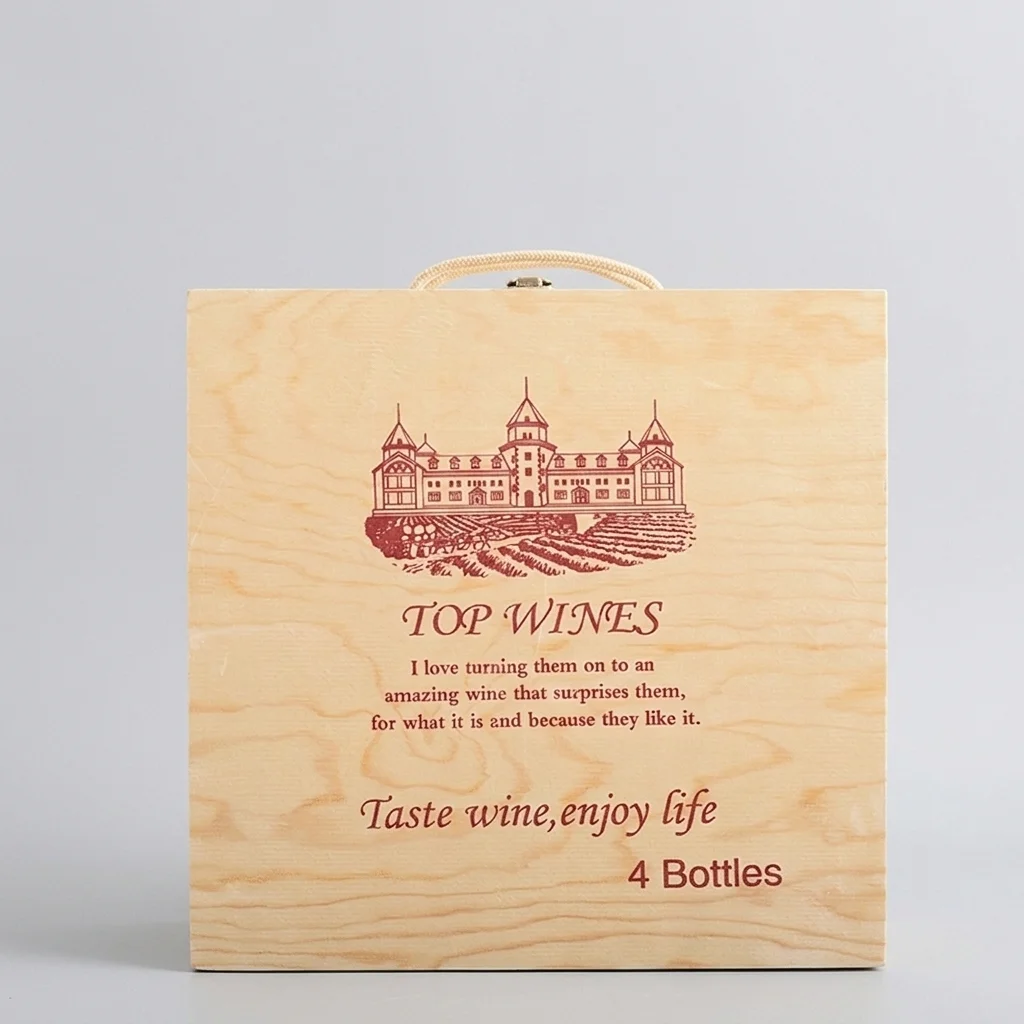
Custom 4 Bottle Vintage Wooden Wine Crate, Natural Pine Construction - Manufacturer & Wholesale Supplier
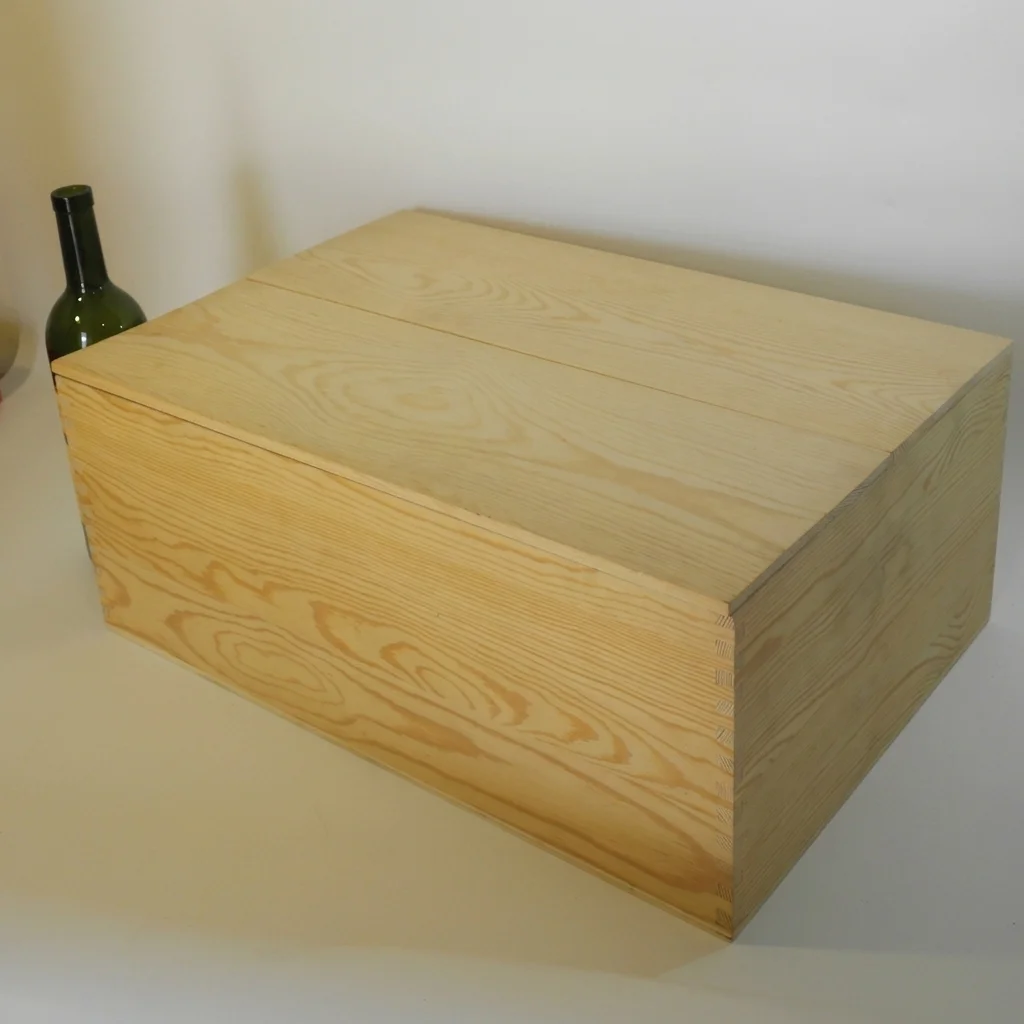
Natural Pine Wood 12 Bottle Wine Transport Crate Manufacturer & Wholesale Supplier
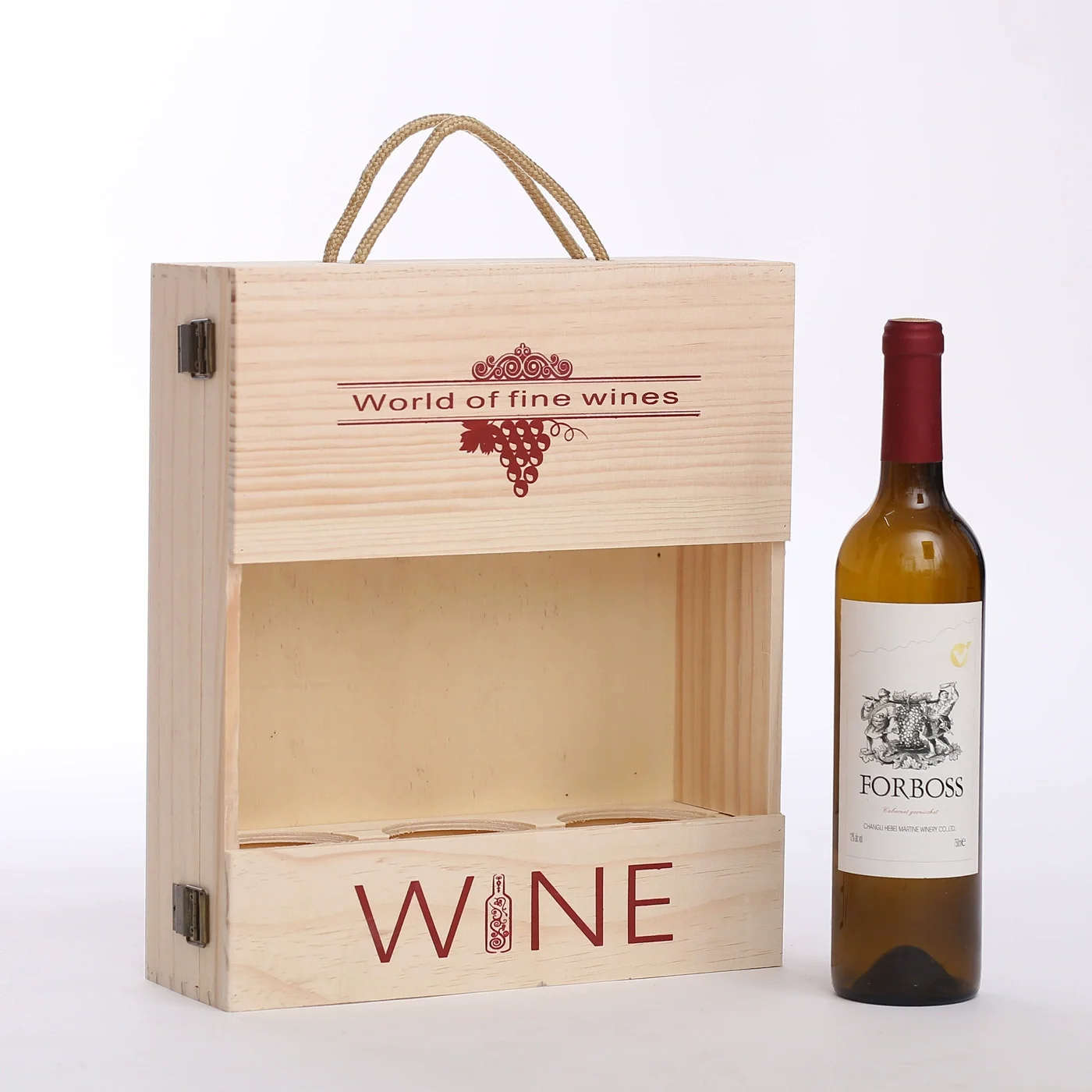
Natural Custom 3 Bottle Wooden Wine Boxes for Wholesale and Corporate Gifting - Manufacturer & Wholesale Supplier
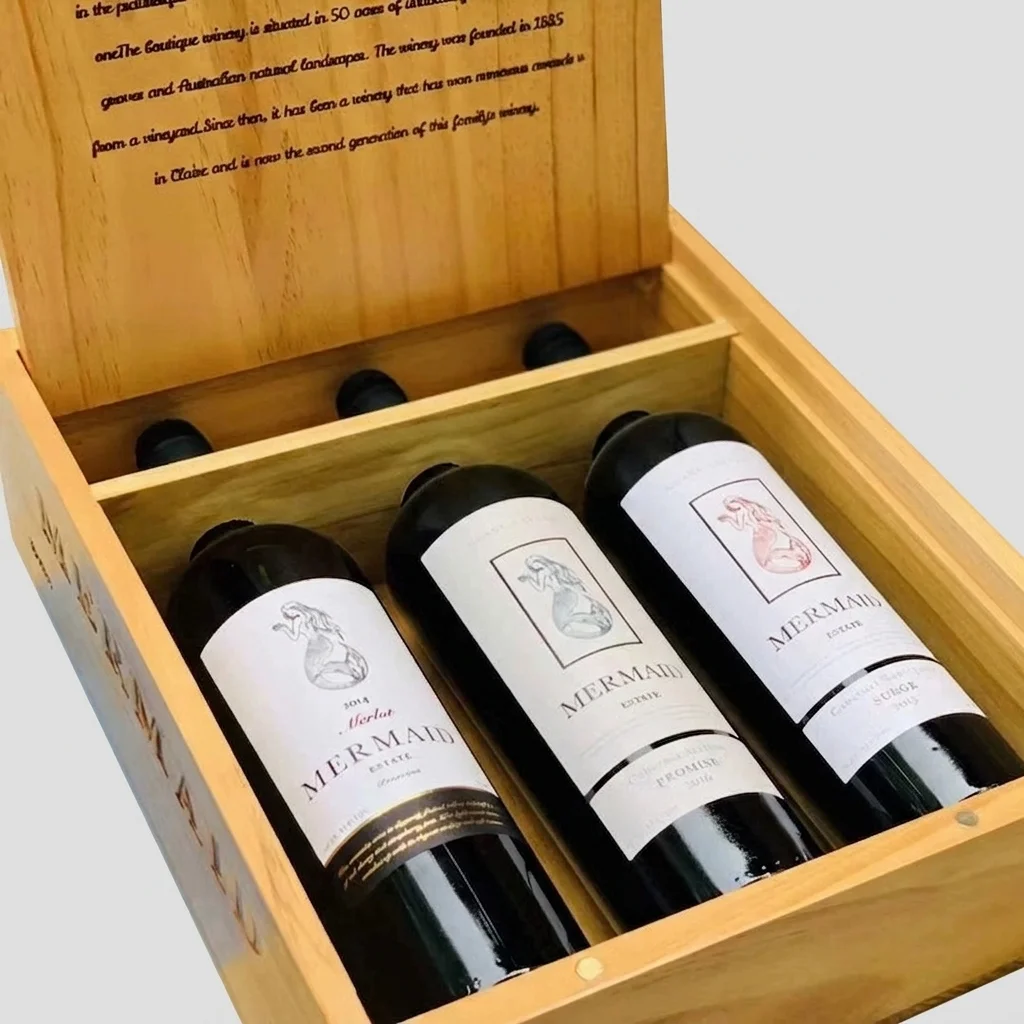
Custom 3 Bottle Pine Wine Box with Branded Logo - Manufacturer & Wholesale Supplier
Frequently Asked Questions
Q: How do you handle the potential for splinters on raw wood crates?
Q: Why use wood separators instead of cheaper cardboard inserts for a 12-pack?
Q: Can this 12-bottle case handle varied bottle shapes, like wider Burgundy or taller Riesling?
Q: What is the impact of different printing methods on the pine wood surface?
Q: How do you prevent the pine wood from warping during sea freight transit?
Send Us Your Requirements
Send your design, reference images, or product sample. We don't just quote a price — we respond with material recommendations, a feasibility assessment, and professional suggestions grounded in over 20 years of manufacturing experience. Expect a detailed response within 24–48 hours.
- Professional recommendations included
- Small MOQ & trial orders supported
- Worldwide shipping with export documentation