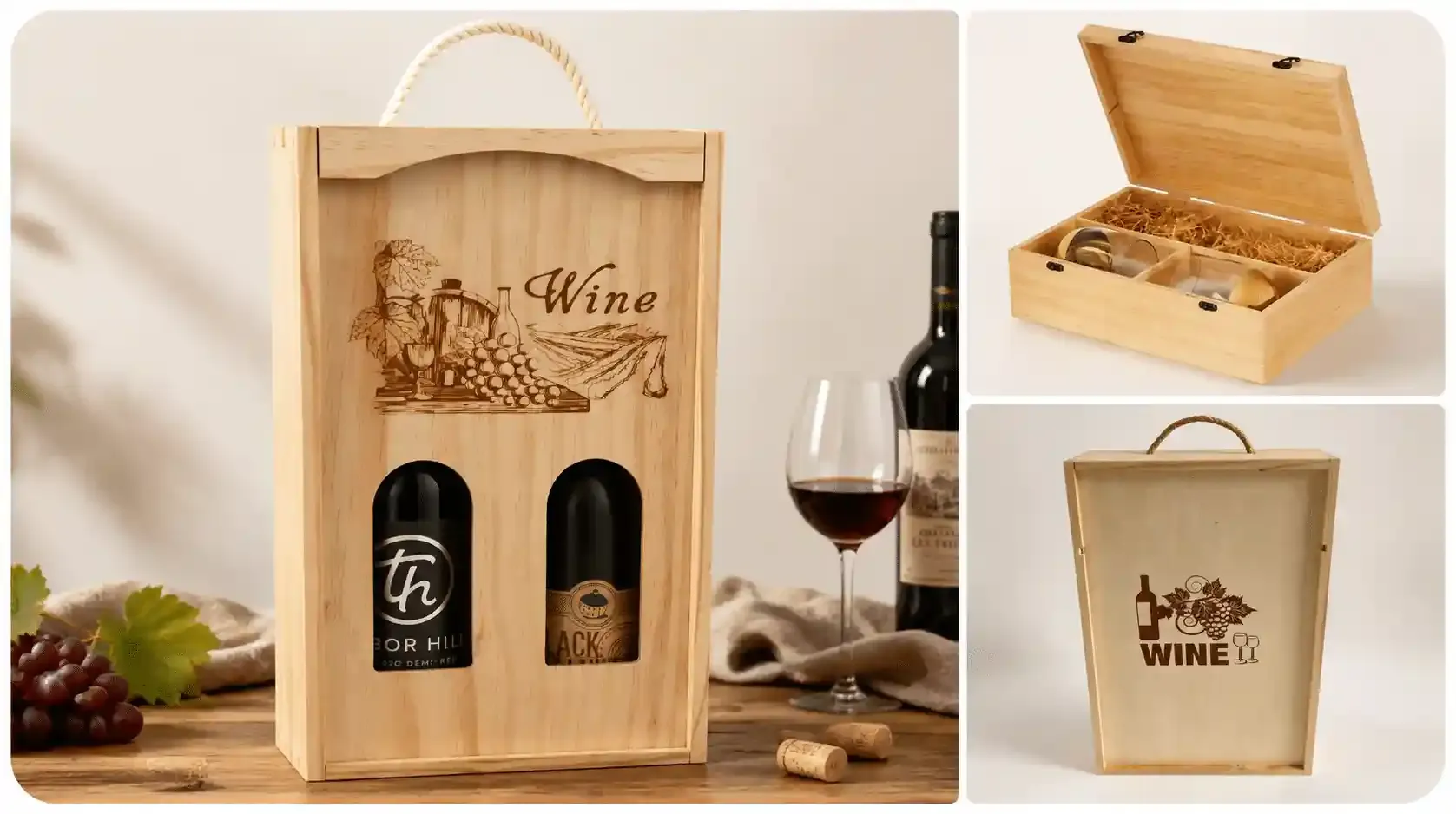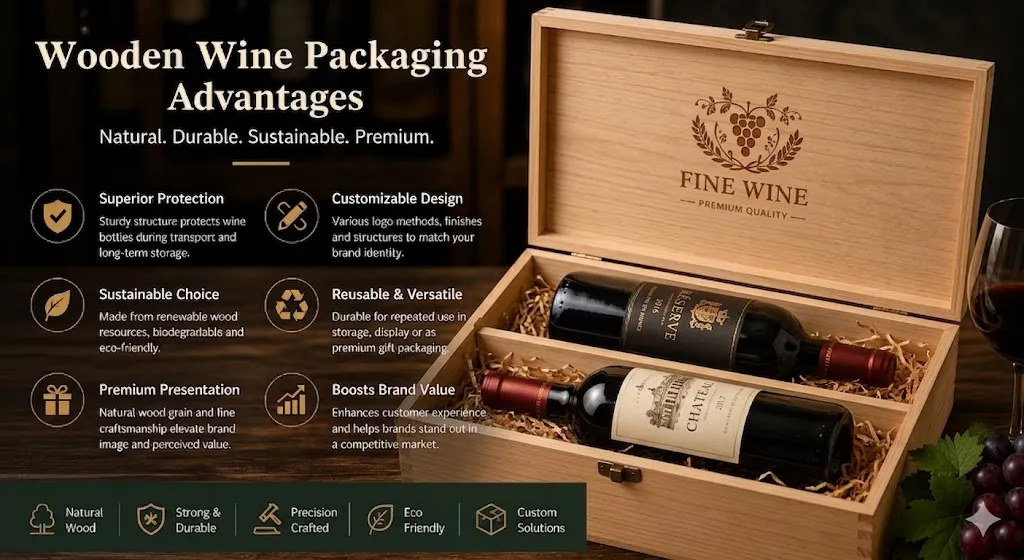
Wooden wine packaging is widely used in premium wine markets, especially for gifting, retail display, and brand positioning.
Compared with paper-based packaging, wood provides stronger protection, a more stable structure, and a higher perceived value. These factors help explain why wooden wine boxes continue to be used in many wine packaging applications.
Understanding these wooden wine packaging advantages can help wineries, distributors, and packaging buyers make more practical decisions based on product positioning.
The Timeless Appeal of Wooden Wine Packaging
From small family vineyards to large-scale wineries, wooden wine boxes have long been associated with quality and tradition. While modern packaging materials are widely available, wood continues to be used because it addresses both practical needs and customer perception.
One of the reasons behind this continued demand is that wooden packaging combines durability with a strong visual presence. It protects fragile wine bottles during transport while also creating a more stable and premium presentation at the point of sale. These characteristics reflect some of the key wooden wine packaging advantages, making it suitable for higher-value products.
In many wine-related projects, wooden packaging is frequently selected for gift sets, limited editions, and branded collections. This is not only due to its protective function, but also because it helps communicate craftsmanship and attention to detail—qualities that are often important in wine marketing.
As a result, wooden wine boxes are often used when a product needs to stand out, whether on retail shelves or in gifting scenarios. The packaging itself becomes part of the overall experience, reinforcing the perception that the product is distinctive, collectible, or intended for special occasions.
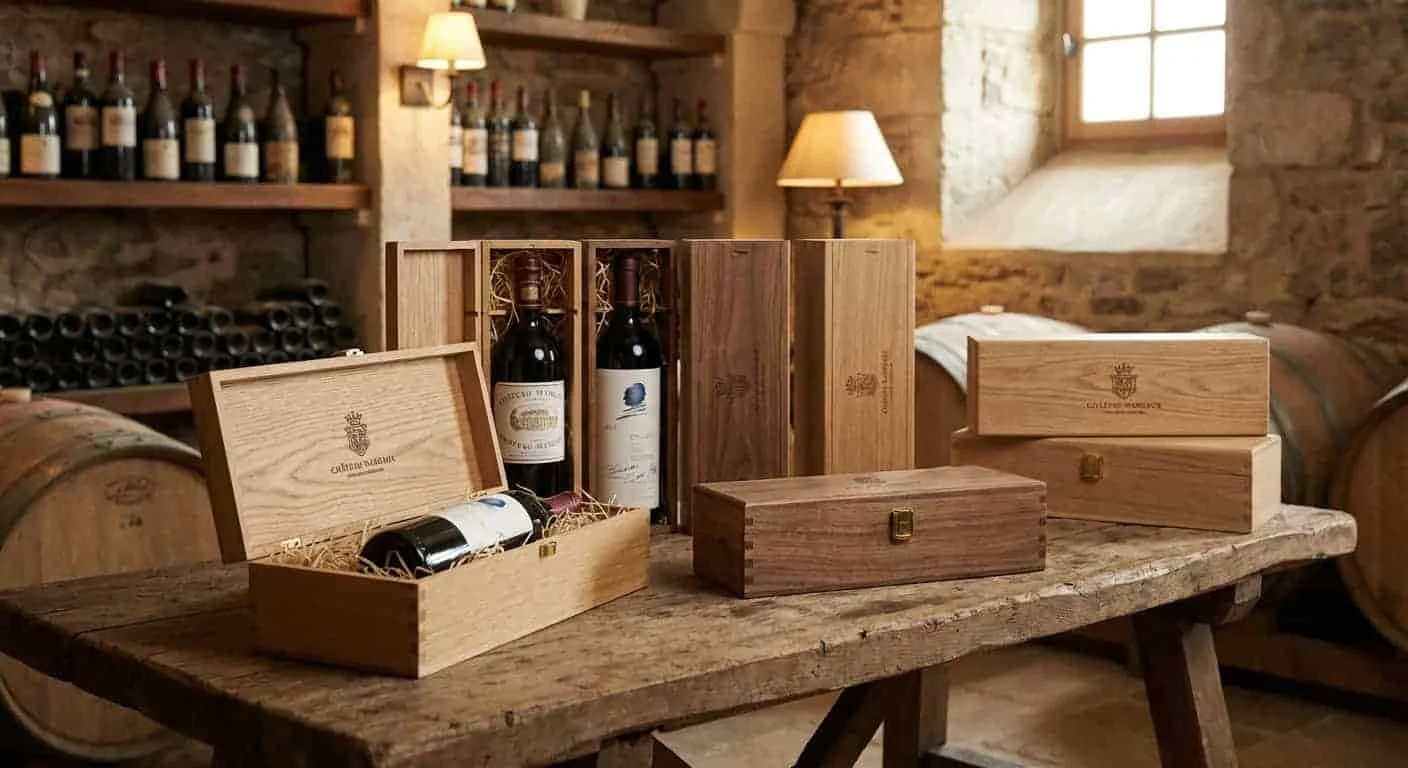
How Wooden Wine Packaging Protect Wine Bottles
One of the primary functions of wine packaging is to keep bottles safe during transport and storage. Glass bottles are fragile, relatively heavy, and costly to replace once damaged.
Compared with lighter packaging materials, wooden structures provide stronger and more stable protection. This is one of the key wooden wine packaging advantages, especially for products that require reliable handling during shipping.
Structural Strength and Impact Resistance
Wood is naturally rigid and resistant to impact. A properly constructed wooden wine box can handle stacking during shipping, minor drops, and side pressure more effectively than many cardboard-based options.
This level of strength becomes particularly important when handling premium wines or larger bottle formats, where breakage can result in higher losses.
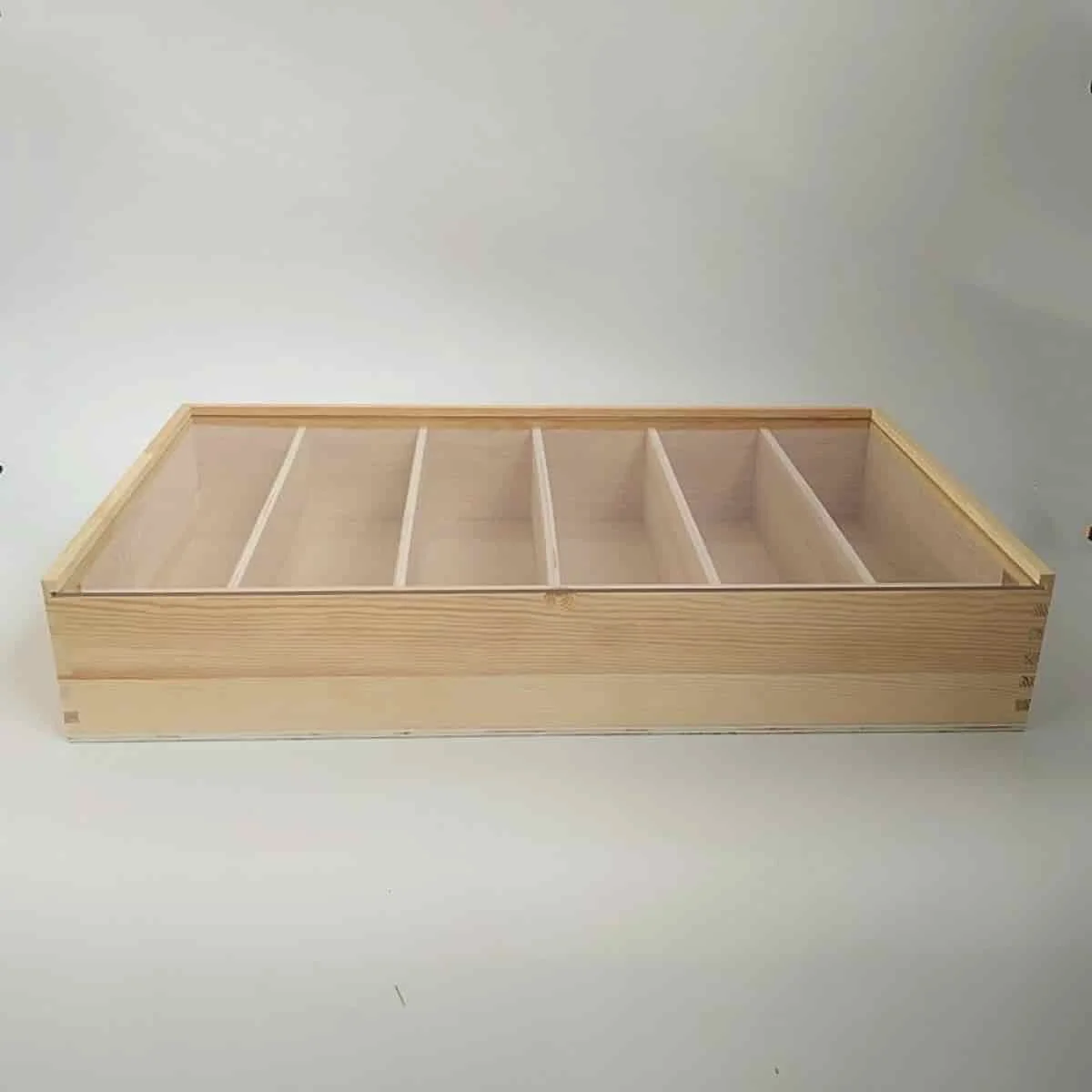
To improve protection, wooden packaging is often designed with internal dividers, reinforced corners, and well-fitted bottle compartments. These features help limit internal movement and create a buffer against external force, reducing the risk of cracks, damaged corks, or label wear.
Protection Against Environmental Factors
While wooden wine boxes are not a substitute for proper cellar conditions, they do offer additional protection against sudden temperature changes, light exposure, and physical abrasion. The thickness of wood panels provides a modest insulating layer, which is helpful during short‑term transport.
When combined with internal padding or inserts, wooden wine packaging also helps maintain bottle stability and cork integrity. A stable bottle position reduces the chance of cork disturbance that might compromise long‑term aging.
Table: Protection Comparison of Common Wine Packaging Materials
| Packaging Material | Impact Protection | Stacking Strength | Label Protection | Typical Use Cases |
|---|---|---|---|---|
| Wooden Wine Boxes | High | High | Excellent | Premium bottles, gifting, export shipments |
| Corrugated Cardboard Boxes | Medium | Medium | Good | Everyday retail, internal logistics |
| Rigid Cardboard Gift Boxes | Medium | Medium | Good | Gift sets, mid‑range branding |
| Metal Tins | High | High | Very Good | Limited editions, niche branding |
| Fabric or Paper Gift Bags | Low | Low | Poor | Short‑distance gifting, retail add‑on |
The Premium and Aesthetic Value of Wooden Wine Packaging
Beyond protection, one of the strongest reasons wooden wine boxes are popular is their ability to signal value and craftsmanship instantly. The tactile feel of natural wood, the weight of the box, and the scent of the material all contribute to a multi‑sensory experience.
Perceived Luxury and Gift‑Readiness
A bottle presented in a wooden wine box is immediately perceived as more valuable than the same bottle in a standard cardboard carton. Retail customers and corporate clients often associate wood with heritage, authenticity, and careful workmanship.
For this reason, many wineries choose wooden wine packaging for reserve ranges, limited editions, and special vintages. A custom wooden wine box transforms a single bottle into a ready‑made gift set that requires no extra wrapping. This convenience drives higher conversion rates for holiday and corporate gift sales.
Brand Storytelling Through Material Choice
Wood as a material naturally fits into the wider narrative of winemaking. Wine already involves oak barrels, wooden racks, and traditional cellars. By choosing wooden wine packaging, a brand visually and symbolically extends that narrative from the cellar to the consumer.
Producers that emphasize craftsmanship or organic production frequently select unfinished or lightly finished woods to express authenticity. Others prefer stained or lacquered finishes to communicate contemporary luxury. In both cases, the tactile nature of wood supports deeper brand storytelling than many synthetic materials can offer.
Showcasing the Bottle and Label
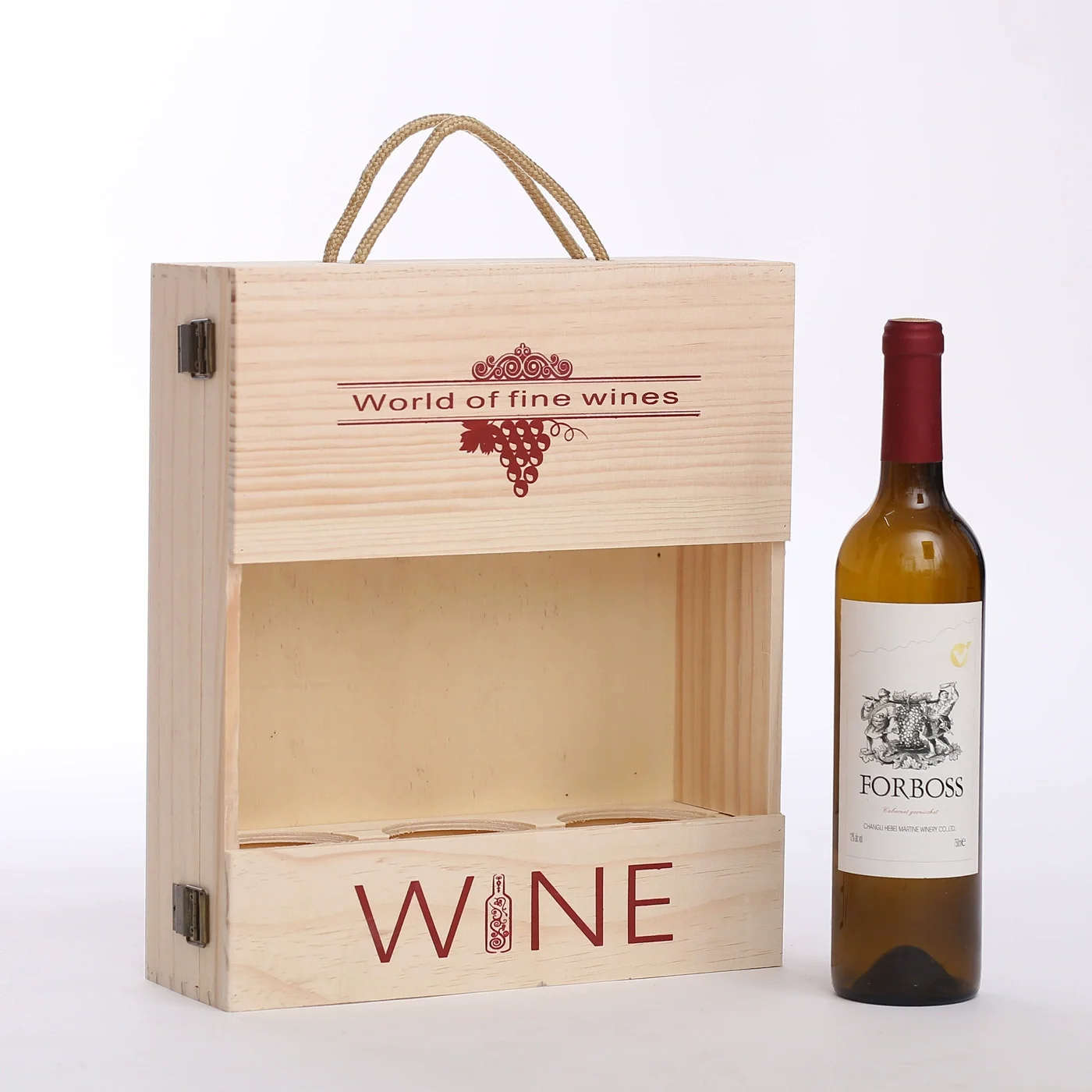
Wooden wine boxes can be designed with sliding lids, hinged lids with transparent windows, or open‑front display styles. This flexibility allows the wine label and bottle design to remain visible, turning the packaging into a miniature display cabinet.
Especially in retail environments, a beautifully made wooden wine gift box on the shelf stands out immediately. The combination of wood grain, engraved branding, and a carefully arranged bottle creates a premium presentation that is difficult for competitors to ignore.
Customization Possibilities with Wooden Wine Boxes
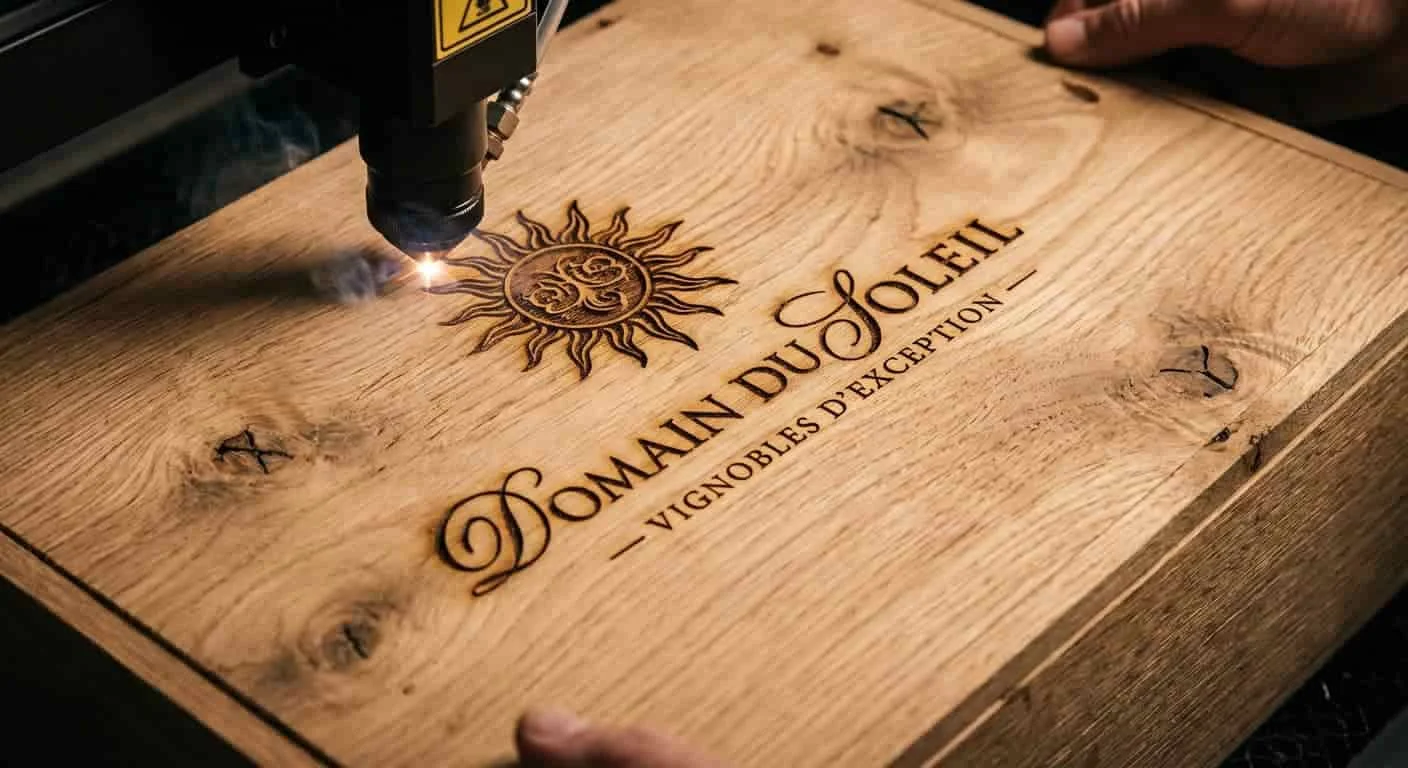
Another major reason wooden wine boxes are popular is the almost limitless customization options. Unlike many mass‑produced packaging formats, wood can be easily cut, engraved, printed, stained, or assembled into different structures.
Size, Structure, and Capacity Options
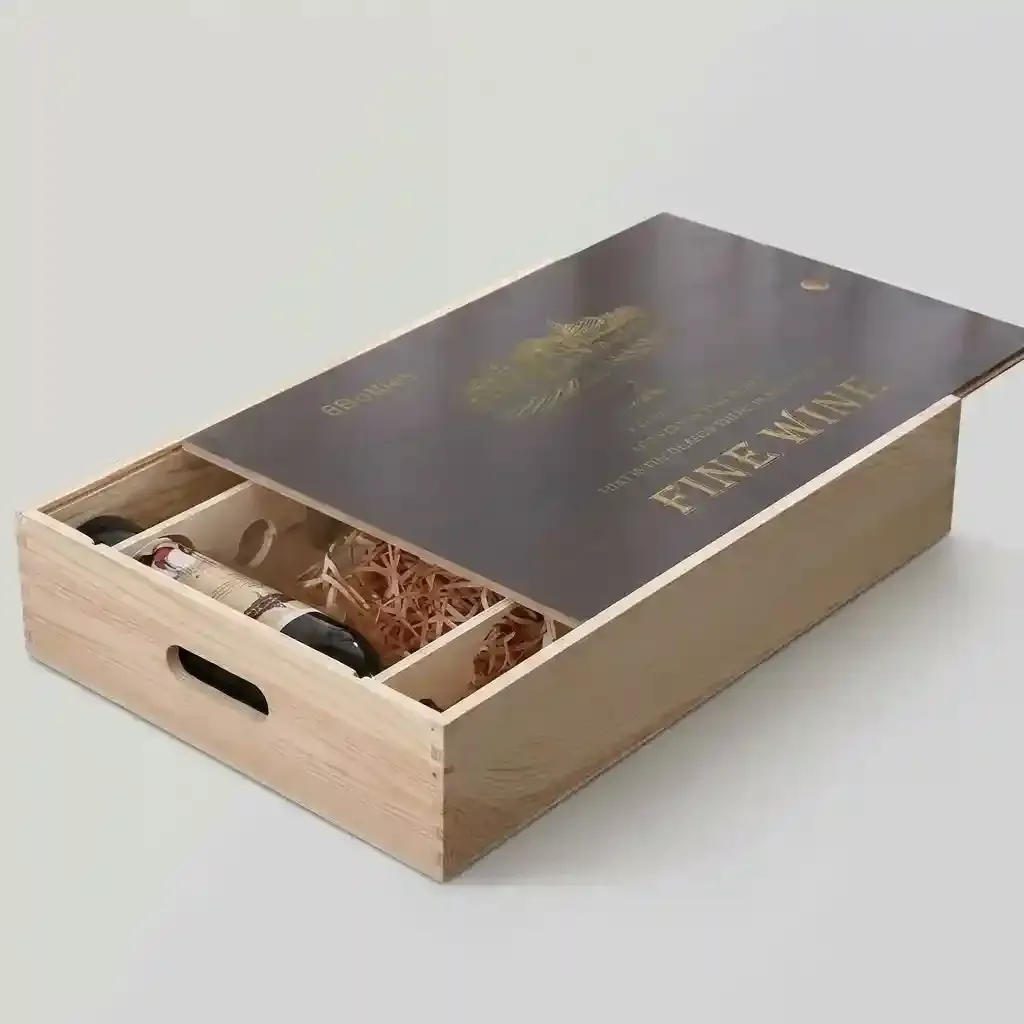
Wooden wine packaging can be tailored to hold a single bottle, two bottles, three bottles, six bottles, or more. Internal dividers can be fixed or removable, and the same external box size can accommodate different bottle shapes with customized inserts.
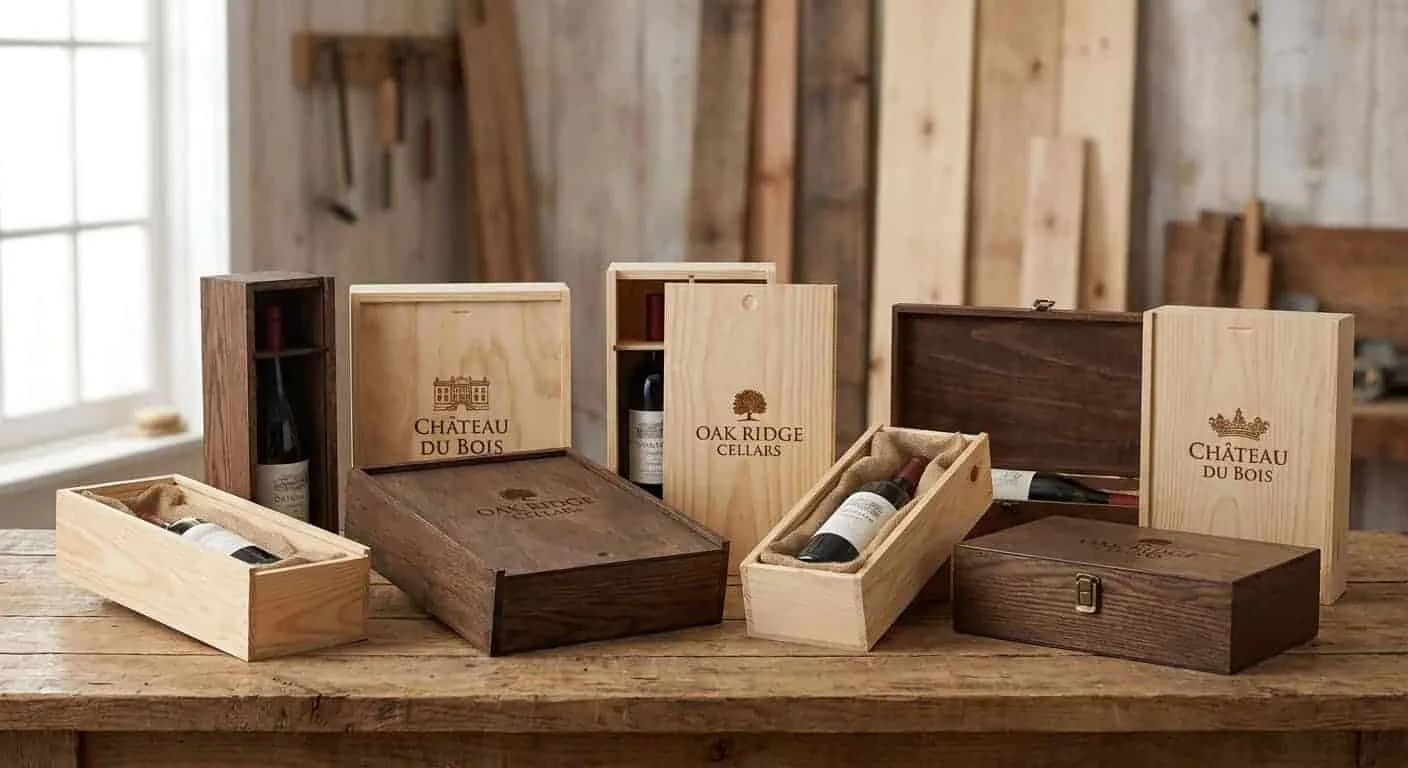
Common structural variations include:
• Single‑bottle wooden wine boxes with sliding lids.
• Double or triple bottle boxes with hinged lids and metal clasps.
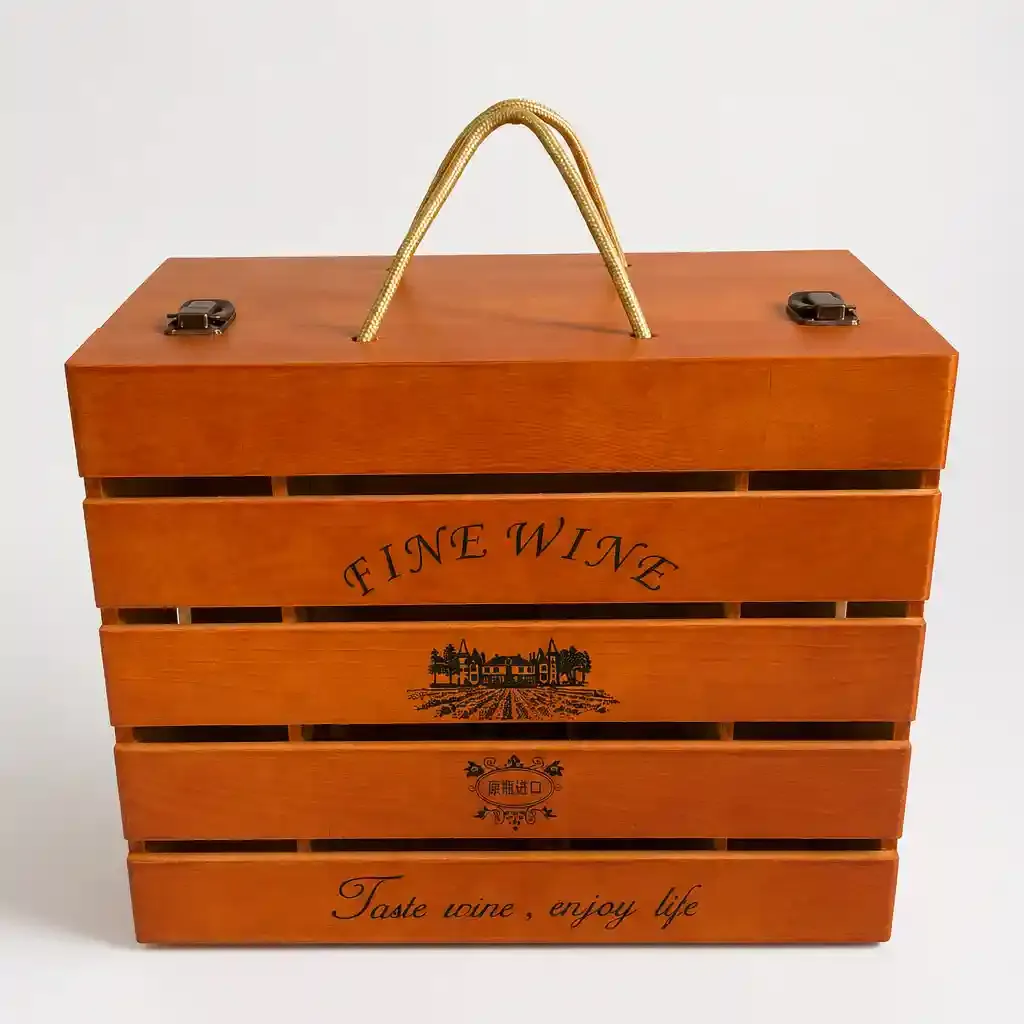
• Crate‑style wooden cases for six or twelve bottles.
• Presentation boxes with transparent acrylic windows.
• Trunk‑style boxes that combine wine and accessories.
On Hilonwood’s wooden box category, wineries and retailers can find a variety of base structures that can then be customized according to branding needs and budget.
Branding Techniques: Engraving, Printing, and Hardware
Branding is where wooden wine boxes truly shine. A logo or message carved into real wood has a permanence and authenticity that printed cardboard cannot match.
Popular branding techniques include:
Laser Engraving: Creates precise, high‑contrast logos, text, and graphics burned into the wood surface. Ideal for detailed artwork and long‑lasting branding.
Screen Printing or UV Printing: Adds color logos and designs to the box surface. Suitable for brands that rely on strong color identities.
Hot Stamping: Applies metallic foils (gold, silver, copper) to logos or accents, giving an extra level of luxury.
Custom Hardware: Branded metal clasps, hinges, and plates can further differentiate the packaging, especially for high‑end collections.
Hilonwood regularly produces custom wooden wine boxes for private labels, event gifts, and corporate programs, combining engraving, printing, and personalized hardware in a single project.
Personalization for Gifts and Events
Beyond winery branding, wooden wine boxes are also highly popular for personal gifts and events because they can be individualized with names, dates, and messages. This is particularly common for weddings, anniversaries, business milestones, and holiday gifting.
For example, a customer might choose an engraved wine box with the couple’s names and wedding date, then place a bottle of their favorite vintage inside. The box becomes both the packaging and a lifelong keepsake. Retailers and corporate buyers value this versatility because it allows the same core product to appeal to many different occasions simply through customized engraving.
Sustainability and Environmental Considerations
Sustainability has become a critical factor in packaging decisions across all industries, including wine. Wooden wine boxes can offer strong environmental advantages when produced from responsibly managed forests and when they are reused or recycled.
Renewable Material from Managed Forests
Wood is a renewable resource, particularly when sourced from certified sustainable forests. Certifications such as FSC (Forest Stewardship Council) and PEFC (Programme for the Endorsement of Forest Certification) set rigorous standards for responsible forestry.
According to the Forest Stewardship Council, responsibly managed forests can help maintain biodiversity, protect water sources, and support local communities. Choosing certified wood for packaging allows wineries and brands to align their packaging decisions with environmental commitments.
Hilonwood works with stable wood suppliers and can accommodate requests for FSC‑certified materials for wooden wine packaging projects, making it easier for brands to integrate sustainability into their packaging strategy.
Reusability and Extended Product Life
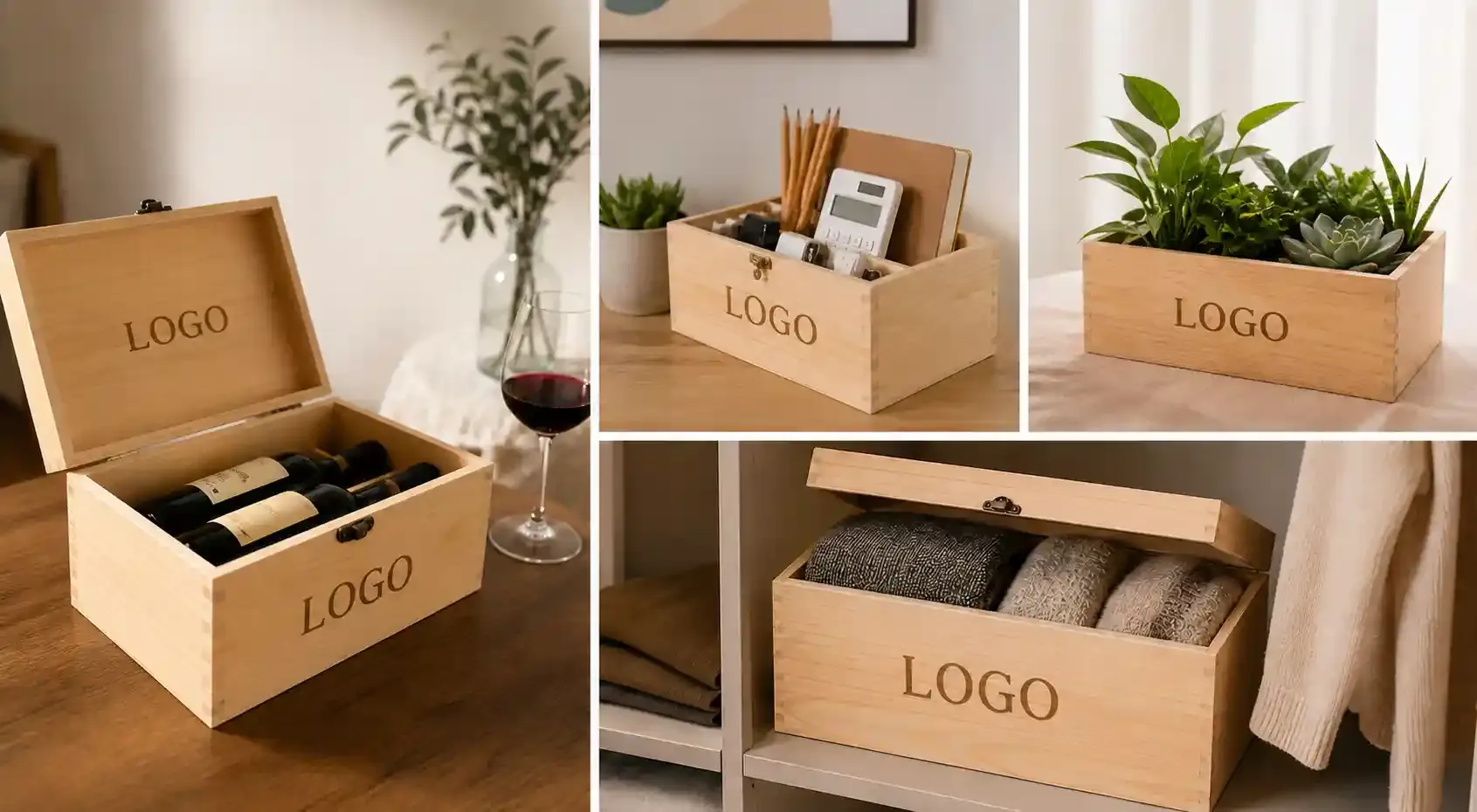
Unlike most cardboard or plastic packaging, quality wooden wine boxes are rarely thrown away immediately. Customers frequently repurpose them for home storage, decor, or further gifting. This extended life dramatically improves the effective environmental performance of the packaging.
Typical reuse scenarios include:
• Storage for keepsakes, photos, or letters.
• Kitchen or bar organization for utensils, corkscrews, or bar tools.
• Decorative display boxes for books, candles, or small plants.
• Re‑gifting containers for future wine or gourmet products.
Because the wooden wine box continues to live in a customer’s home, the brand’s logo or message also enjoys long‑term visibility, effectively turning packaging into a durable marketing asset.
Comparing Sustainability of Wood and Other Materials
| Material | Renewability | Typical Reuse Rate | Recycling Options | Perceived Eco‑Friendliness |
|---|---|---|---|---|
| Wood | High | High | Can be reused, upcycled, or processed as wood waste | High |
| Corrugated Cardboard | Medium (depends on fiber source) | Low | Widely recyclable | Medium to High |
| Plastic | Low | Very Low | Recyclable in some streams, often landfilled | Low |
| Metal Tins | Non‑renewable | Medium | Highly recyclable but energy‑intensive to produce | Medium |
Consumer Psychology and the Gift Experience
Packaging influences how people feel about a product long before they taste it. Wooden wine boxes excel at creating positive first impressions, supporting premium pricing, and enhancing the overall gift experience.
Unboxing as a Memorable Ritual
The act of opening a wooden wine box feels more ceremonial than tearing open a cardboard carton or removing a paper bag. Sliding a wooden lid, undoing a clasp, and lifting the bottle from a fitted cavity all contribute to a sense of occasion.
This ritual elevates the perceived quality of the wine itself, even when the liquid inside is identical to a bottle sold in standard packaging. Many customers are willing to pay a premium to create this special moment for themselves or the gift recipient.
Social Media and Shareability
Beautiful wooden wine packaging also performs well in the digital space. Customers are more likely to photograph and share an elegantly presented wine gift box on social media than a simple cardboard case.
For wineries and retailers, this means every custom wooden wine box has the potential to become organic marketing content. Investing in distinctive design, engraving, and structure can generate word‑of‑mouth and visual buzz that far exceeds the initial packaging cost.
Long‑Term Brand Presence in the Home
Because wooden wine boxes are often kept as storage or decor, the gifting experience continues long after the wine is finished. The brand name or logo remains visible on a shelf, closet, or countertop, quietly reinforcing brand recognition.
This long‑term presence is difficult to achieve with disposable packaging. It transforms a one‑time transaction into a long‑lasting relationship, which is particularly valuable for boutique wineries and direct‑to‑consumer brands that rely on repeat purchases.
Practical Considerations for Wineries and Retailers
While the aesthetic and emotional benefits are clear, wineries and retailers also need to examine the practical side of adopting wooden wine boxes: cost, logistics, storage, and compatibility with existing systems.
Cost vs. Value
Wooden wine packaging generally costs more per unit than basic cardboard solutions. However, wooden wine packaging versus cardboard shows the additional expense can often be justified by the higher selling price, increased gift sales, and stronger brand positioning that wood enables.
Many brands use a tiered approach: everyday wines in standard cartons, with premium or limited bottles offered in custom wooden wine boxes. This strategy balances cost control with the desire to elevate key products.
Storage, Shipping, and Weight
Wooden boxes are heavier and bulkier than cardboard, which affects shipping costs and storage space. When planning a wooden wine packaging program, it is important to consider:
• Palletization and stacking height in the warehouse.
• Shipping cost per set when selling online.
• Compatibility with existing picking and packing processes.
Many Hilonwood customers send sample dimensions and logistics requirements so that the box design can be optimized for both aesthetics and efficiency.
Design Consistency Across Collections
Brands with multiple wine collections often seek a consistent design language across all packaging. Wooden boxes can be created with a common structure and varied through finishes, engravings, or color accents.
For example, a winery might choose the same base wooden box for its reserve, single‑vineyard, and anniversary series, differentiating each with different engraving styles and internal lining materials. This keeps the brand identity coherent while still distinguishing tiers clearly for consumers.
Popular Types of Wooden Wine Boxes
Different use cases call for different types of wooden wine packaging. Understanding the main formats helps brands select the best option for their market and budget.
Single‑Bottle Wooden Wine Boxes
Single‑bottle boxes are the most flexible and widely used format. They are ideal for:
• High‑end single bottles in retail.
• Restaurant or hotel welcome gifts.
• Corporate gifting with personalized engraving.
• Special vintage releases sold online or in tasting rooms.
These boxes can be produced with sliding lids, hinged lids, or removable top panels. Internal padding, such as wood shavings or custom inserts, further enhances presentation.
Multi‑Bottle Sets and Gift Crates
Double, triple, and six‑bottle wooden wine boxes are popular for curated sets, variety packs, and holiday promotions. They allow brands to tell a more complete story—such as different vintages from the same vineyard or food pairing collections.
Crate‑style wooden cases with rope handles or side openings are also common for rustic or farmhouse brand aesthetics. These can be stacked or displayed as part of in‑store merchandising.
Wine and Accessory Presentation Boxes
Some wooden wine boxes are designed to hold both wine and accessories in one package. For example, a box might include a compartment for a corkscrew, wine stopper, pourer, or tasting notes booklet.
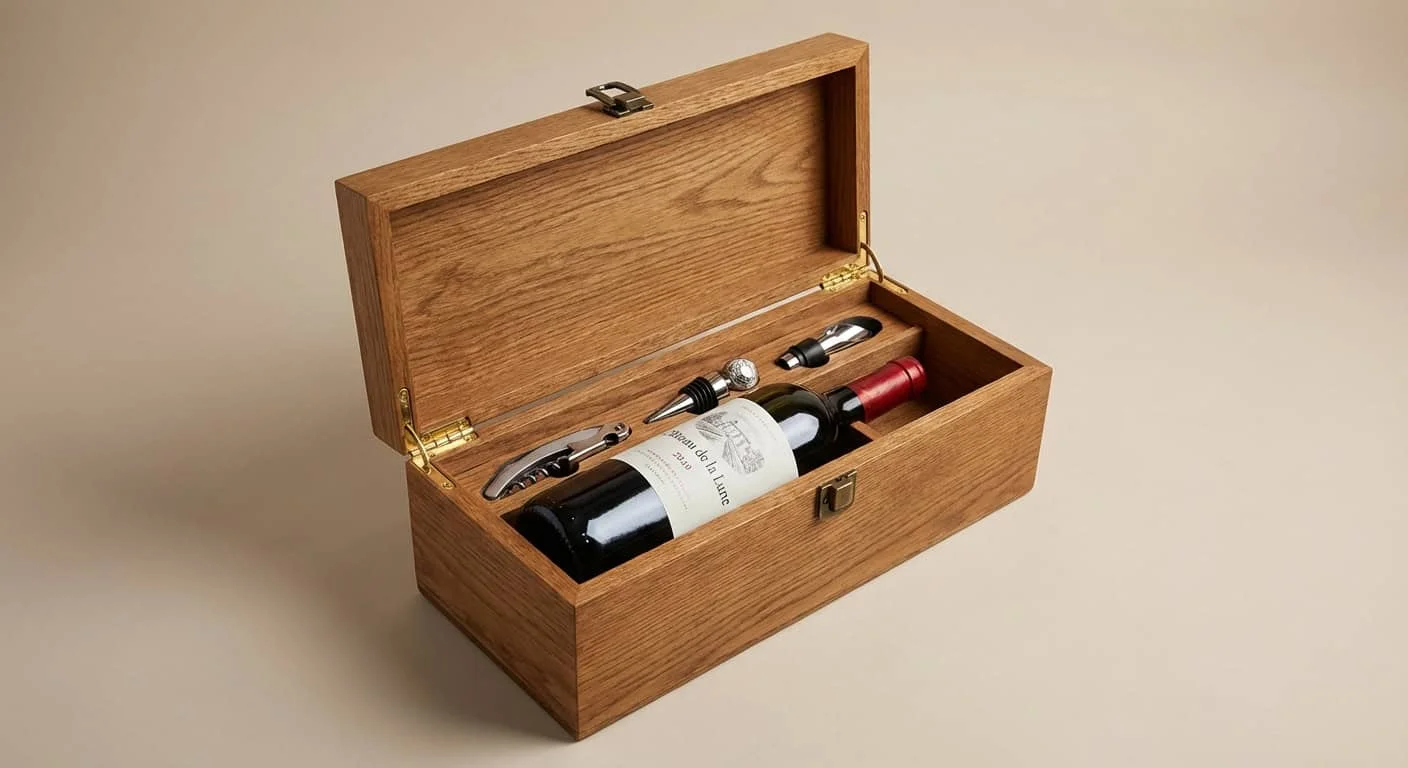
These presentation sets are highly attractive as corporate gifts, hotel VIP amenities, or retail gift bundles. They allow brands to increase the average order value while delivering a convenient, all‑in‑one experience to the end user.
Design Elements That Elevate Wooden Wine Packaging
Small details can make a big difference in how customers perceive a wooden wine box. Thoughtful design elements contribute to both beauty and usability.
Wood Species and Grain
Different wood species offer different colors, textures, and price points. Common choices include pine, paulownia, beech, oak, and poplar. Pine and paulownia are light and economical, often chosen for large batches. Hardwoods such as oak or beech are heavier and more premium in appearance.
The grain pattern also influences the character of the box. Straight, even grain tends to look more modern and refined, while more varied grain patterns can convey rustic charm. Finishes—from clear varnish to dark stains—further customize the visual effect.
Interior Details and Lining
Interior treatments not only protect the bottle but also add to the unboxing experience. Options include:
• Natural wood shavings for a rustic, artisanal feel.
• Fabric or velvet lining for luxury gift sets.
• Molded inserts precisely shaped to the bottle form.
• Compartments for accessories or printed materials.
Brands can coordinate interior colors with labels, capsules, or brand palettes to create a unified look from the moment the lid is opened.
Closures, Handles, and Hardware
Closures and handles affect both function and style. Popular options include:
• Sliding wood lids for simple, traditional designs.
• Hinged lids with metal clasps for a trunk‑like feel.
• Leather or rope handles for easy carrying and rustic appeal.
• Magnetic closures for a sleek, modern look.
These elements can be subtle branding opportunities as well. Custom‑shaped metal plates or engraved leather tags add recognizable, memorable details that stand out on shelves and in photos.
Use Cases: When Wooden Wine Boxes Make the Biggest Impact
Wooden wine boxes are not necessary for every bottle, but they are extremely effective in specific scenarios where perception, gifting, and long‑term brand value are priorities.
Limited Editions and Collector Releases
For small‑lot or single‑vineyard releases, wooden wine packaging signals scarcity and care. Collectors often expect a special presentation for bottles they plan to age or display. Wooden cases can also be numbered or engraved with edition details to reinforce the collector narrative.
Corporate and Event Gifting
Companies and event organizers frequently choose wine as a gift because it is widely appreciated and easy to share. A custom wooden wine gift box with the company logo, event title, or recipient’s name creates a more memorable and professional impression than a standard bottle alone.
Hilonwood’s customization services support bulk orders for events, allowing logos, dates, and messages to be engraved or printed efficiently across a full batch of boxes.
E‑Commerce and Direct‑to‑Consumer Sales
As online wine sales grow, the need for secure, photogenic packaging becomes more important. Wooden wine boxes protect bottles in transit while also creating powerful visual assets for product pages and social media ads.
High‑quality product photography of a wine bottle in a wooden box can dramatically increase click‑through and conversion rates on e‑commerce platforms. Buyers are reassured that the product is well protected and suitable for gifting directly to recipients.
How to Choose the Right Wooden Wine Box for Your Brand
Selecting the best wooden packaging requires balancing brand positioning, target customers, logistics, and budget. A structured approach helps clarify priorities before committing to a design.
Define Your Primary Objective
Start by identifying the main goal of your wooden wine box project:
• Is it to elevate perceived value for a flagship wine?
• To create a gift‑ready product line for holidays?
• To reinforce a sustainability or craftsmanship story?
• To stand out visually in crowded retail shelves or online listings?
Clear objectives guide decisions on wood type, structure, branding techniques, and interior treatments.
Align Design with Brand Identity
A minimal, modern winery might favor clean lines, light wood, and subtle engraving. A heritage or chateau‑style brand might choose darker wood, ornate engraving, and classic brass hardware. The packaging should feel like a natural extension of your existing label designs and marketing materials.
Browsing Hilonwood’s blog and product inspiration pages can provide examples of how different brands translate their identity into wooden wine packaging.
Plan for Production and Lead Time
Custom wooden wine boxes require design, sampling, and production time. For seasonal promotions or event gifts, it is crucial to plan ahead and allow sufficient lead time for:
• Design concept and approvals.
• Prototype or sampling to test dimensions and branding.
• Mass production and quality control.
• Shipping from the manufacturer to your warehouse.
Working directly with a specialized manufacturer like Hilonwood helps streamline this process, as the team can advise on technical feasibility and suggest optimizations early in the project.
Working with a Professional Wooden Box Manufacturer
Partnering with an experienced wood packaging manufacturer ensures that your wooden wine boxes are structurally sound, visually consistent, and cost‑effective at scale.
From Concept to Prototype
A typical collaboration process with a manufacturer includes:
• Initial consultation about use case, bottle types, and brand style.
• Selection of wood species, finishes, and hardware options.
• Creation of technical drawings or 3D renderings.
• Production of a prototype sample for review and testing.
This stage is the best time to confirm bottle fit, stacking behavior, and any special functional requirements (for example, compatibility with existing shipping cartons).
Scaling Up Production While Maintaining Quality
Once the design is approved, scaling production requires consistent quality control. Attention must be paid to:
• Moisture content of wood to avoid warping.
• Precision of joints, hinges, and closures.
• Color consistency of finishes and stains.
• Accuracy of engraving or printing across large batches.
Hilonwood’s experience in export‑grade production means that these technical factors are monitored systematically, reducing the risk of issues after the boxes arrive at your facility.
Integrating Boxes into Your Packaging Workflow
Finally, wineries and retailers need to integrate wooden wine boxes into their internal processes. This may involve:
• Training staff on assembly and packing sequences.
• Adjusting storage layouts to accommodate box dimensions.
• Updating packaging guidelines for e‑commerce orders.
• Coordinating with fulfillment partners about weight and size.
With proper planning, wooden wine boxes can be incorporated smoothly, improving both the visual identity and the perceived professionalism of your shipments.
Future Trends in Wooden Wine Packaging
The popularity of wooden wine boxes continues to grow, and new trends are shaping how brands use wood in their packaging strategies.
Hybrid Designs and Mixed Materials
More brands are experimenting with hybrid designs that combine wood with glass, metal, or acrylic. For example, a wooden wine box with a clear front panel allows customers to see the bottle while maintaining a natural, tactile frame.
These mixed‑material designs can achieve a balance between tradition and innovation, appealing to younger wine consumers who value both authenticity and modern style.
Enhanced Personalization Technologies
Advances in digital printing and laser engraving make it easier and more cost‑effective to produce small‑batch personalized wooden wine boxes. This enables:
• Unique designs for subscription clubs and wine clubs.
• Short‑run event branding for festivals and tastings.
• On‑demand personalization for e‑commerce customers.
As personalization becomes a standard expectation, wooden packaging offers a robust canvas for precise, attractive, and long‑lasting customization.
Increasing Focus on Traceable, Sustainable Wood
Consumers and regulators are paying closer attention to the origin of materials used in packaging. Traceable, certified wood and transparent supply chains will become even more important for wineries that highlight sustainability in their marketing.
Manufacturers that can document sourcing and certification, like Hilonwood working with responsible suppliers, will help brands maintain credibility with eco‑conscious customers.
Conclusion: Why Wooden Wine Boxes Remain a Smart Choice
Wooden wine boxes are popular for wine packaging because they excel across practical, aesthetic, and strategic dimensions. They offer robust protection for valuable bottles, elevate brand perception, enable deep customization, and support sustainability goals when responsibly sourced and reused.
For wineries, retailers, and corporate buyers, wooden wine packaging turns a simple bottle into a complete experience—one that begins with the first visual impression and continues long after the last glass is poured. By working with a specialized manufacturer, brands can design custom wooden wine boxes that reinforce their identity, delight customers, and create enduring value in both physical and digital spaces.
As the wine market becomes more crowded and consumers seek products with authentic stories and thoughtful design, wooden wine boxes will continue to play a central role in how exceptional wines are presented, gifted, and remembered.
This article was made by Hilon Wood. We are dedicated to custom wooden products manufacturing.
Custom Wooden Wine Boxes Wholesale at Hilon Wood
Hilon Wood specializes in custom wooden wine boxes based on reference images, samples, drawings, or bottle specifications. Box structure, material, surface finish, hardware options and logo printing methods can all be customized. Small trial orders are supported for initial evaluation.
Let us manufacture custom wooden wine boxes for you.