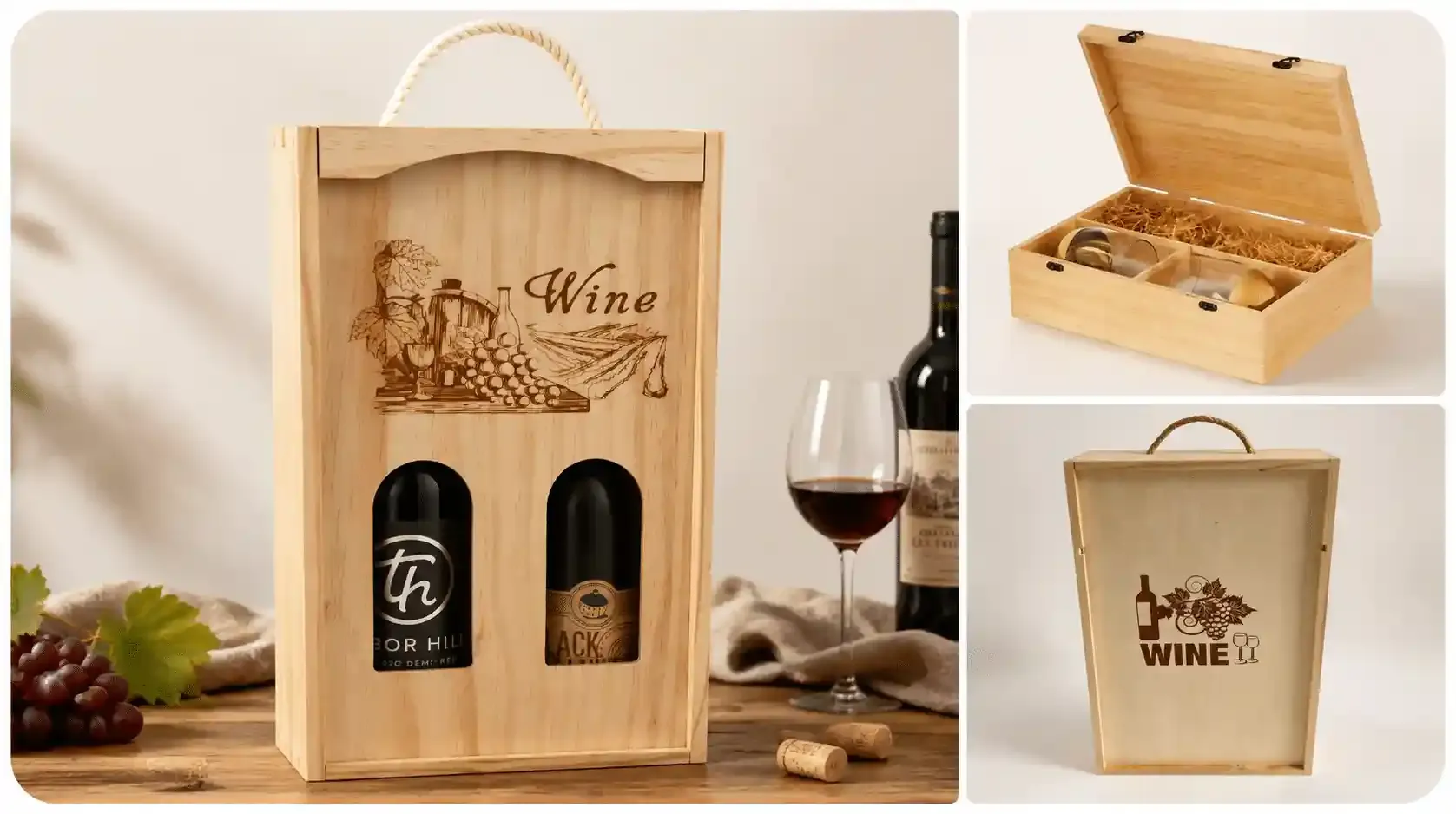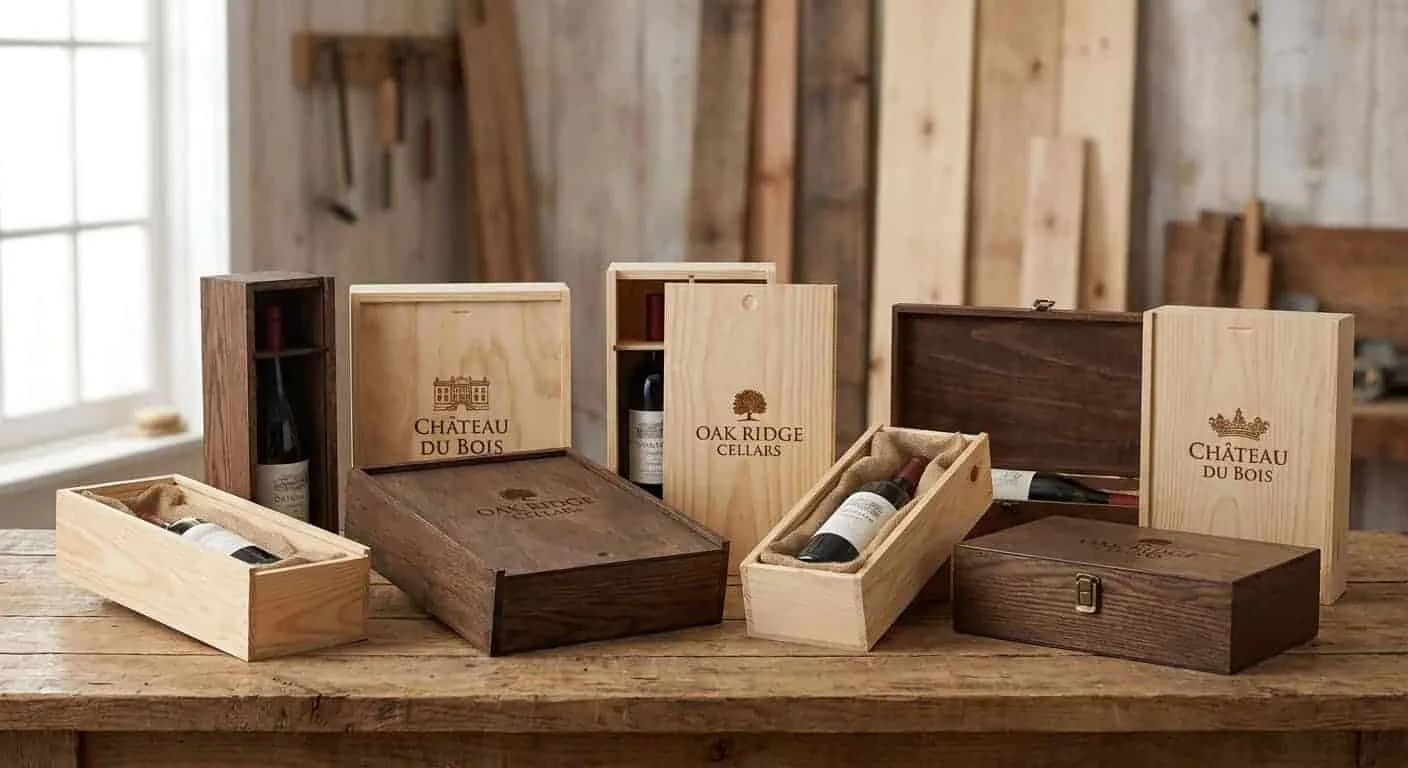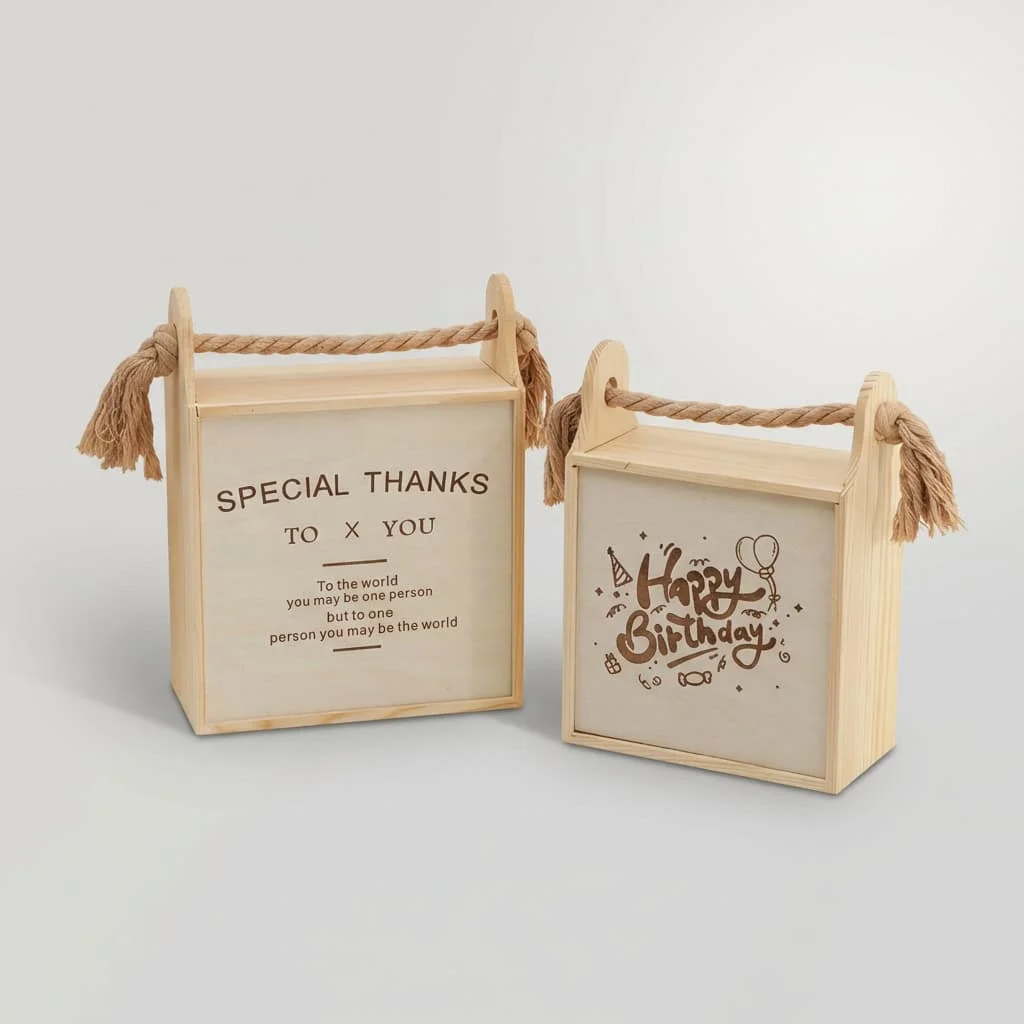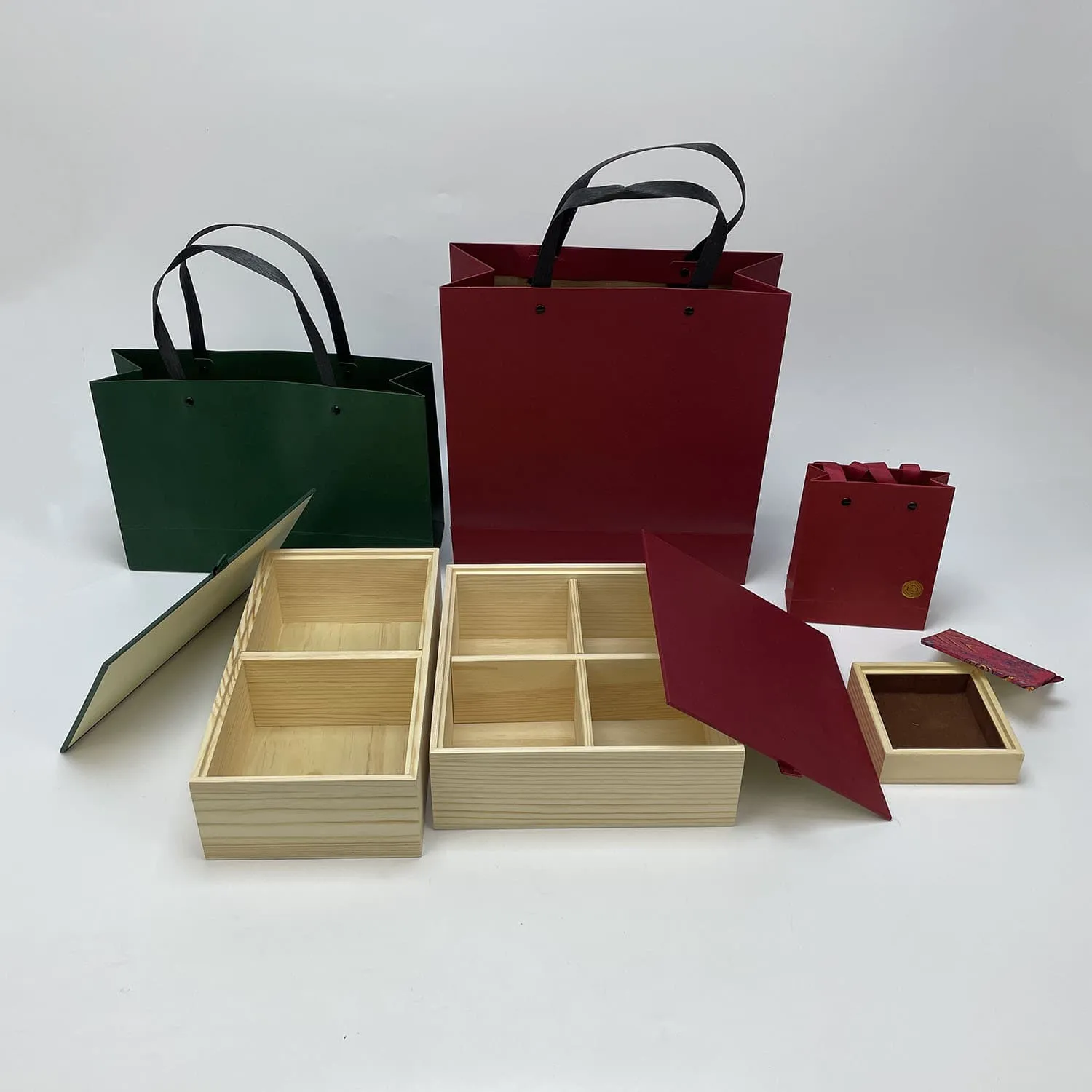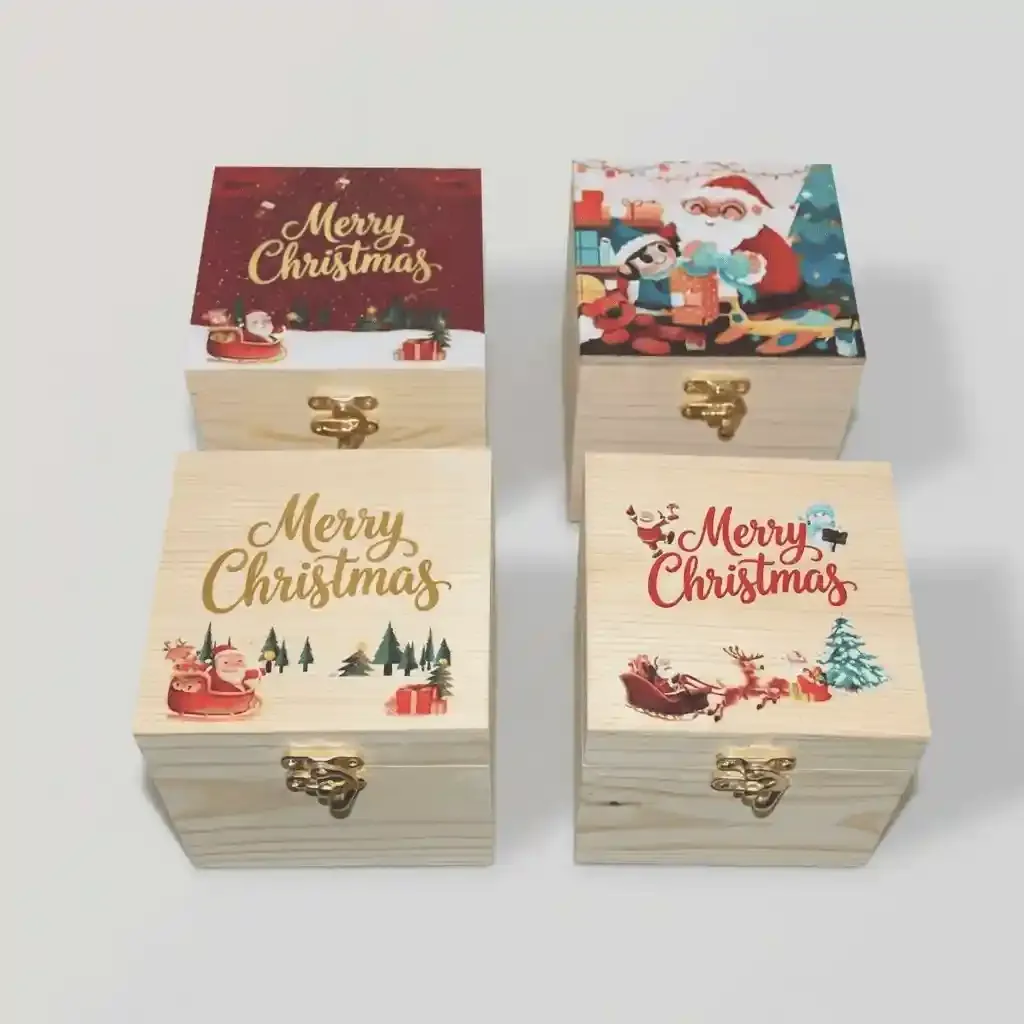
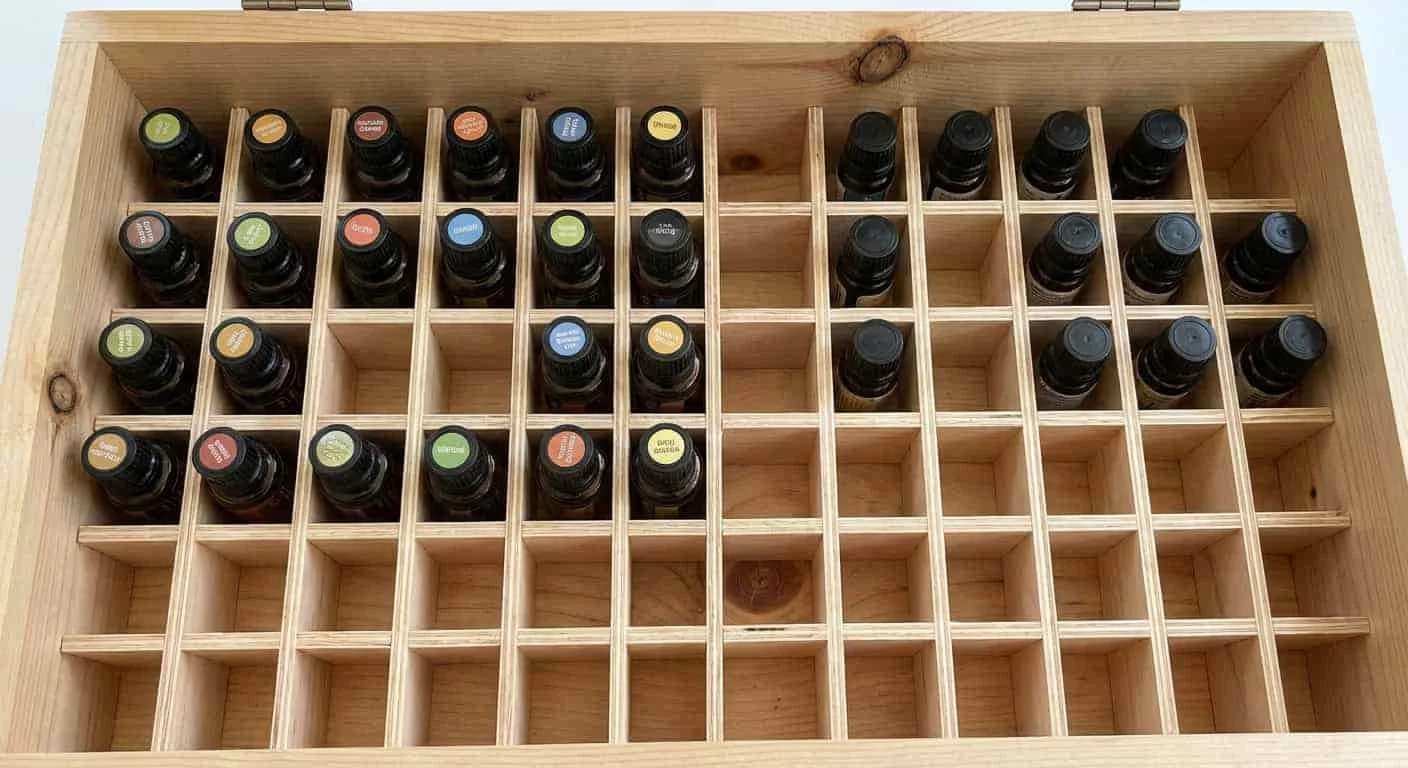
Wood essential oil boxes are one of the most effective ways to upgrade both the packaging and retail display of aromatherapy products, blending protection, aesthetics, and sustainable branding in a single solution.
Why Wood Essential Oil Boxes Matter in Modern Aromatherapy Packaging
In a market full of glass bottles and cardboard sleeves, wood essential oil boxes instantly communicate craftsmanship and authenticity. They turn ordinary essential oil sets into premium products suitable for gifting, professional spa use, and long-term home storage.
For brands, wooden essential oil packaging does much more than hold bottles. It shapes your customer’s first impression, supports your pricing strategy, and helps you stand out across online marketplaces and physical retail shelves.
Key Functions of Wood Essential Oil Boxes
A well-designed wood essential oil box typically serves three main functions:
Protection: Glass essential oil bottles are fragile and sensitive to light. A sturdy wooden box helps reduce breakage during shipping, while optional foam or wood inserts keep each bottle in place and minimize movement.
Presentation: The opening moment is part of your brand story. Natural wood grain, precise joinery, and well-planned layouts present bottles in an orderly, premium way that simple cartons cannot match.
Storage and reuse: Unlike disposable packaging, a durable wood box can remain on a customer’s shelf for years as a storage case, reinforcing your brand each time they open it.
Benefits Compared with Other Essential Oil Packaging Materials
Many brands start with cardboard, tin, or plastic packaging. Each material has strengths, but wood essential oil boxes often achieve a stronger perceived value and a more natural feel that aligns with aromatherapy products.
| Packaging Material | Main Advantages | Main Limitations | Best Use Cases |
|---|---|---|---|
| Cardboard / Paperboard | Low cost, lightweight, printable surfaces | Limited durability, less premium feel, moisture sensitive | Entry-level sets, mailers, disposable outer cartons |
| Metal Tins | Good protection, compact, industrial look | Can feel cold or less natural, dents and scratches show easily | Travel kits, niche modern or industrial-style brands |
| Plastic Cases | Very lightweight, low cost at high volume | Perceived as less eco-friendly, can look cheap | Mass-market, low price-point sets |
| Wood Essential Oil Boxes | Premium look and feel, reusable, natural and eco-friendly image | Higher unit cost, slightly heavier than paper or plastic | Mid- to high-end sets, gifts, spa and boutique retail |
Core Design Elements of Wood Essential Oil Boxes
Although styles vary widely, most wood essential oil boxes share a few structural elements: the box body, lid style, internal insert, closure, and finish. Understanding each part helps you brief a manufacturer and avoid design mistakes.
Box Structures and Lid Styles
The structure you choose affects both functionality and cost. The most common configurations are:
Hinged-lid wooden essential oil boxes: These open like a small chest or jewelry box. They are ideal for retail display and repeated home use. You can choose simple butt hinges or concealed hinges for a more refined look.
Lift-off lid boxes: A separate lid fits over the base like a gift box. This style works well for compact sets and e‑commerce shipping, and it is easy to stack.
Sliding lid boxes: The lid slides into grooves on the box sides. This design has a tactile, handcrafted feel and can be more child-resistant if designed properly.
Display-front boxes: For retail shelving, some brands choose front-opening boxes with a clear acrylic window or cut-out, allowing shoppers to see labels while the bottles stay protected.
Internal Inserts: Foam, Wood, and Hybrid Solutions
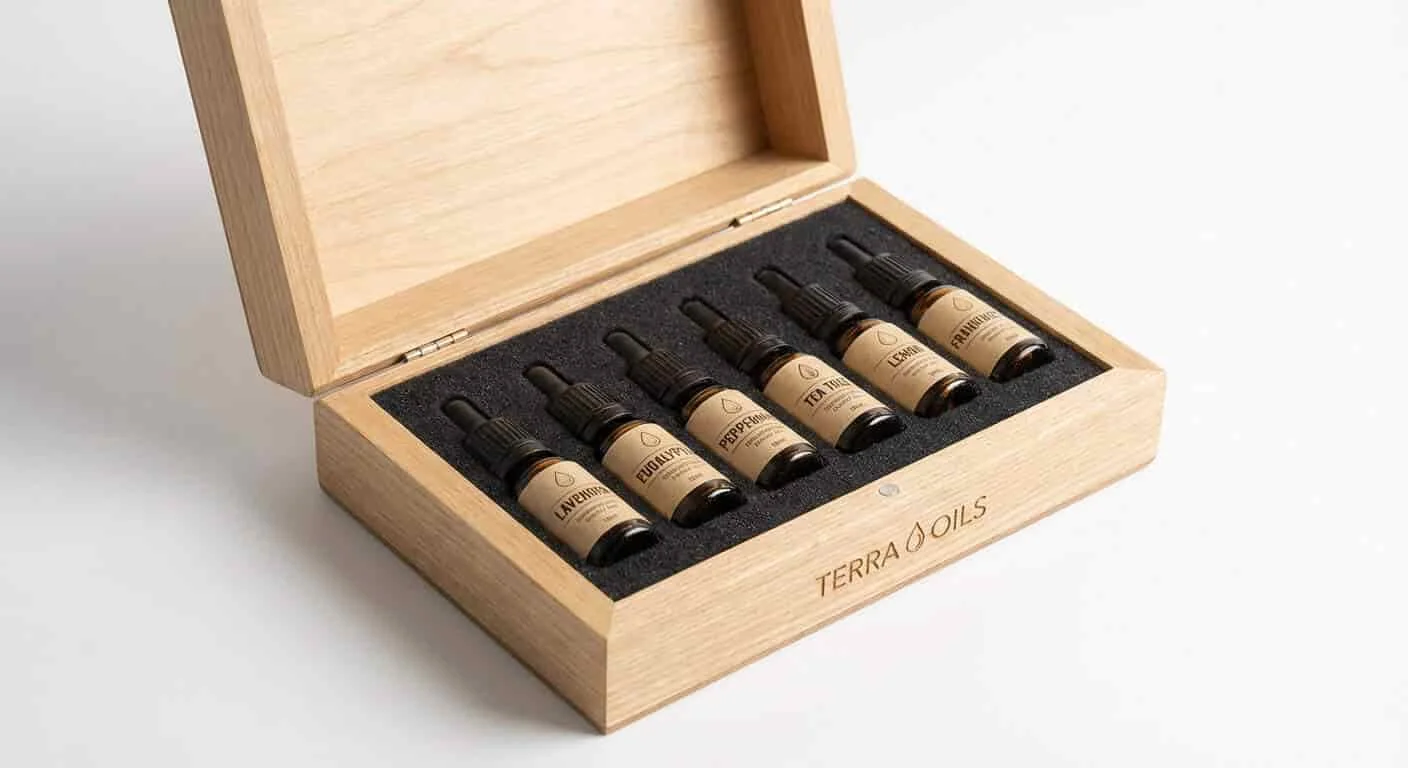
The insert is critical to how effectively your wood essential oil box protects and showcases each bottle. Common options include:
Precision foam inserts: EVA or PU foam, cut to fit each bottle size. Foam inserts offer excellent cushioning and can be made in brand colors. They are especially suitable for mixed sets where bottles contain different liquids and weights.
Wooden dividers and grids: Thin wooden partitions create a grid of compartments. This option is fully recyclable and emphasizes the natural material story, but it provides less shock absorption than foam.
Cork or felt-lined trays: For premium sets, cork or felt layers offer gentle cushioning and a sophisticated look, often combined with wooden dividers.
Hybrid inserts: A wooden tray with foam cut-outs combines structure with cushioning, suitable for heavy glass bottles or luxury gift kits.
Choosing Bottle Capacities and Layouts
Wood essential oil boxes must match the number and size of bottles you intend to sell. Common bottle sizes include 5 ml, 10 ml, 15 ml, and 30 ml. When planning the layout, consider:
Single-row boxes: Slim cases that line up 4–8 bottles, good for starter kits or themed blends (e.g., sleep set, citrus set).
Grid boxes: Square or rectangular grids that hold 12, 24, or more bottles. These are popular with serious users, therapists, and retailers who manage many scents.
Mixed layout boxes: Some boxes combine a grid for small bottles with a larger compartment for accessories like droppers, rollers, or instruction booklets.
Wood Species and Finishes for Essential Oil Packaging
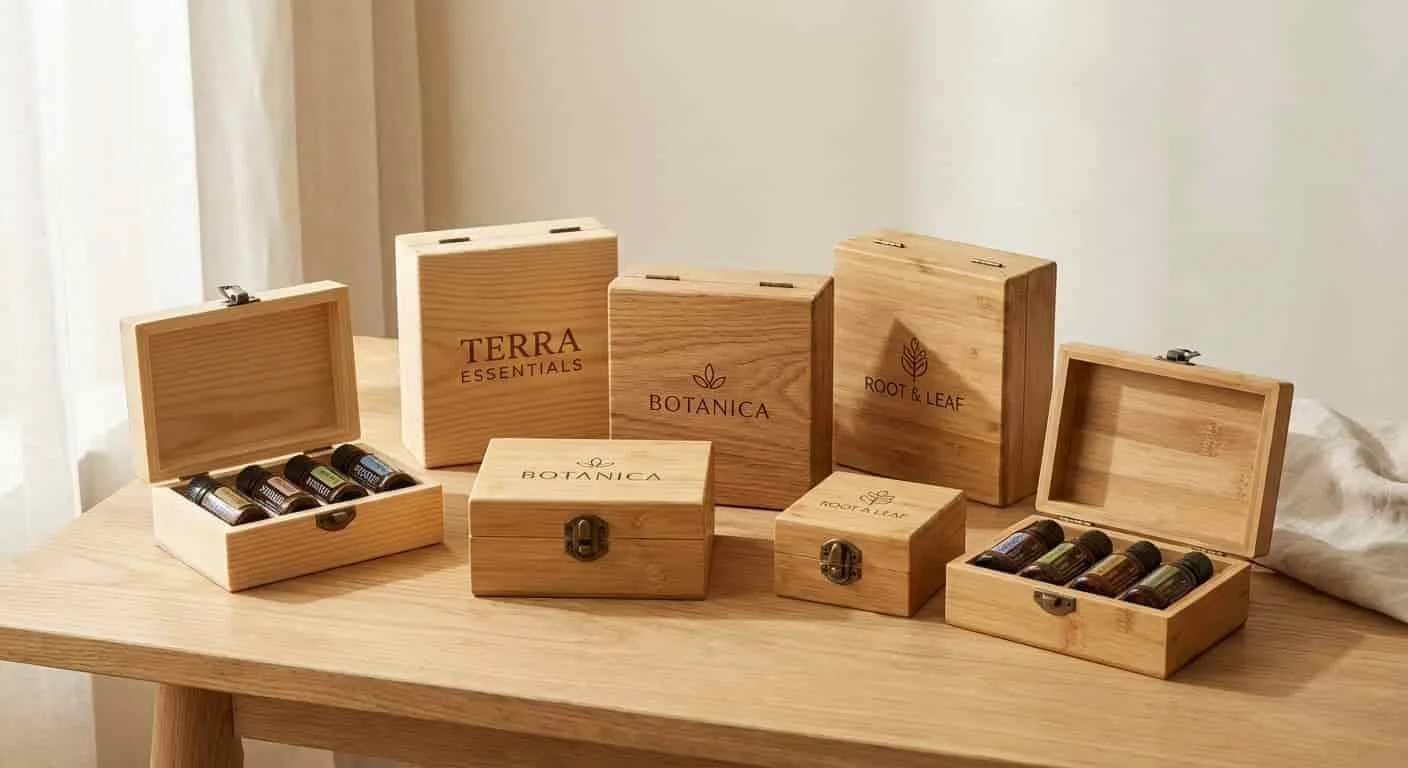
The type of wood and the surface finish significantly influence the appearance, durability, and sustainability profile of your wood essential oil boxes.
Popular Wood Options for Essential Oil Boxes
Manufacturers often recommend a balance between aesthetics, stability, and cost. Common choices include:
| Wood Type | Appearance | Key Advantages | Typical Use |
|---|---|---|---|
| Pine | Light color, visible grain and knots | Cost-effective, easy to stain or paint | Entry to mid-range boxes, rustic or natural look |
| Beech | Fine, even grain, warm tone | Stable, smooth surface for printing or engraving | Mid-range branded packaging |
| Oak | Strong, pronounced grain | Very durable, premium perception | High-end gift boxes and display units |
| Bamboo | Linear grain, modern look | Fast-growing, strong eco story | Sustainable and contemporary brands |
| Birch / Poplar Plywood | Clean, light surface | Stable panels, good for CNC cutting | Custom shapes and lightweight boxes |
At Hilonwood, common materials for custom essential oil packaging include pine, beech, and engineered wood panels optimized for stability and cost. You can explore more wood options and finishes through our custom wood boxes page.
Surface Finishes and Coatings
Finishing choices impact not only appearance but also how well the box resists moisture and everyday handling. Typical options include:
Natural clear lacquer: A transparent coating that seals the surface while displaying the natural grain. It is a popular choice for brands emphasizing authenticity.
Stained and tinted finishes: Wood stains can create walnut, mahogany, or black-toned surfaces that match a premium luxury aesthetic.
Matte vs. gloss: Matte finishes tend to feel more organic and modern, while gloss finishes offer a polished, gift-ready look.
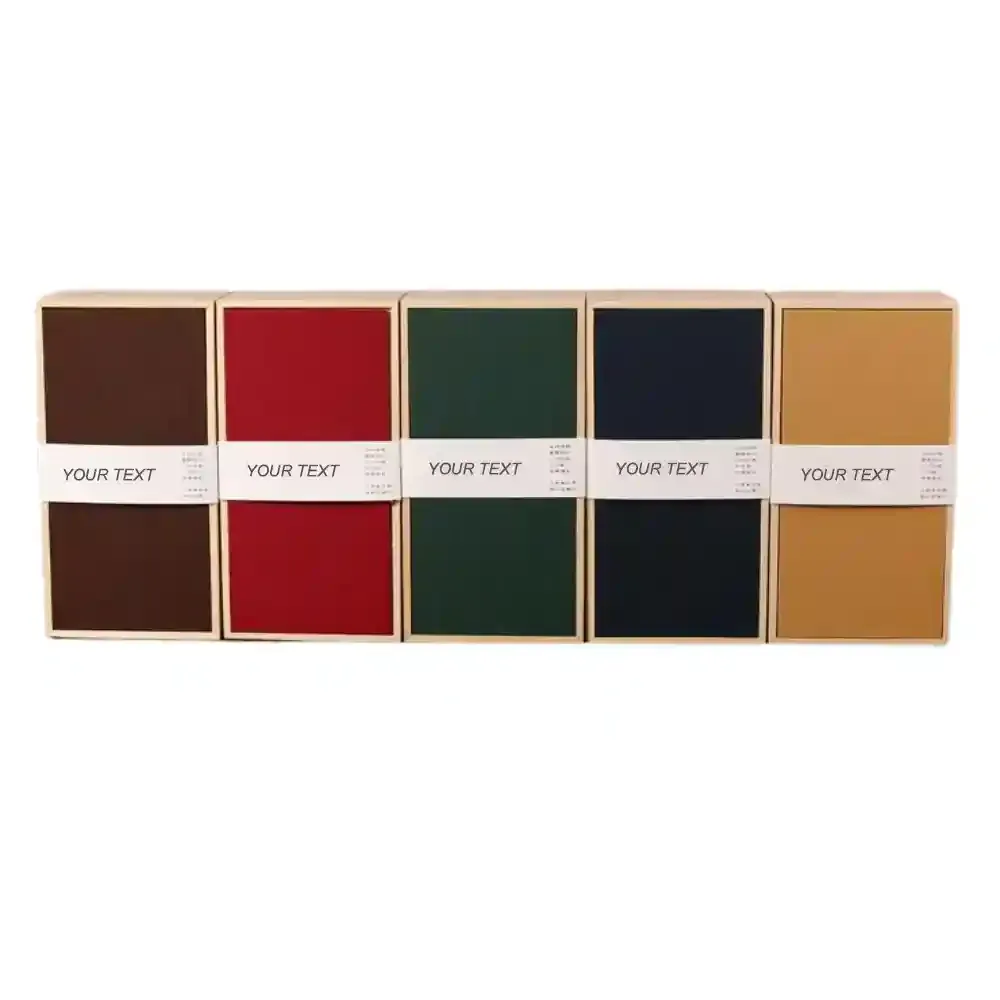
Painted surfaces: For bold color branding, boxes can be spray-painted or finished with water-based coatings in custom Pantone shades.
For essential oil storage, it is wise to use low-odor, low-VOC finishes and allow proper curing time before boxing products, which helps maintain scent integrity.
Branding and Customization of Wood Essential Oil Boxes
Wood essential oil boxes offer a broad range of customization possibilities, from simple logo placement to fully personalized interiors for multi-bottle sets.
Logo Application Methods
Branding methods differ in cost, visual effect, and durability. Choosing the right technique ensures your logo stays crisp over repeated handling.
| Branding Method | Visual Style | Advantages | Best For |
|---|---|---|---|
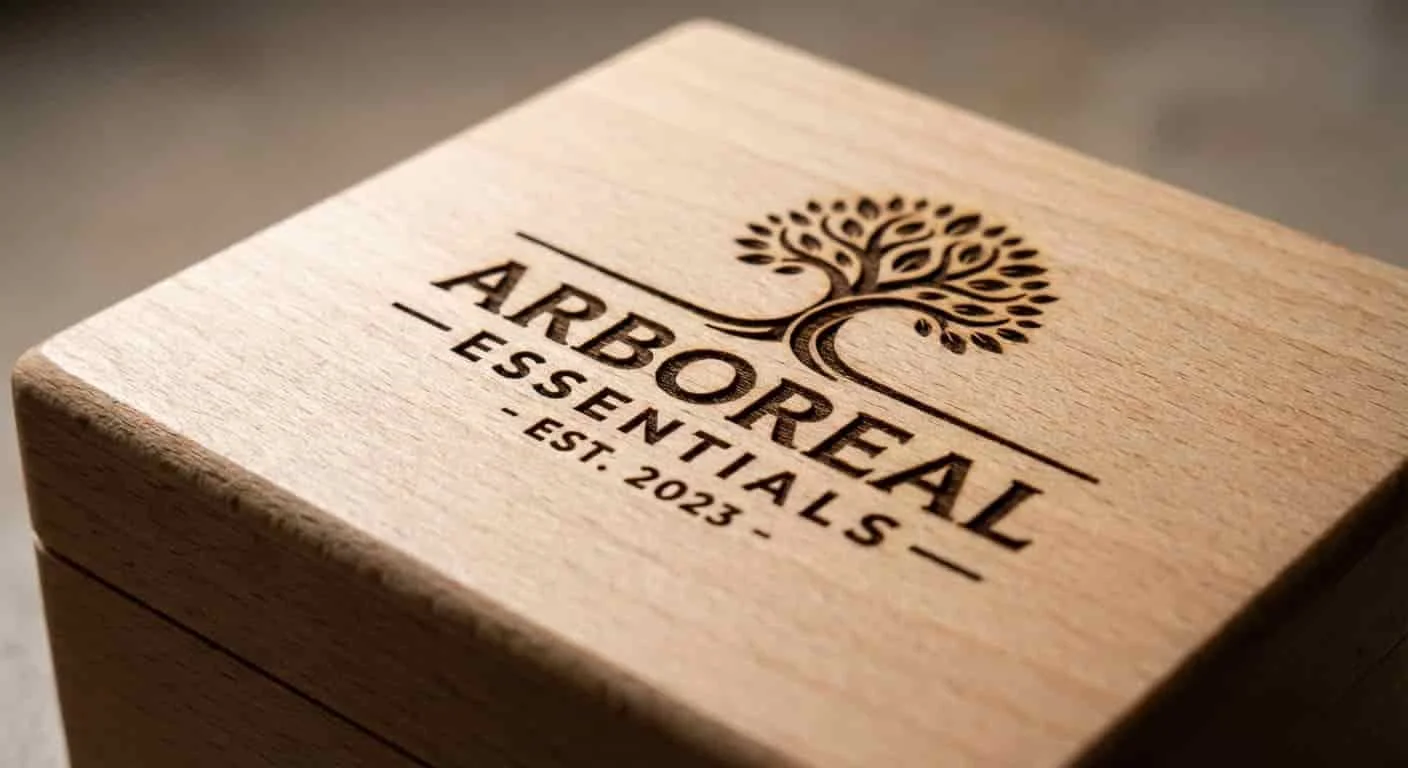
| Laser Engraving | Precise, burned-in logo, natural tone | Permanent, eco-friendly, highly detailed | Natural, minimalist, eco-conscious brands |
| UV Color Printing | Full-color artwork, gradients and images | High-impact graphics, flexible design | Vibrant retail packaging, limited editions |
| Screen Printing | Solid color blocks and logos | Cost-effective for simple designs | Medium-volume runs, bold logos |
| Metal or Wood Badges | Applied logo plates or emblems | Distinct tactile effect, upscale feel | Premium gift and collector’s sets |
Hilonwood provides laser engraving and color printing services on custom wood essential oil boxes.
Custom Interiors for Different Essential Oil Collections
Each essential oil line has a unique product mix. Custom interiors help you arrange single oils, blends, carrier oils, and accessories in a way that tells a clear story to customers.
For example, a wellness kit might group oils by time of day (morning, focus, sleep), while a spa starter set might combine massage oils, diffusing blends, and a small instruction leaflet slot. When briefing a manufacturer, provide exact bottle dimensions, cap shapes, and label layouts so that insert cut-outs do not cover crucial information.
Personalization for Gifting and Limited Editions
Wood essential oil boxes are also popular in corporate gifting and seasonal promotions. Personalization options include individual names engraved on the lid, limited-edition artwork, or numbered series. These touches turn standard packaging into a keepsake and support higher price points.
Retail Display Considerations for Wood Essential Oil Boxes
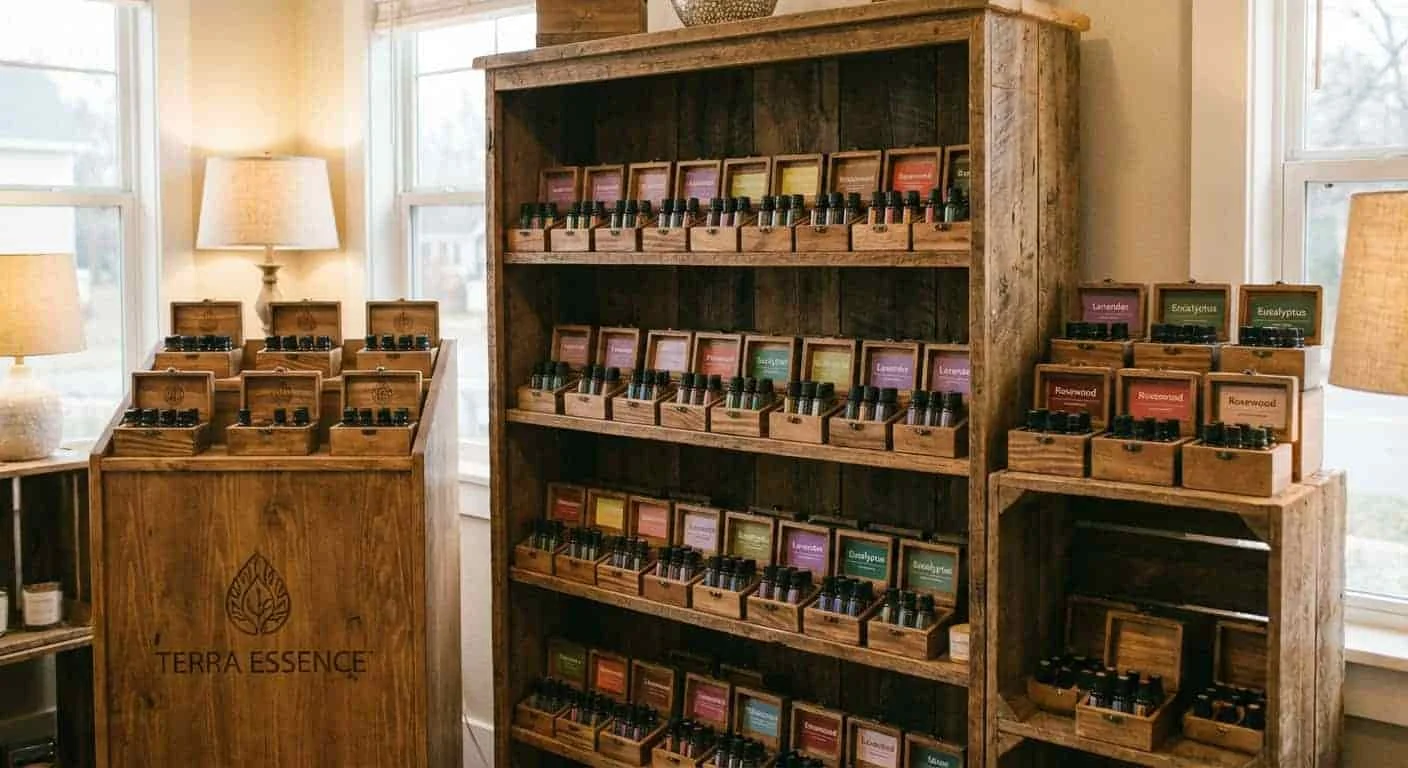
Once designed, wood essential oil boxes must perform well in real retail environments, from boutique shelves and spa receptions to market stalls and trade shows.
Visibility and Shelf Impact
On a crowded shelf, the front face of your wood essential oil box may be the only visible area. Plan this space carefully:
Key information hierarchy: Brand name, product line, and key benefits should be easy to read from a distance. Subtle engravings are elegant, but in busy retail environments you may need higher-contrast printing.
Window or open display: A cut-out or transparent window lets customers see the actual bottles, which builds trust and helps them notice label colors and branding.
Vertical vs. horizontal orientation: Some boxes are designed to stand upright, using the lid as the main facing, while others lay flat with an open-lid display on countertops.
User Experience in Store and at Home
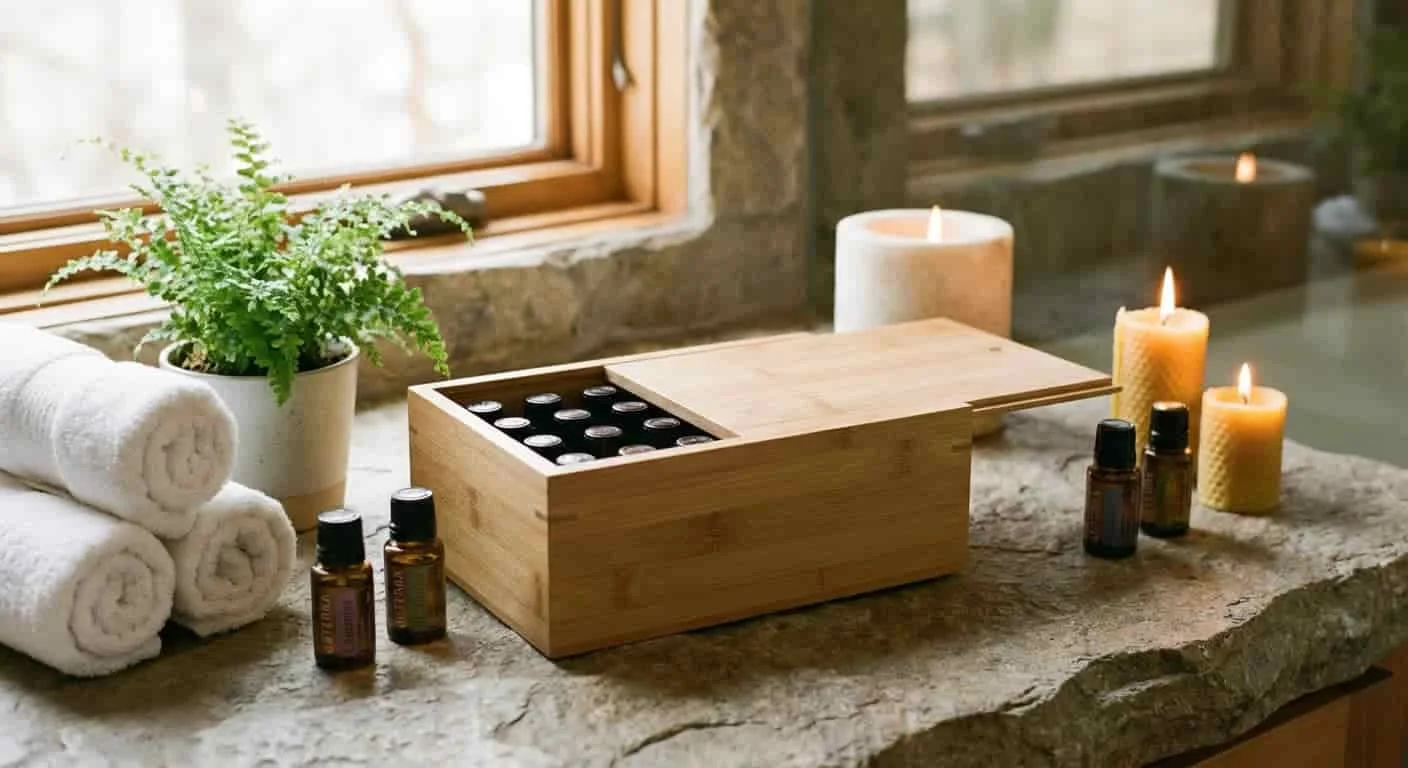
Retail display is not just about catching the eye; it also affects how easily shoppers and staff handle the product. Consider:
Ease of opening: Lids should open smoothly without requiring excessive force. If the lid is part of the display, it should stay open without falling shut.
Label visibility: Inside the box, bottle labels should be visible without removing every bottle. This is especially important for testers and open-shelf retail.
Refill and reorganization: For professional users like massage therapists or aromatherapists, the ability to rearrange bottles or mix new oils into an existing box is a major plus.
Point-of-Sale (POS) Displays with Wood Essential Oil Boxes
Some brands design larger wood display units that hold multiple boxed sets or rows of single bottles. A modular approach works well: use individual wood essential oil boxes for sale, plus a larger wooden shelf or stand branded in the same style. This creates a cohesive presentation, especially in spas and salons.
For ideas on wooden display structures and branding alignment, you can explore packaging and display inspiration on authoritative design resources such as the Packaging section of Behance.
Functional Details: Hinges, Closures, and Hardware
Small details like hinges and closures play a surprisingly large role in how customers perceive quality and how long the box will last.
Hinge Options
Standard metal hinges: Cost-effective and reliable, available in brass, silver, or black finishes. Suitable for most mid-range products.
Concealed hinges: Hidden when the box is closed, giving a clean, modern appearance — popular for minimalist or luxury brands.
Continuous piano hinges: Provide strong support across the lid length, ideal for long, heavy-lid boxes or large-capacity storage cases.
Closure Systems
Magnetic closures: Embedded magnets in the lid and base offer a smooth, satisfying closing action and keep the lid secure without visible latches.
Metal clasps and latches: Traditional clasps add a vintage or rustic look and reinforce the idea of a special chest or keepsake box.
Ribbon or leather straps: For bohemian or natural brands, simple straps or cords can act as closures while reinforcing the product’s tactile charm.
Interior Protection and Lining
In addition to inserts, some boxes feature full or partial lining:
Felt or velvet: Adds softness and a luxurious touch around glass bottles, sometimes in contrasting colors aligned with brand palettes.
Cork sheets: A practical, natural lining with a strong eco message, also resistant to minor spills.
Paper or fabric wraps: Custom-printed wraps around each bottle or tray can add extra branding and inform shoppers about benefits and usage.
Sustainability and Regulatory Considerations
Aromatherapy buyers increasingly care about both ingredients and packaging. Wood essential oil boxes can help you communicate a responsible, low-waste approach when thoughtfully specified.
Sustainable Material Sourcing
Responsible sourcing involves selecting wood from well-managed forests or renewable resources. Many brands look for FSC-certified wood or rapidly renewable materials such as bamboo. Discuss certification options and documentation with your packaging supplier early in the design process.
Hilonwood can work with sustainably managed wood sources according to project needs. For more sustainability-related insights and packaging trends, you can refer to global resources such as the Sustainable Packaging section of the United Nations Environment Programme.
Coatings, Adhesives, and VOCs
Because essential oils are highly aromatic and customers are sensitive to scent purity, packaging materials must not emit strong chemical odors. Low-VOC finishes, carefully selected adhesives, and full curing times are important quality controls.
Work with your manufacturer to specify coatings and adhesives suitable for aromatherapy products and, if necessary, request testing or safety data sheets for key materials.
End-of-Life and Reusability
One of the biggest advantages of wood essential oil boxes is reusability. Customers can repurpose boxes for other small items long after the oils are used, extending brand exposure and reducing waste. In marketing materials and instructions, highlight how the box can be reused or responsibly recycled.
Cost, MOQ, and Practical Sourcing Tips
Beyond appearance, brands must consider cost, minimum order quantities (MOQs), and logistics. Planning these aspects early helps avoid surprises and ensures a workable packaging strategy.
Key Cost Drivers for Wood Essential Oil Boxes
Several factors influence pricing:
Box size and complexity: Larger boxes with multi-level inserts, drawers, or windows require more labor and materials.
Wood type and thickness: Premium hardwoods and thicker panels add cost but may be justified for luxury lines.
Branding techniques: Multi-color printing, elaborate engravings, or additional badges increase unit cost.
Hardware and insert type: Magnetic closures, high-grade foam, or custom lining materials contribute to elevated pricing.
Managing Minimum Order Quantities (MOQ)
Manufacturers often set MOQs to keep production efficient. For custom wood essential oil boxes, the MOQ may vary depending on design complexity and finishing requirements.
To optimize cost, consider the following strategies:
Standardize dimensions: Use one or two core box sizes across multiple product lines, changing only artwork or interior layouts.
Batch orders: Plan seasonal and core-line packaging together to increase order volume and achieve better unit pricing.
Modular inserts: Design a base box that can accept different inserts for various product combinations, rather than creating a unique box for every SKU.
For guidance on working with MOQs and custom specifications, you can reach out through the contact options on Hilonwood.com to discuss project details.
Shipping, Packaging, and Quality Checks
Wooden packaging requires careful shipping planning:
Outer cartons and cushioning: Even though wood boxes are stronger than cardboard, they can still be scratched or dented. Individual polybags or tissue wrapping plus sturdy outer cartons help maintain surface quality.
Pre-shipment inspection: For custom orders, it is sensible to approve pre-production samples and, if possible, conduct third-party or internal inspections before mass shipment.
Storage conditions: To avoid warping, boxes should be stored in dry conditions and kept away from direct heat sources.
Designing Wood Essential Oil Boxes for E‑Commerce
Many essential oil brands sell primarily online, where a customer’s first physical contact with your product is the unboxing experience. Wood essential oil boxes can transform that moment into a memorable brand interaction.
Unboxing Experience and Photography
Photography and video play a central role in online sales. Wooden boxes provide rich textures, reflections, and shadow play that look excellent in product photos and lifestyle imagery.
Consider including:
Top-down shots of open boxes: Show the interiors, inserts, and clearly arranged bottles.
Close-ups of grain and engraving: Help customers appreciate the detail of your wood essential oil boxes.
Contextual images: Show the box on a bedside table, in a spa room, or on a bathroom shelf to help customers imagine using it.
Packaging for Safe Parcel Delivery
In e‑commerce, the wood essential oil box itself might be the inner packaging, while an outer carton is used for shipping. Ensure that foam or other cushioning materials inside the box are sufficient for typical courier handling, particularly for international shipments.
Test shipments can reveal weak points. Sending sample parcels to multiple destinations before launching a new design helps you assess whether any additional cushioning is needed.
Aligning Online Storytelling with Physical Packaging
Your product page copy, images, and marketing materials should accurately reflect the materials, wood tone variations, and finish of the physical box. Since wood is a natural material, slight variations are normal; explain this clearly as part of your authenticity story.
For more ideas on telling a cohesive product story, you can read packaging and branding insights on the Hilonwood blog at https://hilonwood.com/blog/.
Use Cases: How Different Businesses Use Wood Essential Oil Boxes
Wood essential oil boxes are not limited to large consumer brands. They are used by small craft makers, wellness studios, and corporate gifting programs in a variety of ways.
Small Batch and Artisan Essential Oil Brands
Artisan makers often choose relatively simple but well-finished boxes with laser-engraved logos. This approach keeps MOQs and costs manageable while creating a handmade, authentic impression that matches small-batch production.
Some artisan brands order neutral-branded wooden boxes from a manufacturer like Hilonwood and then add hand-tied ribbons, wax seals, or handwritten notes in-house to further personalize each piece.
Spas, Salons, and Wellness Studios
Professional environments value organization and easy access. They often use large-capacity wood essential oil boxes with clear internal grids, sometimes customized to hold both essential oils and carrier oils. Branding is typically subtle, allowing the box to blend into a calming interior.
For retail corners within spas and salons, matching small wooden display stands and boxed gift sets create a unified, premium impression that supports higher service prices.
Corporate Gifting and Event Programs
Companies increasingly choose wellness-themed gifts that include essential oil sets in custom wooden boxes engraved with corporate logos. These sets may include a mix of essential oils, a small diffuser, and a printed guide, all arranged in a multi-compartment wooden case.
Because wood essential oil boxes can be reused on office desks or at home, they continue to remind recipients of the brand long after the event.
Working with Hilonwood on Custom Wood Essential Oil Boxes
Hilonwood specializes in custom wooden packaging, including wood essential oil boxes tailored to brand, retail, and logistics needs. From concept sketches to final production, the process typically follows a straightforward set of steps.
Design and Sampling Process
When you contact Hilonwood with a project idea, our team will ask about bottle sizes, set composition, branding requirements, and expected order quantity. Based on this information, we propose structural designs, material options, and finishing suggestions.
Once a basic design is agreed, we produce samples for you to test with your actual products. This stage allows you to confirm fit, evaluate finishes, and review branding details before committing to mass production.
You can start exploring custom possibilities on our dedicated custom section at Hilon’s Customization page.
Support for Different Market Segments
Hilonwood works with startups, established brands, and wholesale distributors. For startups, we help simplify structures and standardize components to meet MOQs more easily. For larger brands, we support detailed engineering, multi-component projects, and synchronized timelines with other packaging suppliers.
Quality Assurance and Long-Term Collaboration
Because wood essential oil boxes may be used for years, stability and consistency matter. Hilonwood uses controlled processes for machining, assembly, and finishing to keep variations within agreed tolerances. Over multiple production runs, we maintain and refine your box designs, enabling long-term brand consistency.
Planning Your Next Wood Essential Oil Box Project
If you are considering wood essential oil boxes for your aromatherapy line or retail environment, start by clarifying your objectives:
Packaging role: Are you aiming for premium gifting, everyday storage, or professional use in spas and clinics?
Brand story: Should the box emphasize natural simplicity, modern minimalism, rustic craft, or high luxury?
Budget and volume: What is your target price per set, and how many units do you expect to order initially?
With these answers, you can create a concise brief for a packaging partner. Include bottle sizes, artwork or logo files, and timing requirements. A specialist manufacturer like Hilonwood can then guide you through material choices, finishes, and structural options that align with your brand and business goals.
Wood essential oil boxes are more than just containers. They frame the entire experience of selecting, gifting, and using essential oils. Thoughtfully designed wooden essential oil packaging enhances your product’s value, supports eco-conscious positioning, and creates a tactile connection that digital images alone cannot deliver. By pairing clear branding, functional inserts, and quality craftsmanship, you can turn every box into a lasting representation of your brand in homes, spas, and retail spaces around the world.