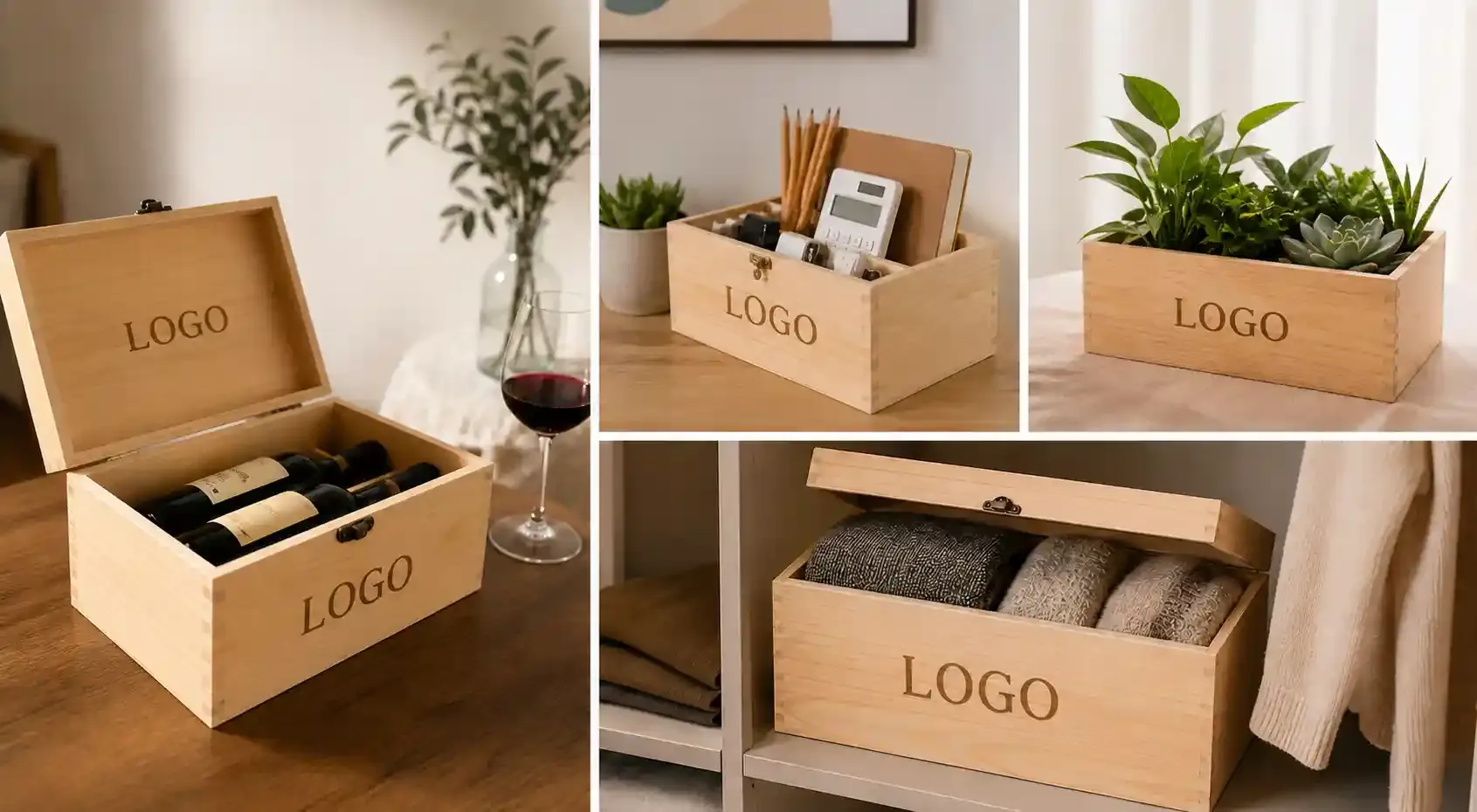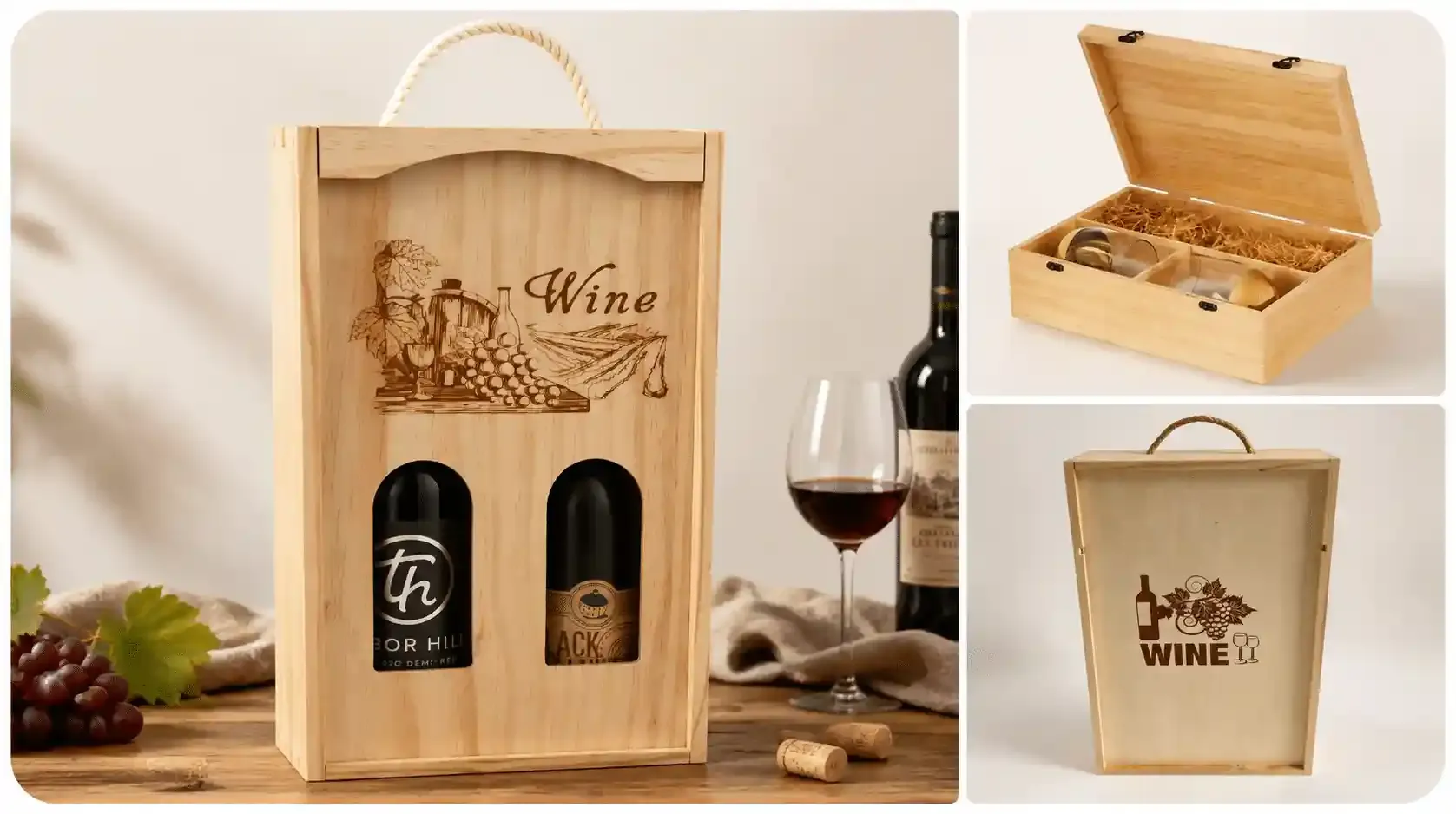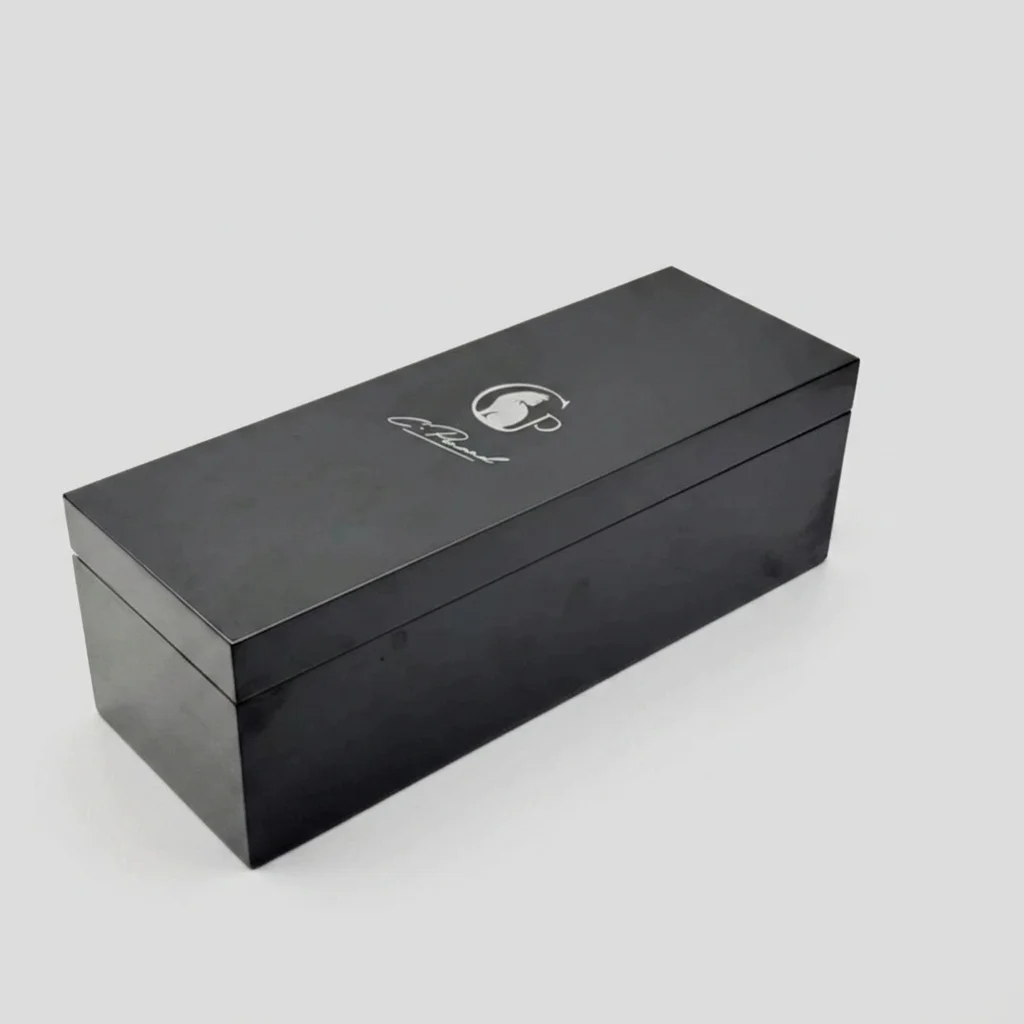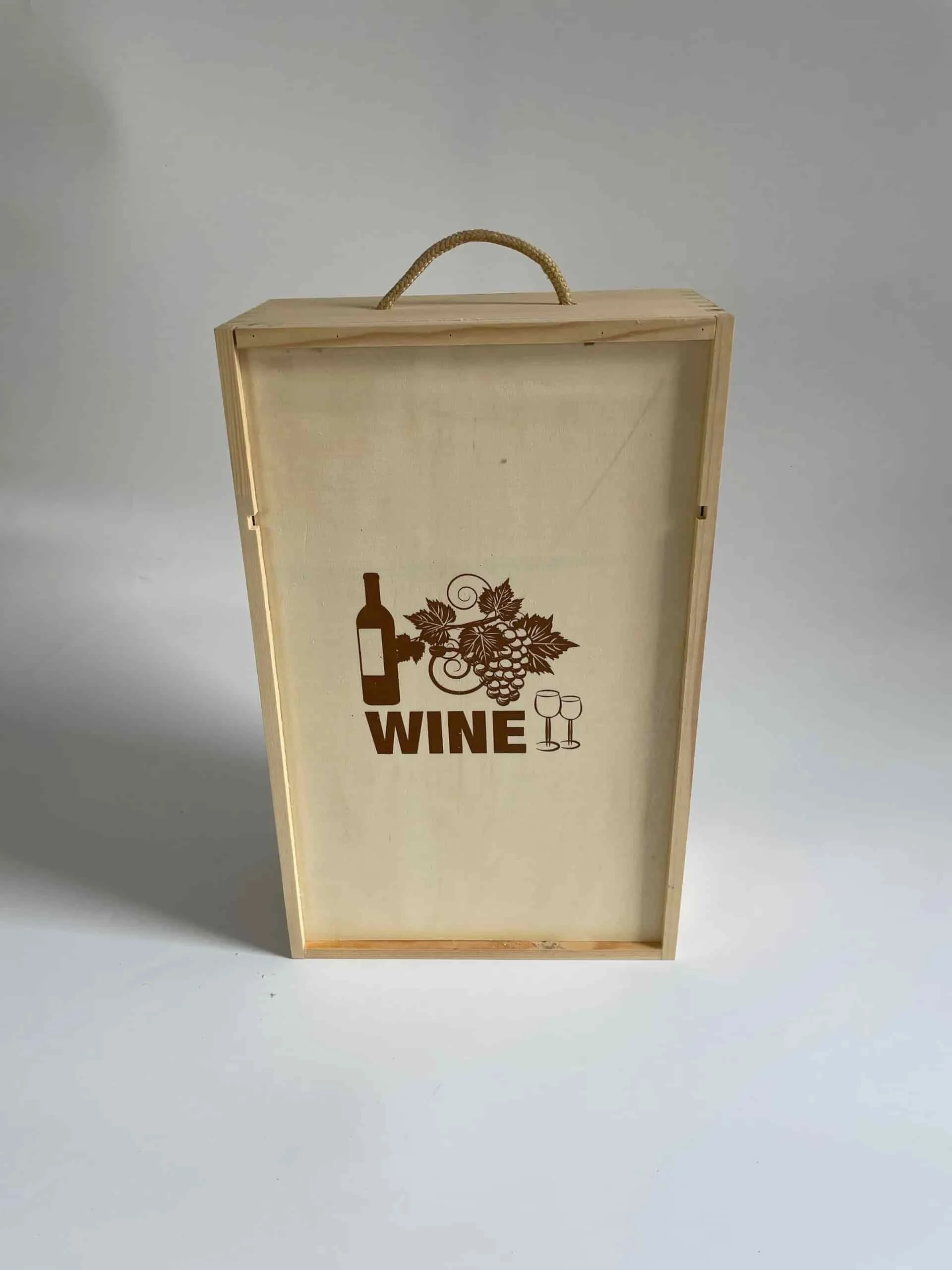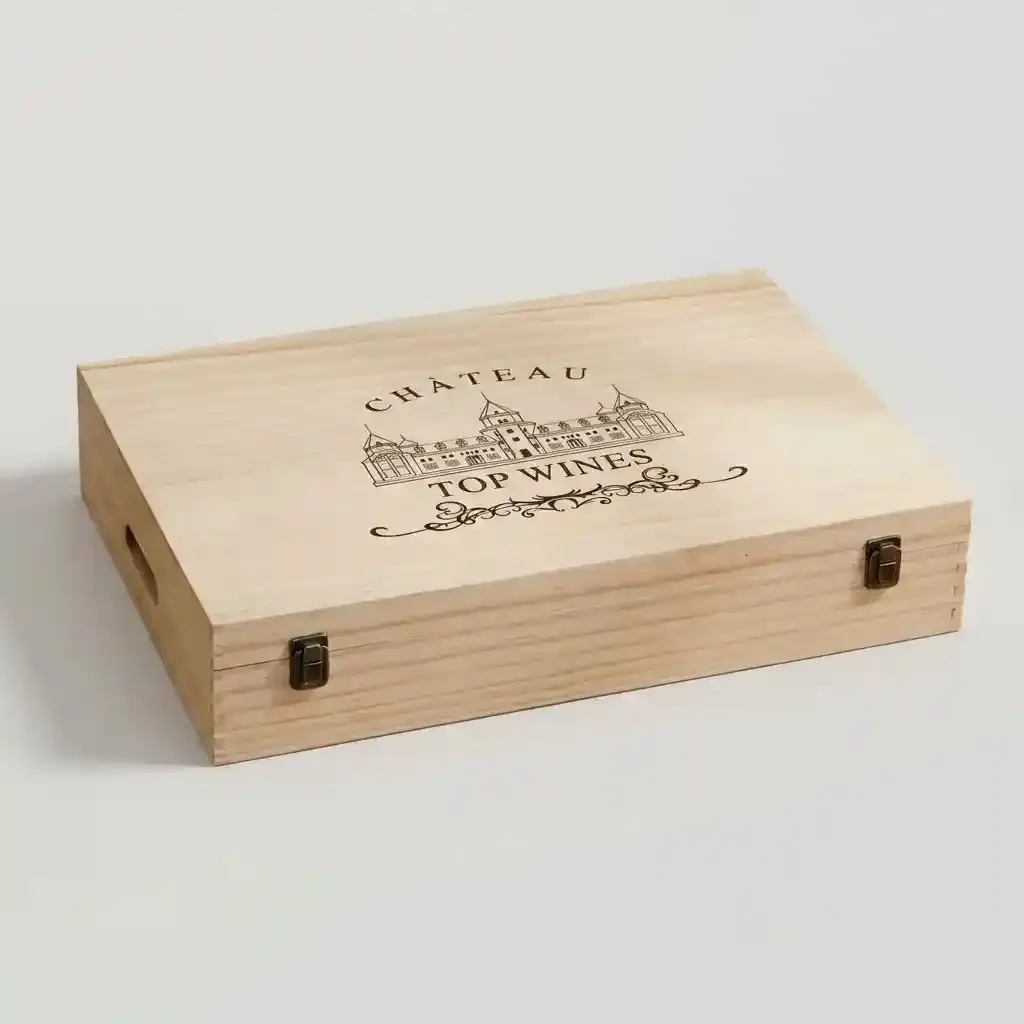
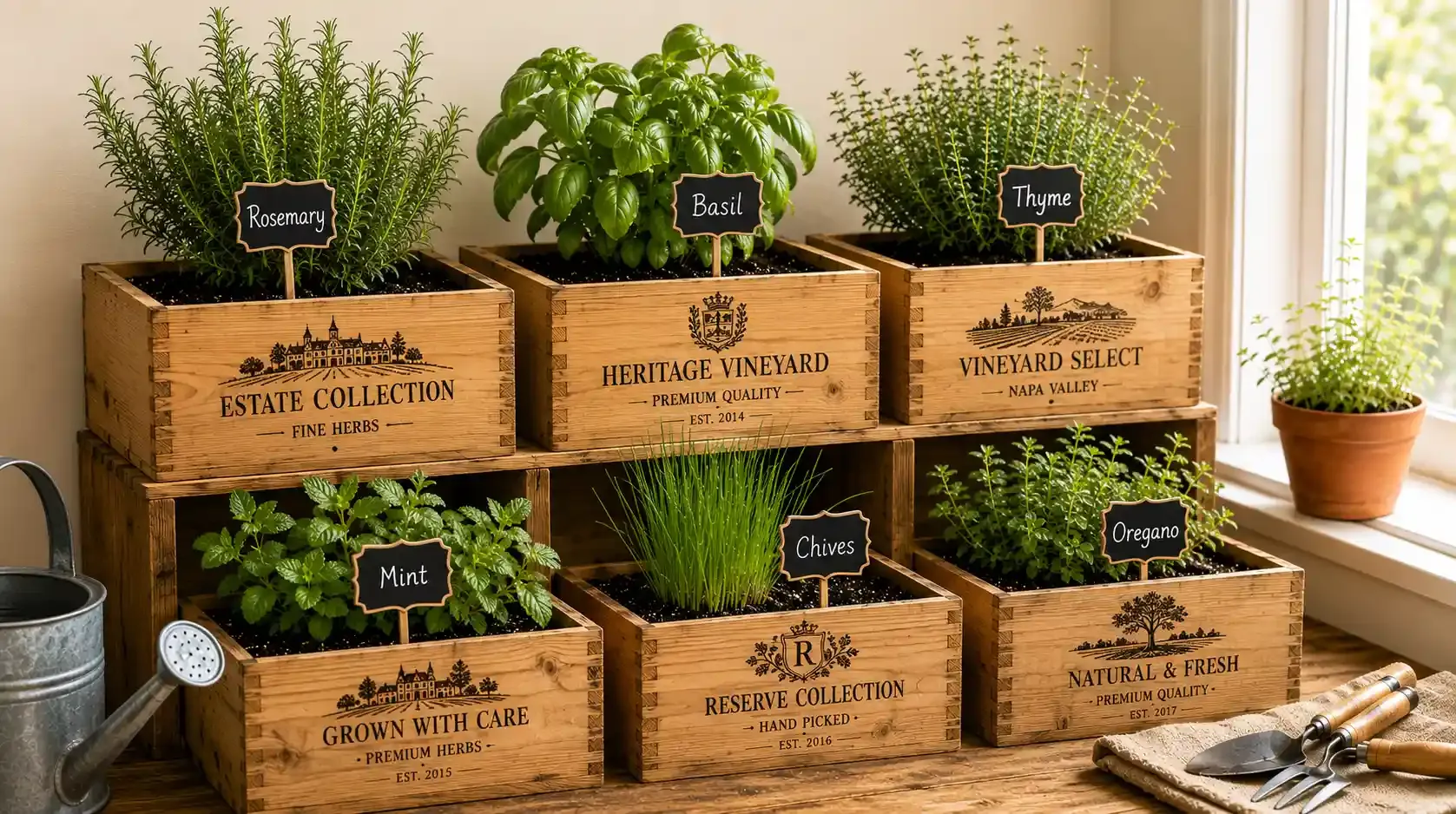
A wooden wine box does not end its life when the bottle is opened. Unlike cardboard packaging that goes straight to recycling, a solid wood box finds a second life in the consumer's home — as storage, decor, a planter, or a keepsake. Vintage wooden wine boxes often serve as display pieces in their own right. For wineries, retailers, and corporate gift buyers, this "second life" is not a curiosity. It is a measurable business advantage.
When a customer keeps and reuses a wooden wine box, your brand stays visible in their home for months or years — long after the wine is gone. This article examines why reusable packaging matters for B2B buyers and how to choose wooden wine boxes designed for a second life.
The Business Case for Reusable Wine Packaging
Most packaging gets thrown away within minutes. A cardboard wine box costs less upfront but disappears from the consumer's life immediately. A wooden wine box costs more per unit but delivers something cardboard cannot: extended brand presence.
Consider the numbers. A wooden wine box kept as a desk organizer in a home office is seen roughly twice a day for two years — that is over 1,400 brand impressions from a single packaging unit. Multiply that across 5,000 units shipped to customers, and the accumulated brand exposure rivals a modest advertising campaign. The box is not just packaging — it is a free, recurring ad placement in the consumer's own space.
For B2B buyers sourcing wine packaging, this changes the value equation. The box is no longer a cost item — it is a marketing investment with ongoing returns. Procurement teams evaluating packaging on unit price alone miss this entirely. The right question is not "how much does the box cost" but "how much brand value does the box generate over its lifetime."
Material Durability Determines Reuse Potential
Not all wooden wine boxes earn a second life. The material choice directly determines whether the box gets reused or discarded.
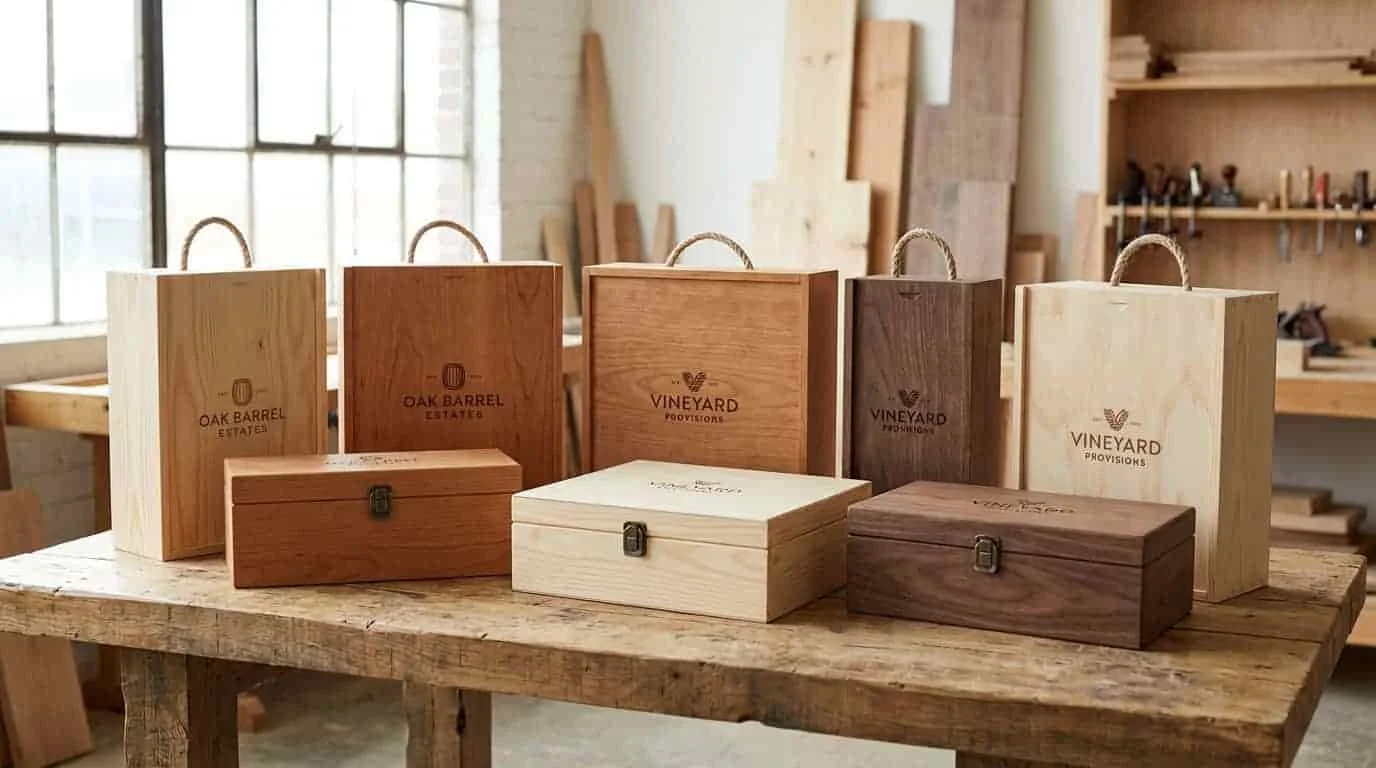
Pine and paulownia are the two most common materials for wine boxes, and they serve different reuse scenarios. Pine is denser and heavier — boxes made from pine hold up well as storage containers, small shelves, and furniture components. Paulownia is lighter and easier to handle, making it popular for display cases, keepsake boxes, and indoor decor projects. Both species resist warping under normal indoor conditions, which is why consumers gravitate toward keeping them.
The joinery matters too. A box assembled with dovetail joints or reinforced corners survives years of handling. A box held together with brad nails and glue will loosen after a few seasons. Buyers evaluating samples should check corner construction carefully — this single detail determines whether the box has a second life or ends up in the trash after the first use. For reference, a well-constructed pine wine box with reinforced corners can stay in use for five to ten years in a typical home environment.
How Wineries Turn Packaging into Brand Presence
Wineries were the first to understand the marketing value of reusable wooden packaging. A premium wine presented in a branded wooden box signals quality before the bottle is even lifted out. But the longer-term play is what happens after the wine is consumed.
A branded wine box kept on a kitchen counter or home bar becomes a conversation piece — "Where did you get that?" — followed by a story about the wine and the brand. This word-of-mouth effect is genuine and cost-free. Some wineries now design their boxes specifically for repurposing: removable dividers so the box converts from wine carrier to general storage, interior branding that remains visible when the box is used for other purposes, and lid designs that function as trays when detached.
For wineries placing wholesale orders, the specification decisions made during procurement — material, joinery, finish, hardware — directly determine whether the box earns a second life. A box built to be kept is a box built to advertise.
Retail Strategy: Selling the Box as a Product, Not Just a Container
Retailers selling wine gift sets face a familiar problem: how to justify a higher price point. A wooden box solves this by functioning as both packaging and product. The consumer is buying two things — the wine and the box — and the box alone can be valued at $10 to $30 depending on construction and customization.
This dual-function positioning changes the retail conversation. Instead of "wine in a nice box," the offer becomes "a wine gift set that includes a handcrafted wooden box you will use for years." The difference in consumer willingness to pay is significant — gift sets with reusable wooden packaging consistently command 20 to 40 percent higher retail prices than equivalent sets with standard packaging, based on observed pricing patterns in the wine gift market.
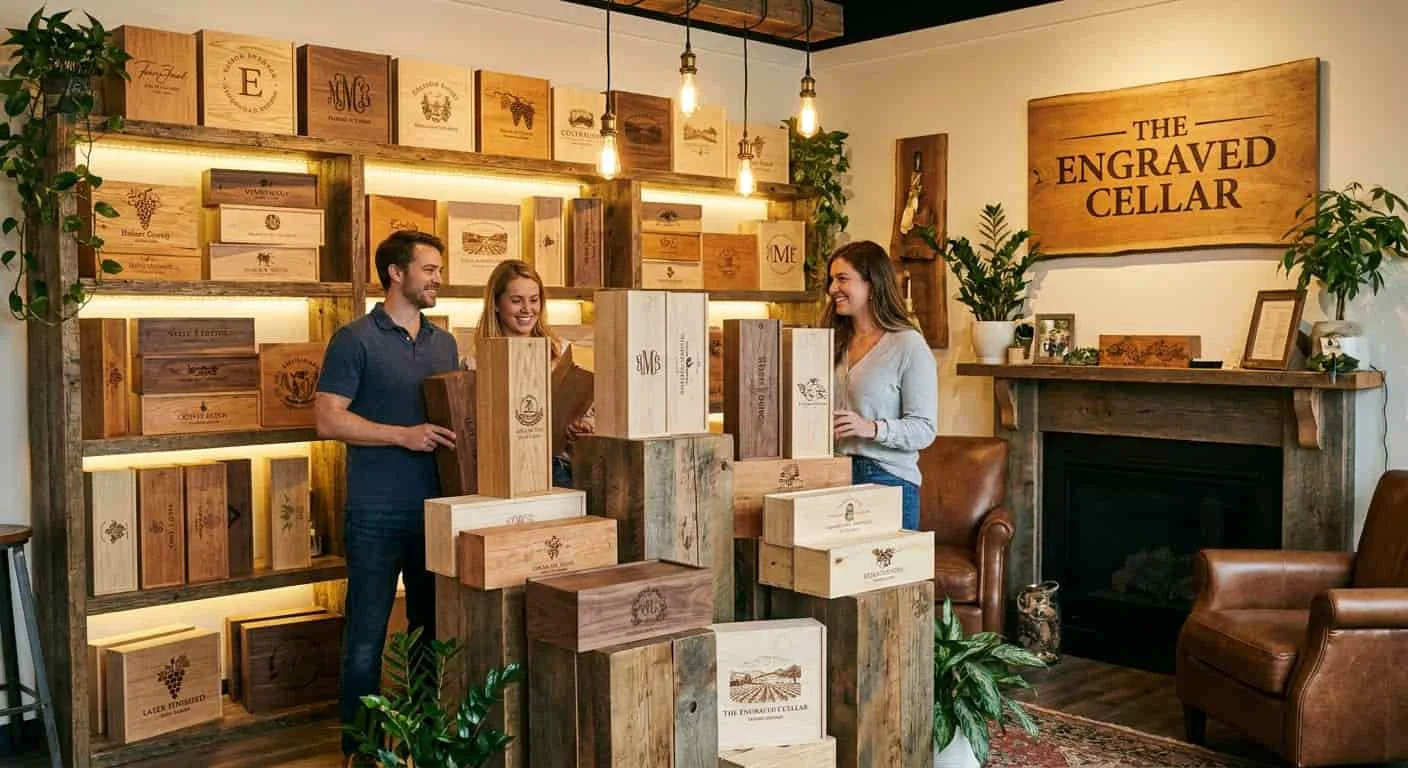
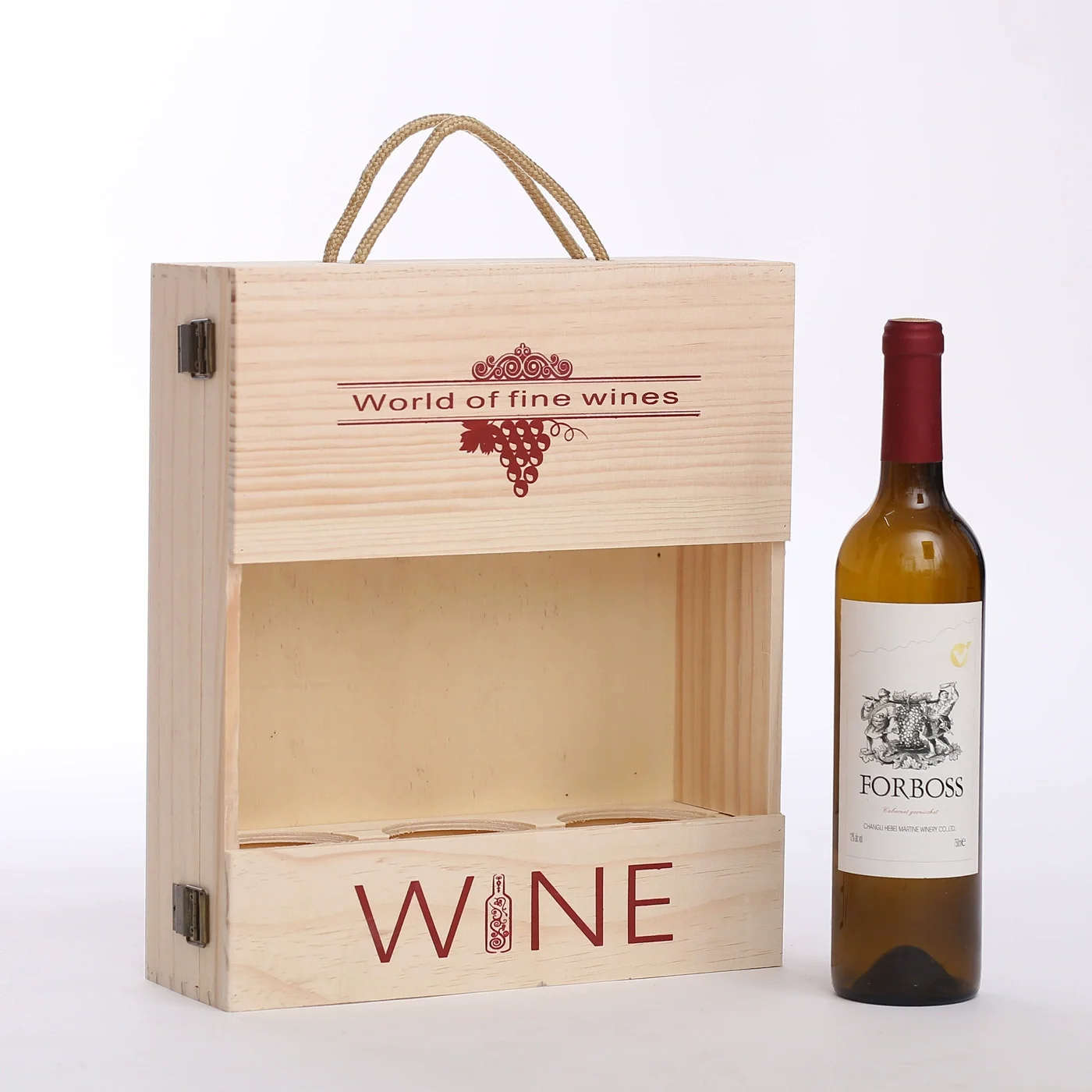
For retail buyers, the sourcing strategy should prioritize box designs that look intentional as standalone decor pieces — clean lines, minimal distracting hardware, and finishes that complement typical home interiors. A box that looks like industrial packaging gets discarded. A box that looks like furniture gets kept.
Corporate Gifting: Packaging That Outlasts the Occasion
In corporate gifting, the packaging often matters more than the gift. A bottle of wine is consumed in an evening. A branded wooden wine box stays on the recipient's shelf for years, carrying the gifting company's logo and message into daily view.
This is particularly valuable for B2B relationships. A law firm sending holiday gifts to clients, a real estate agency closing on a home sale, an automotive brand thanking a buyer — in each case, the wooden box becomes a permanent fixture in the recipient's home or office. The cost per impression over the box's lifetime is a fraction of a cent.
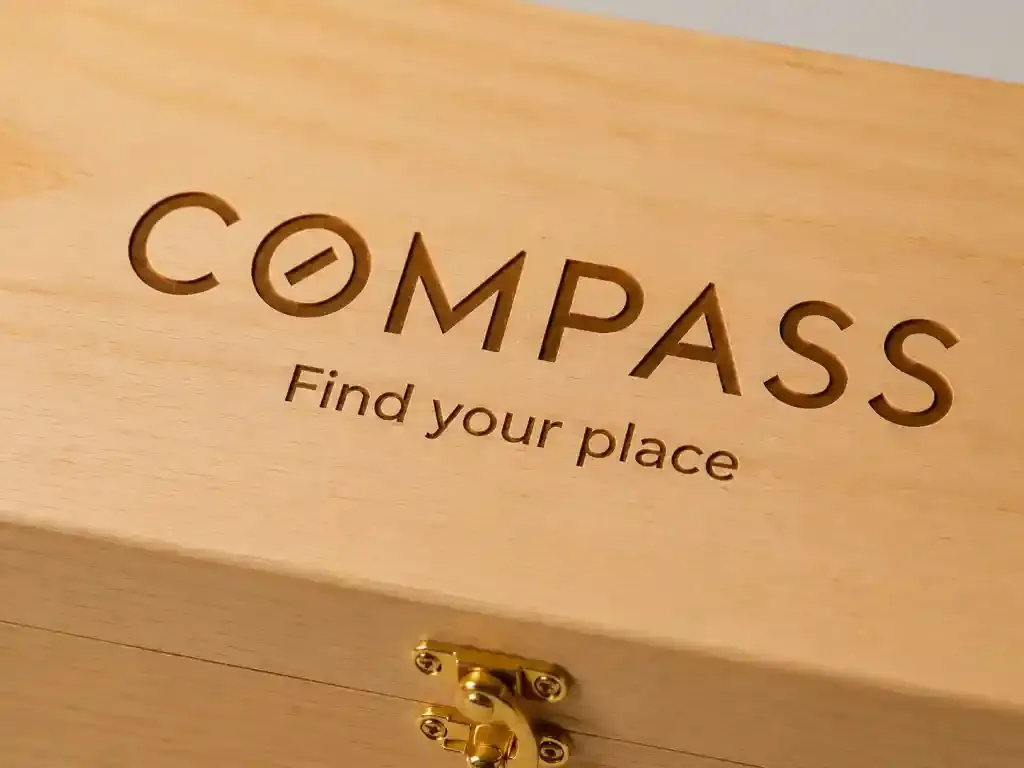
Corporate buyers sourcing wine gift boxes should look for: internal volume that accommodates standard bottle shapes with room for dividers or accessories, customization options that survive the second life — laser engraving lasts longer than screen printing, and lid branding that remains legible when the box is used open for storage. A corporate logo engraved on the inside lid, for example, is visible every time the recipient opens the box to access whatever they store inside.
Design Features That Encourage Consumer Reuse
A wooden box gets reused because it is useful, not because it is beautiful. The following design features make the difference between a box that gets kept and one that gets thrown away:
Removable dividers. A wine box with fixed bottle dividers has one function. With removable dividers, it converts to general storage — the most common reuse scenario.
Hinged lids. A sliding lid requires two hands and a flat surface. A hinged lid opens with one hand and stays attached — far more practical for daily use as a desk or countertop storage box.
Smooth interior finish. Rough interior surfaces catch on fabrics, scratch tabletops, and feel cheap. A lightly sanded and sealed interior transforms the box into a usable storage container that consumers trust with their belongings.
Neutral hardware. Shiny gold hinges and ornate clasps limit the box to specific decor styles. Matte black, brushed nickel, or antique brass hardware works across modern, rustic, and traditional interiors — maximizing the addressable reuse market.
For B2B buyers placing custom orders, each of these features adds marginal cost — typically $0.50 to $3.00 per unit — and dramatically increases the probability of consumer retention and reuse.
Sourcing for the Second Life: What to Ask Your Manufacturer
Most wine box manufacturers can build a box. Few can build a box designed for a second life. When evaluating suppliers, ask these specific questions:
Can you provide samples with removable dividers? A sample reveals construction quality far better than a spec sheet. Request a sample with the exact divider configuration you plan to order, and test how easily the dividers remove and reinsert.
What joinery method do you use for the corners? Dovetail, finger joint, or reinforced butt joint with wood glue are acceptable. Staples alone are not — they loosen under repeated handling and shorten the box's usable life.
What is the MOQ for custom branding on the interior surfaces? Interior branding — logo on the inside lid or base — remains visible during reuse when the box is open. Exterior-only branding gets covered when the box is repurposed as a planter or storage container turned sideways.
Can you match a specific stain or finish to our existing brand palette? The best custom boxes look intentional in the consumer's home. A finish that clashes with typical decor reduces reuse probability. Neutral wood tones — natural pine, light walnut, weathered gray — pair with the widest range of interiors.
Do you support small trial orders for evaluation? Never commit to a full production run without testing samples. A reputable manufacturer will accommodate a small trial order — typically 200 units — so you can evaluate construction quality, finish consistency, and real-world reuse behavior before scaling.
At Hilon Wood, we manufacture custom wooden wine boxes wholesale based on your reference images, samples, drawings, or bottle dimensions. Box structure, material, surface finish, hardware, and branding methods are all customizable. Small trial orders are supported so you can evaluate product quality before committing to full production volumes.
The Bottom Line: Reusable Packaging Is a Procurement Advantage
A wooden wine box that earns a second life in the consumer's home is not just packaging — it is a long-term brand asset. For wineries, it builds recognition. For retailers, it justifies premium pricing. For corporate gift buyers, it extends the relationship far beyond the gifting occasion.
The key is sourcing boxes that are designed to be kept. Material quality, joinery, finish, and thoughtful details like removable dividers and interior branding separate a disposable container from one that consumers choose to reuse. Learn more about reusable wine box brand value and how design choices drive long-term returns. These features cost little at the manufacturing stage but generate years of brand exposure after delivery.
Ready to source wooden wine boxes built for a second life? Contact our team to discuss your requirements. Whether you need 500 units for a corporate gifting program or 50,000 units for a retail wine brand, we can manufacture custom wooden wine boxes that consumers will keep, use, and remember.
This article was made by Hilon Wood. We are dedicated to custom wooden products manufacturing.
Custom Wooden Wine Boxes Wholesale at Hilon Wood
Hilon Wood specializes in custom wooden wine boxes based on reference images, samples, drawings, or bottle specifications. Box structure, material, surface finish, hardware options and logo printing methods can all be customized. Small trial orders are supported for initial evaluation.
Let us manufacture custom wooden wine boxes for you.