Wooden vases wholesale sourcing is a smart way for retailers, importers, and design studios to build a cohesive and profitable decor collection. Compared with single retail purchases, wholesale wooden vases allow you to standardize materials, finishes, and sizes across multiple projects or store locations, while keeping costs predictable. At the same time, wood is a warm and versatile material that works in Scandinavian, rustic, coastal, Japandi, and luxury interiors. By understanding how timber species, dimensions, and custom options interact, you can brief manufacturers more clearly, avoid functional issues such as tipping or cracking, and design wooden vase lines that match your target customer and price point.
Main Types of Wood for Wholesale Wooden Vases
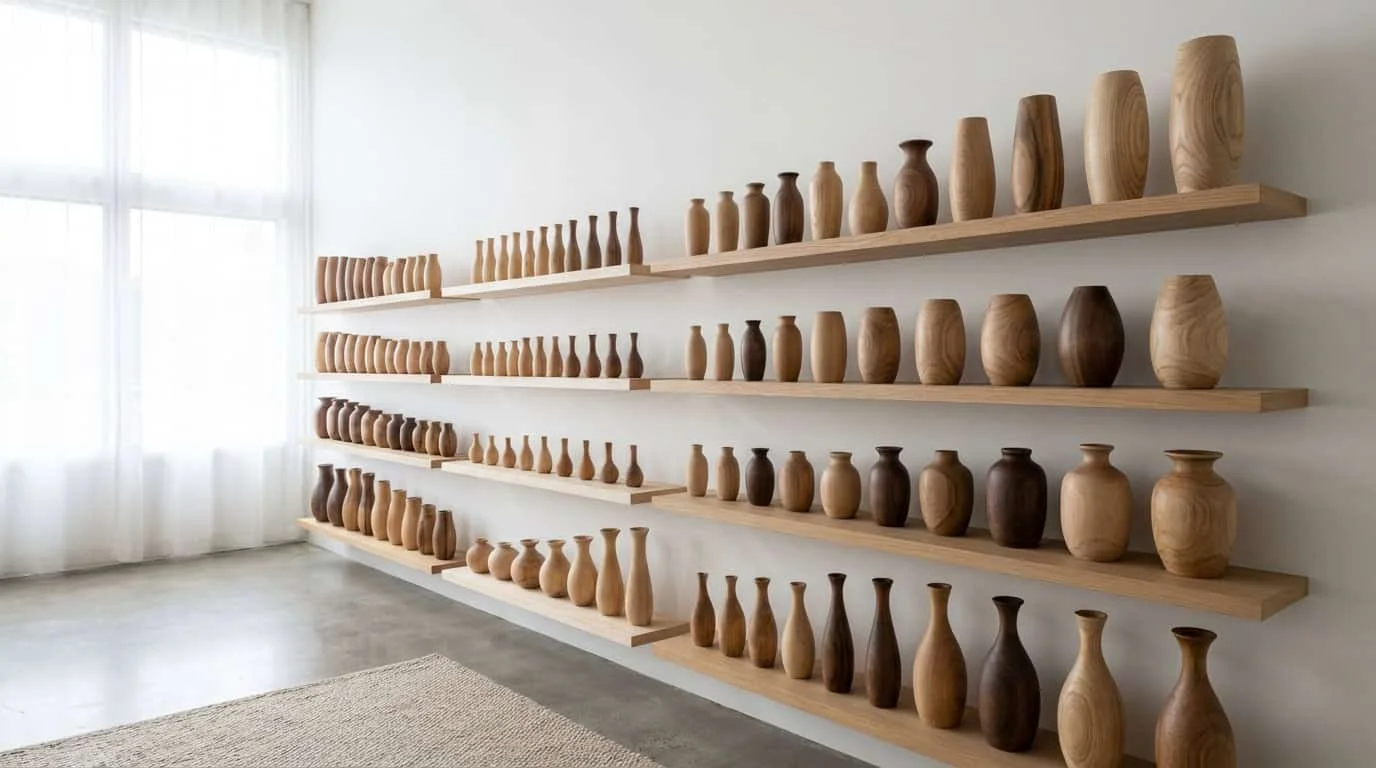
Choosing the right species is the foundation of successful wooden vase collections. Different woods influence weight, color, grain pattern, and price, and those factors directly affect where and how your vases will be used.
Common hardwoods used in bulk production
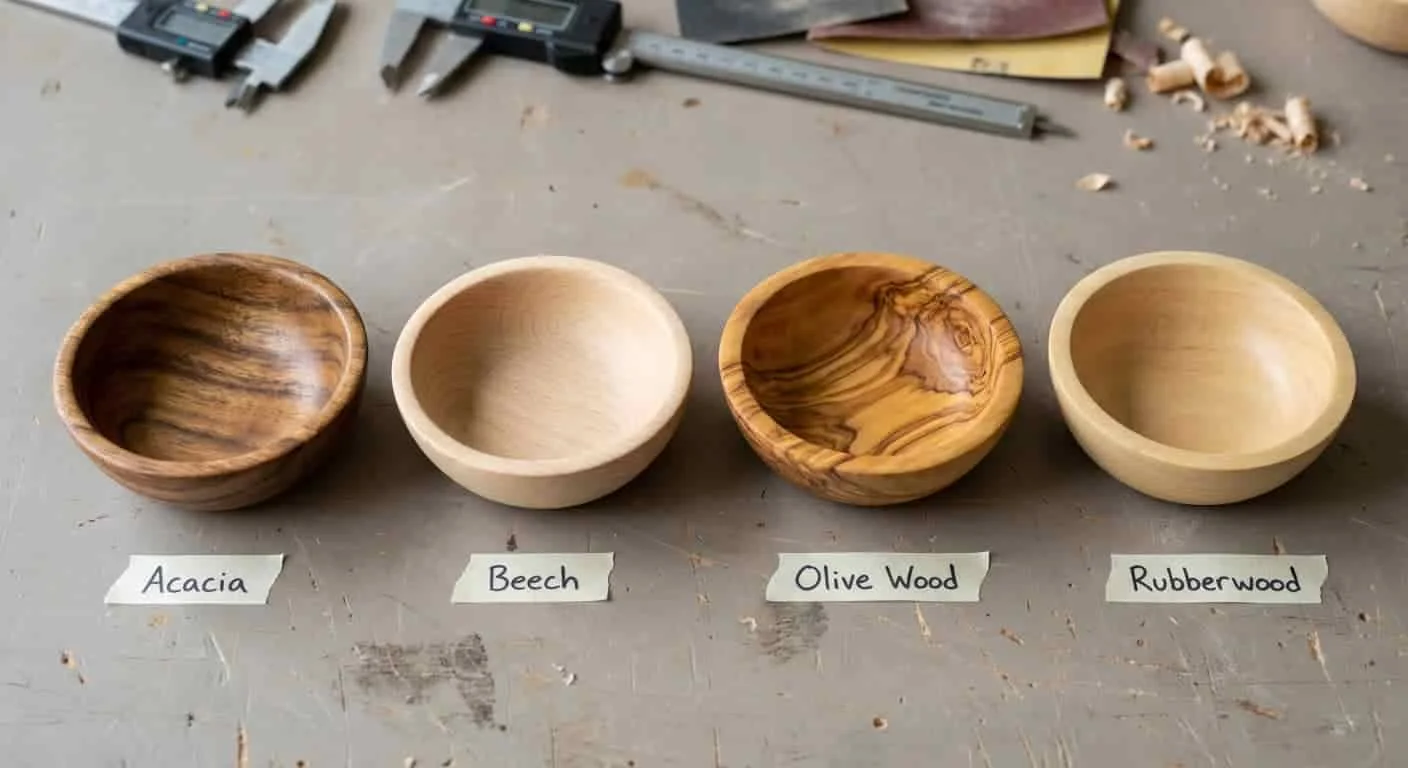
For large-volume orders, manufacturers typically rely on accessible, stable hardwoods that machine well and accept a variety of finishes. Popular options include beech, ash, oak, acacia, rubberwood, and walnut. Each has a different character and cost level, making it easier to target entry, mid, or premium price segments.
| Wood species | Typical color & grain | Weight & hardness | Best use in vase collections |
|---|---|---|---|
| Beech | Pale, fine and even grain | Medium-heavy, durable | Everyday table vases and mid-range sets |
| Ash | Light tone with lively grain | Medium weight | Scandinavian and Japandi-inspired lines |
| Oak | Warm, pronounced grain | Heavy and very strong | Large floor vases and premium pieces |
| Acacia | Rich browns with contrast | Dense and sturdy | Statement vases and gift collections |
| Rubberwood | Light, subtle grain | Medium weight | Value-focused bulk orders |
| Walnut | Deep chocolate hues | Medium-heavy | Luxury, limited-edition designs |
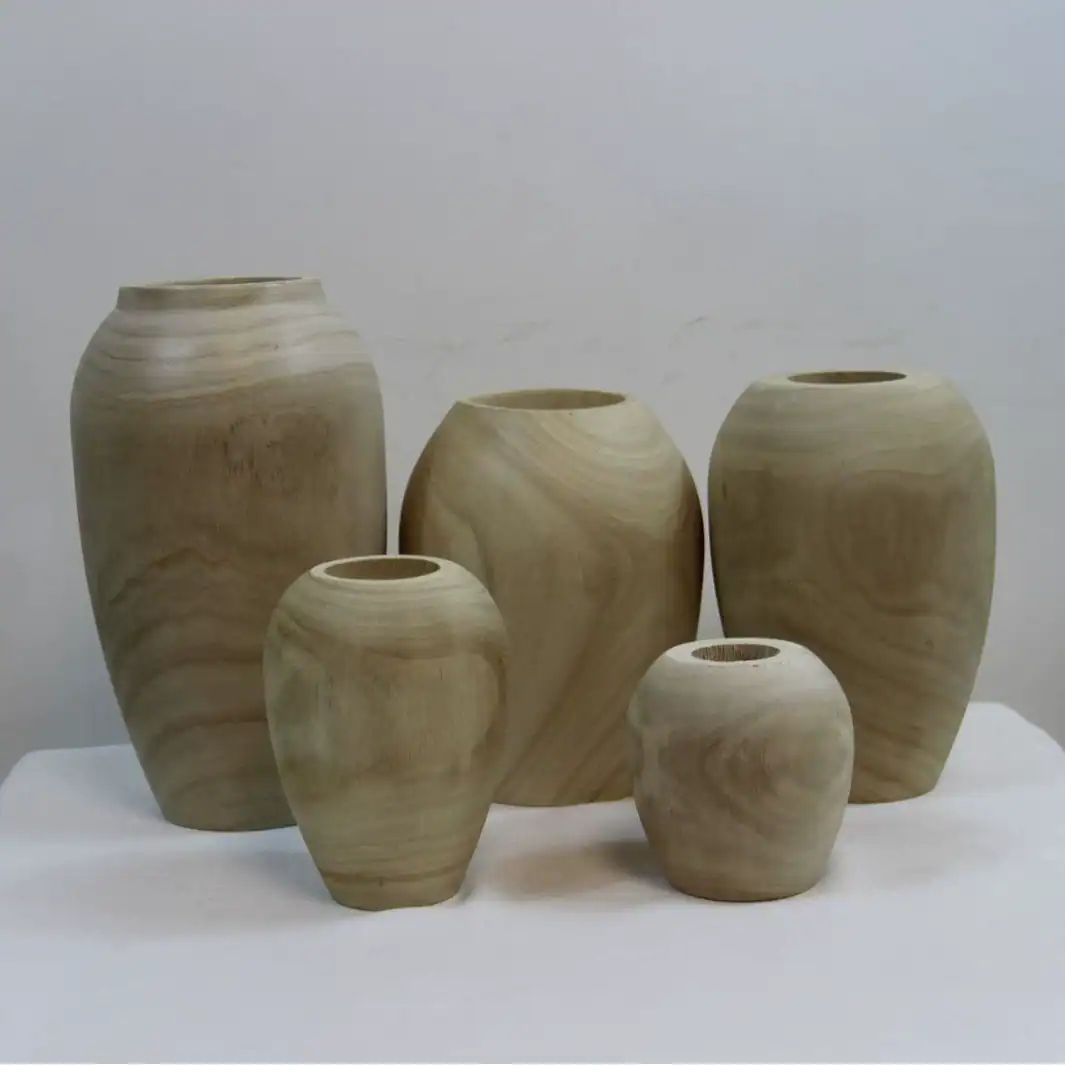
When comparing options, it is useful to request physical samples or visit the Wooden Vases wholesale collection to see how different woods behave in real vase shapes and finishes.
Sustainability and sourcing considerations
More buyers now ask about sustainable wooden vases wholesale, especially for eco-conscious retail and hospitality projects. Look for suppliers who can provide information on responsible forestry and formaldehyde-safe finishes. Reputable organizations like the Forest Stewardship Council (FSC) explain recognized standards in wood sourcing, which can support your own brand messaging and compliance with local regulations.
How wood choice affects design and performance
Heavier hardwoods like oak and acacia are ideal when you want oversized or tall vases that feel solid and steady. Lighter woods help control shipping weight for small desktop or shelf vases. Fine, uniform grain works well for minimal cylinders, while busy grain can turn a simple silhouette into a decorative focal point. Matching your species to the intended size and role of each vase style is the best way to balance aesthetics, safety, and logistics.
Finishes and Coatings for Wholesale Wooden Vases
After you choose timber, surface treatment determines how your wooden vases wholesale line feels in the hand, how durable it will be in daily use, and how strongly the grain appears.
Natural, stained, and painted finishes
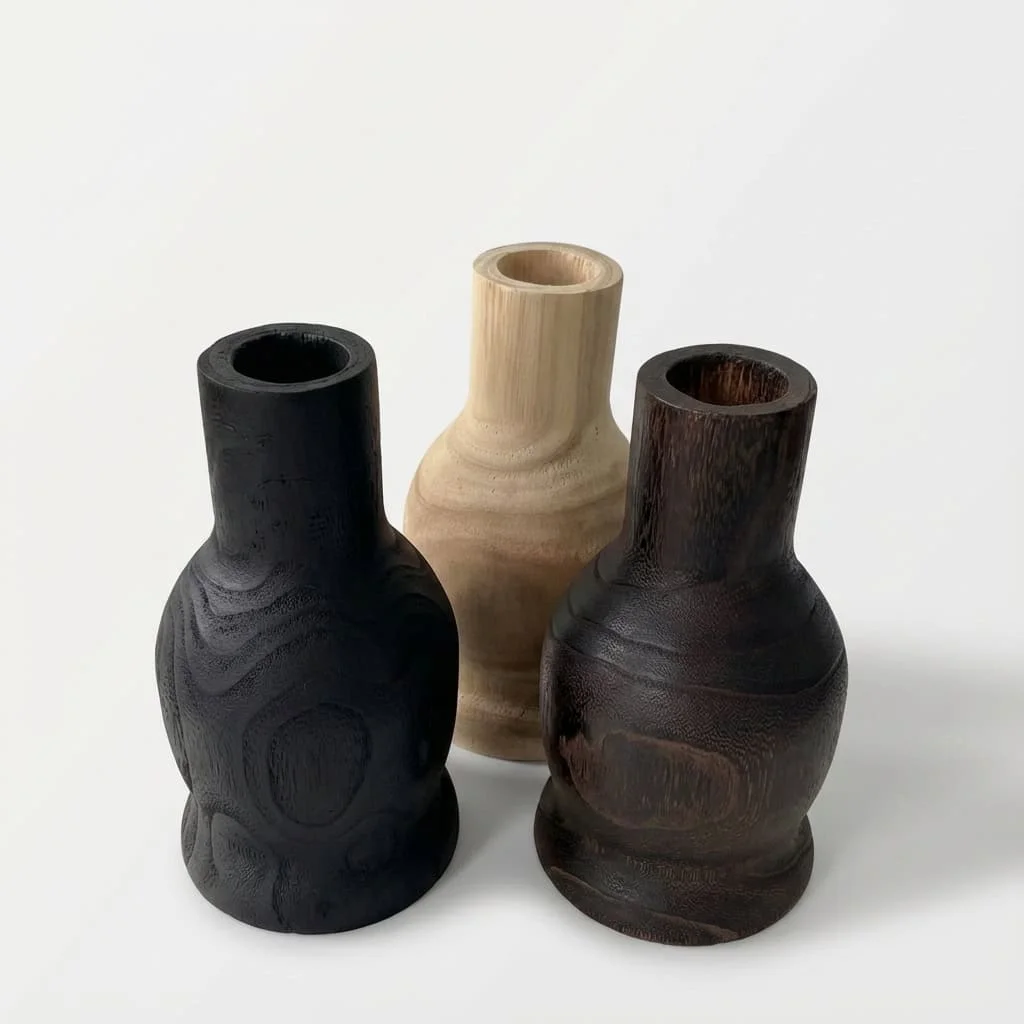
Clear oil or matte lacquer preserves a natural, tactile look that fits minimalist and Nordic interiors. Stains in warm or cool tones allow you to align vases with contemporary furniture palettes without changing the base wood. Painted finishes, from soft chalky hues to high-gloss black or white, offer a more graphic, modern direction and are effective in branded collections or seasonal themes. For guidance, interior-focused resources such as ArchDaily can help you understand how different finishes sit in current design trends.
Protective coatings and water handling
Most solid wooden vases are intended primarily for dried flowers, preserved stems, or as sculptural objects. If your customers expect fresh flowers, you can request glass inserts or waterproof liners so the wood itself does not sit in water. Industrial-grade sealers help resist occasional moisture and make dusting easier without adding a plastic look. In wholesale conversations, clarify whether your designs are decorative only or suitable for wet arrangements, so our facility can specify coatings and internal construction correctly.
Wholesale Wooden Vase Sizes and Proportions
Once materials and finishes are defined, size planning determines how useful your vases are in real spaces and how well they complement other products in your range.
Typical height ranges in bulk orders
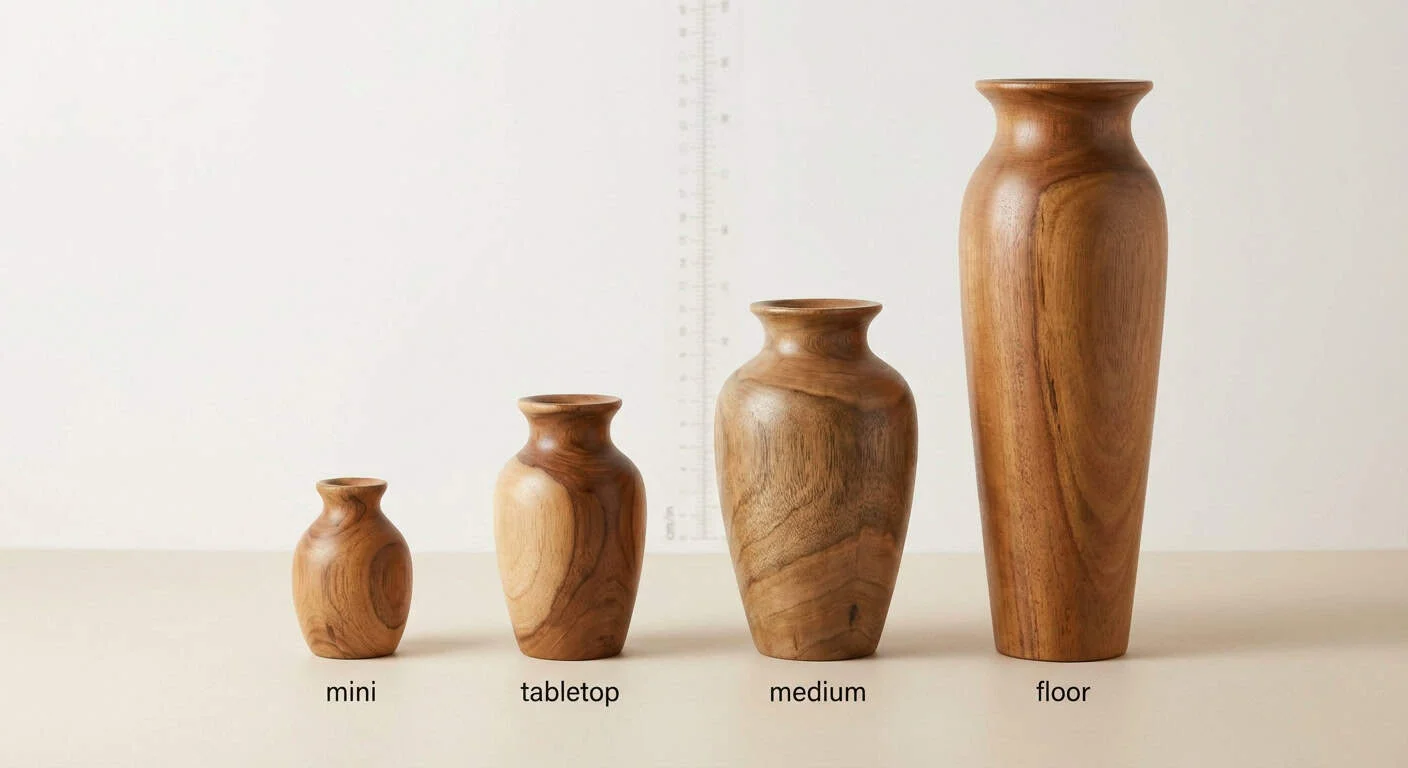
For tabletop use, 10–25 cm heights work well on desks, bedside tables, and small shelves. Medium vases between 25–40 cm are versatile for consoles and dining tables. Floor vases often start around 60 cm and may go well above 100 cm for hotel lobbies or showroom entrances. Planning these size families at the quotation stage helps you create tiered price points from entry-level minis to statement pieces using the same design language.
Balancing height, diameter, and stability
Instead of focusing only on height, think of proportions as a whole. A taller vase benefits from a wider base and a lower center of gravity; a compact bud vase can appear slimmer with a narrower neck. Manufacturers rarely rely on one fixed rule. They adjust wall thickness, base width, and neck opening together so the vase feels safe and comfortable in use. Through test samples, they assess how far a form can be pushed in height or slenderness before the piece becomes impractical to handle or too easy to knock over.
| Use scenario | Recommended height | Suggested base style | Key design focus |
|---|---|---|---|
| Desktop or bedside | 10–20 cm | Compact, slightly weighted | Comfort in hand and giftability |
| Dining table center | 20–30 cm | Stable but not bulky | Does not block conversation |
| Shelf styling | 15–35 cm | Varied footprints | Visual rhythm when grouped |
| Floor and lobby | 60+ cm | Broad base, higher weight | Impact, safety, and durability |
Coordinated size families for retail
Retailers and e‑commerce brands often build families of three to five coordinated sizes. For example, a 15 cm mini bud vase, 25 cm classic cylinder, and 35 cm tall stem vase can use the same basic silhouette but appeal to different budgets and functions. To explore how such sets work in interior styling, you can review the design ideas in Hilonwood’s wooden vases for home decor article and then adapt those concepts to your own target customers.
Custom Shape and Design Options
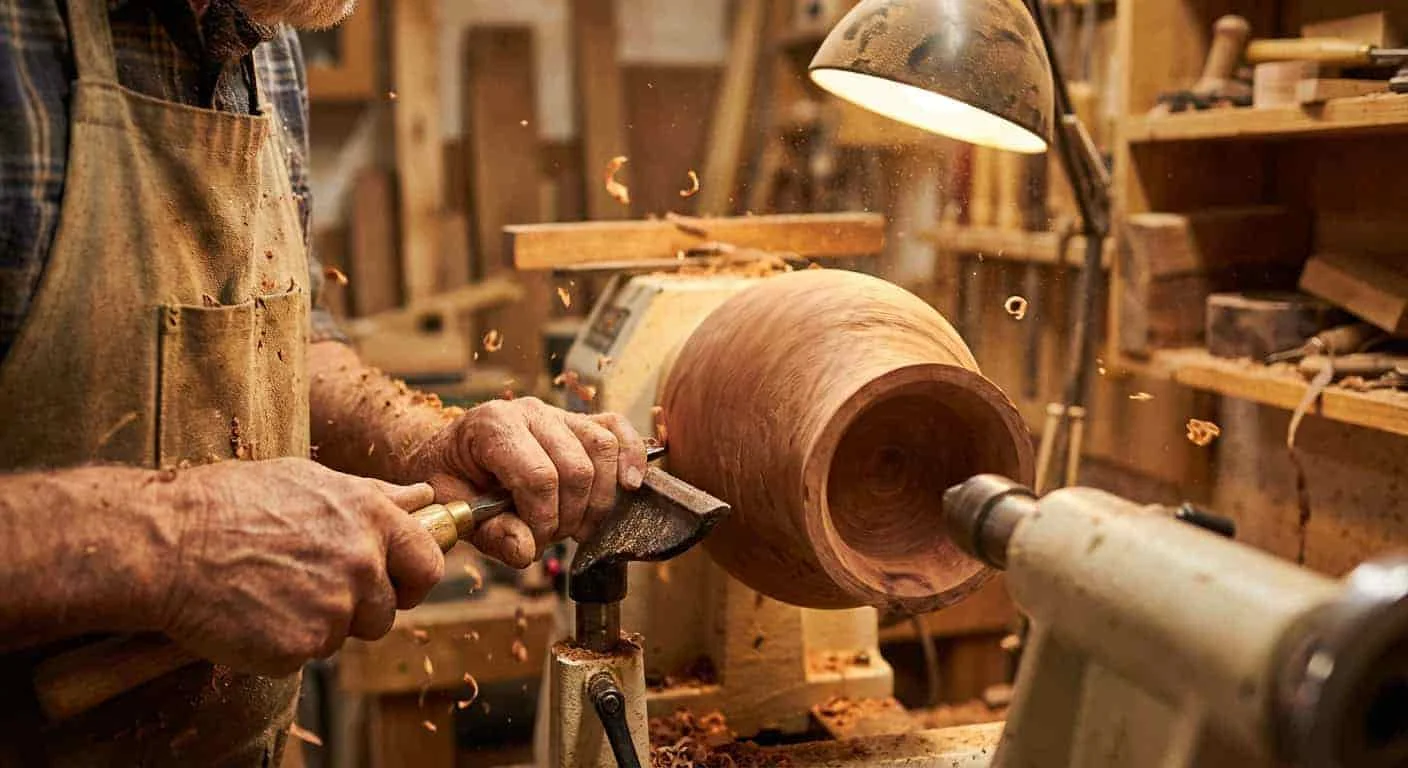
One of the biggest advantages of wooden vases wholesale is the ability to customize shapes and details at scale. Wood can be turned on a lathe, CNC‑milled, or carved, allowing both classic and experimental silhouettes.
From classic cylinders to sculptural pieces
Straight cylinders, tapered cones, and simple bottle shapes are timeless and efficient for mass production. Modern collections increasingly favor softer, organic forms such as ovals, pebble shapes, and asymmetrical contours. These forms work particularly well in accessories that need character but not excessive decoration. For a compact example, the retro wooden oval mini vase shows how an understated shape can still feel distinctive on a desktop or shelf.
Neck openings and stem capacity
Even a small change in neck diameter can transform how a vase performs. Narrow openings suit single stems or minimalist decor; medium openings accommodate casual mixed bouquets; wide mouths work best for lush arrangements or dried branches. In wholesale planning, define not only the external shape but also the intended stem count or bouquet size for each design. This makes it easier to photograph and market your vases consistently.
Structural refinement with professional factories
Experienced manufacturers do more than follow drawings; they test how a design behaves in production and everyday use. Instead of treating wall thickness, neck width, and base diameter as isolated values, they adjust these elements together so the vase remains visually light yet reassuringly stable. During sampling, they may subtly thicken the lower walls, introduce a small internal weight, or widen the hidden part of the base to keep a tall piece steady, while still preserving the intended silhouette. This kind of behind‑the‑scenes refinement helps ensure that your chosen shapes survive shipping, display, and long‑term handling without visible warping or a top‑heavy feel.
Branding and Customization for Wooden Vases Wholesale
Thoughtful customization can turn a simple wooden vase into a branded object for gifting, hospitality, or corporate events, without overcomplicating the design.
Logos, engraving, and color accents
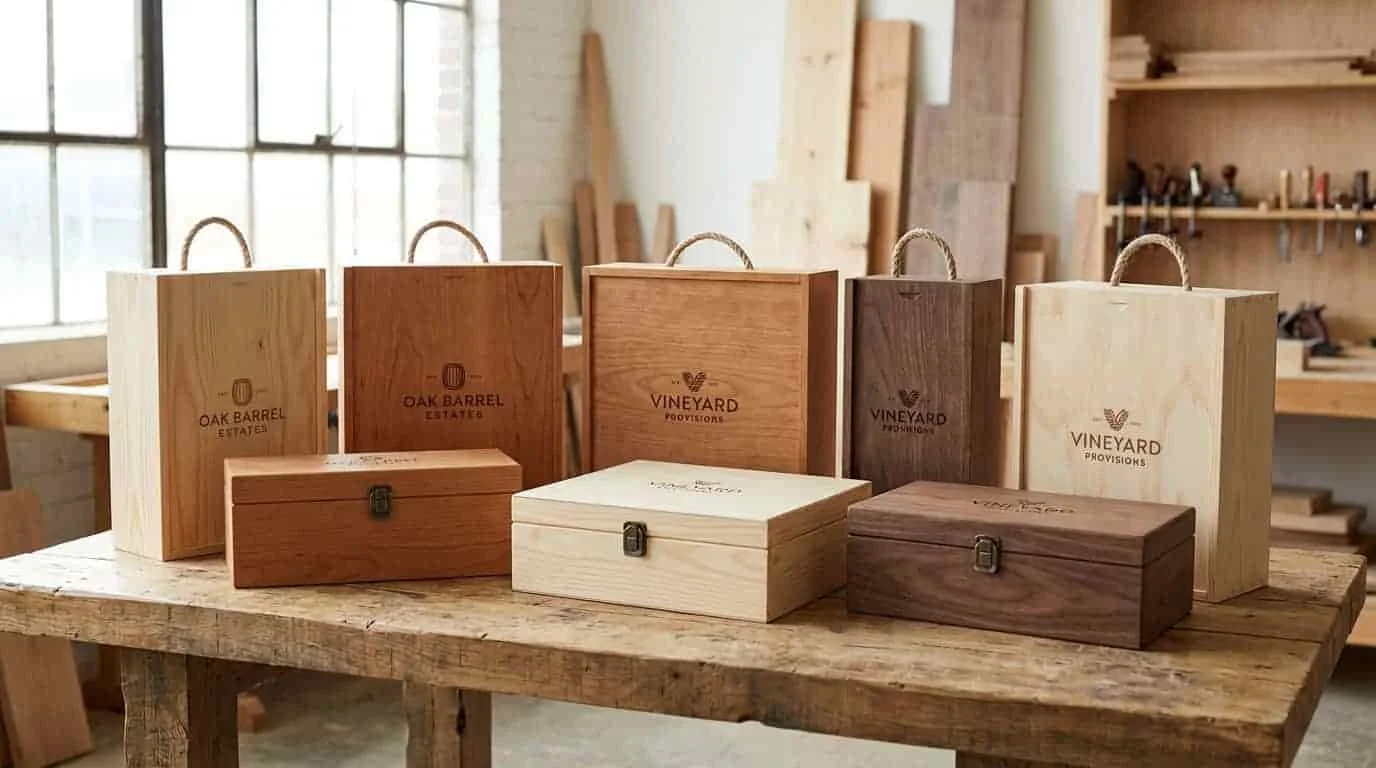
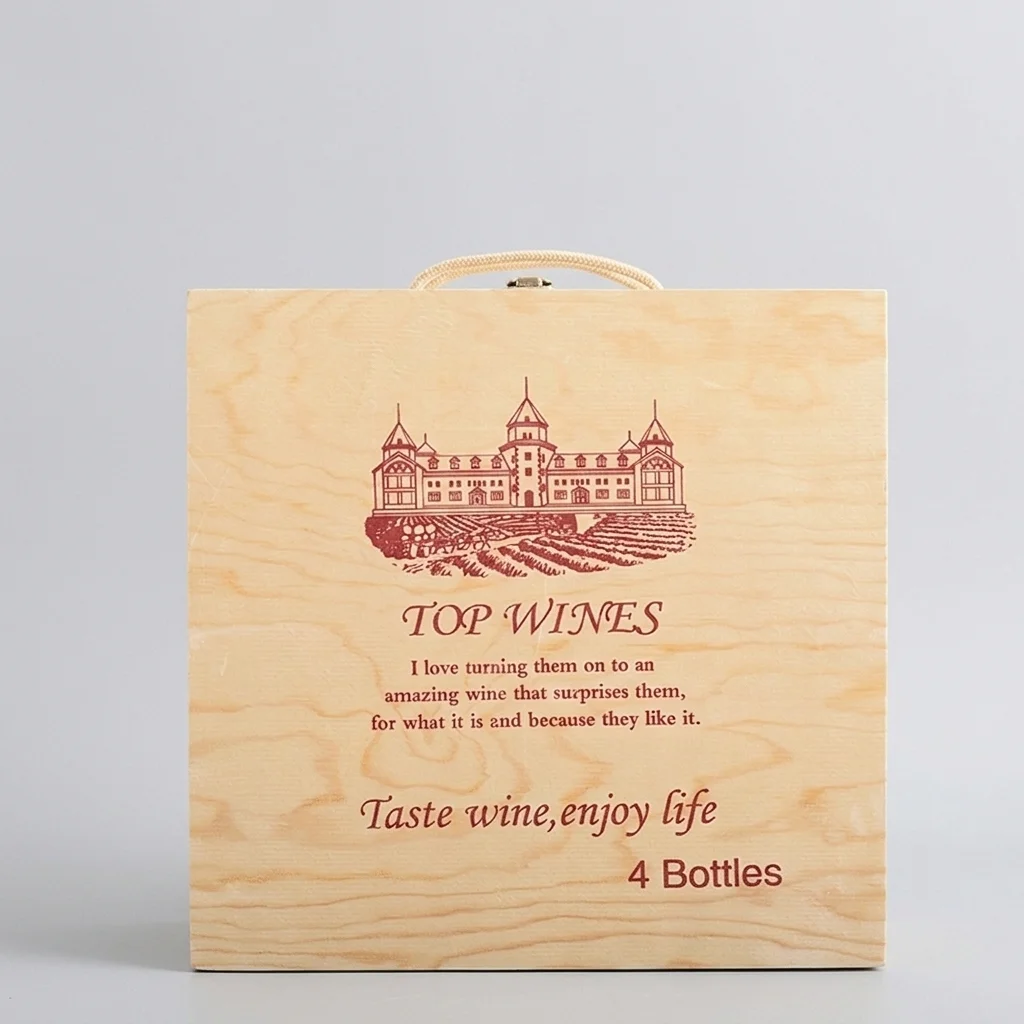
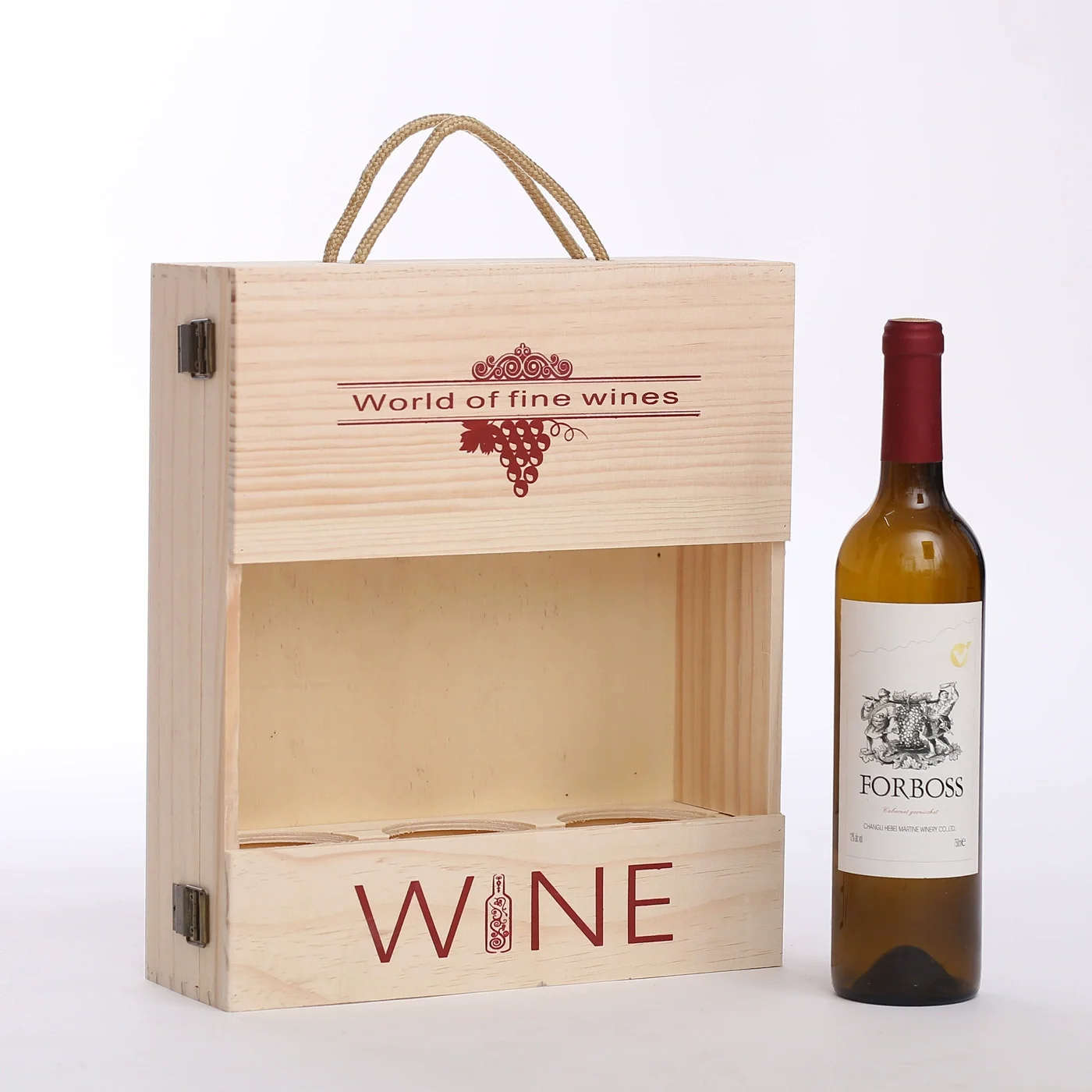
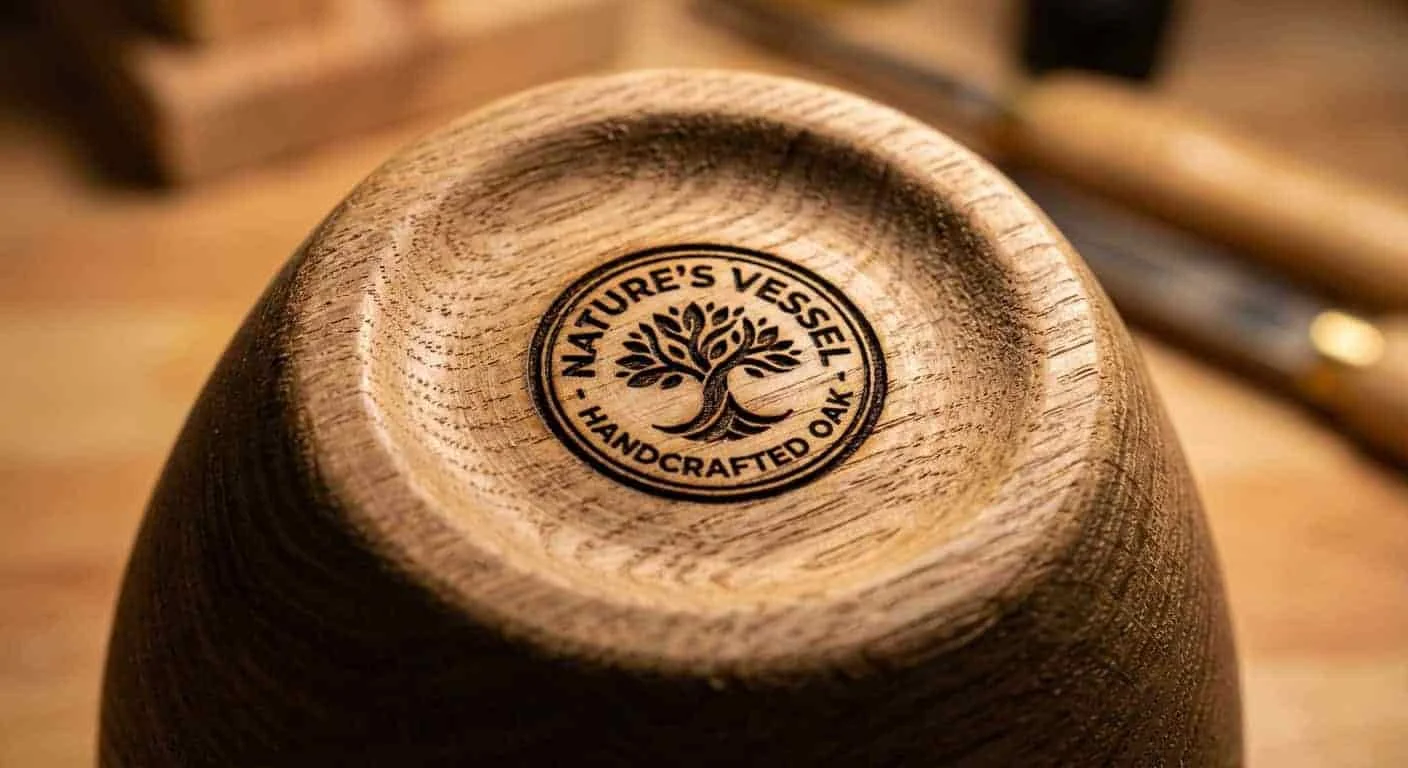
Logo placement is usually most effective near the base, at the back, or on the underside where it is visible but not distracting. Techniques include laser engraving for a precise, subtle mark, hot stamping for metallic logos, and full‑color printing when branding must stand out. Color‑blocked rims, painted interiors, or contrasting collars create recognition while allowing a core collection to stay neutral. For hospitality or wine‑related projects, coordinating vases with branded wooden wine boxes, such as those described in Hilonwood’s custom wooden wine box range, can result in cohesive table or bar presentations.
Coordinated collections with other wooden products
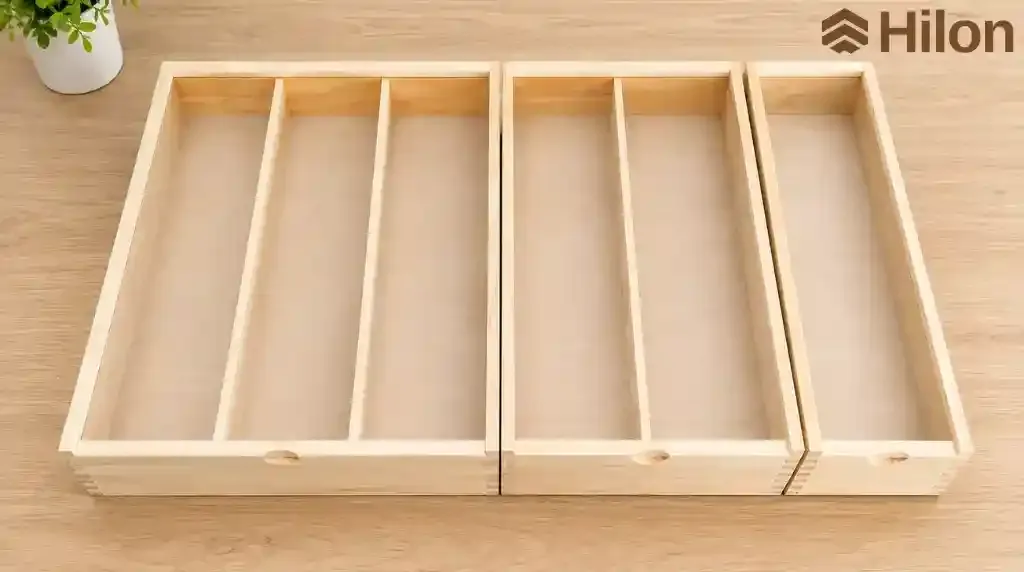
Many buyers want wooden vases that visually connect with bowls, trays, and storage items. Working with a supplier that already produces items like custom wooden bowls or kitchen and home decor pieces makes it easier to maintain consistent tones, grains, and finishes across entire collections. The same stain or lacquer can be applied to vases, candle holders, and organizers so retail displays or project installations feel intentional and well curated.
Packaging, Sets, and Display Considerations
Wholesale wooden vases reach customers through complex supply chains, so packaging strategy is essential. Individual boxes with protective inserts are important for e‑commerce or gift channels, while bulk‑packed cartons may be enough for project‑based deliveries. Neutral box designs with simple stickers work for multi‑brand retailers; fully printed packaging suits private‑label and DTC brands. Nested sets of two or three vases allow attractive pricing and reduce packaging material, while still protecting each piece from abrasion.
Key Wholesale Parameters: MOQ, Lead Time, and Quality
Understanding basic wholesale parameters at the beginning avoids surprises later. Minimum order quantity depends on complexity, finish, and the need for custom tooling; simpler forms and standard finishes usually allow lower MOQs. Lead time covers material preparation, machining, sanding, finishing, and packing, plus time for sampling and approval. Discuss inspection methods, from internal facility checks to third‑party quality control, so surface defects, finish inconsistencies, or warping are caught before shipping. Clear specifications, drawings, and finish references greatly increase the likelihood of consistent repeated orders.
How to Work with a Professional Wooden Vase Manufacturer
Choosing a production partner for wooden vases wholesale is not only about unit price. It involves alignment on design intent, technical requirements, and long‑term scalability. Suppliers like Hilonwood, which also develop custom home decor and storage products, can help you coordinate vases with other wooden categories and streamline future product launches.
From idea to production sample
The process typically moves from concept sketches or reference photos to 3D drawings, material selection, and prototype samples. During sampling, both sides evaluate weight, touch, color, and stability, and fine‑tune details such as rim softness or base protection pads. This iterative stage is where your brand character can be translated accurately into wood.
Planning future collections
When a core shape proves successful, you can extend it into new sizes, woods, or finishes with fewer development risks. Because our facility already understands the form and tooling, adaptations are faster and more cost‑effective. Over time, your brand can build recognizable wooden vase families that customers actively collect and that integrate easily alongside other wooden categories such as kitchenware and wine boxes.
Conclusion
Sourcing wooden vases wholesale requires a clear understanding of materials, sizing options, and customization possibilities. Each factor affects not only the appearance of the product but also its suitability for different markets and price levels. By selecting the right material, confirming specifications in advance, and working with a supplier experienced in custom production, businesses can achieve consistent quality and efficient order management.
For brands and wholesalers, wooden vases offer flexibility in design and positioning, making them suitable for a wide range of home decor applications.
Explore our wood vases wholesale collection for more designs and custom options.