Wooden vases for home decor brands are no longer just background accessories; they have become strategic tools for shaping mood, storytelling, and perceived product value across retail, hospitality, and e‑commerce spaces. By combining the warmth of natural wood with well-considered shapes and finishes, brands can create collections that photograph beautifully, ship safely, and stay relevant across seasons. From clean, sculptural silhouettes for modern interiors to richly grained, rustic forms for farmhouse or lodge concepts, wooden vases offer a versatile base for styling flowers, branches, or even as stand‑alone objects. For design teams and buyers, understanding key design styles and real-world applications makes it far easier to brief suppliers, plan assortments, and build cohesive decor programs that resonate with target customers.
Why Wooden Vases Work So Well for Home Decor Brands
For brands working in interiors, merchandising, or hospitality, wooden vases play several roles at once: they add height, texture, and a sense of craftsmanship, while remaining lightweight and relatively durable compared with glass or ceramic. In photo shoots, they soften hard architectural lines and introduce natural contrast against textiles, metals, and stone. In physical spaces, they help guide the eye through a room, drawing attention to hero furniture pieces or curated product groupings.
Unlike many trendy materials, quality wood ages gracefully. A matte-oiled oak vase, a dark walnut statement piece, or a pale beech bud vase can all move across seasons simply by changing the stems and surrounding decor. For retailers, this means longer product lifecycles and fewer markdowns. For interior designers, it means dependable styling elements that can be reused across multiple projects.
Core Design Styles in Wooden Vases
Choosing the right design language is crucial when positioning wooden vases for home decor brands. Below is an overview of several dominant styles and how they align with different brand identities.
Minimalist and Scandinavian-Inspired Wooden Vases
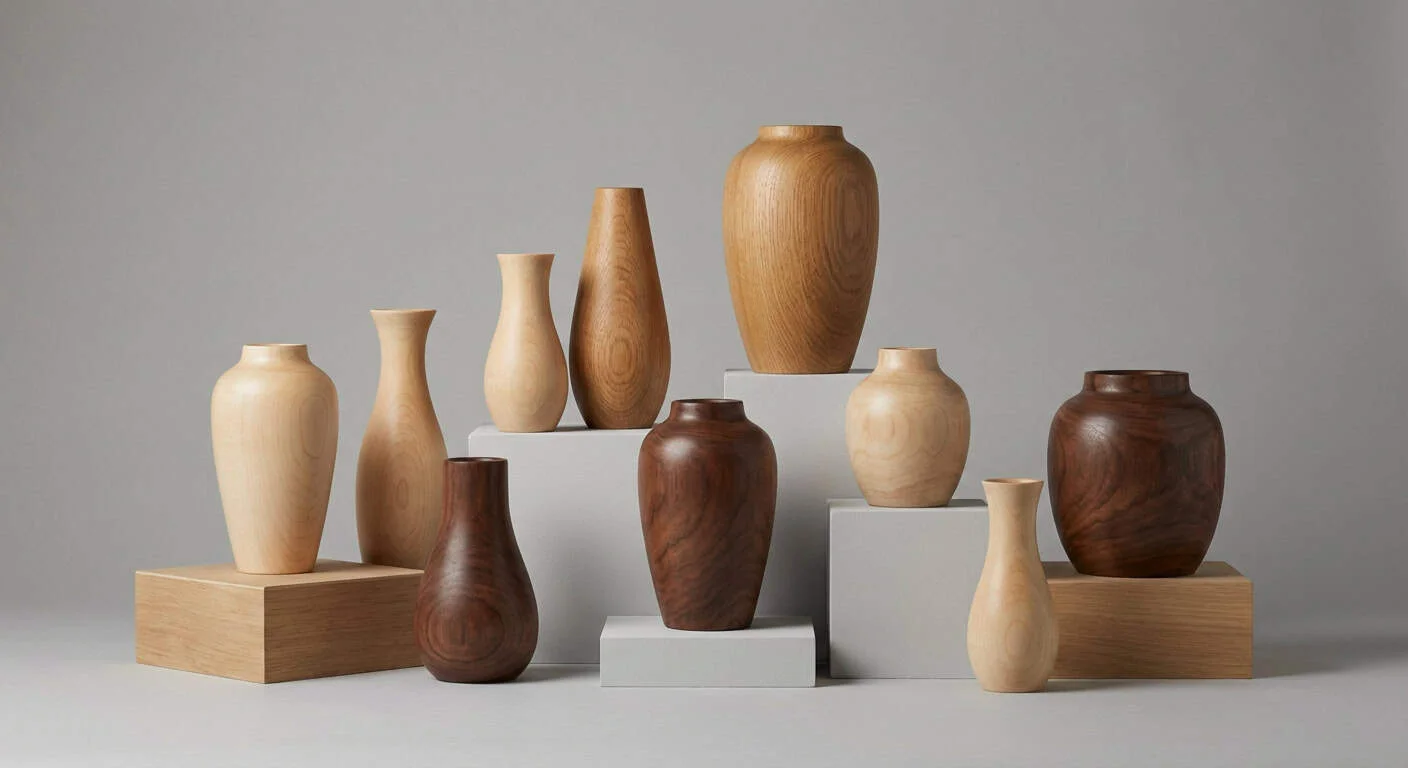
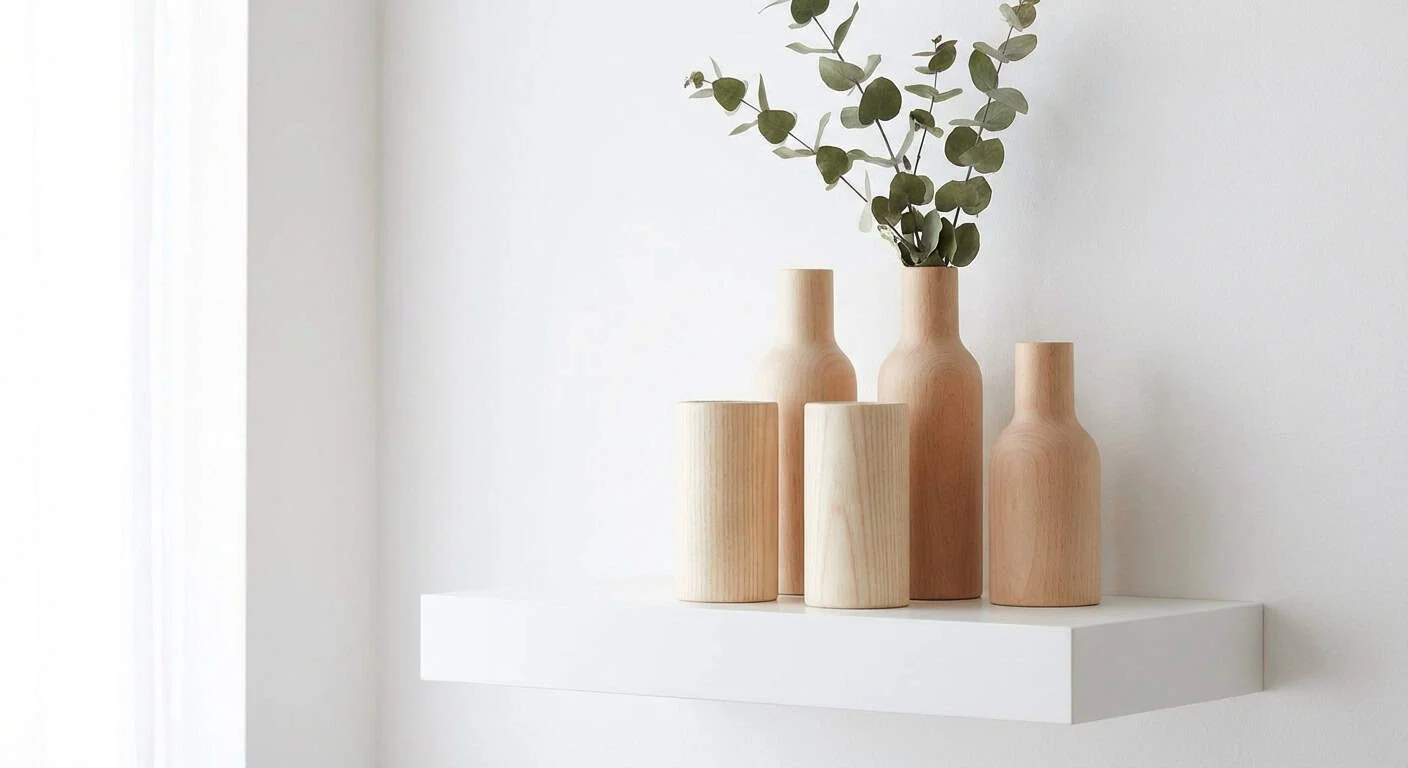
Minimalist and Scandinavian wooden vases lean on simple geometry—cylinders, soft cones, and gently curved bottles—with very little visual noise. These designs pair well with pale woods such as ash, beech, or light oak and work beautifully in neutral interiors with lots of white space and natural light.
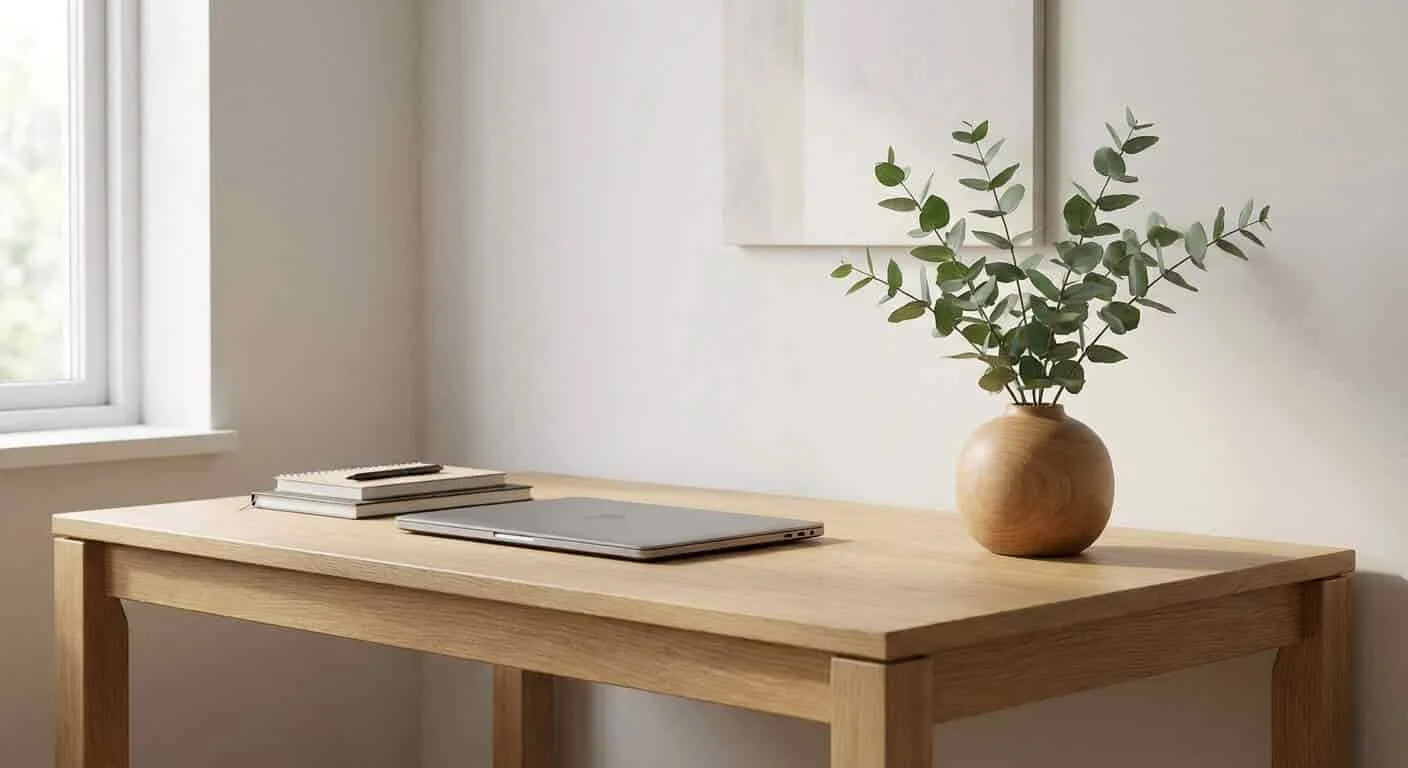
For brands aiming at Nordic, Japandi, or urban minimalist audiences, slim bud vases and mid-height cylinders are particularly effective. They photograph cleanly against white or grey backdrops, making them ideal props for catalog and online imagery. A single stem of eucalyptus or a dried reed is often enough to complete the look, keeping styling budgets low while achieving a high-end effect.
Rustic, Farmhouse, and Lodge Aesthetics
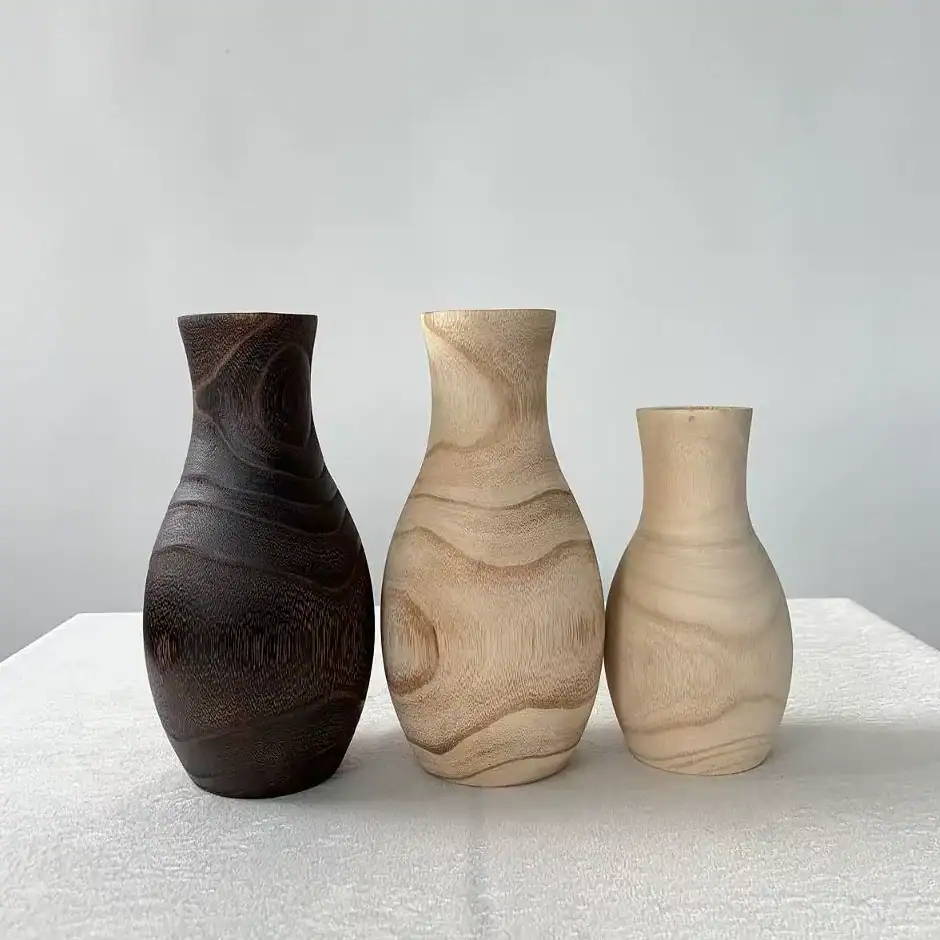
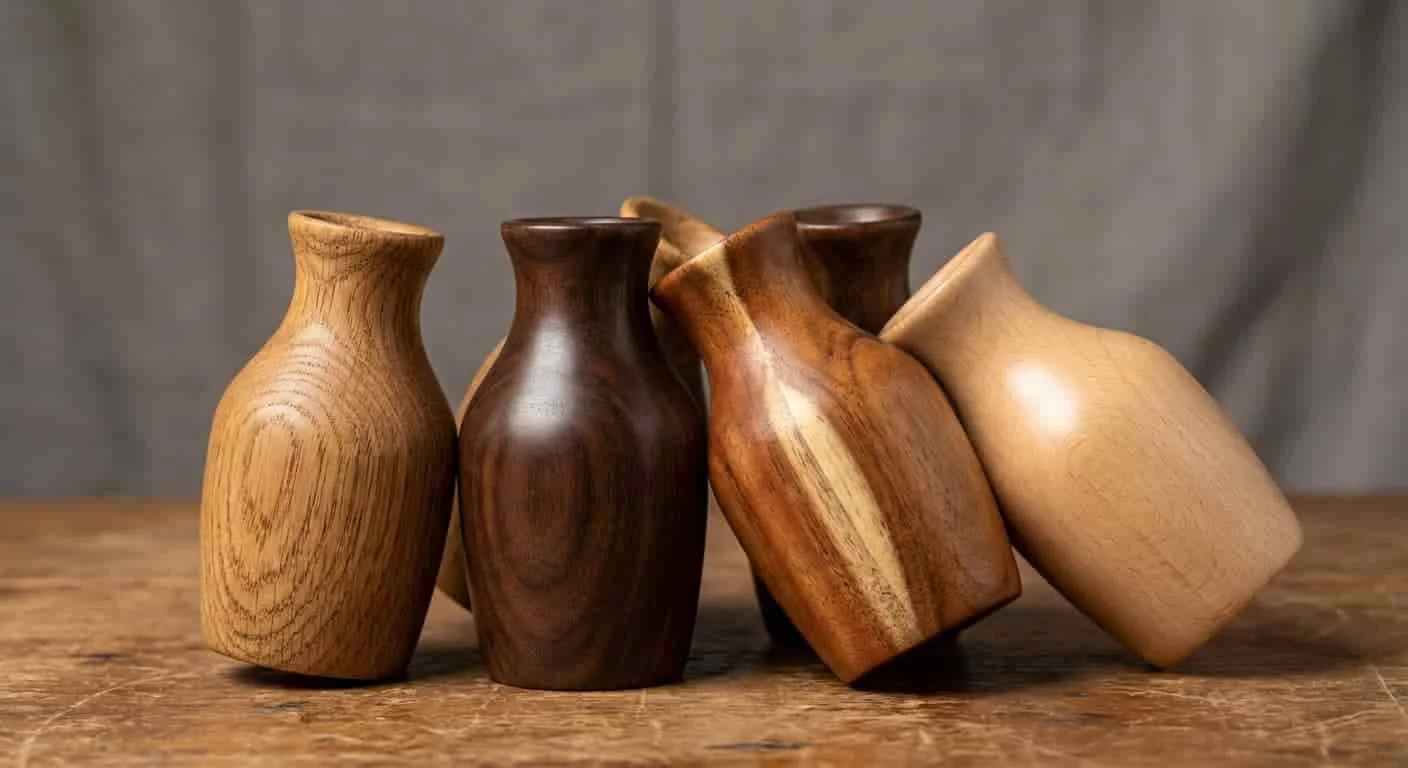
Rustic wooden vases emphasize grain, knots, and texture. Brands targeting farmhouse, cottage, or lodge-style interiors often select warmer woods like acacia or mango, finished with hand-rubbed oils or low-sheen lacquers. Slight irregularities, turned rings, and hand-carved details reinforce the sense of authenticity.
Grouped sets are especially effective in this style category. A rustic wooden vase set that combines large and small pieces allows visual layering on mantels, console tables, or guest room nightstands. These sets adapt to seasonal merchandising: wildflowers in spring, wheat stalks in autumn, evergreens in winter.
Modern Sculptural and Statement Pieces
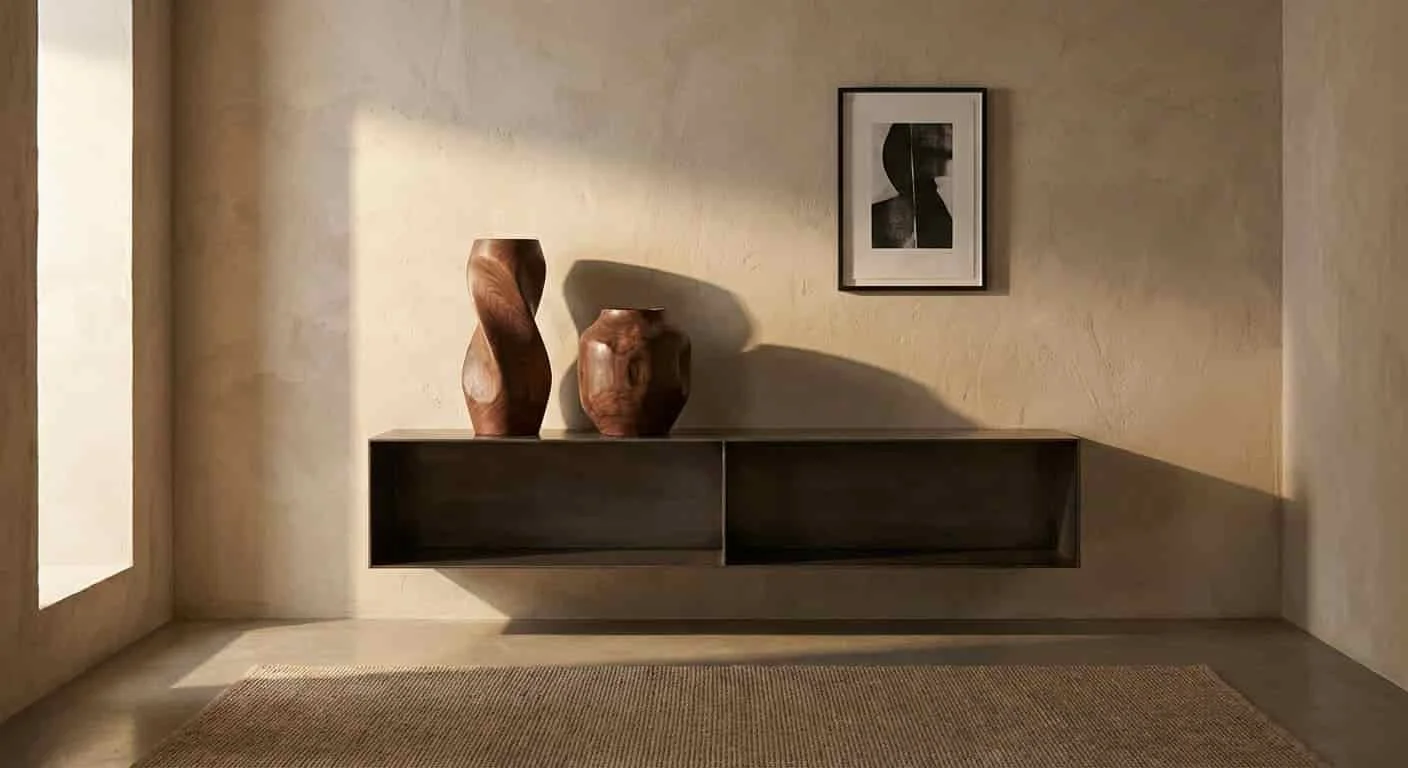
For contemporary or boutique brands, sculptural wooden vases act as focal points that can carry an entire vignette. Bold, oversized silhouettes, asymmetric shapes, or stacked geometric forms work well in hotels, galleries, and premium retail spaces. Dark walnut, smoked oak, or black-stained finishes enhance the drama and pair nicely with metal or stone furniture.
These statement vases need not always hold botanicals. Many designers use them empty as art objects on pedestals or console tables, allowing the form and grain to become the main attraction.
Comparison of Key Wooden Vase Styles
| Style | Typical Wood & Finish | Best For | Brand Message |
|---|---|---|---|
| Minimalist / Scandinavian | Light oak, ash, beech; matte oil or soap finish | Urban apartments, Nordic and Japandi decor | Calm, clean, functional beauty |
| Rustic / Farmhouse | Acacia, mango, reclaimed woods; warm oil or distressed finish | Cottages, lodges, cozy family homes | Authentic, welcoming, crafted |
| Modern Sculptural | Walnut, smoked oak; stained or deep matte lacquer | Hotels, galleries, premium retail | Bold, artistic, design-forward |
| Transitional Classic | Medium-tone oak, rubberwood; clear lacquer | Broad mainstream interiors | Timeless, versatile, easy to style |
Wood Species, Finishes, and Brand Positioning
Wood choice strongly influences both cost and perception. Lighter species like rubberwood and beech support entry- to mid-level price points while still offering a refined look. Premium hardwoods such as walnut or oak signal higher value and suit luxury or boutique labels.
Finishing also communicates brand attitude. Matte or satin oils suggest a more natural, eco-conscious story, while polished lacquers lean toward glamour and formality. Brushed or wire-brushed textures can add rustic depth, especially when paired with visible grain. Brands focused on sustainability may highlight certified sources or reclaimed wood; linking to reputable resources, such as the Forest Stewardship Council, can help educate environmentally aware customers.
Applications of Wooden Vases Across Interior Spaces
For home decor brands, real value appears when wooden vases are thoughtfully deployed across different rooms and project types. Each setting offers specific opportunities for scale, shape, and styling.
Living Rooms and Open-Plan Spaces
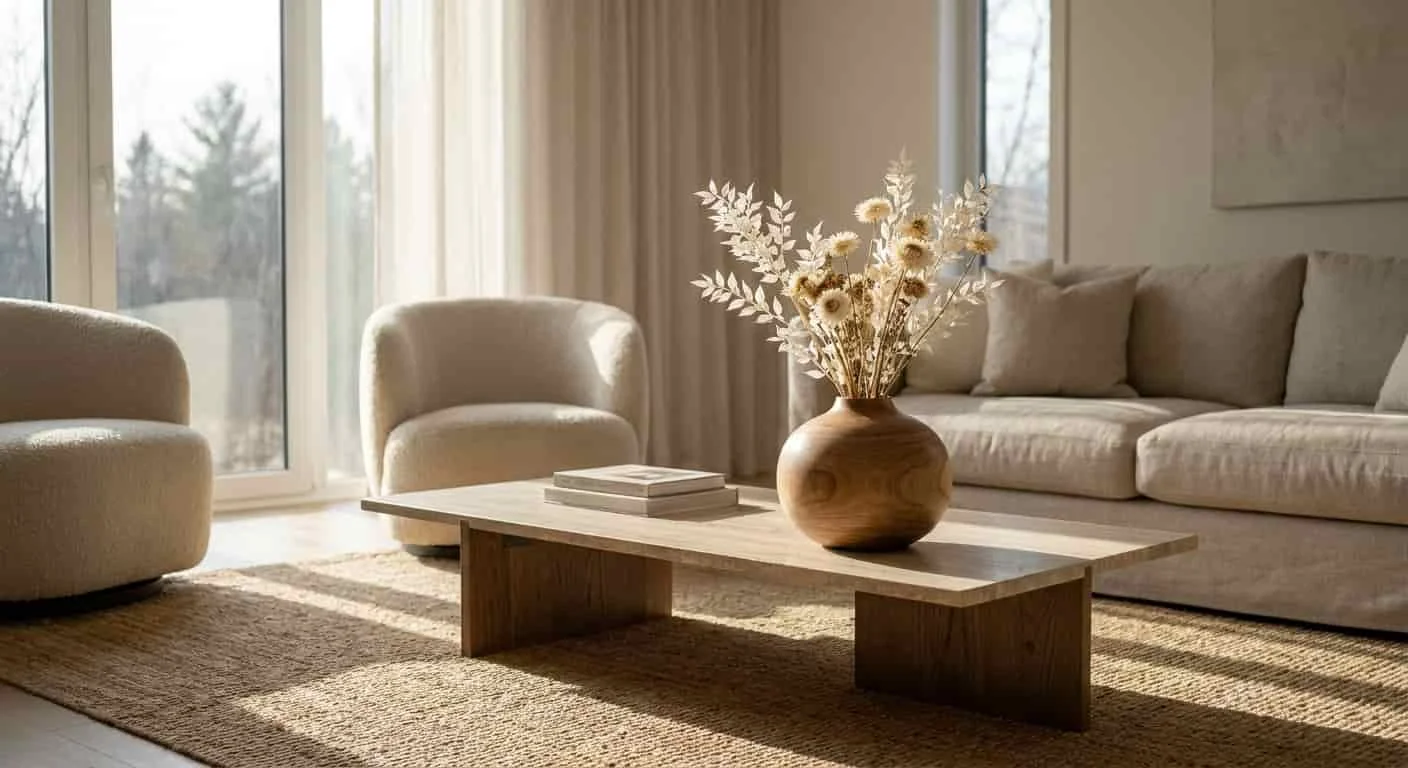
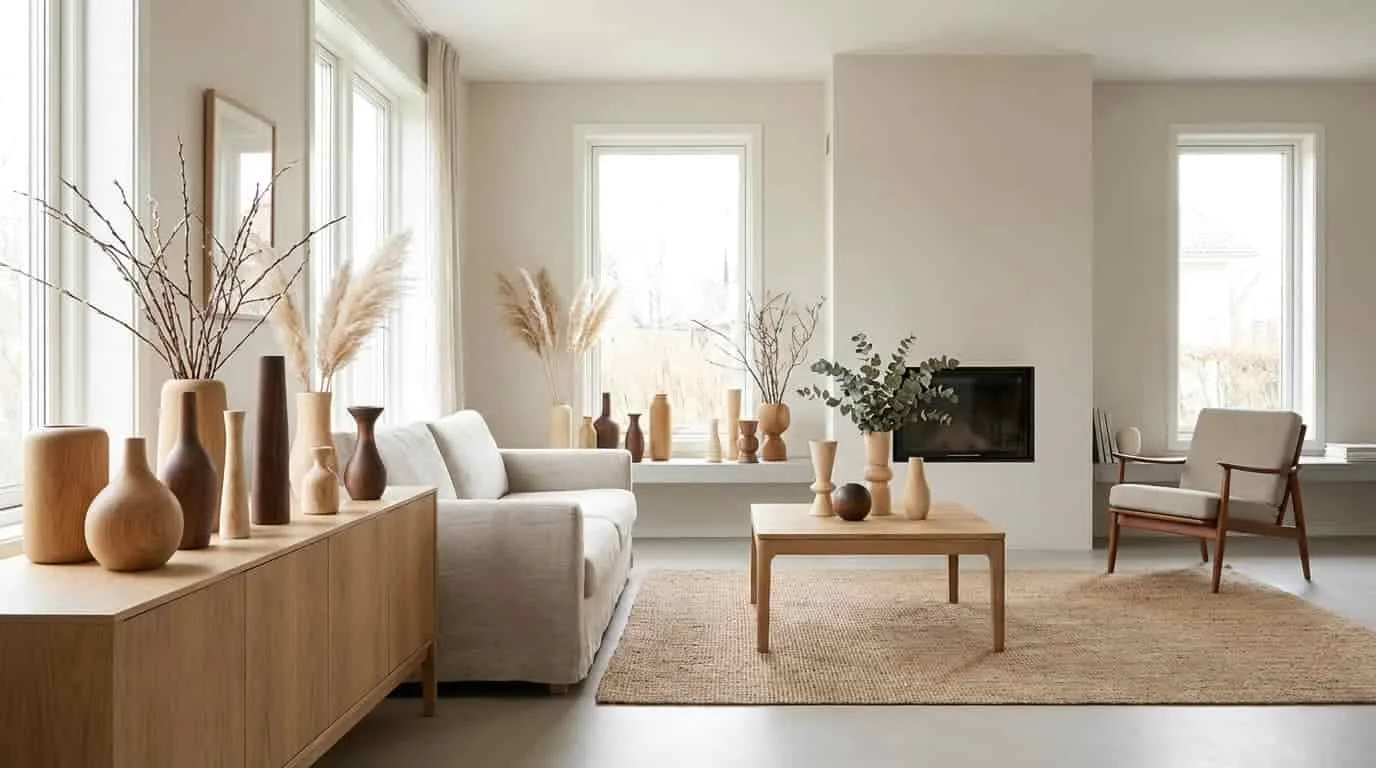
In living rooms, wooden vases often anchor coffee tables, sideboards, and shelving. Mid-height cylinders or bottle shapes work well for coffee tables, where they can sit alongside books or small bowls. Taller pieces help balance the visual weight of TVs, artwork, and floor lamps on consoles or sideboards.
For open-plan spaces, repeating the same wood tone in several vases helps connect zones—dining, lounge, and reading corners—without feeling overly matched. Brands can offer coordinated collections that include a tall floor vase, a medium tabletop vase, and a slim bud vase to support this kind of cohesive styling.
Bedrooms and Personal Retreats
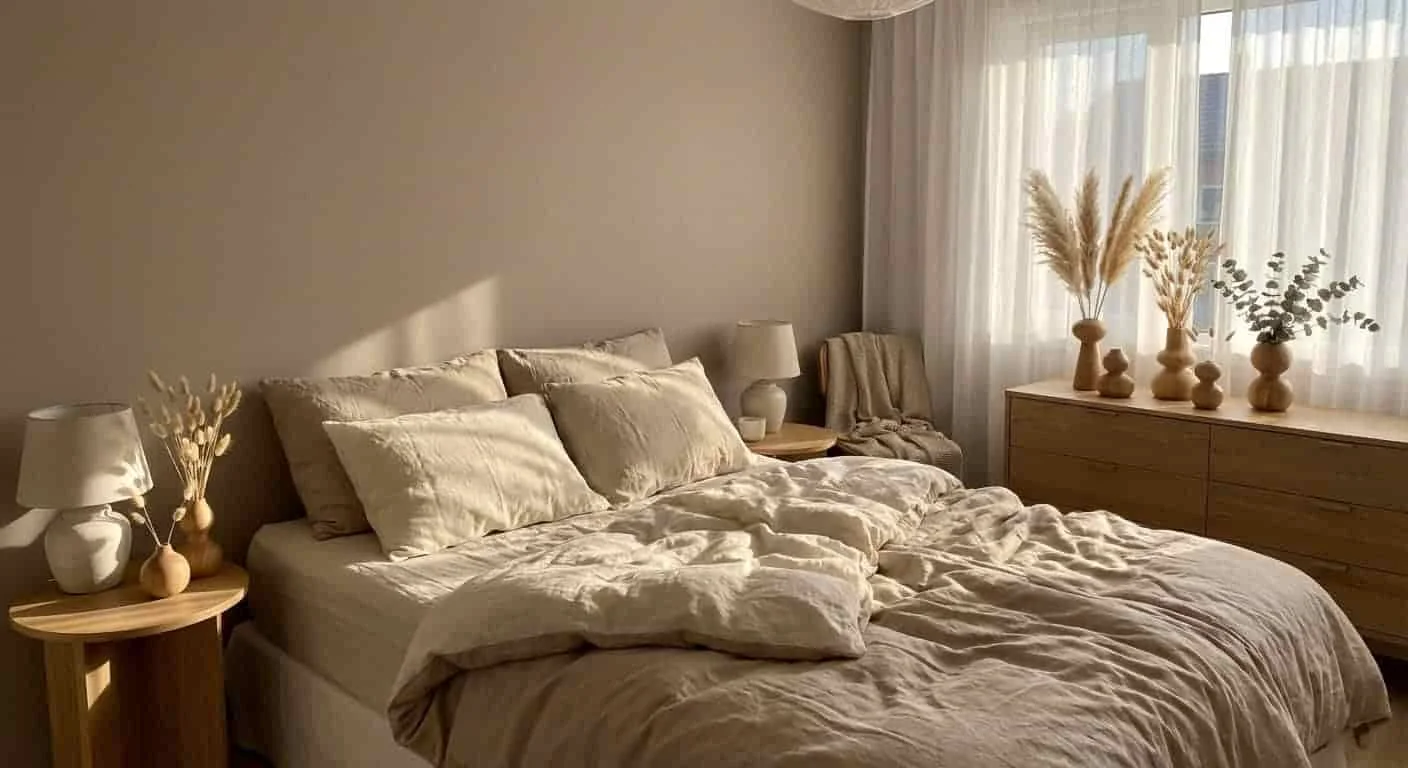
In bedrooms, softer silhouettes and smaller scales are preferred. Rounded wooden vases on nightstands bring a sense of calm, especially when paired with dried grasses or single stems. Slim, vertical shapes fit well on dressers, where they can flank mirrors or jewelry boxes.
Home decor brands can promote bedroom-specific vase bundles—pairing one small and one medium piece—to simplify styling decisions for end consumers. Natural finishes and gentle curves are particularly effective in wellness-oriented or spa-like bedroom concepts.
Entryways, Hallways, and Focal Points
Entrances offer an ideal stage for wooden vases because they are seen daily yet contain relatively few objects. Tall floor vases holding dried branches can frame a doorway, while medium-height pieces on a console table welcome guests with understated character. For narrow corridors, slim footprints and vertical proportions prevent congestion while still adding interest.
Brands targeting small-space living can emphasize compact, narrow vases that fit ledges and slim consoles. These functional constraints are important talking points in product descriptions and merchandising copy.
Hospitality and Commercial Projects
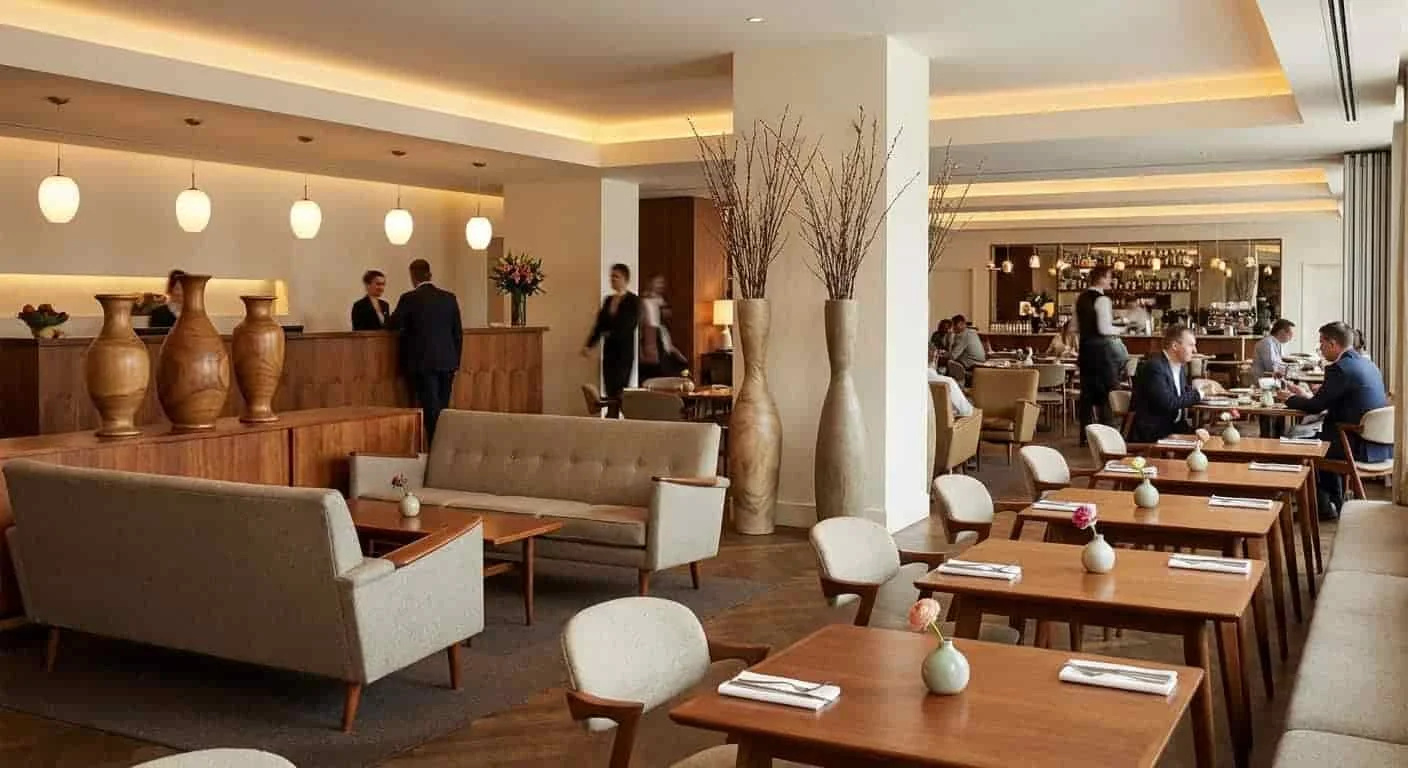
Hotels, rental properties, and spas often rely on wooden vases as durable, low-maintenance decorative elements. Compared with glass, wood is more resistant to small impacts and less prone to visible fingerprints, which benefits housekeeping schedules. Grouped vases on reception counters or bar shelves contribute character without obstructing sightlines.
In restaurant or cafe settings, small wooden bud vases are ideal for tables: they sit low, are stable, and can hold minimal stems or even artificial greenery. For these applications, brands may prioritize finishes that resist staining and tolerate frequent wiping.
Styling Wooden Vases: Botanicals, Groupings, and Materials
From a brand perspective, styling guidance is almost as important as the product itself. Consumers are more likely to purchase wooden vases for home decor brands when they can clearly imagine how to use them.
Botanical Pairings
Dried botanicals, grasses, and branches pair particularly well with wood, reinforcing the natural material story and eliminating the need for water. Eucalyptus, pampas grass, and olive branches work across many aesthetics. For rustic styles, wildflowers and wheat complement the organic look; for modern interiors, single sculptural stems, such as monstera leaves or simple blossoms, maintain clean lines.
Artificial botanicals are attractive for hospitality and rental markets. In product photography, brands can show multiple floral looks for the same vase to demonstrate versatility and extend perceived value.
Grouping Strategies and Scale
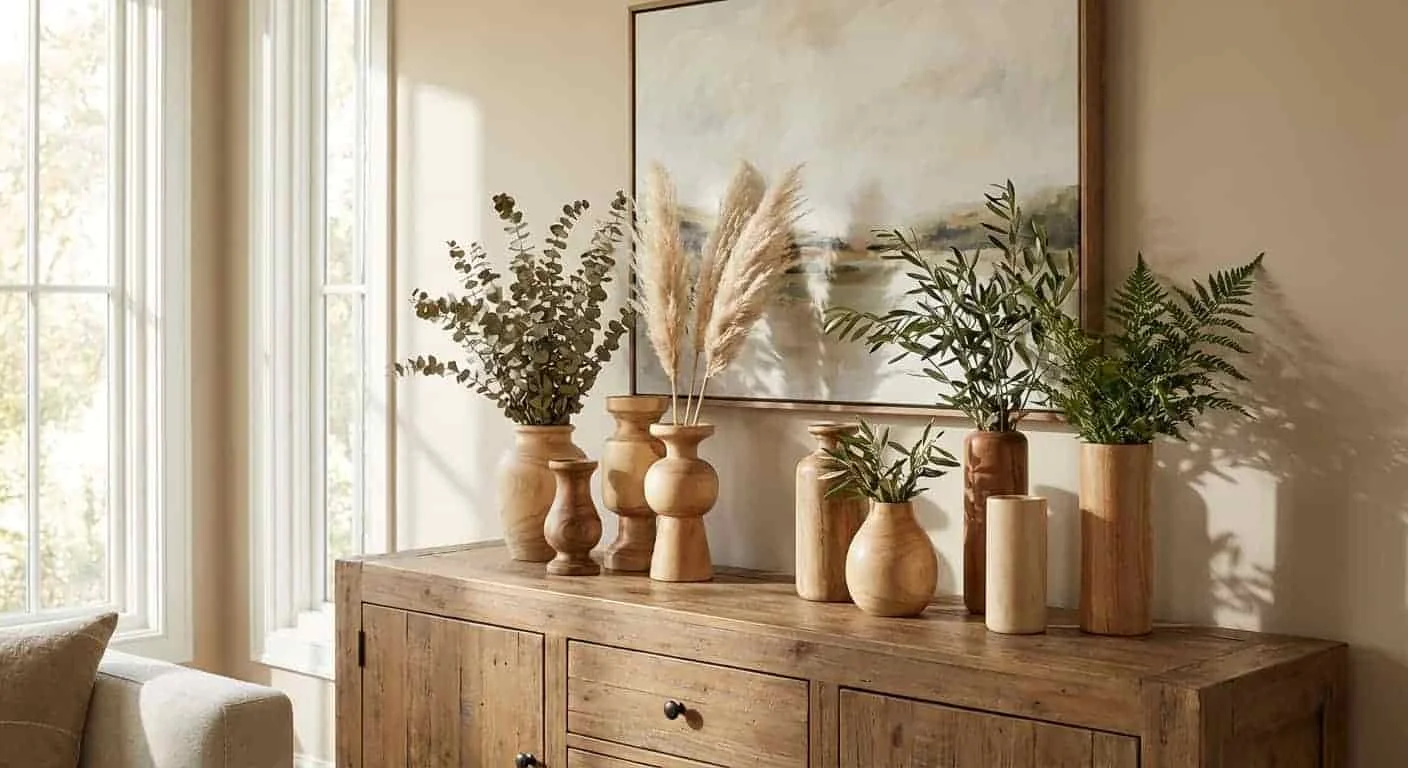
Groups of three vases in varied heights tend to be most visually effective. Mixing one tall, one medium, and one short piece creates a simple triangle composition that works on most flat surfaces. Brands can package these as curated sets or showcase them together in imagery, even if sold separately.
Scale should respond to the surrounding furniture: large sofas and wide dining tables call for taller or broader vases, while slim side tables and narrow shelves benefit from compact shapes. Oversized vases can function almost like small sculptures, positioned on the floor beside armchairs or in room corners.
Combining Wood with Other Materials
Wooden vases integrate easily into mixed-material interiors. Against metal, they add warmth; with stone or concrete, they soften hardness; alongside textiles, they introduce structure. Brands that also offer wooden bowls or trays can create coordinated product stories, emphasizing layering and texture across dining and living spaces.
Home decor assortments become especially compelling when wooden vases appear alongside complementary categories like home decor and storage pieces, candle holders, and picture frames. This holistic approach encourages customers to purchase multiple items at once to complete a look.
Developing a Wooden Vase Assortment for Your Brand
Successful assortments usually balance core shapes with a few distinctive signature pieces. Core shapes—simple cylinders, tapered bottles, and rounded bud vases—provide reliable volume sales. Signature designs, such as an oversized sculptural floor vase or a uniquely carved tabletop piece, create brand recognition and give marketing teams strong visual content.
When planning an assortment, consider a graded price structure. Entry-level items in lighter, more economical woods can introduce customers to the brand, while premium woods and more complex machining justify higher price points. Including a mix of singles and coordinated sets allows flexible merchandising on shelves, tables, and digital storefronts.
Wholesale and Custom Wooden Vase Solutions
For home decor brands seeking scale, wholesale and custom production are essential. Partnering with specialized manufacturers makes it possible to maintain design integrity while meeting volume, quality, and lead-time targets. Through wood vases wholesale programs, brands can access proven forms and finishes that have already been optimized for stability and production efficiency.
Custom projects, on the other hand, allow studios and retailers to fine-tune dimensions, wood species, color tones, and branding details. Coordinated ranges can also extend into related categories such as wooden kitchen products or specialized packaging like wooden wine boxes, giving brands a unified material language across multiple departments.
For additional inspiration on shapes, finishes, and project ideas, many buyers explore resources like the dedicated guide to wooden vases for home decor and interior design, then translate those concepts into bespoke ranges that support their own branding and storytelling.
Integrating Wooden Vases into Brand Storytelling
Ultimately, wooden vases for home decor brands are most successful when they do more than fill empty surfaces. They can embody key themes—nature, craftsmanship, sustainability, calmness, or modern artistry—and carry those messages across showrooms, catalogs, and online collections.
By selecting design styles aligned with their identity, specifying suitable woods and finishes, and providing clear styling ideas for various interior applications, brands turn simple wooden vases into high-impact tools for visual merchandising and customer engagement. Thoughtfully planned collections, supported by reliable wholesale or custom production, allow these pieces to remain relevant for years while anchoring evolving decor trends with the timeless appeal of natural wood.