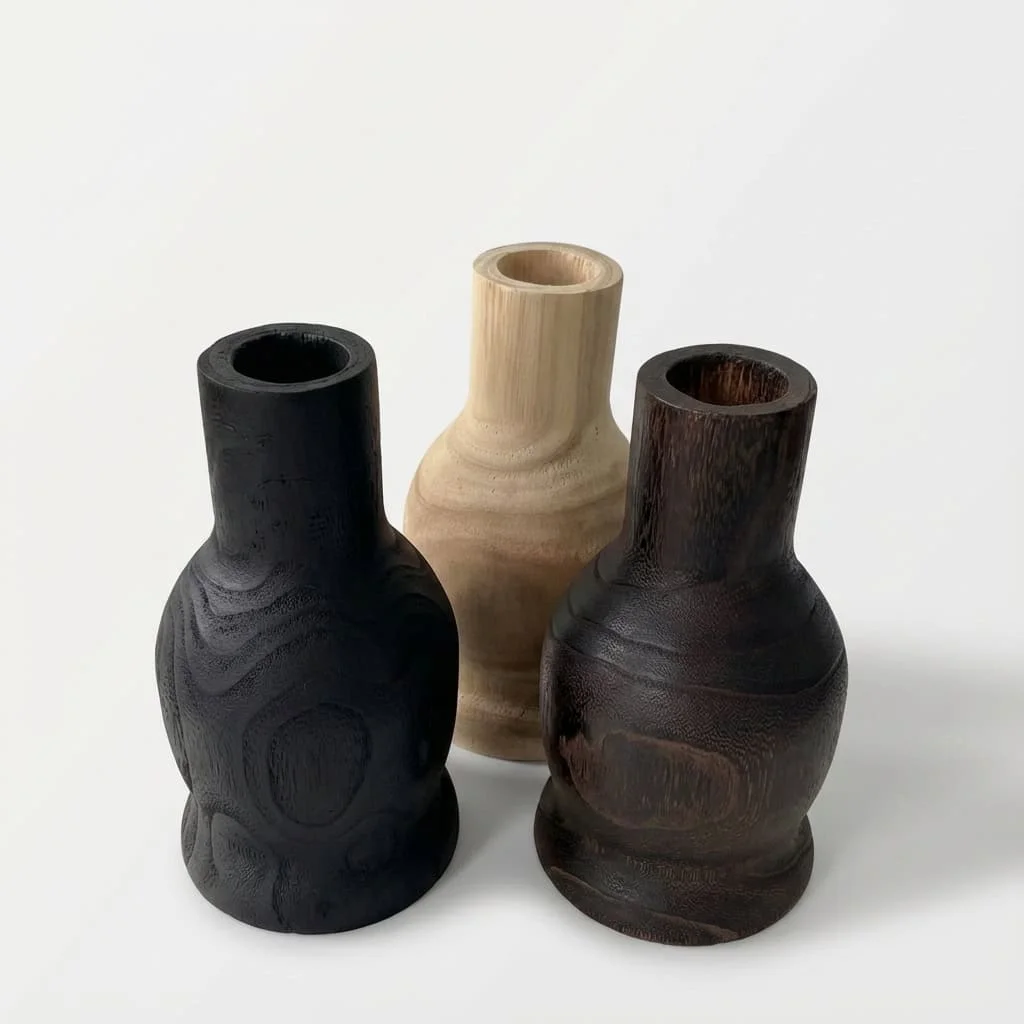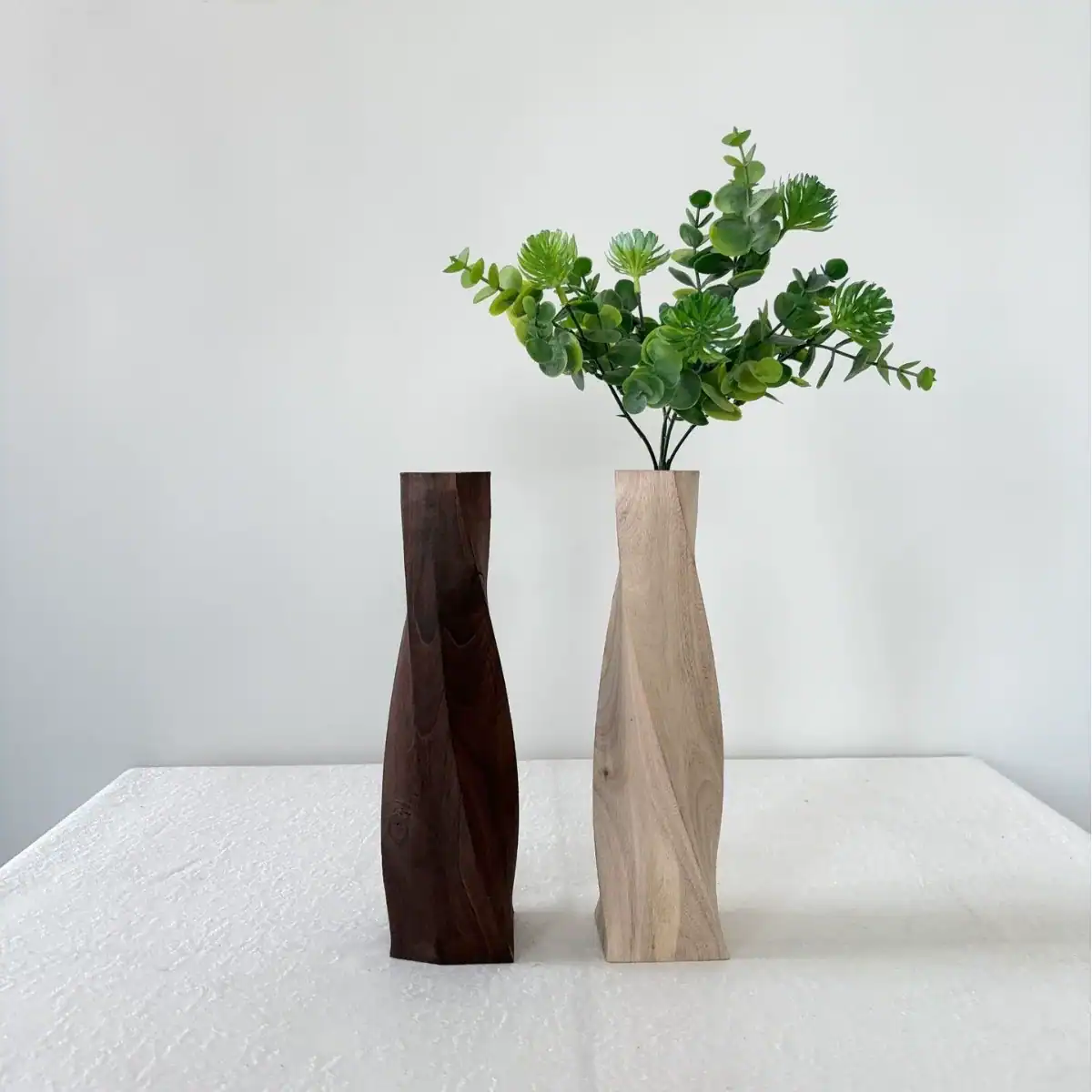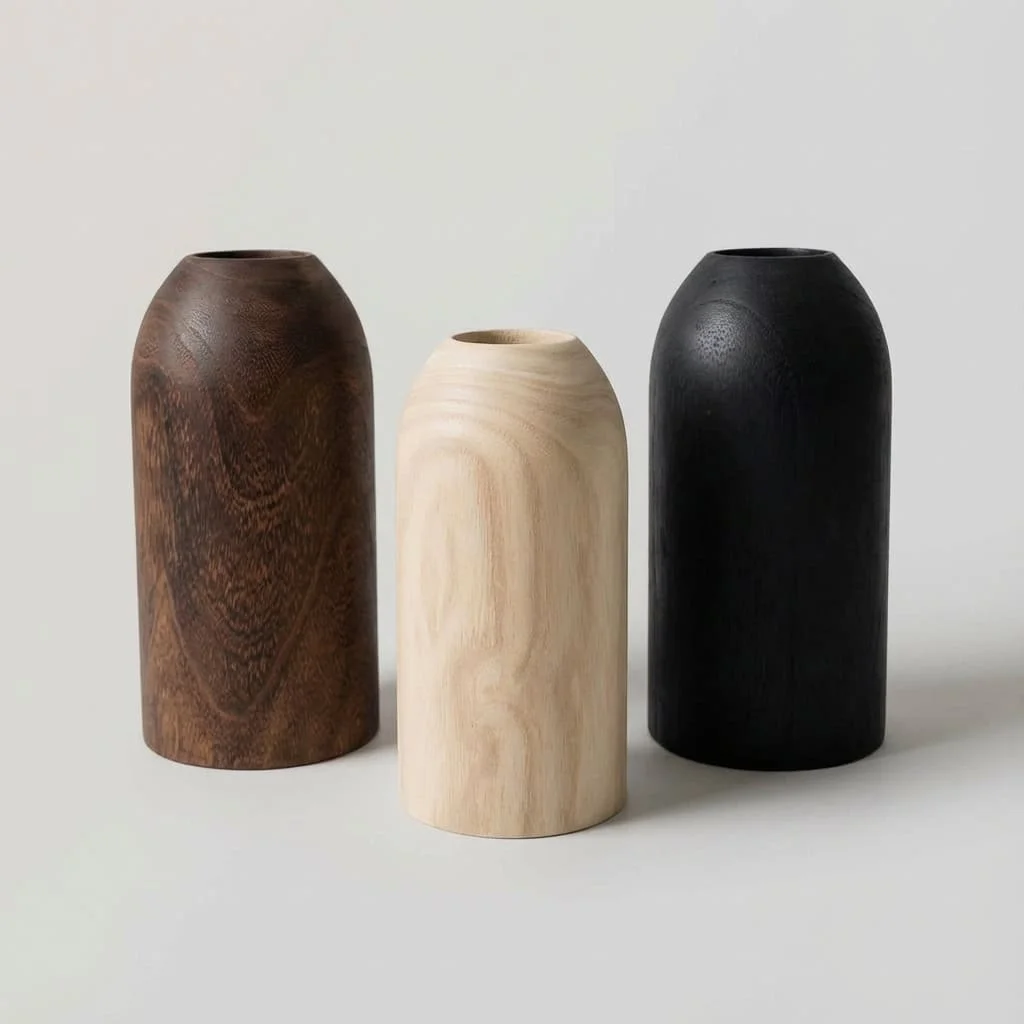
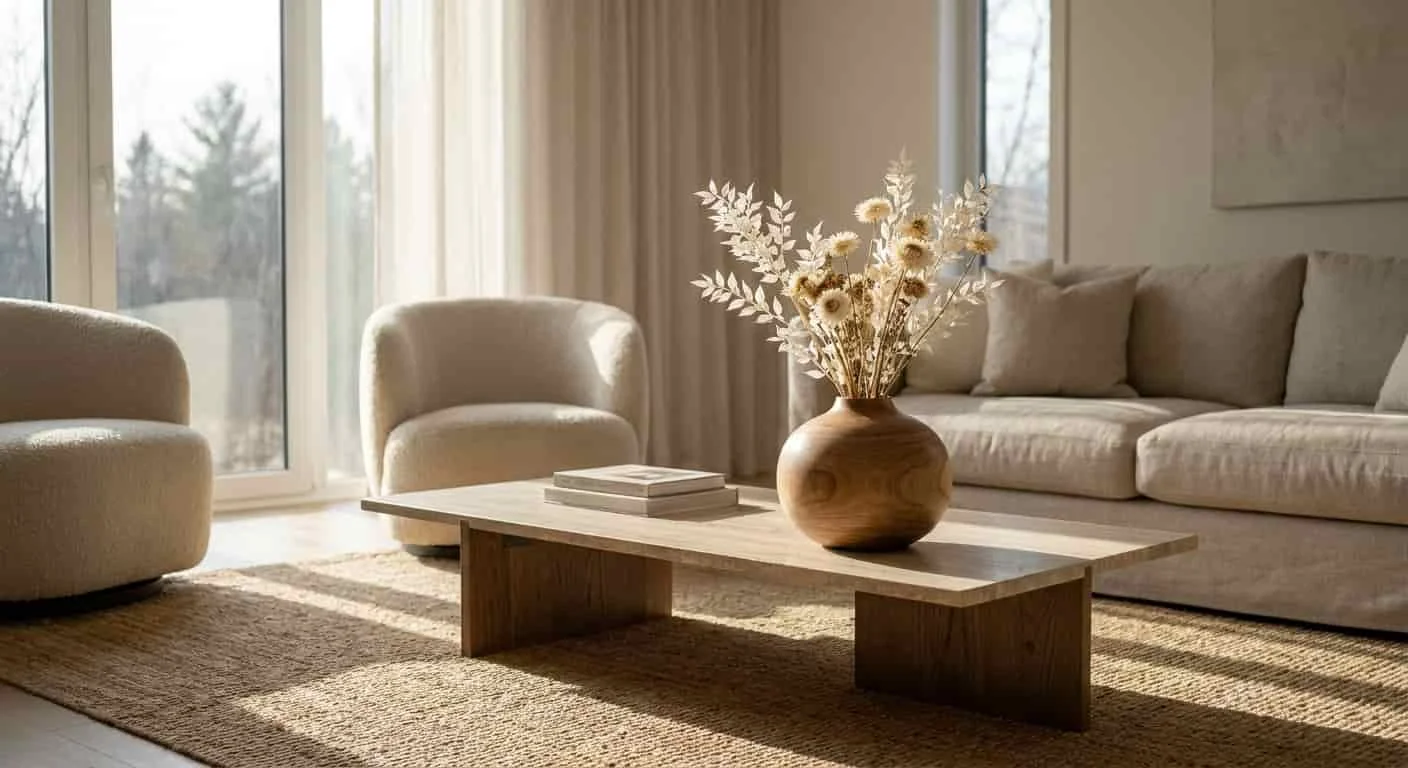
Wooden flower vases are decorative vessels crafted from various types of timber, designed to hold floral arrangements, dried botanicals, or serve as standalone artistic centerpieces. Unlike traditional glass or ceramic options, wooden flower vases bring an organic, earthy element indoors, seamlessly blending nature with interior design. As sustainability and biophilic design continue to dominate interior design trends, these natural home decor pieces have surged in popularity. They offer unparalleled warmth, unique grain patterns, and a tactile texture that synthetic materials simply cannot replicate. Whether you are an interior designer looking for rustic decor or a retailer sourcing wholesale wooden vases, understanding the appeal and craftsmanship behind these pieces is essential. In this comprehensive guide, we will explore the different styles, manufacturing processes, wood types, and styling tips to help you maximize the aesthetic potential of wooden flower vases in any space.
What Exactly Are Wooden Flower Vases?
Defining Wooden Flower Vases for Home Decor
A wooden flower vase is a sculpted or assembled wooden container specifically designed for decorative display. While traditional vases are primarily meant to hold water and fresh flowers, wooden vases are incredibly versatile. They are often used for dried floral arrangements, artificial stems, or simply as sculptural art. Because wood is naturally porous, wooden flower vases intended for fresh blooms usually feature a hidden glass or plastic insert to hold water, preventing moisture damage to the wood. This clever combination, often referred to as a wood and glass vase, allows homeowners to enjoy the rustic charm of wood without sacrificing functionality.
Exploring Different Styles of Wood Vases
The beauty of wood lies in its adaptability. Artisans and manufacturers can shape timber into an endless array of styles to suit any interior aesthetic. Some of the most popular styles include:
- Modern Wooden Vases: Characterized by clean lines, geometric shapes, and smooth finishes. A modern minimalist decorative wooden vase fits perfectly in contemporary spaces.
- Rustic Decor Vases: Often featuring live edges, distressed finishes, or visible knots. These are ideal for farmhouse or cabin-style interiors.
- Wood Bud Vase: Small, delicate vases designed to hold a single stem or a tiny sprig of greenery. A wooden bud vase is perfect for minimalist desktop decor.
- Large Wooden Vase: Statement pieces that command attention. A tall wooden vase or wood floor vase is often placed in entryways or empty living room corners.
- Vintage Wooden Vase: Antique wooden vases or reproductions that feature ornate carvings and classic silhouettes, adding a touch of historical elegance.
How Are Wooden Vases Made? Craftsmanship Explained
The creation of handcrafted wooden vases is a meticulous process that requires both technical skill and an artistic eye. The journey from a raw log to a refined decorative wooden vase involves several critical steps. First, the wood must be properly kiln-dried to achieve an optimal moisture content, usually between 8% and 12%. This prevents the wood from cracking or warping over time. Next, the wood is shaped. A wood turned vase is created using a lathe, where the wood block spins rapidly while a craftsman uses chisels to carve out symmetrical, cylindrical, or curved shapes. Alternatively, a wooden carved vase or carved wood vase is meticulously sculpted by hand or CNC machinery to create intricate, non-symmetrical designs. Finally, the vase is sanded to a smooth finish and treated with oils, waxes, or lacquers to protect the surface and enhance the natural grain.
Why Wooden Vases Are a Hot Trend in Home Decor
The Appeal of Natural Materials in Interior Design
Natural materials are highly sought after in modern interior design because they create a calming, grounded environment. Wooden flower vases introduce an element of the outdoors into our living spaces, a concept known as biophilic design. In a world dominated by screens and synthetic materials, natural home decor provides a psychological respite. The unique grain patterns, knots, and color variations inherent in wood mean that no two wooden vases are exactly alike. This uniqueness appeals to consumers who want personalized, one-of-a-kind items rather than mass-produced identical products.
Adding Warmth and Texture with Wood Decor
Wood inherently adds visual and tactile warmth to a room. While glass and metal can feel cold and sterile, wood vase decor softens a space. The texture of a natural wood vase—whether it is a smooth, polished mahogany or a rough, rustic oak—adds depth and dimension to interior styling. When placed on a sleek marble countertop or a glass table, a wooden vase provides a striking contrast that elevates the overall design scheme.
Sustainable and Eco-Friendly Home Decor Choices
As environmental awareness grows, consumers are actively seeking sustainable decor. Eco-friendly vases made from responsibly sourced timber or reclaimed wood are a top choice for conscious buyers. Wood is a renewable resource, and when sourced from forests certified by organizations like the Forest Stewardship Council (FSC), it ensures minimal environmental impact. Furthermore, wooden flower vases are highly durable and biodegradable, making them a far more environmentally friendly option compared to plastic or resin alternatives.
Versatility: Styling Wooden Vases in Any Room
One of the greatest benefits of wooden vases is their incredible versatility. They are not confined to a single room or style. A sleek, dark walnut vase can add sophistication to a corporate office, while a light mango wood vase brings a breezy, bohemian vibe to a bedroom. Wooden vase decor can be used as a dining table centerpiece, a bookshelf accent, or a floor statement piece. Their neutral, earthy tones allow them to blend seamlessly with almost any color palette.
Types of Wood Used for Beautiful Flower Vases
Popular Wood Species for Durable Vases
The type of wood used significantly impacts the durability, weight, and appearance of the vase. Some of the most popular choices for custom wooden vases include:
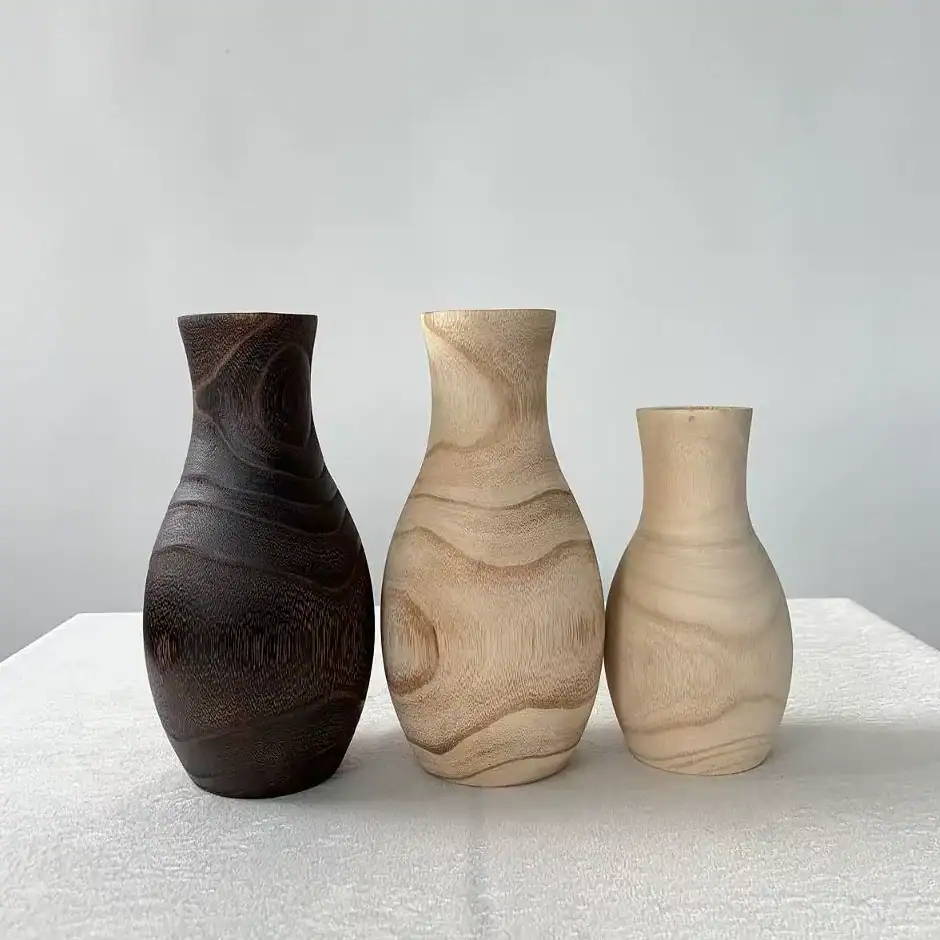
- Paulownia Wood: Known for being incredibly lightweight yet strong. A Paulownia wood vase often features a light, airy color that is perfect for minimalist or Scandinavian decor.
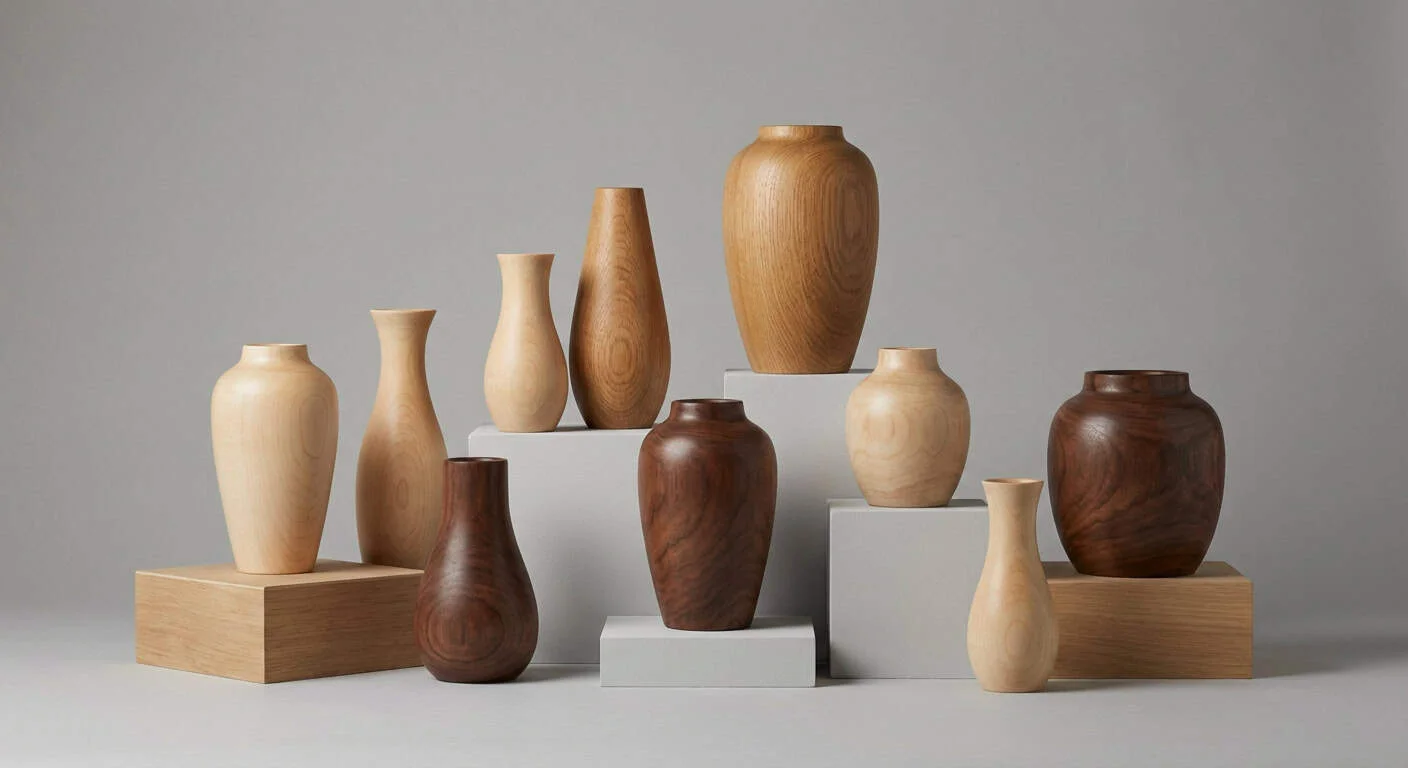
- Walnut: Offers a rich, dark chocolate color with straight grains. It is a premium wood that exudes luxury and sophistication.
- Oak: A classic, heavy hardwood with prominent grain patterns, ideal for rustic and traditional designs.
Exotic Woods for Unique Wooden Flower Vases
For those seeking truly unique flower vases, exotic woods offer spectacular visual appeal. A burl wood vase, for example, is crafted from tree growths that produce highly complex, swirling grain patterns. These are highly prized by collectors and serve as stunning focal points. Teak and mahogany are also popular exotic choices, known for their deep colors and natural resistance to moisture and decay.
Comparing Different Wood Finishes for Vases
The finish applied to a wooden flower vase not only protects it but also defines its final look. Here is a comparison of common wood finishes:
| Finish Type | Appearance | Protection Level | Best For |
|---|---|---|---|
| Natural Oil (e.g., Linseed, Tung) | Matte to satin, enhances natural grain | Moderate (protects against drying) | Natural wood vase, rustic decor |
| Polyurethane/Lacquer | Glossy or satin, smooth surface | High (water and scratch resistant) | Modern wooden vases, high-traffic areas |
| Wax | Soft, subtle sheen | Low to Moderate | Antique wooden vase, decorative pieces |
| Whitewash/Painted | Opaque or semi-opaque color | Moderate | Farmhouse style, coastal decor |
Choosing the Perfect Wooden Flower Vase for Your Space
Matching Vase Style to Your Home’s Aesthetic
How to choose a wooden vase depends heavily on your existing interior design. If your home features a minimalist, Scandinavian, or Japandi style, opt for a smooth, light-colored wood bud vase or a simple geometric shape. For industrial spaces, a dark, distressed wood vase paired with metal accents works beautifully. If you lean towards bohemian or eclectic decor, a hand-carved wood vase with intricate patterns or a uniquely shaped turned wooden vase will add the perfect touch of global inspiration.
Considering Size and Shape for Floral Arrangements
The size and shape of your wooden flower vases should dictate the type of floral arrangements you use. A tall wooden vase with a narrow neck is perfect for long, dramatic stems like cherry blossoms or pampas grass. A wide, shallow wooden bowl or belly vase is better suited for lush, low arrangements of dried hydrangeas or moss. If you are looking to fill an empty corner, a large wooden vase or wood floor vase standing at least 24 inches tall will provide the necessary visual weight.
Caring for Your Wooden Vase: Keeping It Beautiful
Best Practices for Cleaning Wood Flower Vases
Caring for wooden vases is relatively simple but requires a different approach than cleaning glass. Never submerge a solid wood vase in water or put it in a dishwasher. To clean the exterior, simply wipe it down with a soft, dry, or slightly damp microfiber cloth to remove dust. If the vase has intricate carvings, use a soft-bristled brush or a can of compressed air to gently remove dust from the crevices. Avoid using harsh chemical cleaners, as they can strip the protective finish and damage the wood.
How to Prevent Water Damage in Wooden Vases
Water is the biggest enemy of wood. If you want to display fresh flowers, you must ensure the vase is equipped to handle moisture. The safest method is to use a wood and glass vase, which features a removable glass or plastic tube inside the wooden shell. You simply remove the insert, fill it with water, and place it back inside. If your vase does not have an insert, you can find a plastic container that fits snugly inside. Never pour water directly into an unsealed wooden flower vase, as the wood will absorb the moisture, leading to swelling, cracking, and mold growth.
Maintaining the Luster of Your Wood Decor
Over time, natural wood can begin to look dry or dull, especially in environments with low humidity or direct sunlight. To maintain the luster of your wooden vase decor, apply a high-quality wood conditioner, beeswax, or mineral oil every 6 to 12 months. Apply the oil with a soft cloth, let it soak in for about 20 minutes, and buff off any excess. This not only restores the rich color and shine of the wood grain but also provides a protective barrier against environmental moisture.
Creative Ways to Style Wooden Vases with Flowers & More
Ideas for Arranging Fresh Flowers in Wooden Vases
Wood floral arrangements offer a stunning contrast between the rigid, earthy texture of the vase and the soft, vibrant petals of fresh blooms. When using a wood and glass vase, consider flowers that complement the wood’s undertones. For dark woods like walnut, bright white lilies or vibrant yellow sunflowers create a striking pop of color. For lighter woods like pine or mango, soft pastel roses, peonies, or wild daisies enhance the airy, natural feel. Keep the arrangements relatively loose and organic to match the natural vibe of the wooden vessel.
Using Dried Botanicals and Greenery in Wood Vases
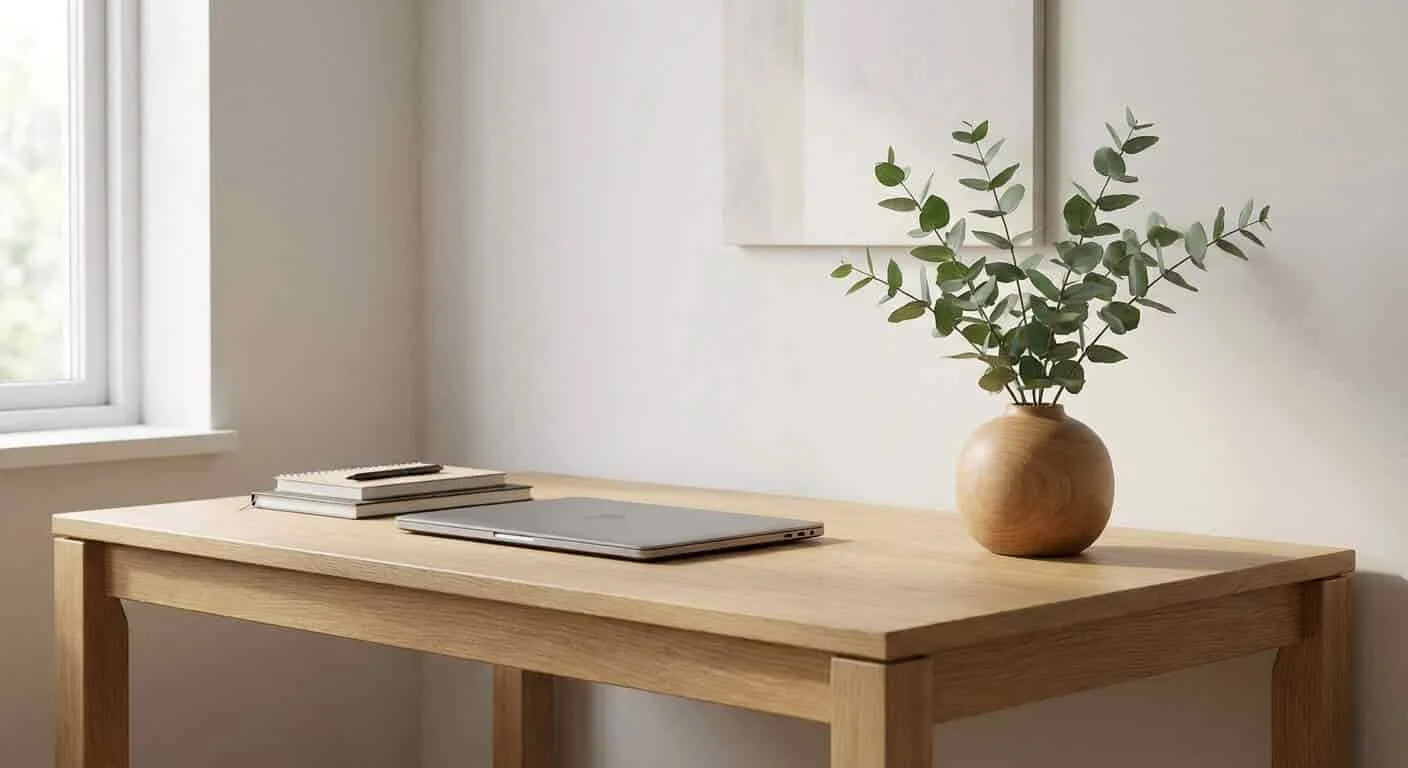
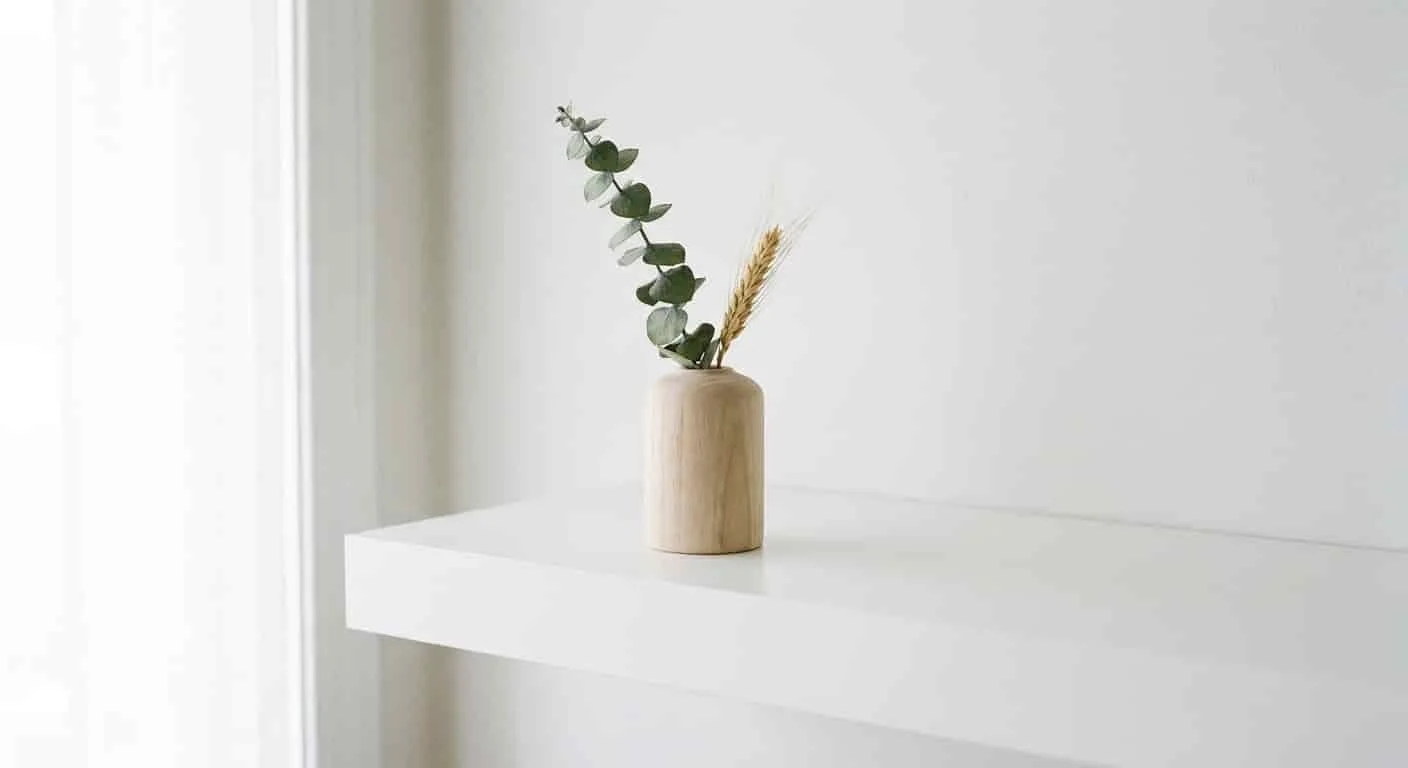
Dried flowers and wooden vases are a match made in heaven. Because dried botanicals require no water, you can use any wooden flower vase without fear of damage. Popular home styling tips include filling a rustic carved wood vase with dried lavender, wheat stalks, or cotton stems for a farmhouse look. For a more modern, bohemian aesthetic, place tall, fluffy pampas grass or dried palm leaves in a tall wooden vase. Preserved eucalyptus is also an excellent choice, adding a muted green tone that pairs beautifully with natural wood.
Styling Empty Wooden Vases as Standalone Art
You do not always need flowers to make a statement. Many handcrafted wooden vases are so beautifully designed that they serve as standalone sculptural art. A grouping of turned wooden vases in varying heights and shapes can create a captivating focal point on a mantelpiece or console table. A large, intricately carved burl wood vase can be displayed on a pedestal like a museum piece. When styling empty vases, focus on the silhouette and the interplay of light and shadow on the wood’s surface.
Key Takeaways
Wooden flower vases are much more than simple containers; they are timeless pieces of natural home decor that bring warmth, texture, and a touch of nature into any interior space. From the sleek lines of modern wooden vases to the intricate details of a carved wood vase, there is a style to suit every aesthetic. By understanding the different types of wood, the craftsmanship involved, and the proper care techniques, you can ensure these beautiful pieces last for generations. Whether you are styling a cozy living room with dried botanicals or sourcing sustainable decor for your retail business, wooden vases offer unmatched versatility and eco-friendly appeal. Embrace the beauty of nature and elevate your interior design with these stunning wooden accents.
FAQs About Wooden Flower Vases
- Can you put water directly into a wooden flower vase?
No, pouring water directly into a wooden vase will cause the wood to absorb moisture, leading to warping, cracking, and mold. Always use a glass or plastic insert if you intend to display fresh flowers in water. - What is the best wood for a flower vase?
The best wood depends on your style preference, but popular durable choices include walnut, oak, and teak. Paulownia is excellent for lightweight, minimalist designs. - How do you clean a wooden vase?
Wipe the vase with a soft, dry, or slightly damp microfiber cloth. Avoid harsh chemicals or submerging the vase in water. For maintenance, occasionally apply a natural wood oil or beeswax to keep the wood hydrated and shiny. - Are wooden vases eco-friendly?
Yes, wooden vases are highly eco-friendly, especially when crafted from sustainably sourced or reclaimed timber. Wood is a renewable, biodegradable resource, making it a much greener choice than plastic or synthetic resin vases. - How do I style a tall wooden floor vase?
Tall wooden floor vases look best in entryways, empty corners, or next to a fireplace. Fill them with tall, dramatic elements like dried pampas grass, curly willow branches, or long-stemmed artificial blossoms to add height and visual interest to the room.
For more options and customization details, you can visit our Home Decor & Storage page.