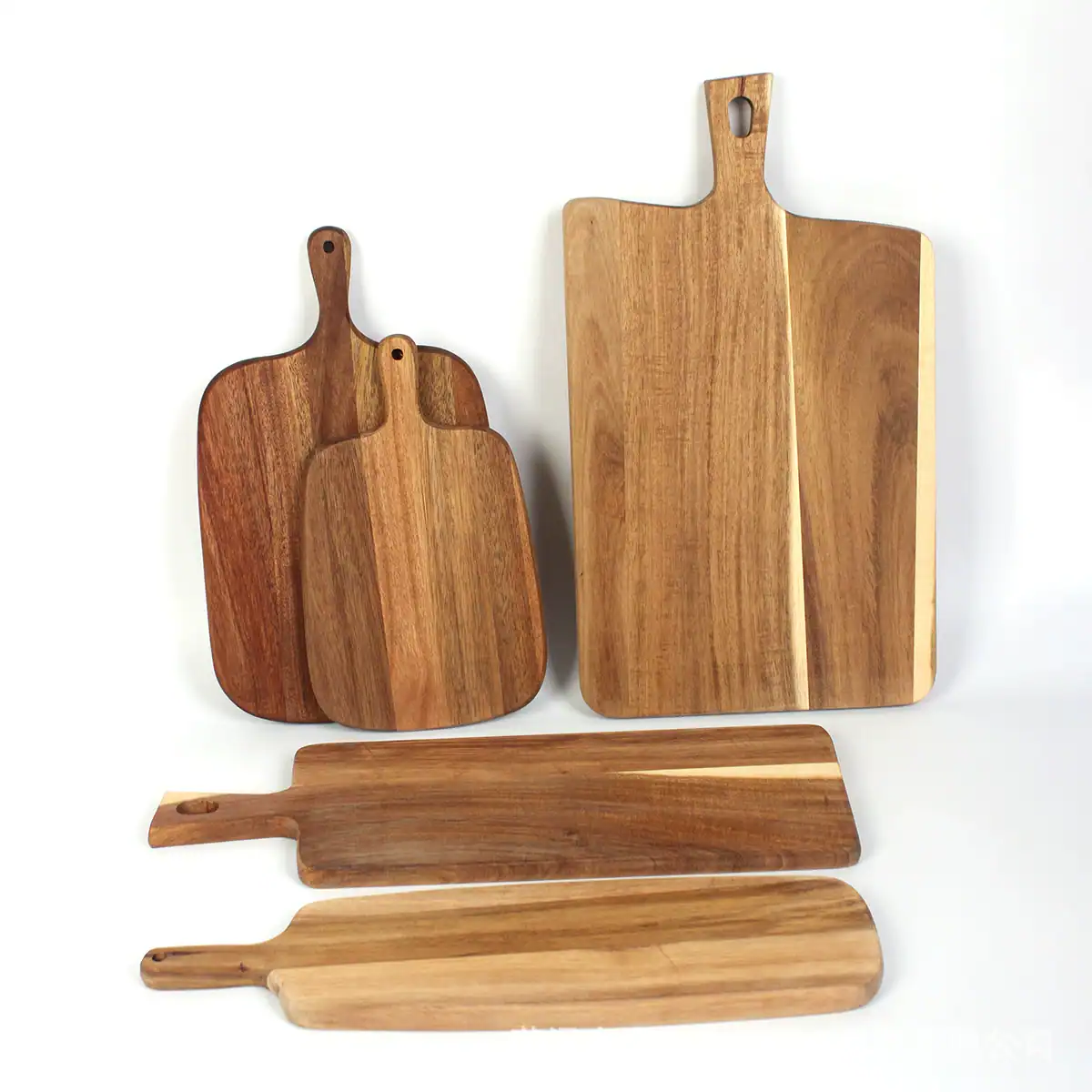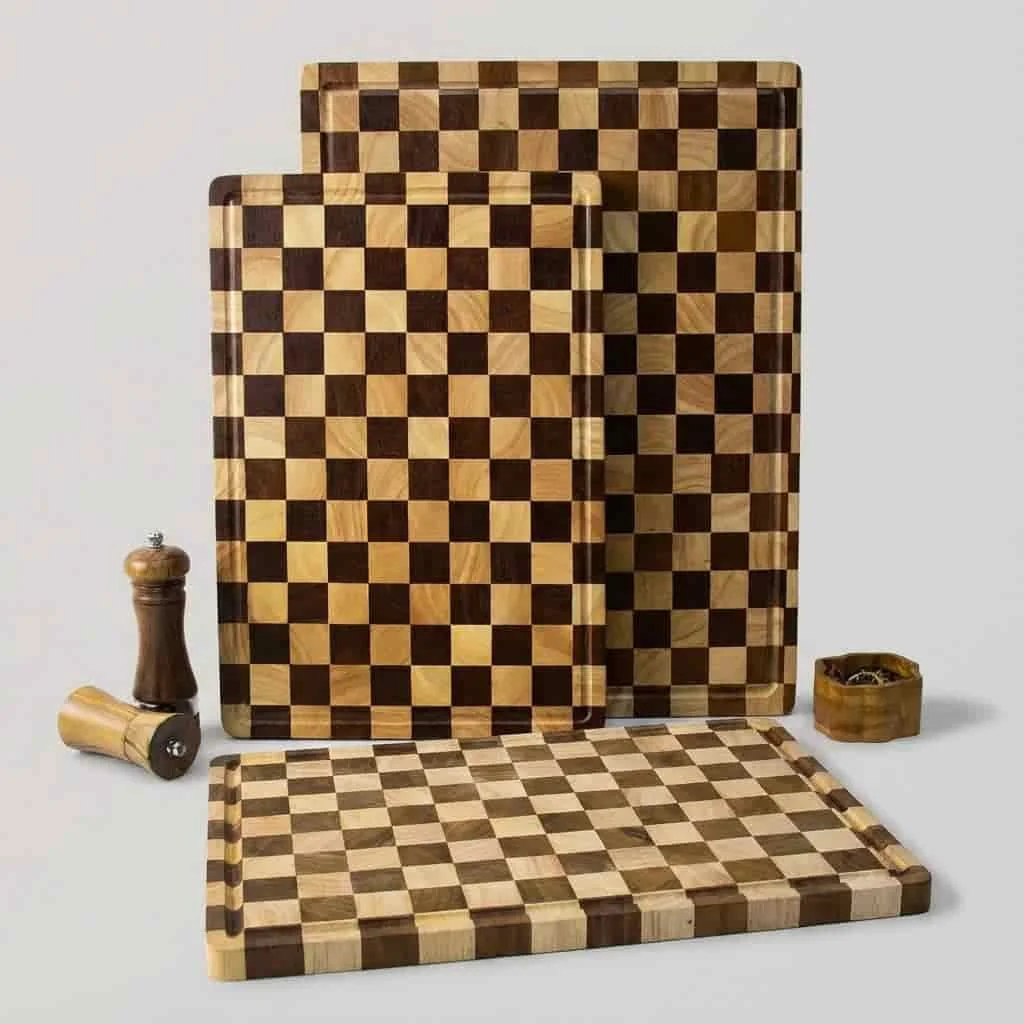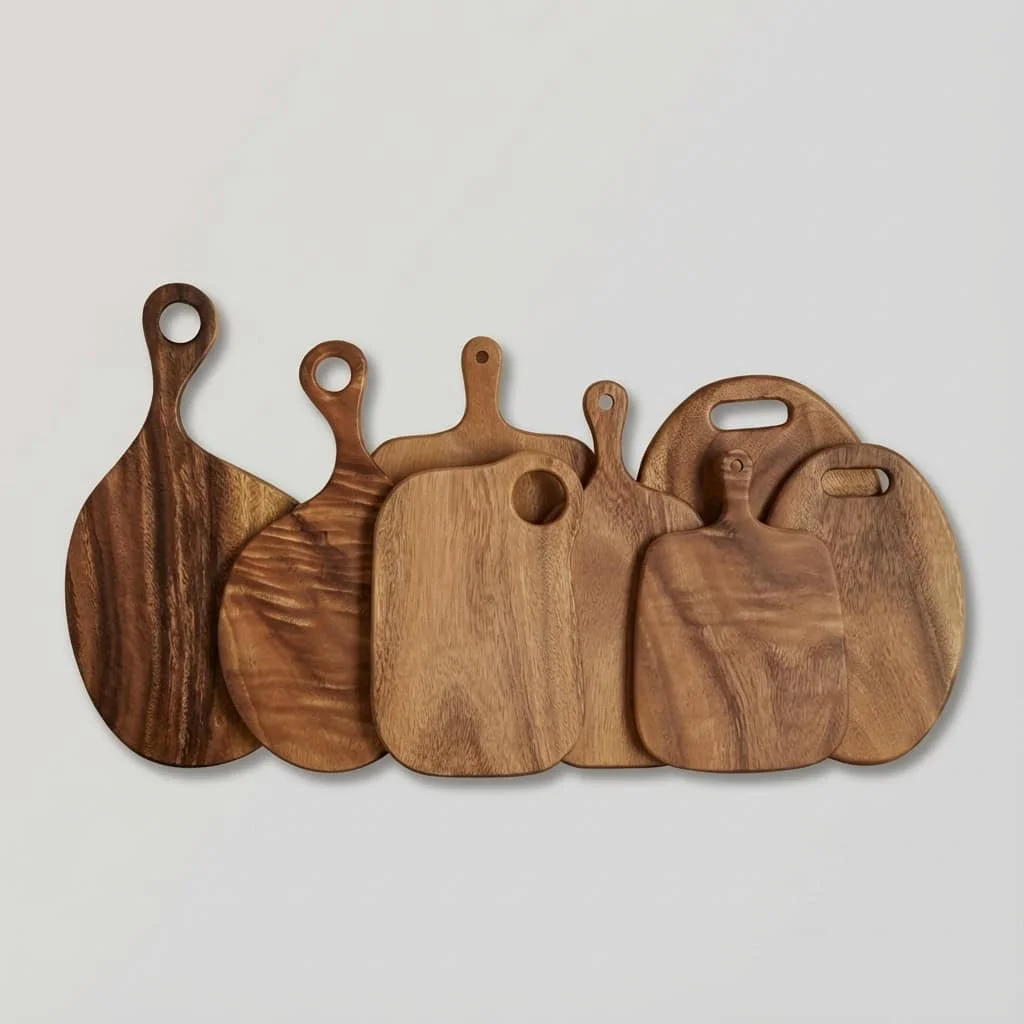
Solid Wood Cutting Boards are one of the most reliable choices for durable kitchen applications in both home and commercial environments. They offer a unique combination of strength, knife-friendliness, visual warmth, and long-term value that synthetic materials often cannot match.
Why Solid Wood Cutting Boards Remain the Gold Standard
In modern kitchens filled with stainless steel, composite materials, and smart appliances, solid wood cutting boards still play an irreplaceable role. Their ability to withstand heavy daily chopping while preserving knife edges makes them especially attractive for serious cooks and professional chefs.
Unlike thin plastic boards that flex under pressure, a well-constructed solid wood cutting board provides a dense, stable work surface. This stability improves cutting precision and reduces the risk of slips, which is essential when working with sharp knives and irregular ingredients.
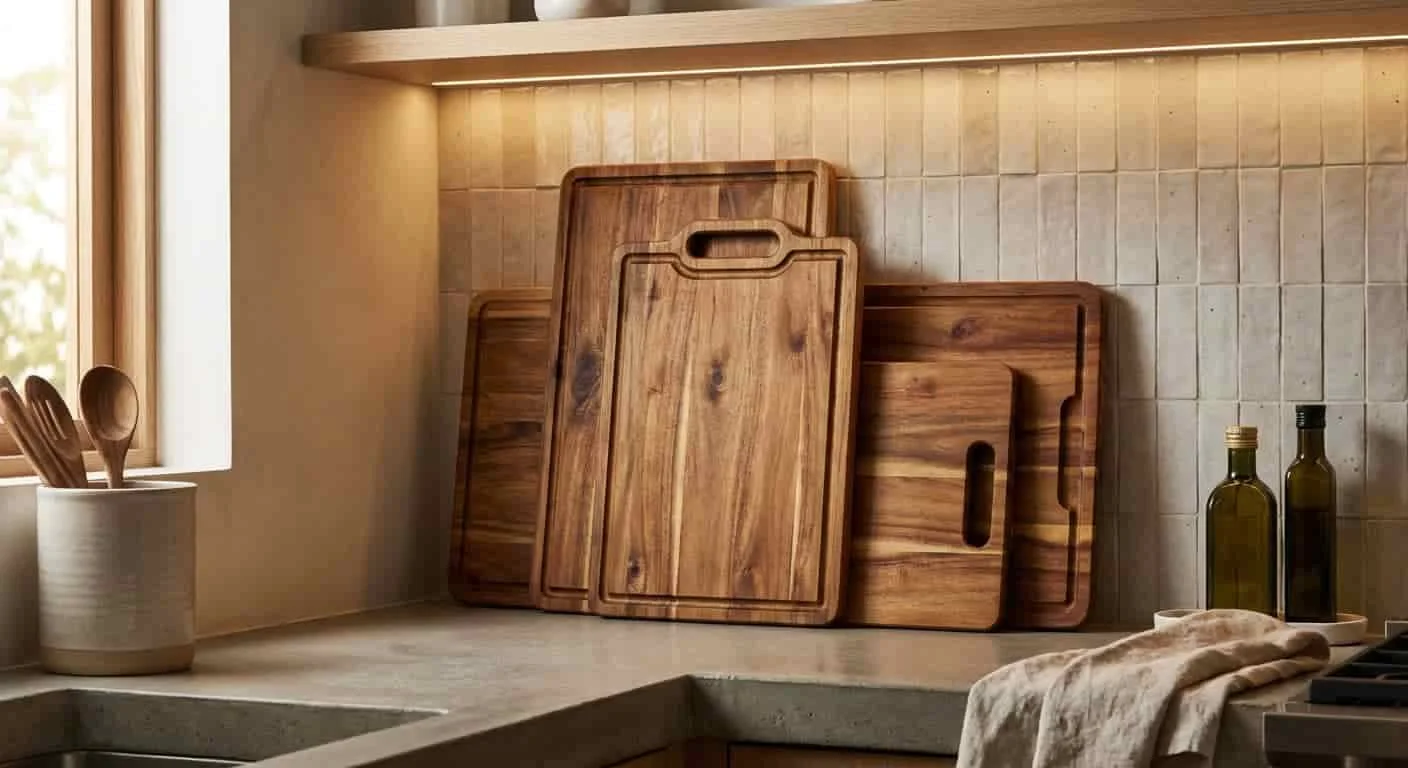
From a design standpoint, solid wood cutting boards bring warmth and texture to the kitchen. The natural grain, color variations, and joinery details can complement a wide range of interior styles, from rustic farmhouse to minimalist contemporary layouts.
How Solid Wood Cutting Boards Are Constructed
To understand why solid wood cutting boards are so durable, it is important to look at how they are constructed. The basic concept is simple: carefully dried and graded lumber is cut into strips or blocks, oriented so that the grain direction achieves the desired performance, and then bonded into a thick, dimensionally stable slab.
End Grain vs. Edge Grain vs. Face Grain
Grain orientation is one of the most important design factors in solid wood cutting boards. It affects durability, knife wear, and visual style. The following table summarizes the key differences:
| Grain Type | Description | Durability Under Heavy Use | Effect on Knives | Typical Applications |
|---|---|---|---|---|
| End Grain | Wood fibers stand vertically; you cut into the ends of the fibers. | Excellent; surface is self-healing, ideal for frequent chopping. | Very gentle; fibers separate and close, reducing edge dulling. | Professional kitchens, butcher blocks, serious home cooks. |
| Edge Grain | Long edges of boards face up; fibers run along the length. | Very good; slightly firmer than end grain. | Good; mildly more wear on knife edges than end grain. | General home use, serving, prep stations. |
| Face Grain | Widest face of planks faces up, like a tabletop. | Moderate; more prone to showing cuts. | Moderate; can dull knives faster than end grain. | Serving boards, presentation trays, light prep tasks. |
For demanding kitchen applications, end grain and edge grain solid wood cutting boards are usually preferred. End grain boards behave like a bundle of tiny straws, where the knife enters between fibers rather than cutting across them. This helps the board resist deep scoring and contributes significantly to long-term durability.
Wood Species Selection for Performance and Durability
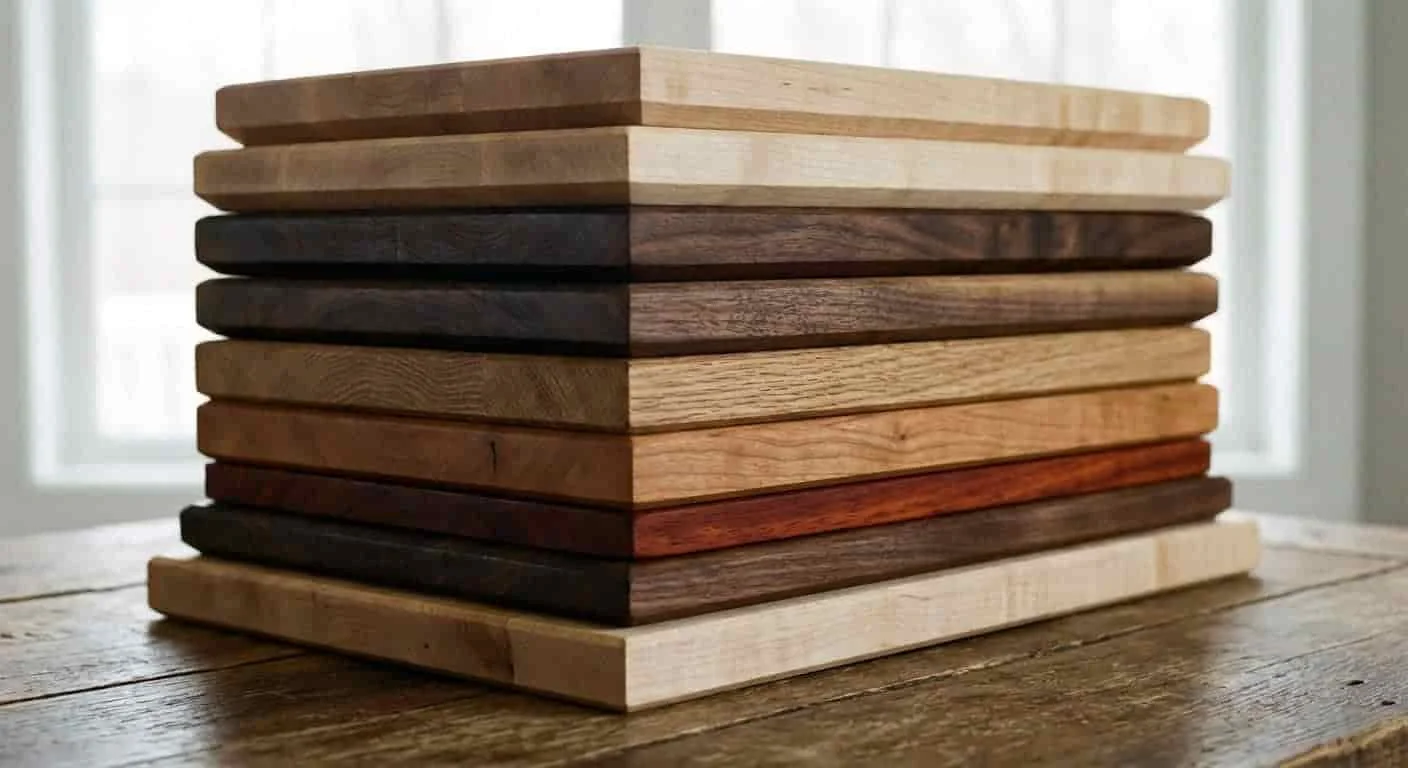
The type of wood used in solid wood cutting boards has a direct impact on hardness, resistance to impact, and overall stability. Hardwoods are typically favored because they balance toughness and workability. Common species include hard maple, oak, walnut, cherry, and beech.
In manufacturing custom and semi-custom boards, suppliers like Hilonwood often recommend medium-to-hard domestic or European hardwoods. These timbers can be kiln-dried to stable moisture levels and machined to tight tolerances, which is critical for producing long-lasting boards that will not easily cup or split.
Key Advantages of Solid Wood Cutting Boards
Solid Wood Cutting Boards provide a long list of practical benefits that justify their enduring popularity. For anyone planning a new kitchen or upgrading existing tools, understanding these advantages helps make an informed buying decision.
Durability and Impact Resistance
One of the primary strengths of solid wood cutting boards is their ability to withstand repetitive heavy cutting, chopping, and pounding motions without structural failure. When constructed from high-quality hardwoods and properly joined, they resist cracking and maintain flatness even in busy kitchen environments.
Thicker boards, such as butcher blocks ranging from 40 mm to 80 mm in thickness, excel under heavy loads. Their mass also adds stability, reducing vibration and movement when chopping dense ingredients like root vegetables, frozen meats, or bones.
Knife-Friendliness and Edge Retention
Chefs often measure a cutting board by how it treats their knives. Solid Wood Cutting Boards are valued for being firm enough for clean cuts, yet yielding enough to avoid excessive wear on the cutting edge. End grain surfaces are particularly gentle, but even well-finished edge grain boards are typically more knife-friendly than glass, stone, or overly hard synthetic boards.
This balance prolongs the intervals between sharpening, reduces micro-chipping along the blade, and allows more enjoyable, controlled cutting motions. Over years of use, the savings in sharpening time and knife replacement can be substantial.
Work Surface Stability and Safety
Another practical benefit of solid wood cutting boards is their inherent heft. The dense mass of hardwood reduces slipping and skidding, especially when combined with non-slip feet, grooves, or mats. This increased stability lowers the risk of accidental cuts, particularly when working quickly or when the countertop is slightly damp.
For commercial kitchens, where multiple staff members repeatedly use the same workstation, a stable Solid Wood Cutting Board can contribute to both safety and workflow efficiency.
Visual and Tactile Appeal
Solid wood surfaces introduce warmth and natural character into the kitchen. Each board is unique, with grain lines, color transitions, and patterns that develop a patina over time. This aged look is especially appreciated in open kitchens, cooking studios, and showrooms where aesthetics are important.
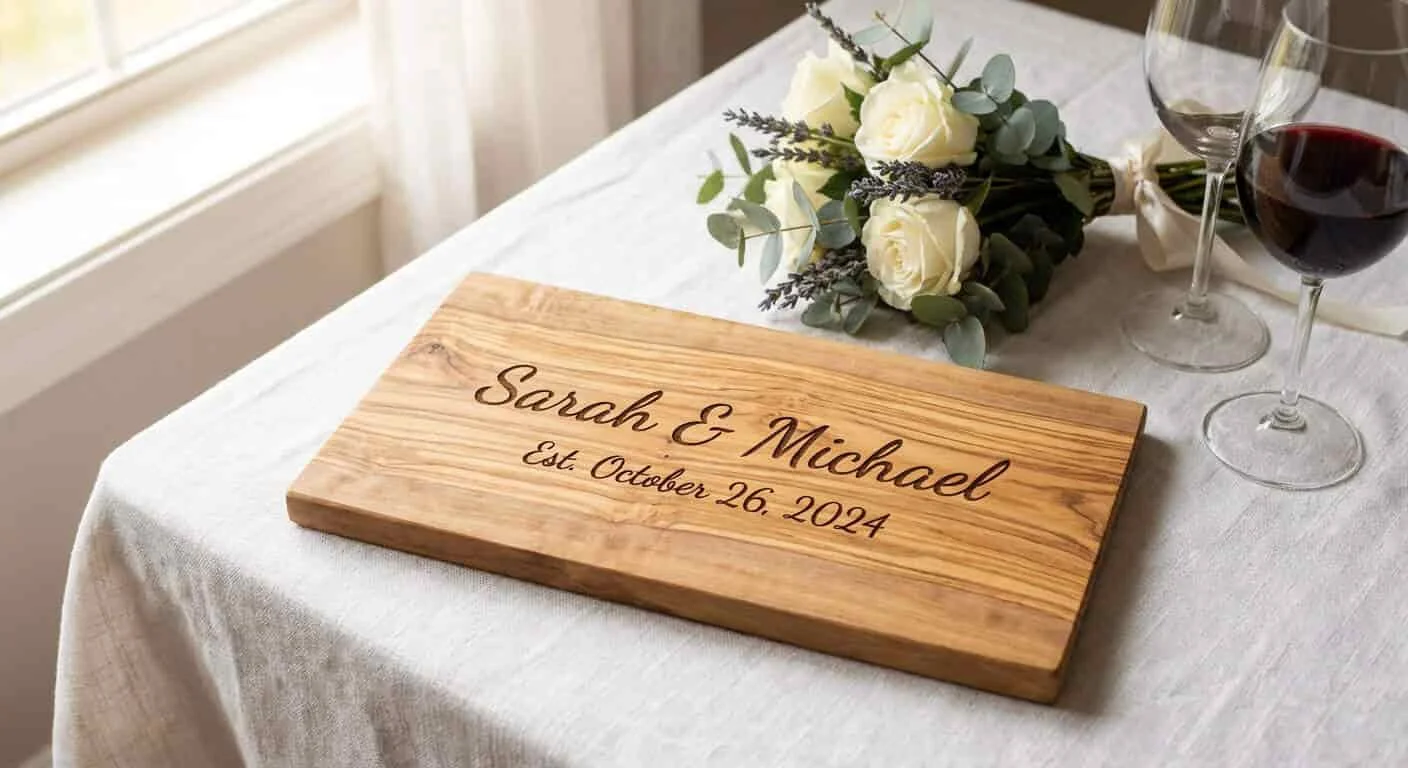
Manufacturers can customize boards with contrasting wood species, inlaid strips, and engraved logos to match a brand identity or interior design concept. For inspiration on custom options, you can explore the custom wood solutions available on the Hilonwood customization page.
Comparing Solid Wood Cutting Boards with Other Materials
To evaluate Solid Wood Cutting Boards for durable kitchen applications, it is useful to compare them with plastic, bamboo, and composite alternatives. Each material has strengths, but wood often presents the best long-term balance for demanding uses.
Performance Comparison Table
| Material | Durability Under Daily Use | Knife Friendliness | Maintenance Requirements | Typical Use Cases |
|---|---|---|---|---|
| Solid Wood (Hardwood) | High; can last many years with proper care. | Very good; especially end grain boards. | Regular oiling and gentle cleaning. | Home and professional kitchens, butcher blocks. |
| Plastic | Moderate; may warp, deeply score, or stain. | Good initially; surface can become rough over time. | Dishwasher safe; may need replacement more often. | Budget boards, high-rotation color-coded systems. |
| Bamboo | Good; relatively hard surface. | Moderate; can be harder on knives due to silica content. | Occasional oiling; avoid water soaking. | Eco-focused consumers, light to medium prep. |
| Glass/Stone | High; surface itself resists cutting. | Poor; can severely damage knife edges. | Easy to clean; noisy and unsafe for knives. | Serving, pastry, or decorative applications. |
This comparison highlights why Solid Wood Cutting Boards are widely chosen for heavy-duty kitchen applications. They stand up to significant daily use without prematurely destroying blades, and they can be resurfaced or re-oiled instead of simply discarded.
Choosing the Right Solid Wood Cutting Board
Selecting the ideal Solid Wood Cutting Board involves more than picking a wood species. You should also consider board thickness, overall dimensions, grain orientation, and specific use cases in your kitchen.
Board Thickness and Size
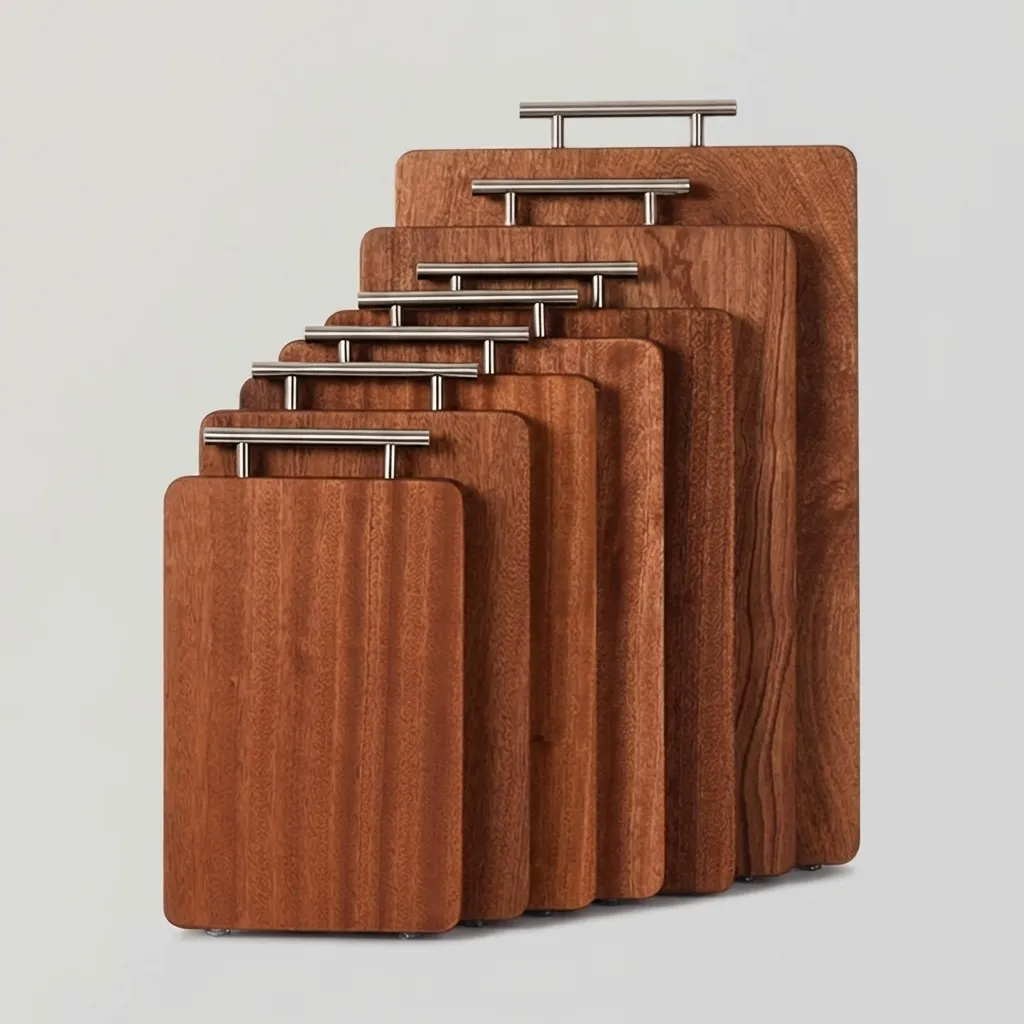
Thickness has a direct relationship with durability. Thicker boards are less likely to warp and can better resist the internal stresses created by changes in temperature and humidity. For demanding workstations, thicknesses from 40 mm to 60 mm are common, while lighter home boards might range from 25 mm to 35 mm.
Size depends on workspace and typical ingredient volume. A board that is too small encourages crowding and can lead to spills, while an overly large board may be difficult to move or store. Many professionals prefer a board size that roughly matches the depth of the countertop, allowing enough room for ingredient piles and safe cutting zones.
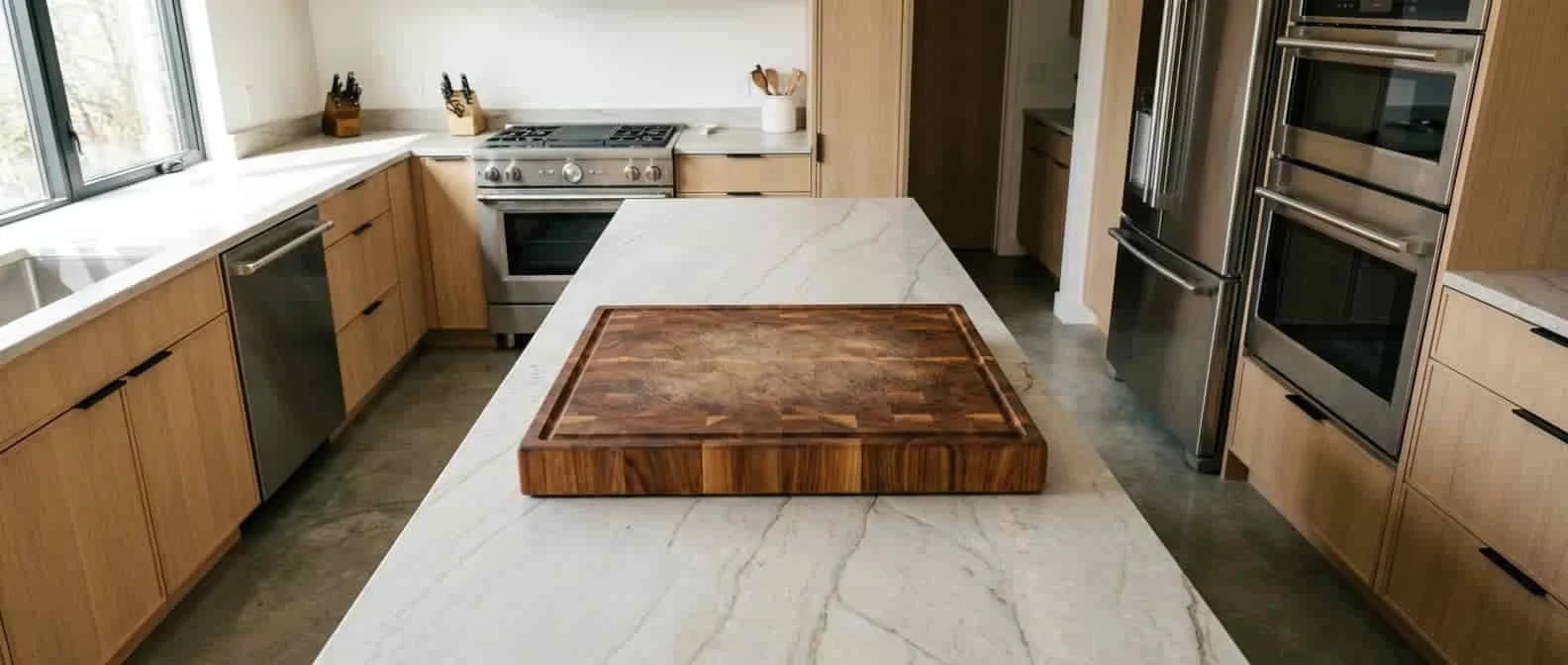
For kitchens where custom integration is required, such as island tops or built-in butcher blocks, tailored dimensions are often the best choice. Manufacturers like Hilonwood can supply custom-sized Solid Wood Cutting Boards and worktops to match exact design specifications.
End Grain vs. Edge Grain for Different Tasks
If you frequently chop herbs, vegetables, and meats with heavy knives, an end grain Solid Wood Cutting Board is usually superior. Its self-healing quality minimizes deep scoring and helps the surface remain smoother over time.
Edge grain boards are excellent for general food preparation, bread slicing, and serving. They tend to be more affordable and lighter than end grain equivalents while still providing good durability and appearance.
Face grain boards should be reserved for serving and presentation rather than heavy cutting. They show knife marks more quickly and are typically appreciated for their visual impact as cheese boards, charcuterie platters, or pastry serving surfaces.
Hygiene and Food Safety Considerations
Food safety is a critical concern for any cutting surface. Solid Wood Cutting Boards, when properly maintained, can provide safe, sanitary working conditions. Research referenced by the U.S. Department of Agriculture Food Safety and Inspection Service suggests that both plastic and wood can be used safely, provided they are thoroughly cleaned and replaced or resurfaced when heavily worn.
Wood has a natural advantage in that some hardwoods contain tannins and other compounds with mild antimicrobial properties. Although this does not replace proper cleaning, it can help minimize bacterial survival between washing cycles. The key is to wash the board with warm, soapy water, dry it thoroughly, and periodically re-oil it so that moisture does not penetrate too deeply.
Manufacturing Quality and What to Look For
Not all Solid Wood Cutting Boards are created equal. Differences in material selection, joinery, and finishing determine how well a board will perform in demanding kitchen environments.
Moisture Content and Kiln Drying
High-quality boards begin with lumber that has been carefully kiln-dried to an appropriate moisture content, often around 8–12% depending on the regional climate. Proper drying reduces the risk of cracking and warping as the wood acclimates to indoor conditions.
Suppliers such as Hilonwood emphasize controlled drying and storage processes for their solid wood panels and boards. This attention to moisture balance is crucial for products that will experience repeated wetting and drying cycles in the kitchen.
Joinery, Adhesives, and Structural Integrity
In a Solid Wood Cutting Board, individual wood strips or blocks are glued together into a stable whole. High-performance boards use food-safe, waterproof or water-resistant adhesives that can withstand repeated washing and mechanical stress.
The orientation and size of each piece are carefully designed to distribute stress evenly. Well-made end grain boards, for example, use smaller blocks arranged in patterns that minimize weak points. Inconsistent sizing or poorly aligned joints can create stress concentrations that lead to premature splitting.
When evaluating a board, look closely at the seams. Tight, uniform joints with no glue squeeze-out or gaps are good indicators of quality workmanship and careful machining.
Surface Preparation and Finishing
A well-finished surface is essential for both comfort and hygiene. The board should be smoothly sanded, with softened edges that are comfortable to grip. At the same time, the surface should not be polished to a slippery sheen; a slight natural texture improves control over ingredients and knife angle.
Food-safe finishes such as mineral oil, beeswax, or specialized cutting board oils penetrate the wood fibers, creating a barrier against moisture without forming a thick surface film. This allows the board to be resurfaced more easily in the future and reduces the risk of chipping or peeling.
Care and Maintenance for Long-Lasting Durability
Even the best Solid Wood Cutting Boards require regular care. Simple habits can dramatically extend service life, preserve appearance, and maintain food safety performance.
Daily Cleaning Practices
After each use, scrape off food debris with a bench scraper or spatula. Then wash the board with warm water and a mild dish soap using a soft sponge or brush. Rinse thoroughly and dry immediately with a clean towel.
Avoid soaking the board or placing it in a dishwasher. Extended exposure to hot water, steam, and aggressive detergents can damage the wood fibers and weaken glue lines, ultimately leading to warping, splitting, or delamination.

Periodic Oiling and Conditioning
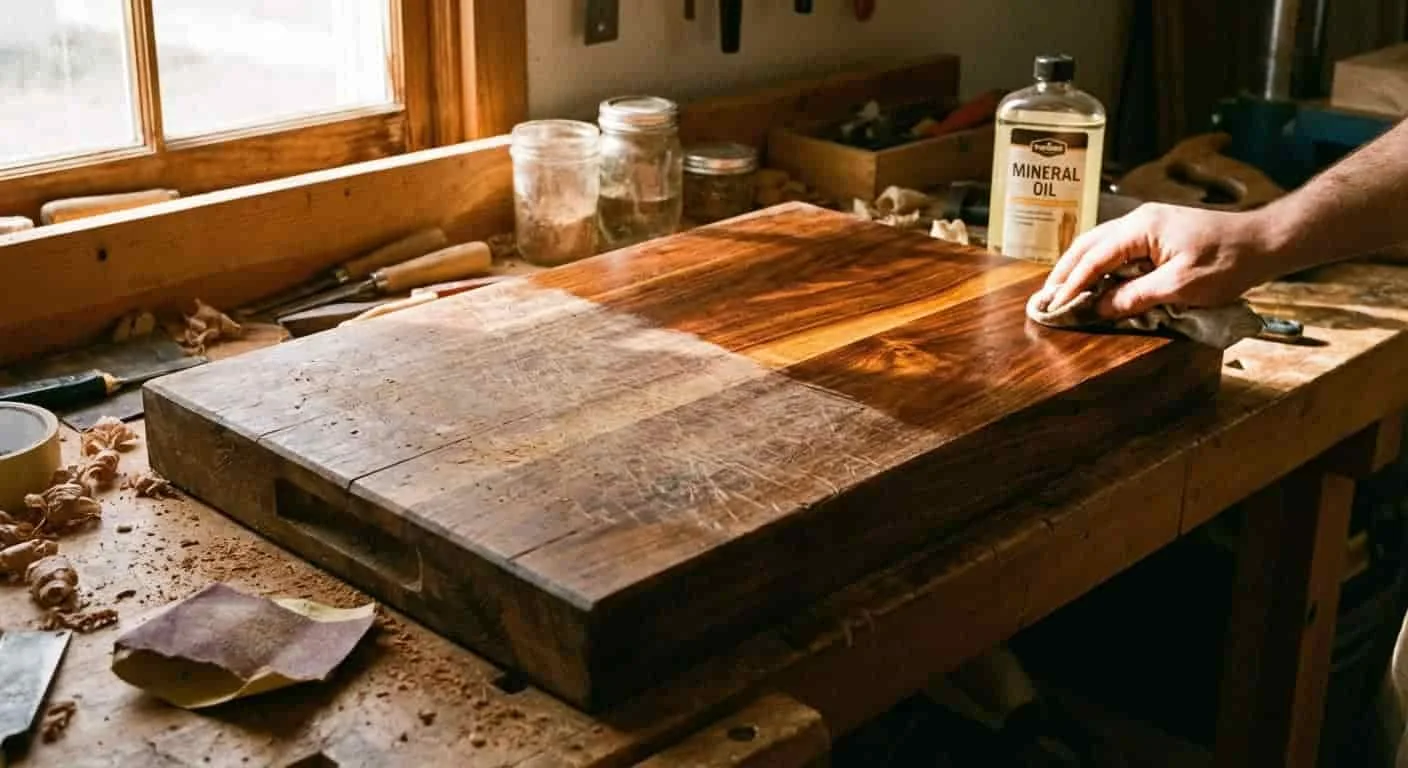
Oiling is a critical step in maintaining Solid Wood Cutting Boards. Food-safe mineral oil is widely recommended because it does not go rancid and penetrates effectively. Apply a generous layer over the entire surface and sides, let it soak in for several hours or overnight, and then wipe away any excess.
Regular oiling helps prevent the board from drying out, reduces absorption of stains and odors, and increases resistance to moisture. The frequency depends on usage and climate; many users oil their boards once a month, while high-use professional boards may require more frequent conditioning.
Some users also apply a mixture of mineral oil and beeswax as a final conditioning layer. The wax adds a subtle sheen and provides extra protection, particularly on end grain surfaces that can absorb more liquid.
Deep Cleaning and Refreshing the Surface
Over time, even a well-maintained Solid Wood Cutting Board can accumulate knife marks and surface discoloration. To refresh it, lightly sand the top surface with fine-grit sandpaper, working along the grain. After sanding, thoroughly remove dust, then re-oil the board to restore protection.
For tough odors, some cooks use a light sprinkle of coarse salt and half a lemon as a natural scrub. Gently rub the lemon across the surface, let the mixture sit briefly, then rinse and dry. Always re-oil after any deep cleaning or sanding operation.
Applications of Solid Wood Cutting Boards in Different Kitchens
From compact home kitchens to large-scale catering facilities, Solid Wood Cutting Boards can be tailored to suit a wide variety of workflows and design constraints.
Home Kitchens and Culinary Enthusiasts
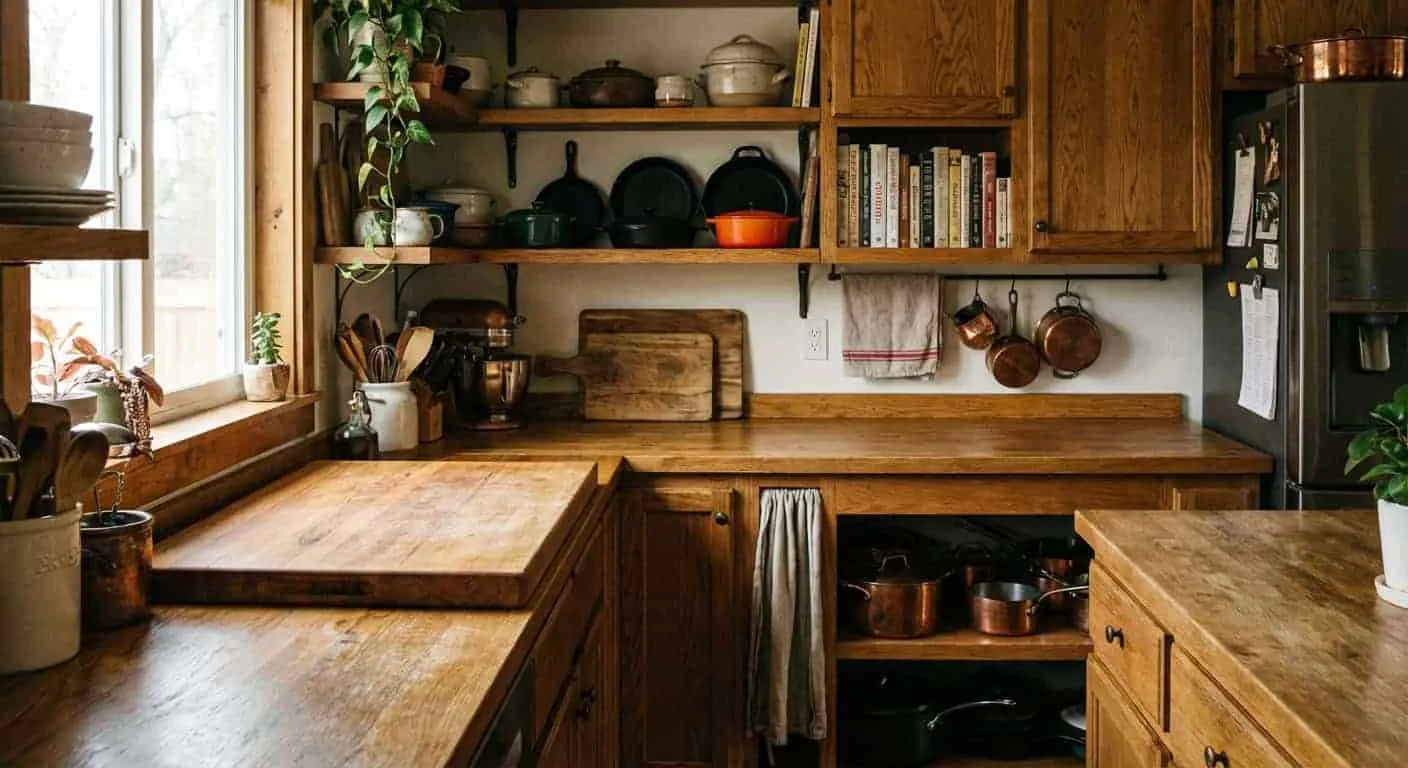
Home cooks benefit from a primary Solid Wood Cutting Board sized to their main prep area, plus smaller boards for quick tasks or serving. A medium-to-large end grain or edge grain board can act as a multi-function station for cutting, carving roasted meats, and even serving rustic dishes.
Design-conscious homeowners often coordinate their boards with wooden countertops, shelves, or accessories. For example, a kitchen that features solid wood countertops or panels from the Hilonwood solid wood board collection may employ matching species and finishes for a cohesive appearance.
Professional and Commercial Kitchens
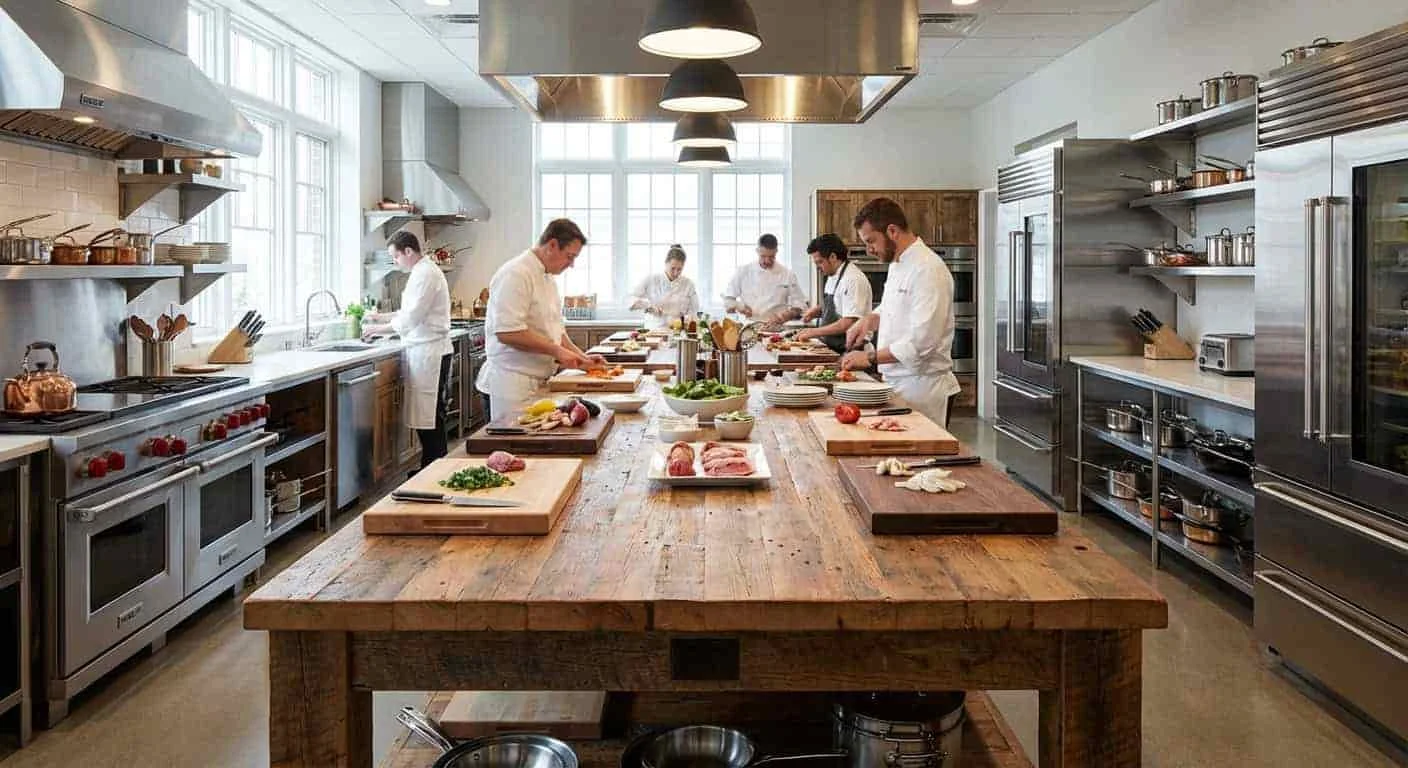
In restaurants, hotels, and catering operations, Solid Wood Cutting Boards must withstand a high volume of work. Thick end grain butcher blocks are a popular choice for dedicated meat or vegetable stations, while edge grain boards may be moved between stations as needed.
Many professional kitchens also use color-coded plastic boards for specific ingredients to meet local food safety regulations. In such systems, a Solid Wood Cutting Board can still serve as a central station for general prep, carving, or presentation tasks, combining durability with visual appeal in open kitchen concepts.
Food Studios, Cooking Schools, and Showrooms
Where presentation is as important as performance, Solid Wood Cutting Boards become part of the visual storytelling. Their natural patterns and handcrafted details contribute to a professional yet inviting atmosphere for demonstrations, classes, or media production.
Custom-branded boards with engraved logos or laser-etched markings can also reinforce brand identity. For such projects, engaging a manufacturer that offers custom engraving, sizing, and wood selection—like the services summarized on Hilonwood’s blog—allows designers to align function and branding.
Custom Solid Wood Cutting Boards and Project Integration
For interior designers, kitchen planners, and brand owners, off-the-shelf boards may not always meet project requirements. Custom Solid Wood Cutting Boards and integrated butcher block tops provide tailored solutions.
Custom Sizing, Shape, and Edge Profiles
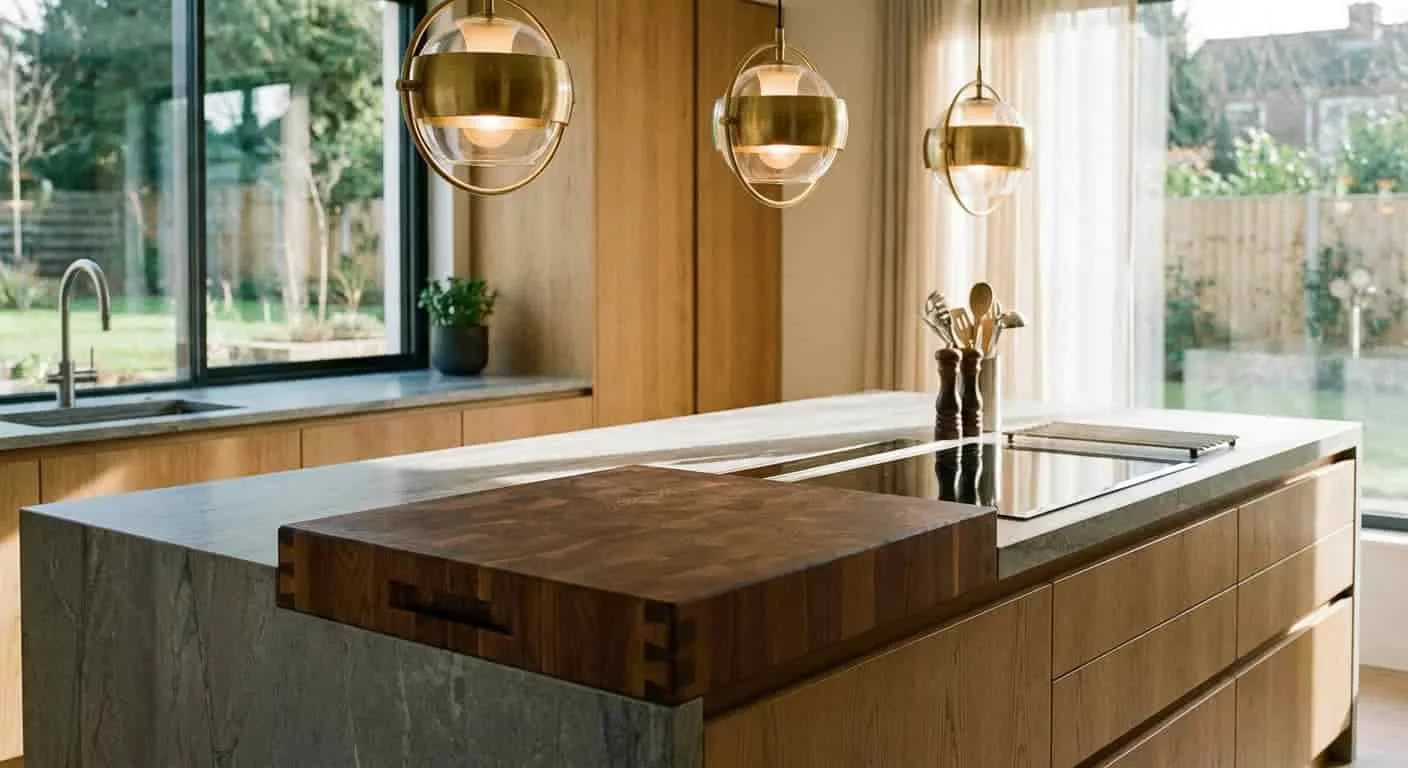
Custom boards can be adapted to the exact size of a kitchen island, a built-in prep station, or a specific appliance layout. Options include rectangular, round, or irregular shapes; cut-outs for sinks and cooktops; and integrated drainer grooves around the perimeter to capture juices.
Edge profiles—such as eased edges, chamfers, or decorative milled designs—allow the board to harmonize with cabinet details or architectural elements. This level of detail is especially important in premium residential interiors and commercial show kitchens.
Material Matching with Countertops and Furniture
To create a unified design language, Solid Wood Cutting Boards can be fabricated from the same species and finishes used for countertops, tables, or cabinetry. For example, if a project uses oak or walnut boards from Hilonwood’s solid wood collections for furniture, matching cutting boards can visually anchor the food preparation area.
Using similar grain patterns and stain tones helps the prep zone feel integrated rather than added later. At the same time, the board remains a replaceable, maintainable element, so that long-term wear does not compromise the larger built-in surfaces.
Branding, Engraving, and Professional Presentation
Hospitality brands, culinary schools, and food content creators often require boards that carry logos, text, or measurement markings. Laser engraving allows precise, repeatable branding while maintaining the structural integrity of the board.
Custom boards can include juice grooves, handle cutouts, and non-slip features on the underside to support specific use cases, such as carving stations at buffets or mobile prep tables. When planning such solutions, coordinate with a manufacturer experienced in both solid wood processing and food-contact requirements.
Environmental and Sustainability Considerations
Many buyers also weigh the environmental impact of their kitchen materials. Solid Wood Cutting Boards, when sourced from responsibly managed forests, can align with sustainability goals more effectively than some synthetic materials.
Renewable Material from Managed Forests
Wood is a renewable resource, and modern forestry practices in many regions focus on long-term forest health and regeneration. When boards are produced from certified or responsibly managed sources, they contribute to a lower overall environmental footprint compared with petroleum-based plastics or non-renewable stone products.
Manufacturers focused on quality solid wood products, including those supplying furniture and architectural millwork, often work closely with reputable sawmills and timber suppliers to ensure consistent material quality and traceability.
Longevity and Repair vs. Replacement
A key sustainability advantage of Solid Wood Cutting Boards is their longevity. A well-made board can remain in service for many years, even decades, with proper maintenance. When surfaces eventually become heavily worn, they can be resurfaced by sanding instead of discarded.
The ability to repair and refinish a wood surface stands in contrast to many lower-cost plastic boards, which often end up in landfills once they are deeply scored or warped. Over the lifespan of a single high-quality board, the cumulative environmental impact can be significantly lower than repeatedly replacing cheap alternatives.
Frequently Asked Questions About Solid Wood Cutting Boards
Because Solid Wood Cutting Boards are a central tool in many kitchens, certain questions arise repeatedly. The following answers address common topics related to selection, safety, and maintenance.
Can solid wood cutting boards be used for both meat and vegetables?
Yes, Solid Wood Cutting Boards can be used for different food categories, but cross-contamination must be avoided. Some cooks dedicate one side of the board to raw meats and the other to vegetables, while others use separate boards entirely. Proper cleaning with hot, soapy water after handling raw meats is essential.
Are solid wood cutting boards safe in the dishwasher?
No, dishwashers are not recommended for Solid Wood Cutting Boards. The combination of high heat, steam, and aggressive detergents can damage the wood fibers, cause swelling or shrinking, and weaken glued joints. Hand washing and immediate drying are the best practices.
What is the best finish for a food-safe cutting board?
Food-safe mineral oil is widely accepted and recommended for Solid Wood Cutting Boards. It is stable, odorless, and does not go rancid. Many users also apply a beeswax and mineral oil mixture to add a protective top layer. Vegetable-based oils that can oxidize and go rancid should be avoided.
How often should a solid wood cutting board be oiled?
The frequency depends on usage, climate, and washing habits. As a general guideline, a new board may be oiled once a week for the first month, then monthly thereafter. In very dry climates or high-use commercial kitchens, more frequent oiling may be beneficial.
What should I do if my board starts to warp or crack?
Slight warping can sometimes be reduced by equalizing moisture: lightly moisten the concave side, place the board on a flat surface, and add even weight on top while it dries slowly. Cracks or splits often require sanding, filling, or professional repair. If structural integrity is compromised, replacement is recommended for food safety.
Integrating Solid Wood Cutting Boards into a Complete Kitchen Plan
When designing or renovating a kitchen, Solid Wood Cutting Boards should be considered together with countertops, cabinetry, and workflow zones. This integrated approach ensures that prep surfaces are both functional and visually cohesive.
Coordinating with Wood Countertops and Panels
Where kitchens feature solid wood or wood-veneer countertops, coordinating the cutting board material creates a unified aesthetic. Species such as oak, ash, beech, maple, and walnut can be selected to match or complement nearby surfaces.
By working with a single supplier for boards, countertops, and decorative panels—as often described in project case studies on the Hilonwood blog—designers can maintain consistent grain patterns, finishes, and color tones across the entire kitchen.
Workflow Zones and Dedicated Prep Areas
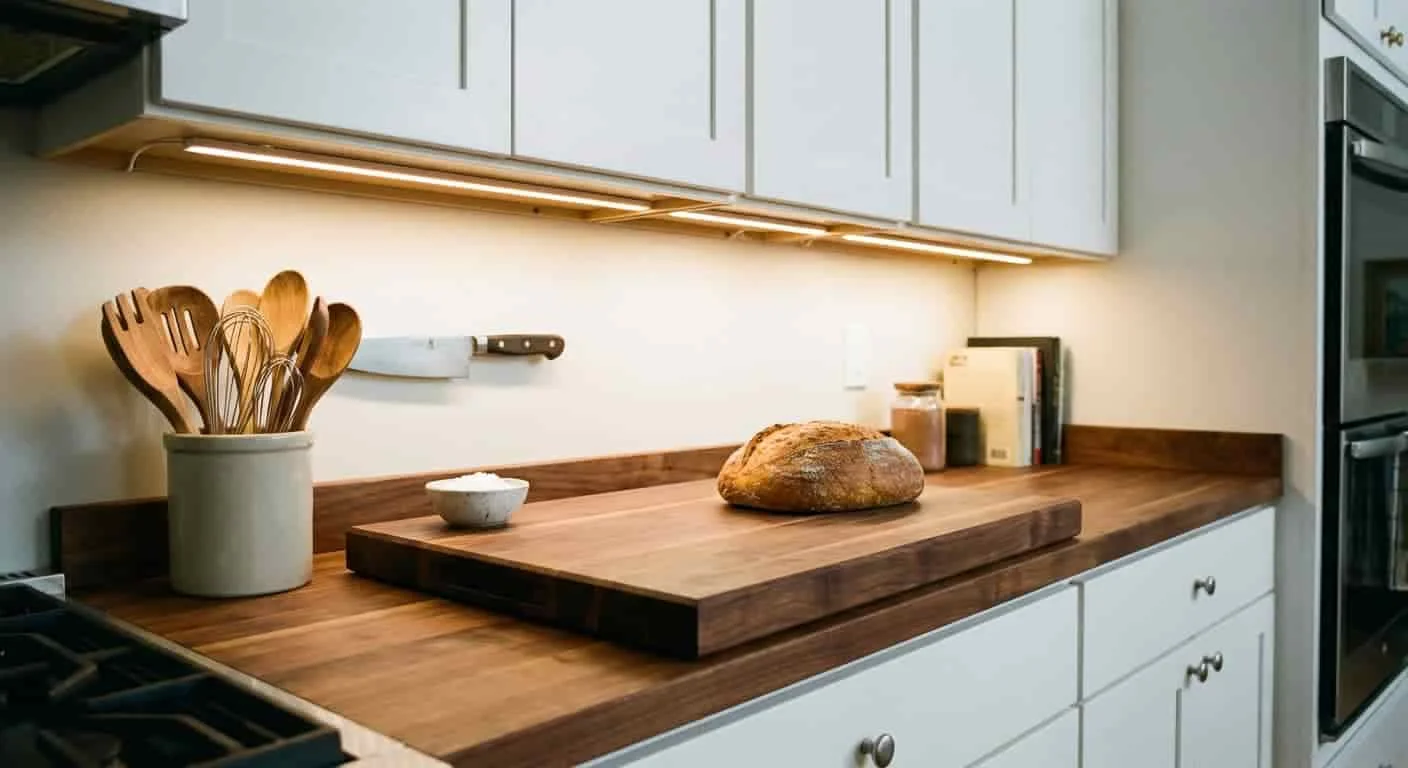
In ergonomic kitchen layouts, specific areas are assigned for prep, cooking, and cleaning. A Solid Wood Cutting Board can anchor the prep zone, ideally positioned near storage for knives, mixing bowls, and frequently used ingredients.
For multi-user kitchens, multiple boards may be arranged side by side or along an island, creating parallel workstations. In such cases, considering board dimensions, thickness, and placement in relation to power outlets, water sources, and appliances can greatly enhance usability.
Budgeting for Quality and Long-Term Value
While Solid Wood Cutting Boards may require a higher initial investment than basic plastic or thin composite boards, their long service life and superior performance often deliver better value over time. When budgeting a kitchen project, it is sensible to factor in at least one high-quality board as a long-term asset rather than a disposable accessory.
Custom boards with integrated features, special shapes, or branded designs may cost more, but they also elevate the functional and aesthetic quality of the kitchen. For commercial operations, the improved workflow, durability, and presentation value can quickly justify the investment.
Conclusion: Solid Wood Cutting Boards as a Core Kitchen Tool
Solid Wood Cutting Boards represent a time-tested solution for durable kitchen applications in homes, restaurants, and professional food environments. Their combination of strength, knife-friendliness, reparability, and visual warmth makes them stand out from many alternative materials.
By understanding the differences between end grain, edge grain, and face grain, selecting appropriate hardwood species, and applying consistent care, users can enjoy a high-performance cutting surface for many years. Whether you are planning a new kitchen, upgrading your tools, or specifying equipment for a commercial project, investing in a well-made Solid Wood Cutting Board is a practical step toward safer, more efficient, and more enjoyable food preparation.
For those who need tailored dimensions, specific wood species, or branded designs, exploring custom solid wood solutions from specialized manufacturers such as Hilonwood can align the functional requirements of the kitchen with its overall design concept. With thoughtful selection and maintenance, Solid Wood Cutting Boards will continue to serve as a central, dependable tool in demanding kitchen applications.