
Custom Single Bottle Black Walnut Wine Gift Box - Manufacturer & Wholesale Supplier
Premium single bottle wine presentation box utilizing finger-joint corner construction, designed specifically for high-end retail packaging or limited-release corporate gifting.
Key Features
- Solid 10mm Black Walnut wood construction throughout.
- Precisely cut finger joints (dovetail style) on all four corners for maximum corner strength.
- Sliding lid design with integrated thumb groove for smooth access.
- Interior dimensions tailored for standard 750ml Bordeaux/Burgundy bottles; custom sizing available.
- Subtle matte lacquer finish to protect the wood while highlighting the natural grain.
- Options for interior foam inserts or wood bottle rests for secure transit.
$14.0 - $19.6 / piece
Prices vary based on order quantity, dimensions, material selection, and logo printing method. Send an inquiry.
Specifications
- Wood Type
- Natural Black Walnut
- Capacity
- Single Bottle (Standard 750ml)
- Dimension
- Custom sizes available per client specification
- Design
- Sliding Lid with Finger-Pull and Internal Neck Rest
- Surface Finish
- Fine Sanded with Protective Clear Matte Coat
- Usage
- High-End Wine Packaging, Corporate Gifts, Winery Releases
- Customization
- Size, Logo (Laser, CNC, Silk-Screen), Finish, Inserts
Applications
Limited Edition Wine Releases
Ideal for wineries launching reserve or anniversary bottles. The black walnut's natural premium feel justifies a higher retail price point and creates a sense of exclusivity for the buyer.
Executive & Corporate Gifting
Corporate procurement managers for luxury brands often select this style to present high-value wine gifts. The durable construction ensures the box is often repurposed, keeping the brand visible.
High-End Wine Retailers
Specialty wine shops use these custom boxes for curated gift sets, where the packaging needs to match the quality of the enclosed bottle and provide an exceptional unboxing experience. Explore our complete collection of custom wooden wine boxes for additional wood species, construction types, and finish options.
Customization Options
Branding and Finishes: Clients can specify laser engraving for precise, permanent logos or color screen printing. Laser engraving works better for intricate logos on walnut's dark tone, whereas screen printing offers visibility for specific corporate colors; however, screen printing can chip over time on a high-use item.
Wood Species: While shown in premium black walnut, we can substitute American cherry or maple. Cherry provides a warmer, reddish tone but darkens considerably with age; maple offers a contrasting lighter backdrop for a modern look, but shows dirt more readily. See our wood species guide for a complete comparison of density, hardness, and finishing characteristics across all domestic and imported species.
Lid Mechanism and Hardware: The standard is a sliding lid with a finger pull, which offers a sleek profile but might stick slightly with dramatic humidity changes. An alternative is a hinged lid with a latch. Hinges provide positive closure and feel traditional, but increase cost due to hardware and manual assembly labor.
Interior Details: Standard boxes use foam inserts for bottle security, which is cost-effective but can look inexpensive. We recommend switching to routed wood bottle cradles or satin lining for a premium, integrated appearance, though this increases per-unit cost and setup complexity.
Ready to get a recommendation?
Send us your requirements — we'll respond with material and production recommendations within 24–48 hours.
Why This Design Works
Traditional Joinery for Longevity: The finger-joint (dovetail) construction isn't just an aesthetic callback; it's a structural necessity for a heavy bottle. By interlocking the end-grain sections, we exponentially increase the gluing surface area compared to a simple butt joint, ensuring the box corners won't split even under the stress of transit or repeated stacking. This is the correct structural choice, even if it requires more precise machining time.
Black Walnut as a Statement Material: Choosing natural black walnut immediately positions the enclosed wine as a premium product. Its deep chocolate tones and complex grain structure convey inherent value. The natural variation between boxes means each recipient gets a unique item, which is a subtle, powerful differentiator over perfectly uniform, mass-produced cardboard or inferior softwoods.
The Sliding Lid UX: We opted for the sliding lid design for this model because it offers the cleanest exterior profile, allowing the wood grain to flow virtually uninterrupted. It avoids external hardware which can catch and looks less sleek. While a hinged lid offers easier opening, the tactile feedback of sliding open a walnut box provides a more premium unboxing sequence.
Black walnut and oak represent two distinct approaches to premium spirit and wine packaging. Walnut's dark, chocolate-brown tones read as contemporary and understated — the luxury is in the material itself, not the surface treatment. Our oak whiskey presentation box with high-gloss lacquer takes the opposite approach: the lacquer is the statement, creating reflective depth that amplifies the wood grain into something showroom-ready. Choose black walnut when the material should speak quietly; choose lacquered oak when the finish should announce itself.
If the sliding lid is the feature that matters most, oak with a matte finish is the sweet spot. Our matte oak whiskey packaging box uses the same sliding-lid mechanism — no external hardware, clean exterior profile — in solid oak with a dark coffee matte spray finish. It splits the difference between lacquered showroom presence and walnut understatement, and the matte surface hides handling marks better than either option for products that ship through multiple distribution touchpoints.
Manufacturing Considerations
Matching Grain Across Finger Joints: The biggest quality risk with this construction is poor grain matching where the fingers interlock. If the grain or color doesn't transition smoothly, the joint looks cheap and disruptive. Our factory protocol requires selecting blanks for each box from the same flitch of timber, ensuring visual consistency across all joined corners.
Humidity Control and Lid Tolerances: Black walnut, like all solid woods, moves. For a sliding lid to function correctly, we must maintain tight tolerances, yet leave enough space for natural expansion and contraction. We cure the wood in a climate-controlled kiln specifically to a 6-8% moisture content for the destination climate, minimizing the risk of lids becoming either stuck solid or unacceptably loose. Watch out for factories rushing the drying process; it leads to inevitable dimensional stability issues later.
Finishing the End Grain: The multiple exposed end-grain sections of the finger joints absorb lacquer at a different rate than the face grain. If applied poorly, the ends can appear too dark or have an inconsistent gloss. We use a multi-step finish process, applying a specific sanding sealer first to even out the absorption rate across the entire corner before the final matte topcoat is applied.
Material selection is the single decision with the widest downstream impact on production. Black walnut machines differently than cherry, absorbs finish differently than maple, and costs differently than both. For a deeper comparison of how different wood species behave across the full production process, read our wood packaging material selection guide — covering density, workability, finish absorption, and cost tiers.
Have a technical concern about your use case? Our team can walk you through how we'd handle it for your project.
I would strongly recommend starting with the classic sliding lid design using laser engraved branding for a clean, premium look. While tempting to add a latch, it disrupts the walnut’s clean lines and isn’t strictly necessary. For the interior, skip the satin lining unless it’s for a very traditional corporate gift; instead, spend that budget on a high-quality, precise EVA foam insert with a thin veneer top layer that looks like wood. This gives you the protection and clean presentation buyers expect at this tier. Stick with the standard matte finish; anything higher gloss shows fingerprints too easily on a dark wood like walnut.
Start Your Project
Send us your design or reference images — we'll return with a pre-production sample for your approval.
Related Products
You may also be interested in
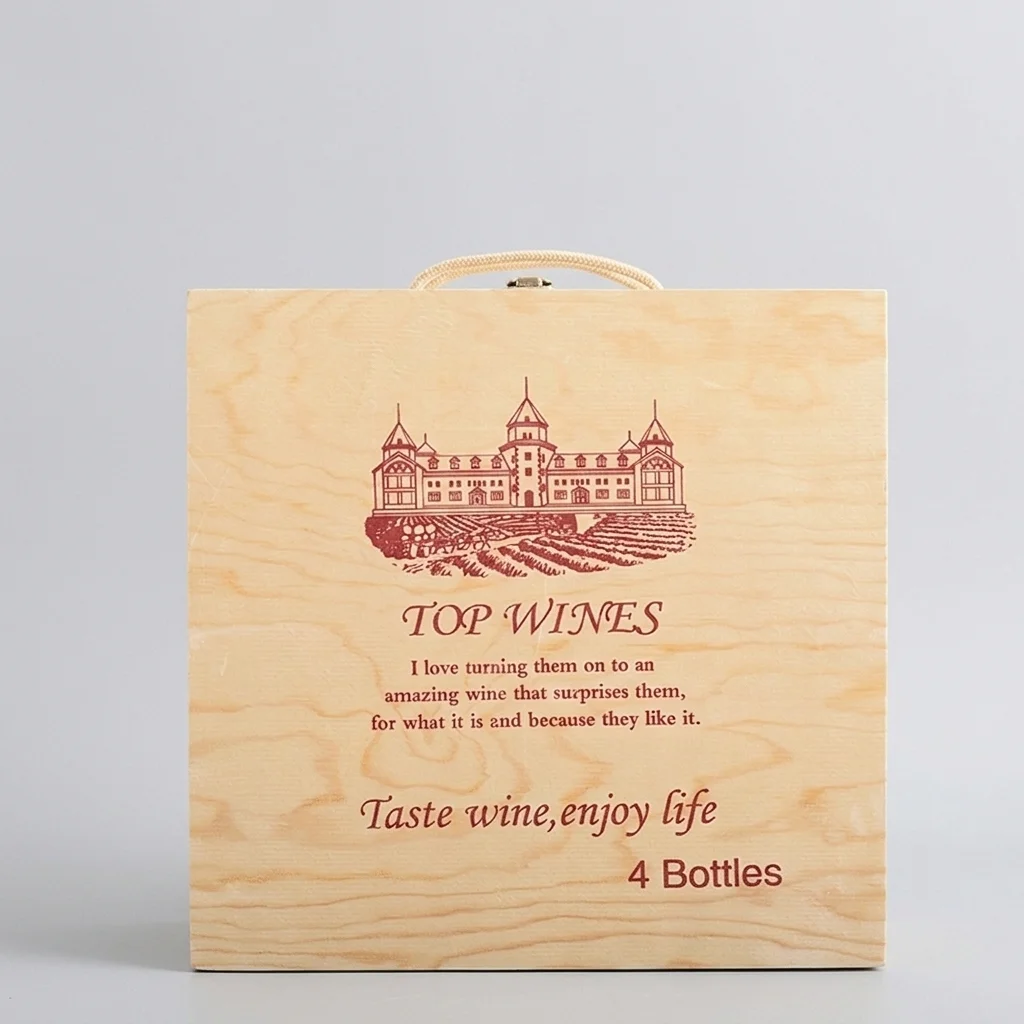
Custom 4 Bottle Vintage Wooden Wine Crate, Natural Pine Construction - Manufacturer & Wholesale Supplier
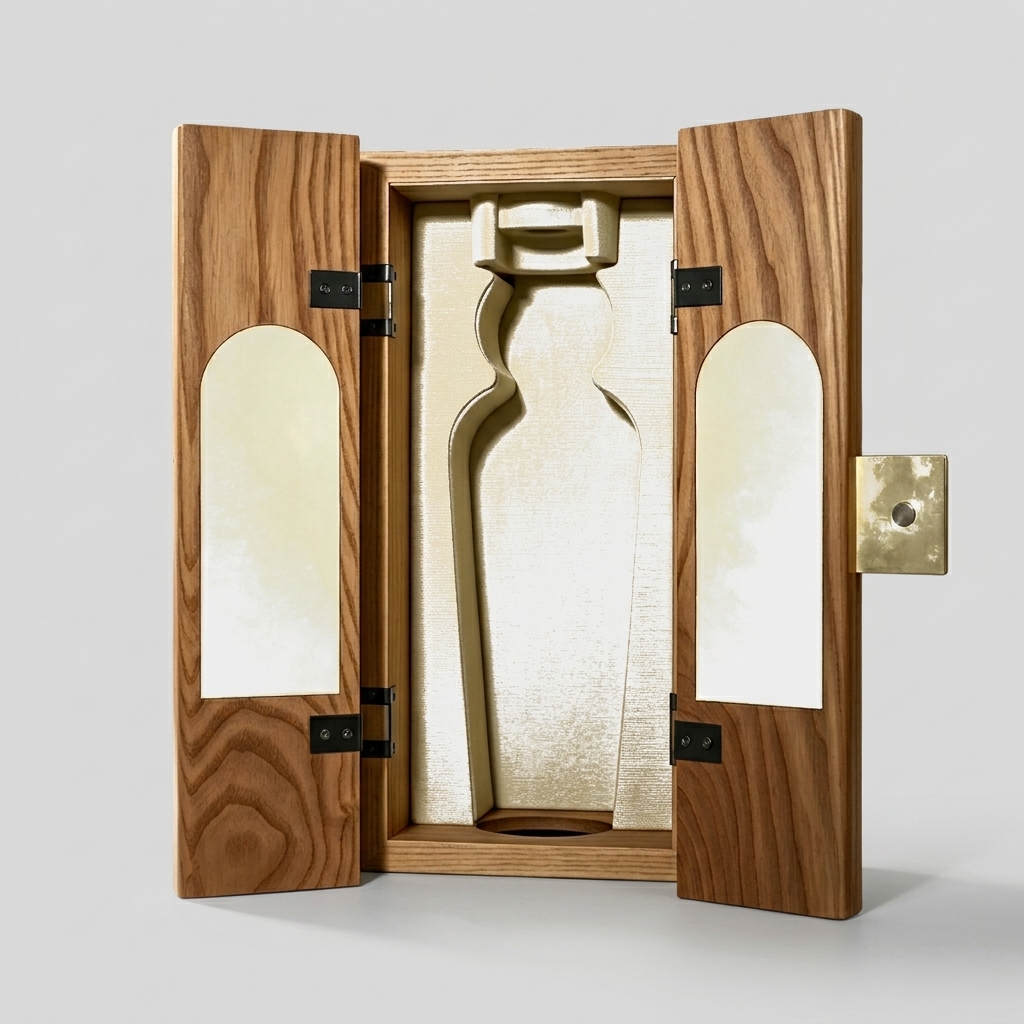
Premium Custom Matte Oak Whiskey Packaging Boxes with Sliding Lid Manufacturer & Wholesale Supplier
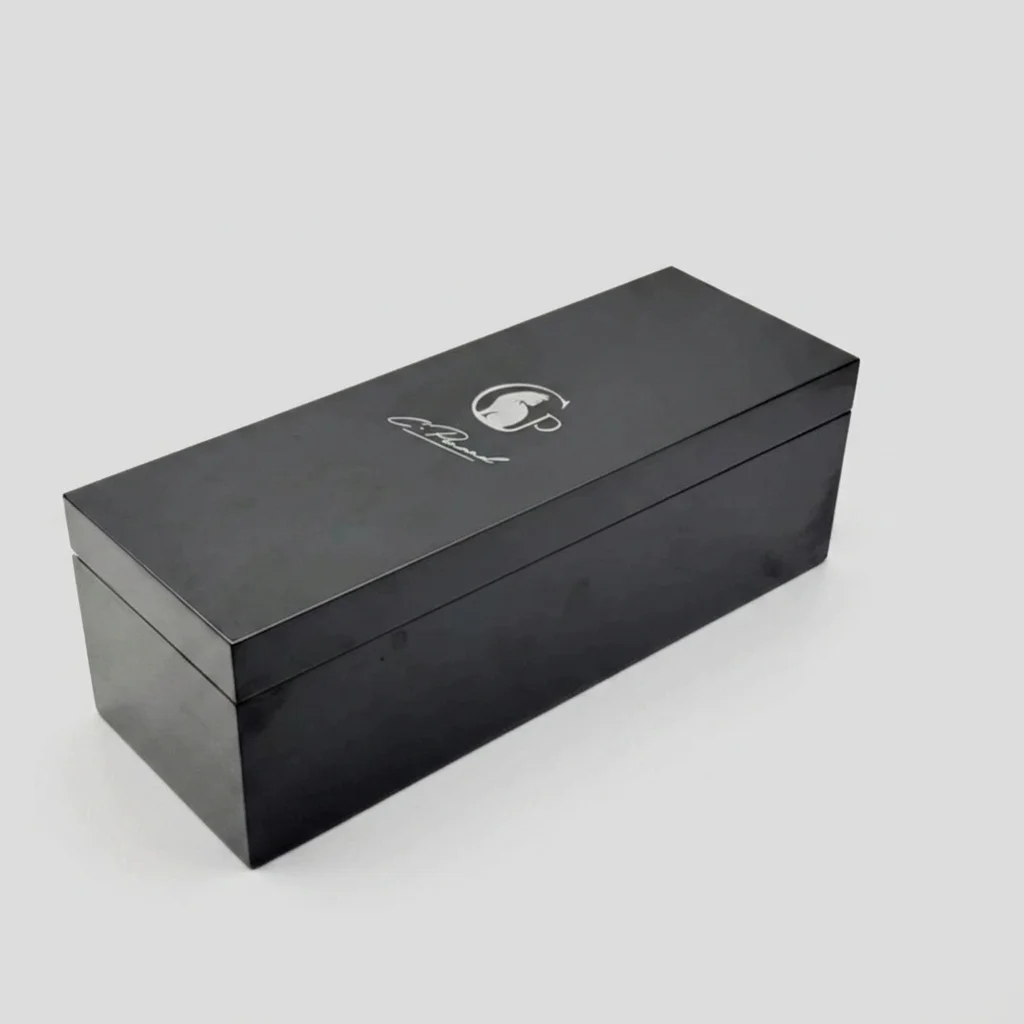
Custom High Gloss Piano Lacquer Single Bottle Wine Boxes | Manufacturer & Wholesale Supplier
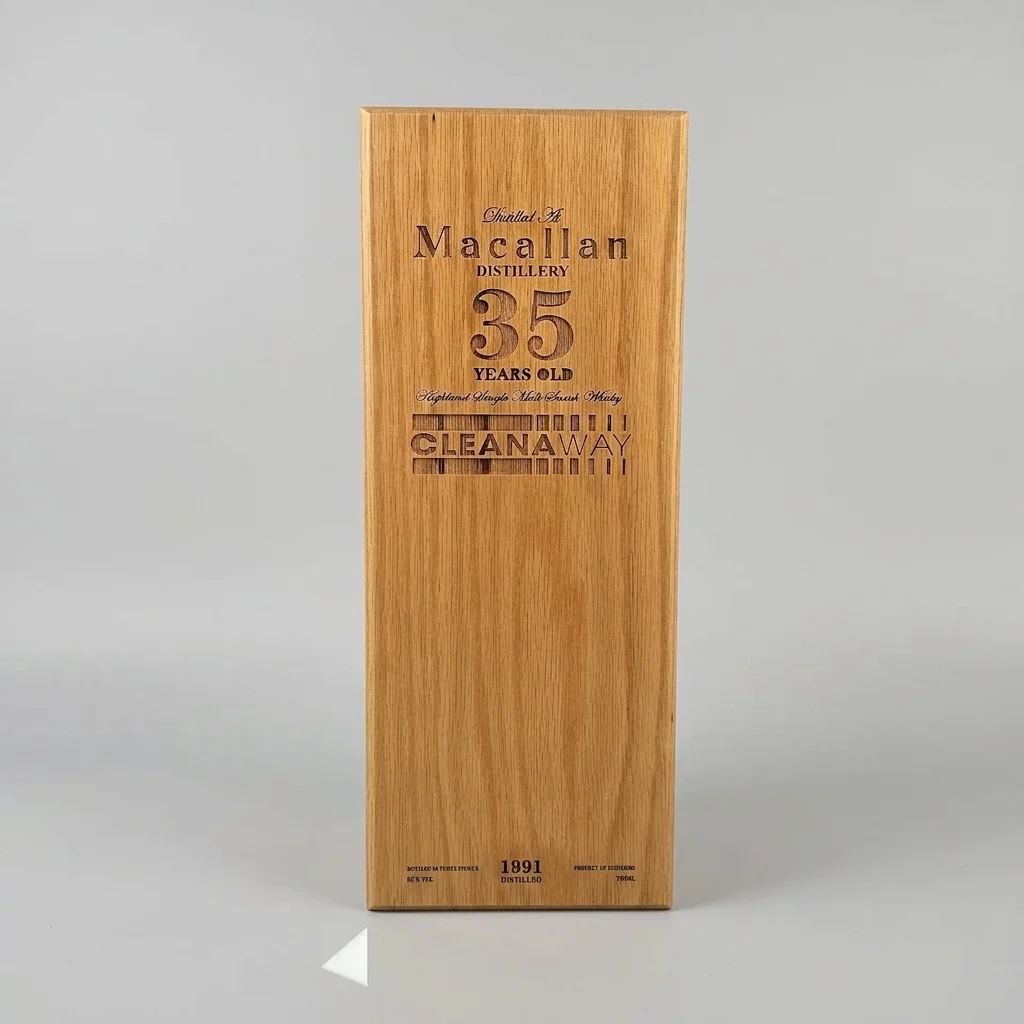
Custom Oak Whiskey Boxes Wholesale, Lacquered Solid Wood Gift Box - Manufacturer & Wholesale Supplier
Frequently Asked Questions
Q: How do you prevent the sliding lid from binding over time?
Q: Can the dovetail joint handle very heavy bottles?
Q: Why laser engraving over hot stamping for the logo?
Q: What is the standard internal dimension tolerance you maintain?
Q: Does the black walnut grain vary significantly between boxes?
Send Us Your Requirements
Send your design, reference images, or product sample. We don't just quote a price — we respond with material recommendations, a feasibility assessment, and professional suggestions grounded in over 20 years of manufacturing experience. Expect a detailed response within 24–48 hours.
- Professional recommendations included
- Small MOQ & trial orders supported
- Worldwide shipping with export documentation