
Premium Custom Matte Oak Whiskey Packaging Boxes with Sliding Lid Manufacturer & Wholesale Supplier
Solid oak whiskey packaging boxes with precision box-joint joinery and a dark matte spray finish — designed for distillery direct-to-consumer fulfillment and premium retail display where the packaging needs to feel substantial before the bottle is revealed.
Key Features
- Solid oak construction throughout — walls, base, and lid — for consistent weight and tactile quality from every angle.
- Traditional box-joint joinery on all four corners — mechanically interlocked, not just glued.
- Precision-milled sliding lid with integrated finger pull, running in routed grooves for a seamless exterior profile.
- Dark coffee matte spray finish — flat sheen that highlights grain texture without reflective glare.
- Custom internal fitments: sculpted wood cradles, velvet-lined EVA foam, or flocked inserts built to your bottle dimensions.
- Full exterior surface available for laser engraving, foil stamping, or screen-printed brand application.
$68.6 - $96.0 / piece
Prices vary based on order quantity, dimensions, material selection, and logo printing method. Send an inquiry.
Specifications
- Wood Type
- Solid Oak
- Category
- Unknown
- Type
- Custom Order (OEM/ODM)
- Design
- Sliding Lid Closure
- Surface Finish
- Matte Spray Paint (Dark Coffee)
- Usage
- Spirit and Beverage Packaging
- Hardware
- None (Sealed Sliding Closure)
Applications
Distillery Direct-to-Consumer Fulfillment
Wine clubs and whiskey subscription programs need packaging that survives transit and doubles as brand exposure. This box is sturdy enough to ship a full bottle, and the sliding lid means no latches to break or hardware to tarnish — the recipient keeps and repurposes it, extending brand visibility for years.
Limited Edition Spirit Releases
Single-barrel bourbons, anniversary blends, and distillery-exclusive bottlings demand packaging that signals rarity. The matte oak finish avoids the showroom gloss of lacquered alternatives, instead communicating restraint and substance — a presentation that says the spirit inside is serious enough not to need a shiny wrapper.
Corporate Gifting at Scale
When procurement teams need hundreds of identical, high-quality gift boxes for client programs, consistency matters as much as appearance. Box-joint construction yields repeatable, tight-cornered units across production runs — each box meets the same tolerance, each unboxing experience lands the same way. Explore our full catalog of custom wooden wine and spirit boxes for other wood species, finish types, and lid mechanisms.
Customization Options
Wood Species Alternatives: Oak is the standard for this box — its density and grain telegraph heritage and durability. For a lighter visual weight, we can substitute ash, which has a similar hardness but paler, more linear grain. Pine cuts cost significantly but lacks the surface hardness needed for repeated sliding lid use — the grooves wear noticeably faster. Cherry darkens with age and UV exposure, shifting from warm amber to deep mahogany over 6-12 months, which some brands prefer for the evolving patina. Walnut offers the darkest natural tone without stain, but at 2-3x the material cost. Our wood species reference covers density, Janka hardness, shrinkage rates, and finishing characteristics for every species in our sourcing catalog.
Finish Options: The standard is a dark coffee matte spray — it provides a flat, tactile surface that doesn't show fingerprints or minor handling marks the way a gloss finish does. We can match any Pantone color for the base coat. A clear matte sealer over natural oak is also available if you want the raw wood color to dominate, but note that oak varies in tone from board to board, so the box-to-box consistency won't match a painted finish. Lid Mechanism: The sliding lid is the defining design element of this box. It produces the cleanest exterior lines — no external hinges, no protruding latches. The trade-off is access: a sliding lid requires two hands to open. If one-handed access is a priority, our lacquered oak presentation box with hinged lid uses a front latch and rear hinges — easier to open but with visible hardware interrupting the exterior.
Branding Methods: Laser engraving produces a precise, permanent mark that burns slightly darker than the surrounding oak — effective on the matte surface because the contrast reads clearly without glare. Foil stamping in gold or silver adds metallic reflectivity that pops against the dark matte background, though it requires a metal die and setup cost. Screen printing handles multi-color logos but sits on top of the finish and can wear with repeated handling. Interior Configuration: Standard single-bottle inserts use high-density EVA foam wrapped in velvet or flocking. For multi-bottle configurations, routed wood cradles with individual bottle pockets provide the most premium presentation but increase machining time and per-unit cost by roughly the labor differential between foam cutting and CNC routing.
Ready to get a recommendation?
Send us your requirements — we'll respond with material and production recommendations within 24–48 hours.
Why This Design Works
The sliding lid was chosen because it eliminates external hardware — and that matters more than most buyers realize. Hinges and latches are failure points. They loosen over repeated use, they can arrive misaligned from transit vibration, and they visually interrupt the wood grain. A sliding lid rides in milled grooves with no metal-to-wood attachment — nothing to strip, nothing to tarnish, nothing to realign. The trade-off is access speed: a slide takes a deliberate motion rather than a flick of a latch. For a product designed to be opened once or twice — at a gift presentation, at a retail display, at a tasting — that's an acceptable exchange. For daily-access applications, a hinged lid makes more sense.
The matte finish is a deliberate rejection of high-gloss convention in premium packaging. Most high-end spirit boxes default to piano lacquer — glossy, reflective, showroom-ready. But a glossy black finish announces itself loudly; a matte dark coffee finish sits quietly on a shelf or table and rewards close inspection. The texture is the differentiator: under a gloss coat, oak grain becomes a visual element only. Under a matte spray, the grain remains both visual and tactile — the ridges are there when you run a finger over them. This finish also performs better in a shipping environment. Gloss surfaces highlight every scuff and fingerprint accumulated during transit and handling; matte surfaces absorb minor contact without showing it.
Box-joint joinery is the correct structural choice for a product that ships with significant weight inside. A butt joint with glue is fast and cheap; a mitered corner looks clean. But neither survives the torsional stress of a full glass bottle in a box being lifted by one corner, dropped on a loading dock, or stacked unevenly. Box joints interlock end-grain fingers across the entire corner height, multiplying glue surface area several times over and creating mechanical resistance to both tension and shear. The visible finger pattern on the corners is not decorative — it's the visual evidence of a joint that won't separate.
Manufacturing Considerations
The sliding lid groove tolerances are the single most critical quality variable on this product. Route the grooves too tight and the lid binds — especially after finish application adds even a 0.1mm coating to both surfaces. Route them too loose and the lid rattles, or worse, slides out during transit if the box tilts. We hold the lid-to-groove clearance at 0.5-0.8mm, which is tight enough for smooth operation and loose enough to absorb the 0.3-0.5mm of finish buildup on both mating surfaces. The bigger variable is humidity: oak expands and contracts with moisture content changes, and even fractions of a millimeter of movement can cause a precisely-fitted sliding panel to bind. We kiln-dry all lid stock to 8-10% MC before milling and pair lids with their matching body panels from the same production batch so they expand and contract in sync.
End-grain finishing on box joints is where finish quality lives or dies. The end grain of oak absorbs spray at 2-3x the rate of face grain. On the box-joint corners, every other exposed face alternates between end-grain and face-grain — producing a striped absorption pattern that becomes obvious under any finish if not treated. We apply a sanding sealer to the assembled corners before the color coat, saturating the end-grain fingers so they accept subsequent spray at the same rate as the surrounding face-grain panels. Skipping this step saves a production pass but guarantees an inconsistent corner finish — darker stripes where the grain absorbed more, lighter where it didn't.
Flat-panel spray consistency on a dark matte finish is unforgiving. Any orange peel texture, dry spray, or overspray shows immediately on a dark matte surface because there's no gloss reflection to distract the eye. We spray in climate-controlled booths and maintain 3-4 thin passes rather than one heavy coat — each pass adds roughly 30-40μm, building toward a total dry film thickness of 100-120μm without pooling at edges or corners. The inspection standard is visual at 600-1000 lux: a matte surface must read as uniformly flat across all six faces, with no sheen variation that would indicate uneven coating weight.
Material selection shapes the entire production outcome — not just the appearance. Every wood species machines, absorbs finish, and moves with humidity differently. These differences compound across production stages in ways that aren't obvious from a specification sheet. We covered the practical implications in our wooden wine gift box sourcing guide — it walks through species selection, finish compatibility, and what to expect at each tier of custom packaging.
Have a technical concern about your use case? Our team can walk you through how we'd handle it for your project.
If this is your first custom whiskey box project, start with the standard configuration: solid oak, dark coffee matte finish, sliding lid, and laser-engraved logo on the lid face. This combination gives you the best ratio of perceived quality to per-unit cost — the oak carries the premium weight, the matte finish hides handling marks through the supply chain, and the laser engraving is permanent without the die setup cost of foil stamping. The one upgrade worth paying for on your first run is a velvet-wrapped foam insert instead of the standard flocked foam — it costs marginally more per unit but transforms the interior reveal from functional to premium, which is the moment your customer actually judges the box. Skip multi-color screen printing on your first order; it adds complexity without improving the first impression as much as a well-executed laser engraving on oak does.
Start Your Project
Send us your design or reference images — we'll return with a pre-production sample for your approval.
Related Products
You may also be interested in
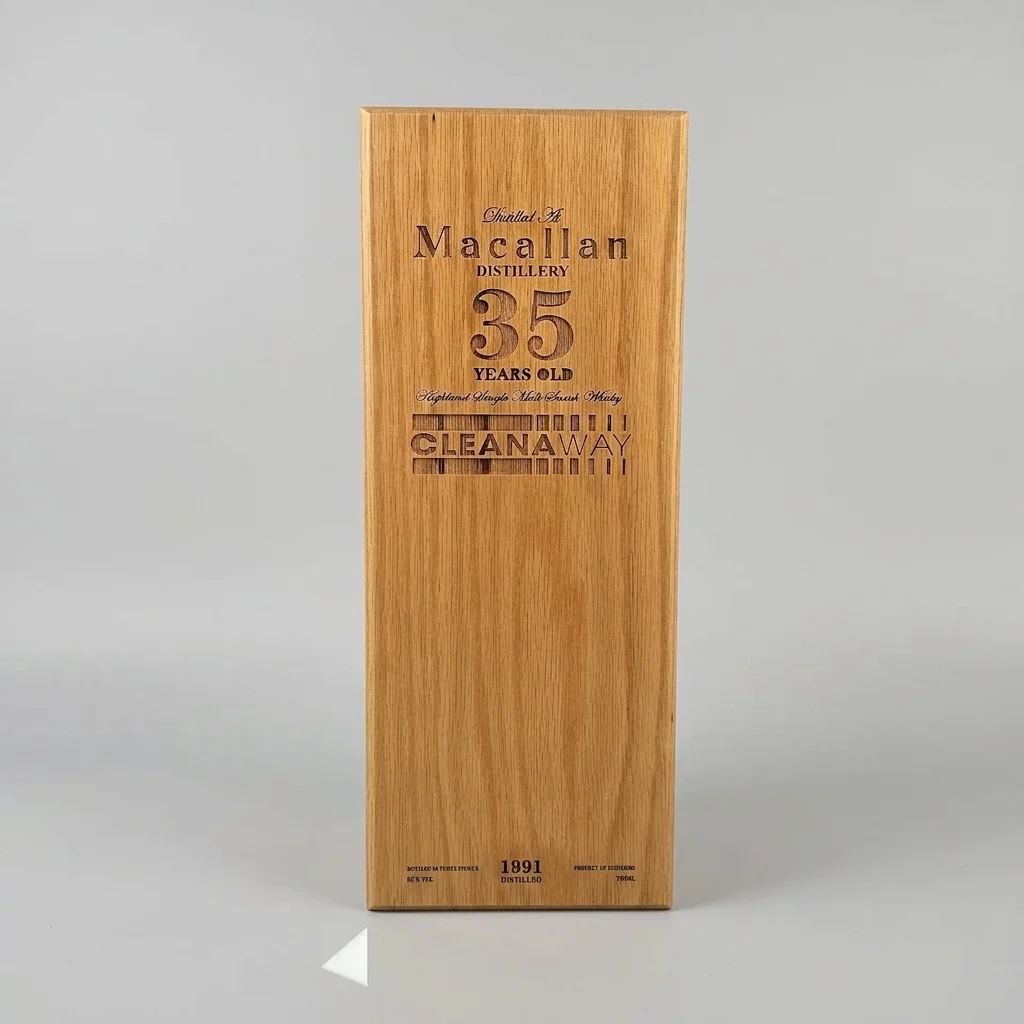
Custom Oak Whiskey Boxes Wholesale, Lacquered Solid Wood Gift Box - Manufacturer & Wholesale Supplier
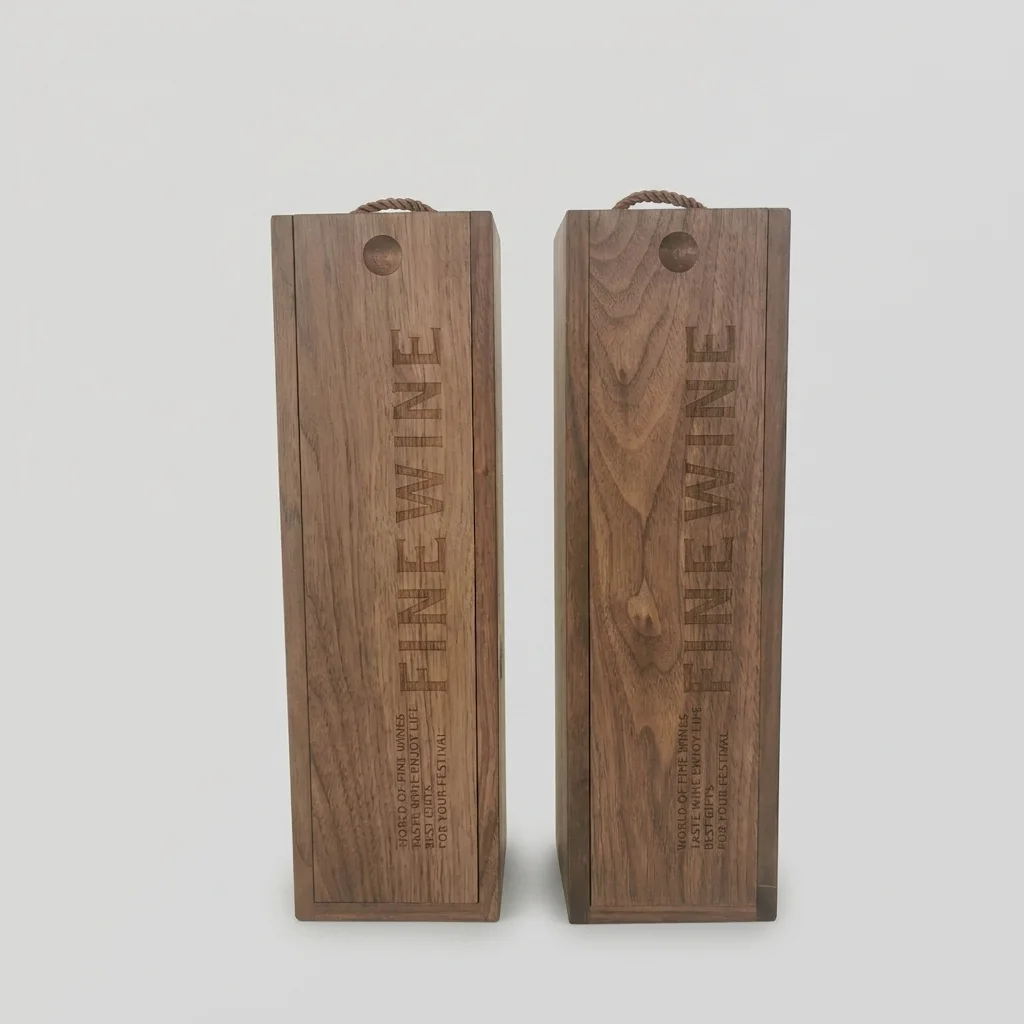
Custom Single Bottle Black Walnut Wine Gift Box - Manufacturer & Wholesale Supplier
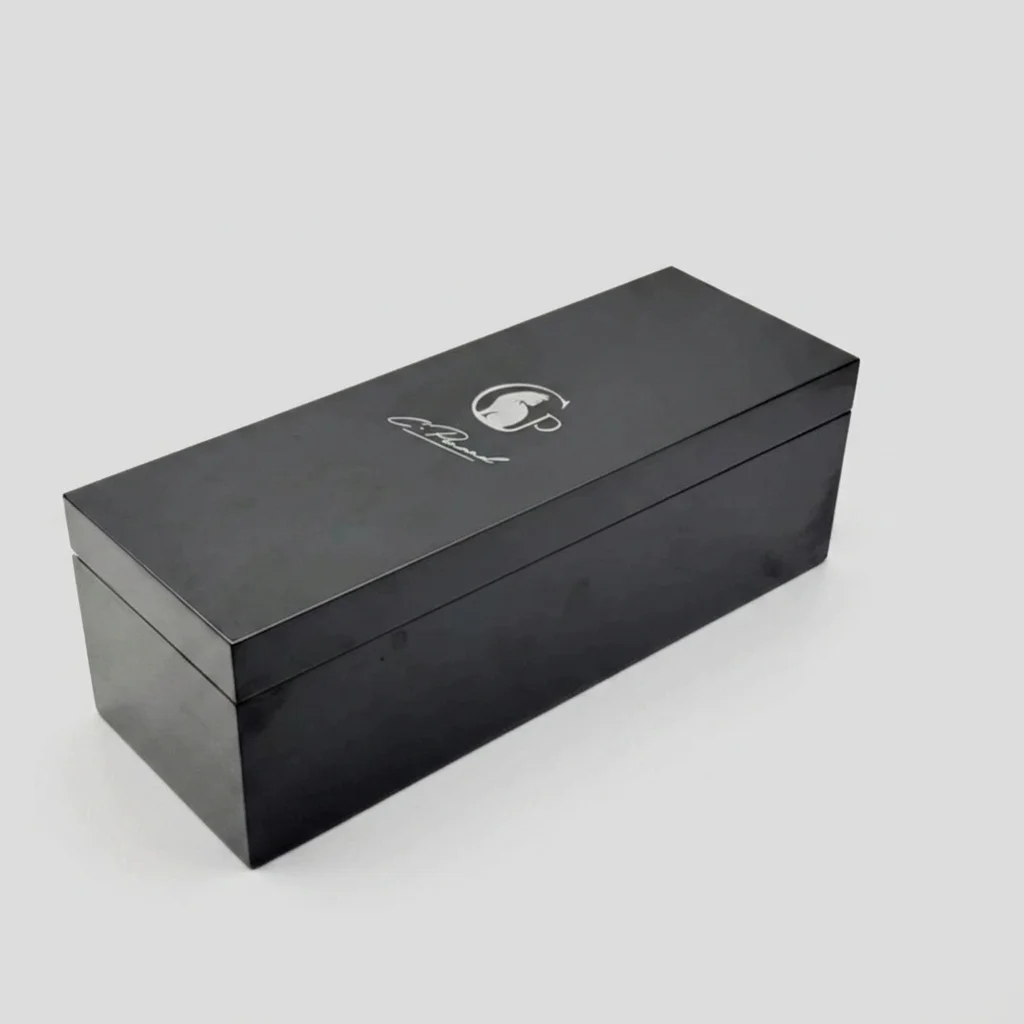
Custom High Gloss Piano Lacquer Single Bottle Wine Boxes | Manufacturer & Wholesale Supplier
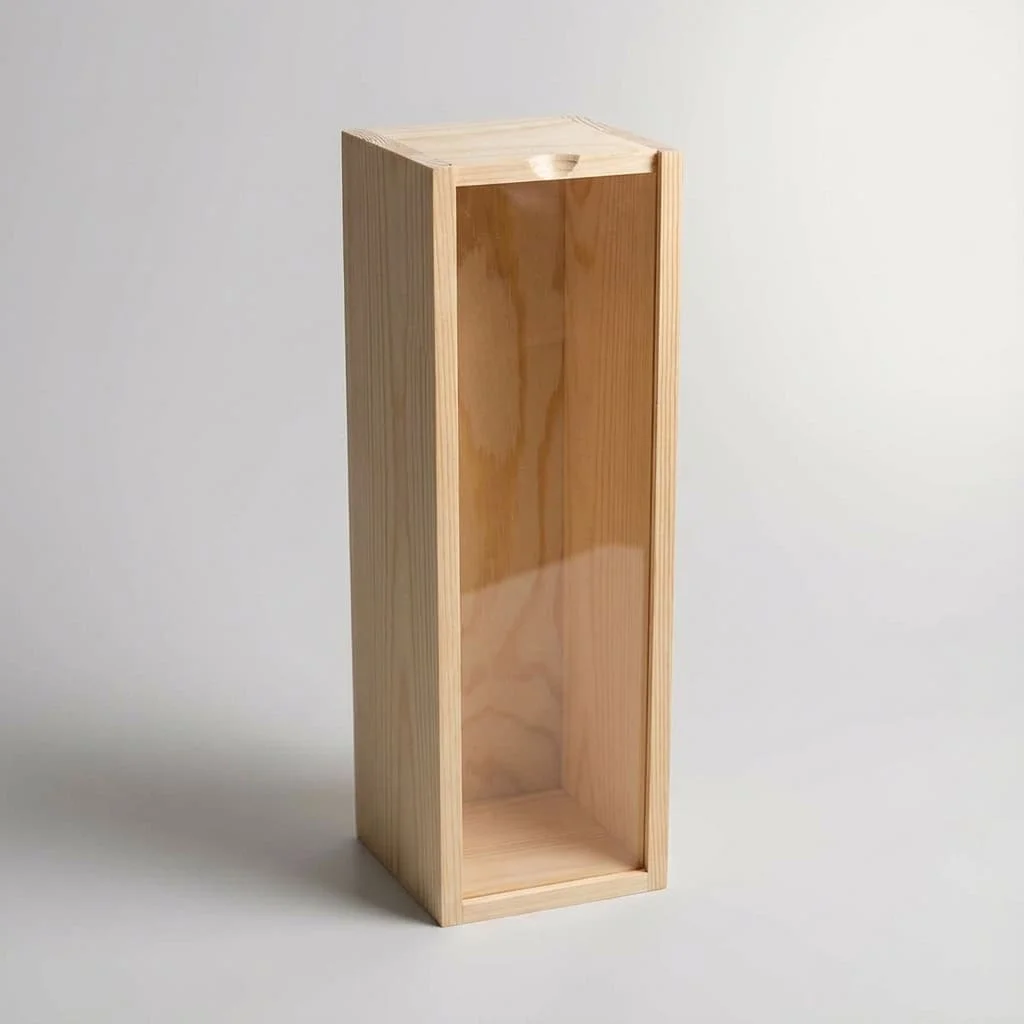
Custom Wooden Wine Gift Box Single Bottle with Acrylic Sliding Lid
Frequently Asked Questions
Q: Does the sliding lid bind or loosen with humidity changes?
Q: How does the matte finish hold up compared to a gloss lacquer finish?
Q: Can this box design accommodate bottle diameters other than a standard whiskey bottle?
Q: Is solid oak consistent in color between production batches?
Q: What interior insert options work best for shipping without damage?
Q: Can you produce a mixed order of different box sizes in one production run?
Send Us Your Requirements
Send your design, reference images, or product sample. We don't just quote a price — we respond with material recommendations, a feasibility assessment, and professional suggestions grounded in over 20 years of manufacturing experience. Expect a detailed response within 24–48 hours.
- Professional recommendations included
- Small MOQ & trial orders supported
- Worldwide shipping with export documentation