Introduction to wood material Selection
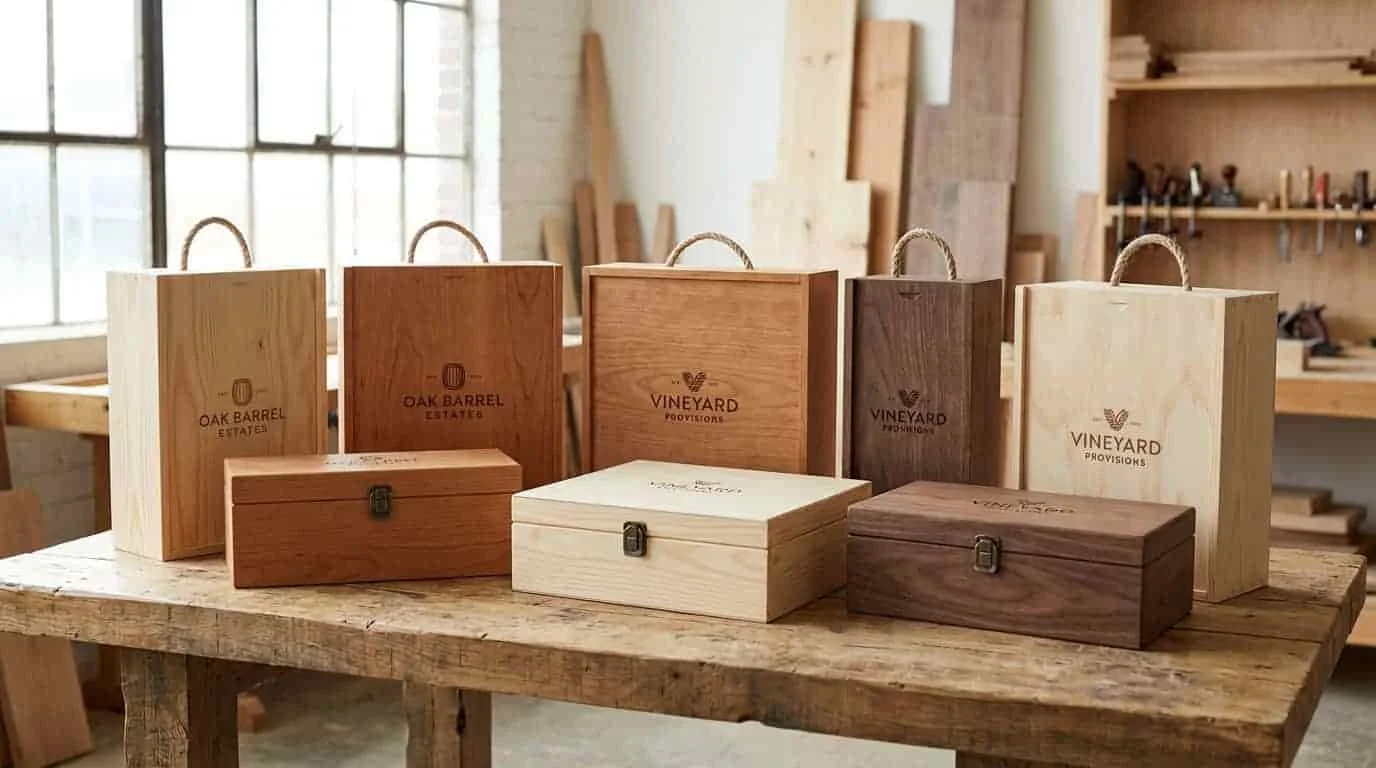
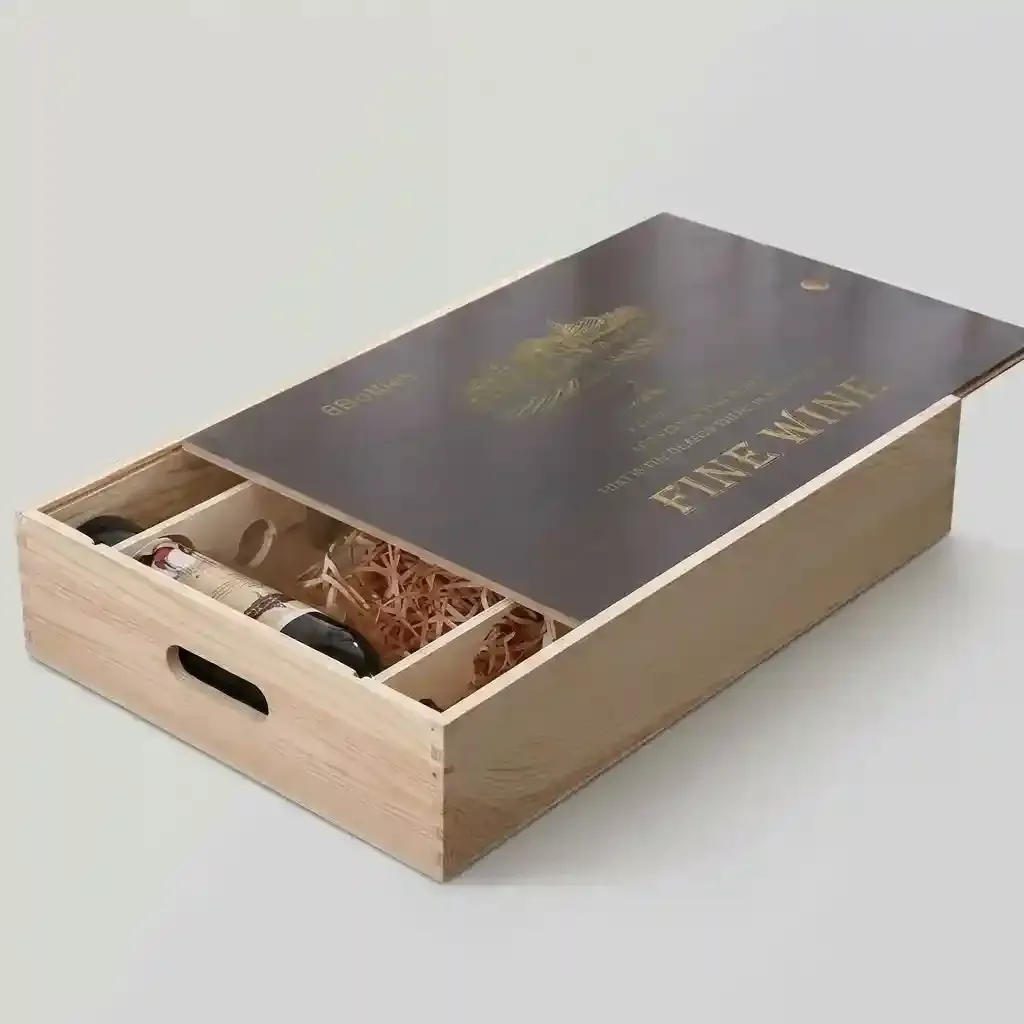
Wood continues to be one of the most widely used natural materials in global industries, according to the Food and Agriculture Organization(FAO). Wood packaging is widely used for gift boxes, wine boxes, tea boxes, and other presentation-oriented solutions. Compared with plastic or paper packaging, wooden packaging offers a natural appearance, good structural stability, and a premium visual impression that many brands prefer.
In practice, different projects require different wood material. For most wooden boxes, selecting the right wood material is usually based on factors such as appearance, texture, processing performance, and overall packaging positioning. Cost-effective wood material are often used for standard packaging boxes, while higher-grade wood material with more attractive grain patterns and smoother surfaces are commonly selected for premium packaging such as gift boxes or wine boxes.
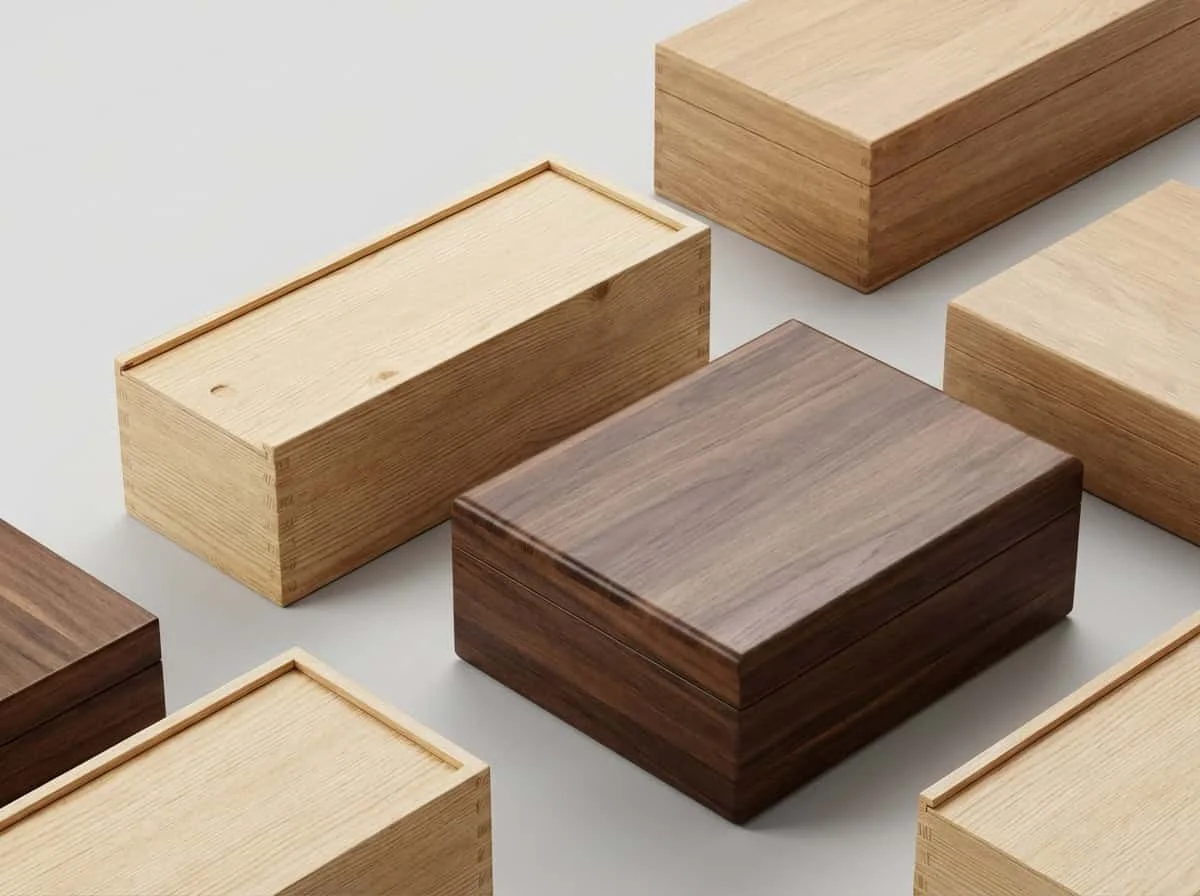
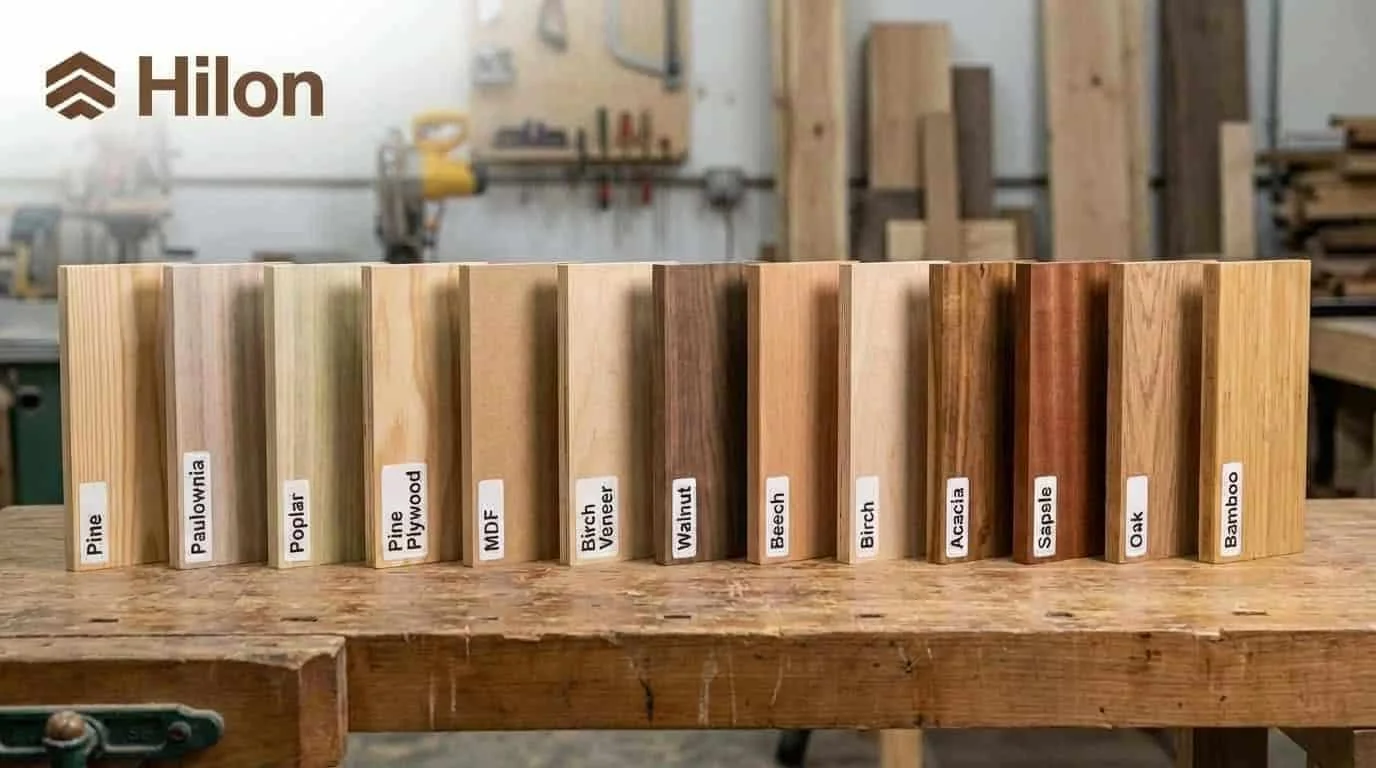
Common wood material used in wooden packaging include pine, paulownia, poplar, plywood, bamboo, and various hardwoods. Each wood material offers different characteristics in terms of grain pattern, surface quality, machinability, and finishing performance. Understanding these differences helps businesses select the most suitable wood material for their box design.
Why wood material Selection Matters
Choosing the right wood material matters because it directly affects how the box looks, how it feels in hand, how easily it can be processed, and how well it matches the intended market position. For wooden boxes, the difference between a standard box and a premium box often comes more from the wood material and finish than from the basic structure alone.
In real packaging development, selecting the most suitable wood material is usually about matching the material with the packaging goal rather than choosing the material that seems best in isolation. A pine box may be the right choice for a cost-conscious packaging program, while birch, walnut, or birch veneer may be more suitable wood material when presentation and visual appearance are higher priorities. For that reason, choosing the right wood material should be considered together with box style, finishing method, branding requirements, and target price level. When these factors are evaluated early, the wooden packaging development process tends to be more efficient and the final result more consistent with the customer’s expectations.
When businesses work with experienced manufacturers, they can often receive guidance on selecting appropriate wood material for their projects. Manufacturers with experience in customized wooden packaging can recommend suitable wood types based on product design, finishing requirements, and production efficiency. For example, manufacturers such as Hilon can assist buyers in evaluating different wood material for various applications.
By understanding how different wood material perform, buyers can select wooden solutions that balance appearance, practicality, and cost efficiency.
Common Types of wood material
wooden boxes can be manufactured using a variety of materials. The selection of a suitable wood material often depends on factors such as appearance, consistency, machining performance, and cost considerations. Some materials are commonly used for standard packaging boxes because they are easy to process and stable in production, while others may be chosen for premium packaging where visual appearance is more important.
Wood Materials for Standard Packaging Boxes
These materials are widely used for standard wooden boxes. They are generally cost-effective, easy to machine, and suitable for consistent production.
Pine
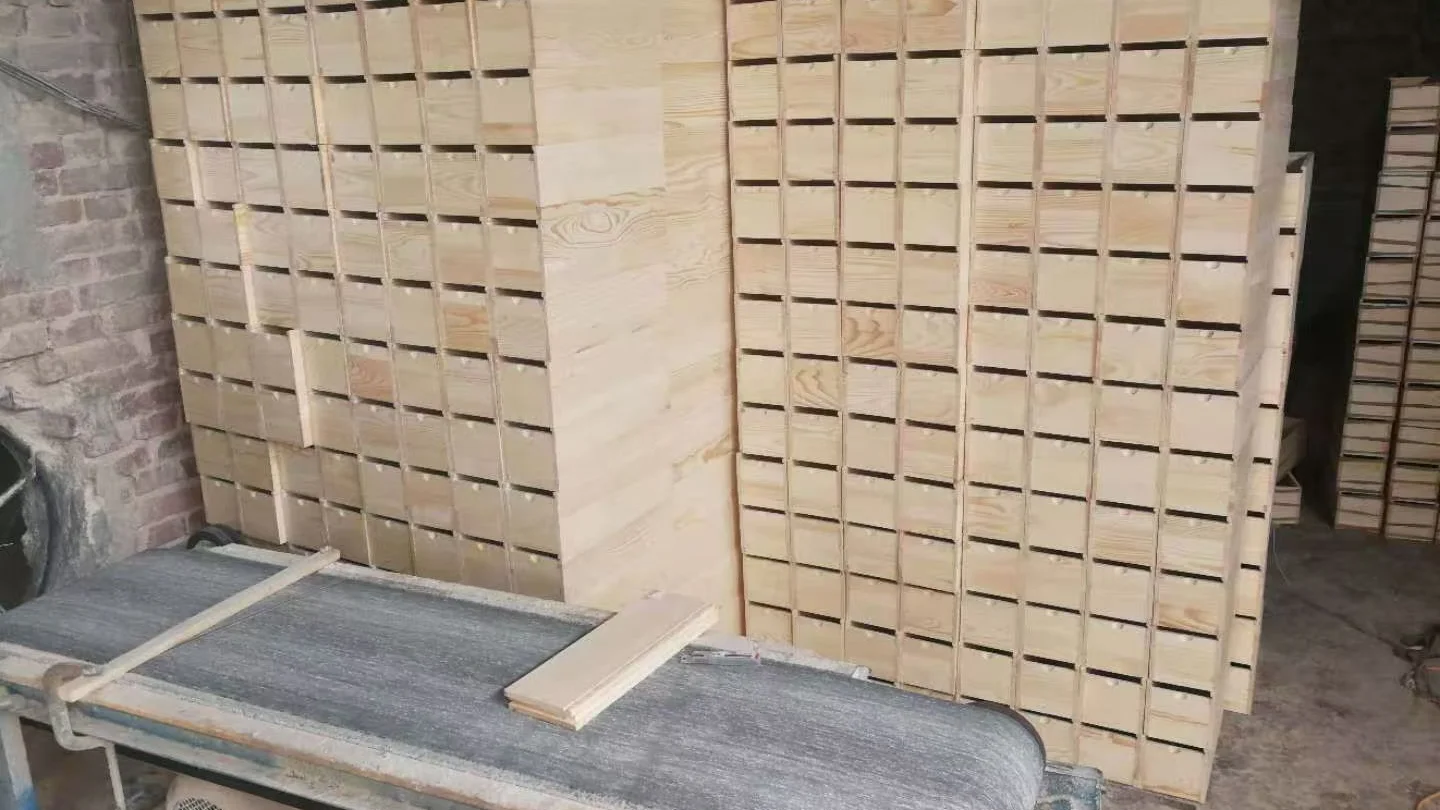
Pine is one of the most widely used wood material for wooden boxes. It is relatively easy to machine, stable in structure, and suitable for a wide range of box designs.
Pine has a natural wood grain that works well with different finishing methods such as staining, painting, or clear coating. Because it balances appearance and cost, pine is commonly used for standard packaging boxes, wine boxes, and gift boxes.
For manufacturers, pine is also practical for large-scale production because it can be cut, sanded, and assembled efficiently.
Paulownia
Paulownia is another commonly used wood material, especially for lightweight wooden boxes. The wood is relatively soft and easy to process, which makes it suitable for boxes with thinner panels or delicate structures.
Paulownia also has a clean surface that accepts different finishing treatments. It is often used in tea boxes, gift boxes, and presentation packaging where a natural appearance is desired.
Because of its stable structure and consistent texture, paulownia is widely used in many wooden applications.
Poplar
Poplar is frequently used as a wood material for wooden boxes that require a smooth surface and uniform texture. Compared with some other woods, poplar tends to have fewer visible knots, which makes it suitable for painted or coated finishes.
Poplar panels are easy to cut and shape, allowing manufacturers to produce various box styles efficiently. For this reason, poplar is often selected as a practical wood material for packaging boxes where a consistent surface finish is important.
Pine Plywood
Pine plywood is an engineered wood material made by bonding multiple thin layers of wood veneer together. Engineered wood panels such as plywood are widely used because of their stability and layered structure, as explained by APA – The Engineered Wood Association. This structure provides good dimensional stability and reduces the likelihood of warping or cracking.
Plywood panels are commonly used for box lids, larger panels, or box designs that require consistent thickness
Birch Veneer (Bentwood Boxes)
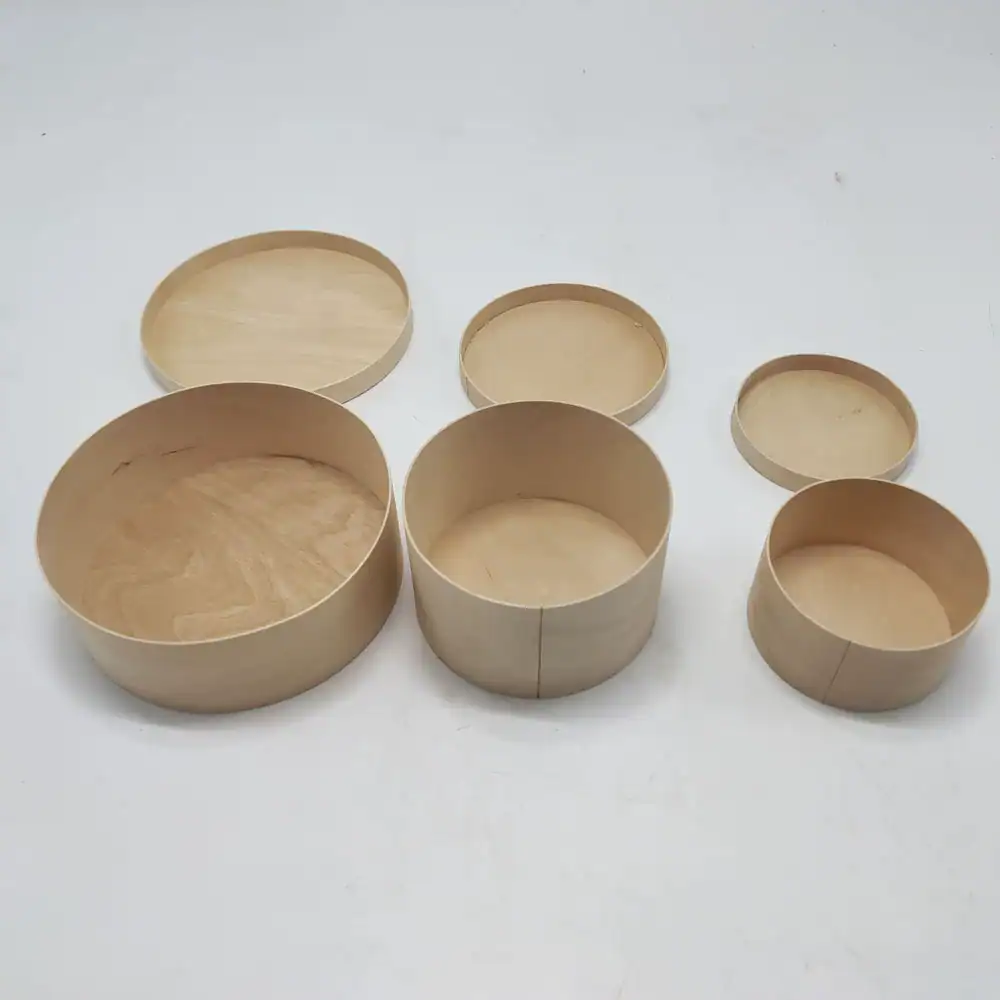
Birch veneer is frequently used to produce bentwood boxes, which are made by shaping thin layers of wood veneer into curved forms. This manufacturing method allows for lightweight yet visually appealing box designs.
Bentwood boxes are often used for tea packaging, gift packaging, and other presentation-oriented boxes. The thin veneer surface highlights the natural wood texture while allowing manufacturers to create elegant round or oval box shapes.
MDF (Medium Density Fiberboard)
MDF is a manufactured wood material made from compressed wood fibers bonded with resin. Medium Density Fiberboard is one of the most widely used engineered wood panels in manufacturing, according to the Composite Panel Association. It provides a very smooth and uniform surface, which makes it particularly suitable for painted finishes, printed graphics, or laminated surfaces.
For wooden boxes that require a clean and consistent appearance, MDF can be a practical material choice.
Wood Materials for Premium Wooden Packaging
For premium wooden boxes, selecting the right wood material often focuses more on visual appearance, surface texture, and perceived value. Compared with standard wood material, premium woods typically offer finer grain patterns, smoother surfaces, and a more distinctive natural look.
These wood materials are often chosen for packaging where presentation plays an important role, such as gift boxes, luxury product packaging, and branded retail packaging. In many cases, the wood material itself becomes an important design element because the natural wood grain and color help create a more refined packaging appearance.
The following wood material are commonly used in premium wooden boxes.
Walnut
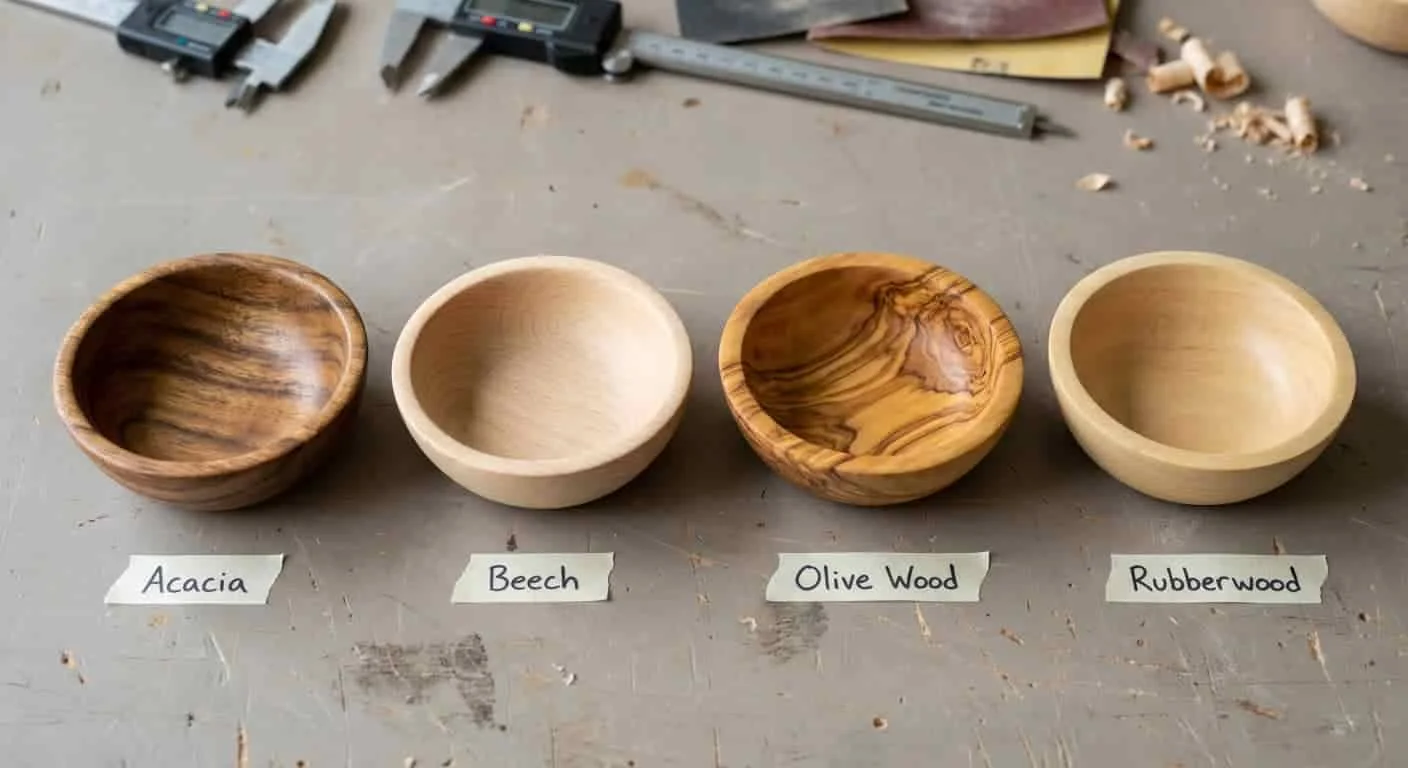
Walnut is a premium wood material often used for high-end wooden boxes. It typically features a rich, dark tone and smooth grain structure, which gives packaging boxes a refined and sophisticated look.
Walnut is commonly selected for luxury packaging where visual impact and perceived product value are important. It is frequently used for premium gift boxes, collector packaging, and high-end presentation cases where packaging appearance plays an important role..
Beech
Beech wood has a fine and uniform texture, making it suitable for packaging boxes that require a clean and smooth appearance. Its relatively even grain structure also allows it to accept stains and finishes consistently.
Because of its balanced properties and neutral appearance, beech is often used in premium wooden box designs where a refined yet natural look is desired.
Birch
Birch is widely used in wooden boxes because of its light color and fine, uniform grain. The wood provides a clean and smooth surface, making it suitable for different finishing methods such as staining, painting, or clear coating.
Because of its consistent texture and good machining performance, birch is commonly used in wooden boxes where both appearance and production consistency are important. It is often chosen for gift boxes, retail packaging, and other presentation-oriented box designs.
Acacia
Acacia wood is valued for its durability and attractive natural grain patterns. The wood often displays varied tones and textures, which can add a distinctive visual character to wooden boxes.
Because of its strength and decorative appearance, acacia is sometimes used in box designs that aim to combine natural aesthetics with durability.
Oak
Oak is widely recognized for its strong grain pattern and durable structure. Its natural texture gives wooden boxes a classic and high-quality appearance.
Because of its distinctive grain and good finishing performance, oak is often used for wine packaging boxes, gift boxes, and premium presentation packaging. The material also responds well to staining, which allows manufacturers to create different color tones while preserving the natural wood texture.
Sapele
Sapele is a hardwood known for its warm reddish-brown color and consistent grain structure. It provides a refined appearance that works well for premium wooden packaging.
In box design, sapele is often chosen when a darker tone and elegant visual effect are desired. The wood also performs well with clear finishes that highlight its natural grain.
Bamboo Used in Packaging Boxes
Although bamboo is technically a grass rather than a traditional wood species, it is widely used as a natural material for packaging boxes. Bamboo offers a distinctive appearance and is often associated with natural or eco-conscious product positioning.
Bamboo packaging boxes are commonly used for tea packaging, gift packaging, and certain retail products. The material has a clean, natural appearance and can be processed into solid bamboo panels or laminated bamboo boards.
Because of its recognizable texture and natural aesthetic, bamboo is often chosen when brands want packaging that conveys a more organic or environmentally friendly image.
How to Choose the Right wood material
Selecting the right wood material depends on several practical factors, including the intended packaging style, visual appearance, production feasibility, and overall cost considerations. For wooden boxes such as gift boxes, wine boxes, or retail packaging, the material choice often influences both the final appearance and the manufacturing process.
Understanding these factors can help buyers choose materials that align with product positioning, box design, and budget requirements.
Packaging Positioning (Standard vs Premium)
One of the first considerations when selecting a wood material is the intended positioning of the packaging. Wooden boxes are often developed either as standard solutions or as premium presentation packaging.
Standard packaging boxes typically prioritize practicality and cost efficiency. Materials such as pine, paulownia, poplar, or pine plywood are commonly used because they are easy to process and suitable for consistent production.
Premium packaging, on the other hand, usually focuses more on visual appeal and perceived product value. Hardwood materials such as walnut, oak, beech, or acacia may be selected because of their distinctive grain patterns and refined appearance.
Clearly defining whether the packaging is intended as a standard box or a premium presentation box can help narrow down the most appropriate material options.
Surface Appearance and Wood Grain
The visual appearance of the wood is another important factor when choosing a wood material. Different wood species vary in grain pattern, color tone, and surface texture, all of which influence the final look of the box.
For example, woods like walnut and sapele offer darker tones and more dramatic grain patterns, which can give packaging a richer and more sophisticated appearance. Lighter woods such as birch or beech provide a cleaner and more neutral look that works well with painted or stained finishes.
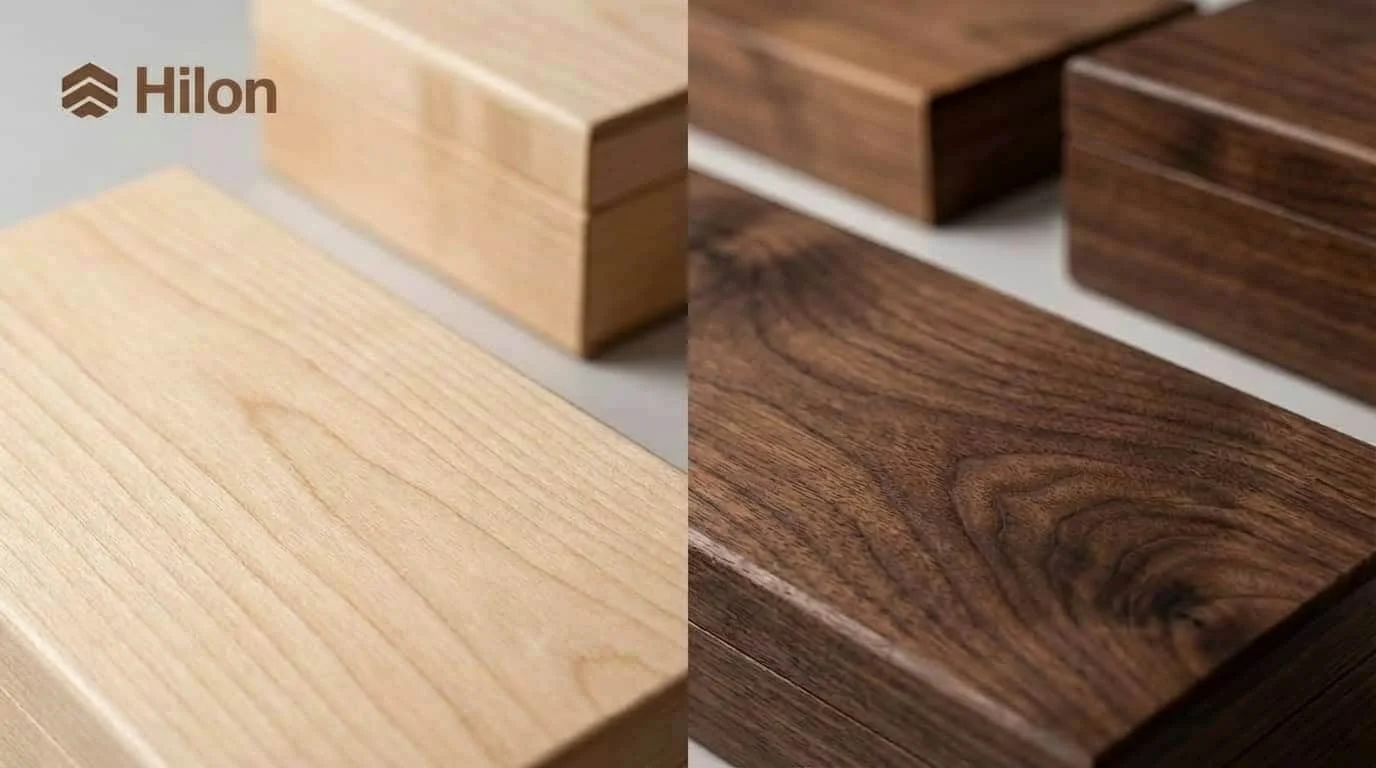
When box design emphasizes natural aesthetics, the wood grain itself often becomes a key visual element. In these cases, selecting a material with an attractive and consistent grain pattern can significantly enhance the overall presentation of the packaging.
Processing and Manufacturing Considerations
Another practical factor when selecting a wood material is how easily the material can be processed during manufacturing.
Some materials are easier to cut, shape, and assemble, which helps improve production efficiency and maintain consistent quality across larger orders. Materials like pine, paulownia, and poplar are often favored for their machinability and stable processing characteristics.
Engineered materials such as MDF or plywood can also be useful when box designs require consistent panel thickness or smooth surfaces for finishing and printing.
Considering the manufacturing process early in the design stage can help ensure that the selected material works well with the intended box structure and finishing methods.
Cost Considerations
Cost is naturally an important factor when choosing a wood material. Different wood species vary significantly in price depending on availability, processing requirements, and overall market demand.
For large production runs, cost-effective materials such as pine, paulownia, or poplar are often preferred because they balance affordability with reliable performance. Premium hardwoods such as walnut or oak may increase material costs but can provide a stronger visual impact for high-end packaging.
In many projects, the goal is not simply to choose the least expensive material but to select one that provides the best balance between appearance, functionality, and budget. By aligning material choice with packaging objectives, businesses can achieve both practical and aesthetic solutions.
Typical Applications of Different wood material
Different wood material are used for different types of packaging boxes depending on product positioning, appearance requirements, and box design. In many cases, the choice of material is closely related to the product category and the visual effect the brand wants to achieve.
Below are several common applications of wooden boxes and the materials typically used in these box designs.
Gift Boxes
Wooden gift boxes are widely used for packaging premium products such as specialty foods, promotional gifts, and seasonal gift sets. In this type of packaging, the visual appearance of the box is often just as important as the product inside.
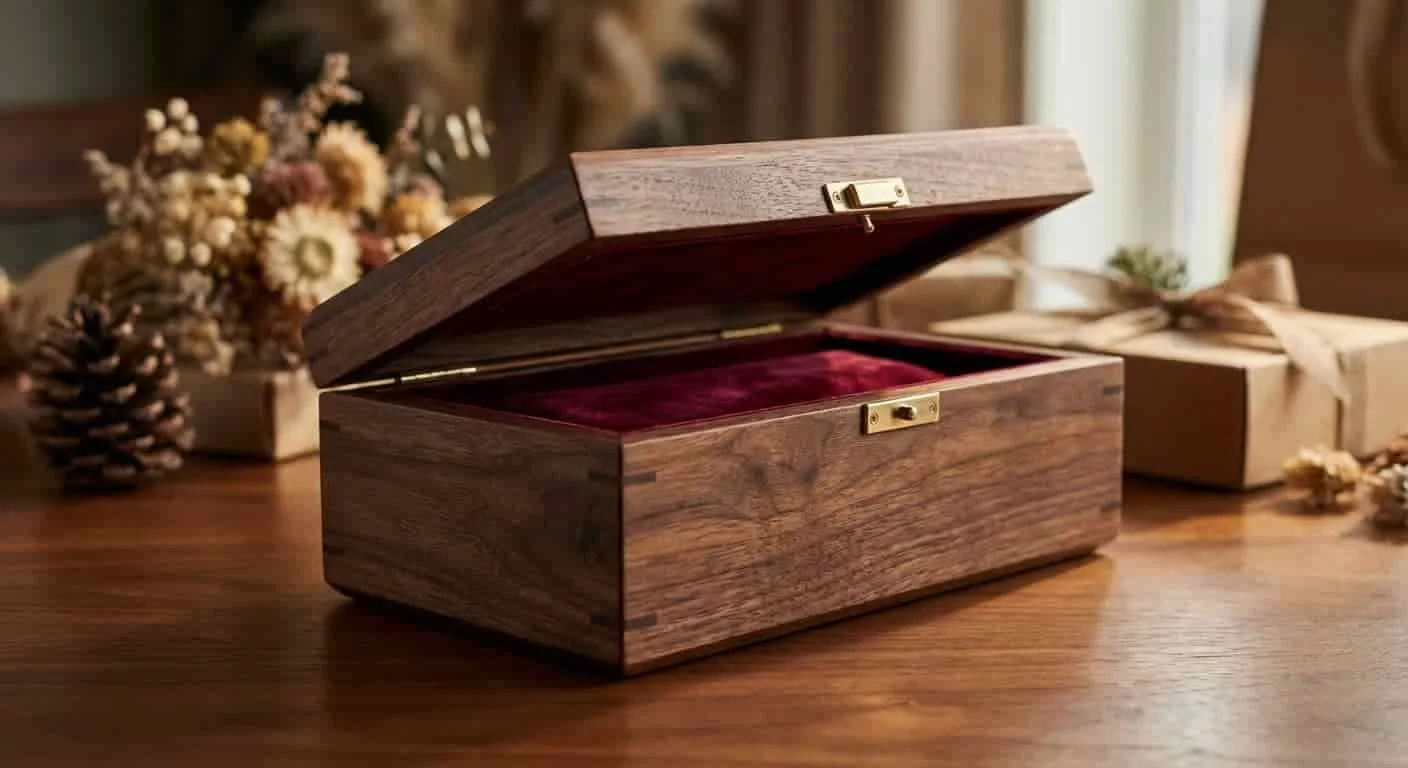
Materials such as walnut, oak, beech, or birch are often used because they provide attractive natural grain patterns and a refined appearance. For gift boxes that require painting or colored finishes, materials like MDF or poplar may also be used because they provide smooth surfaces suitable for finishing.
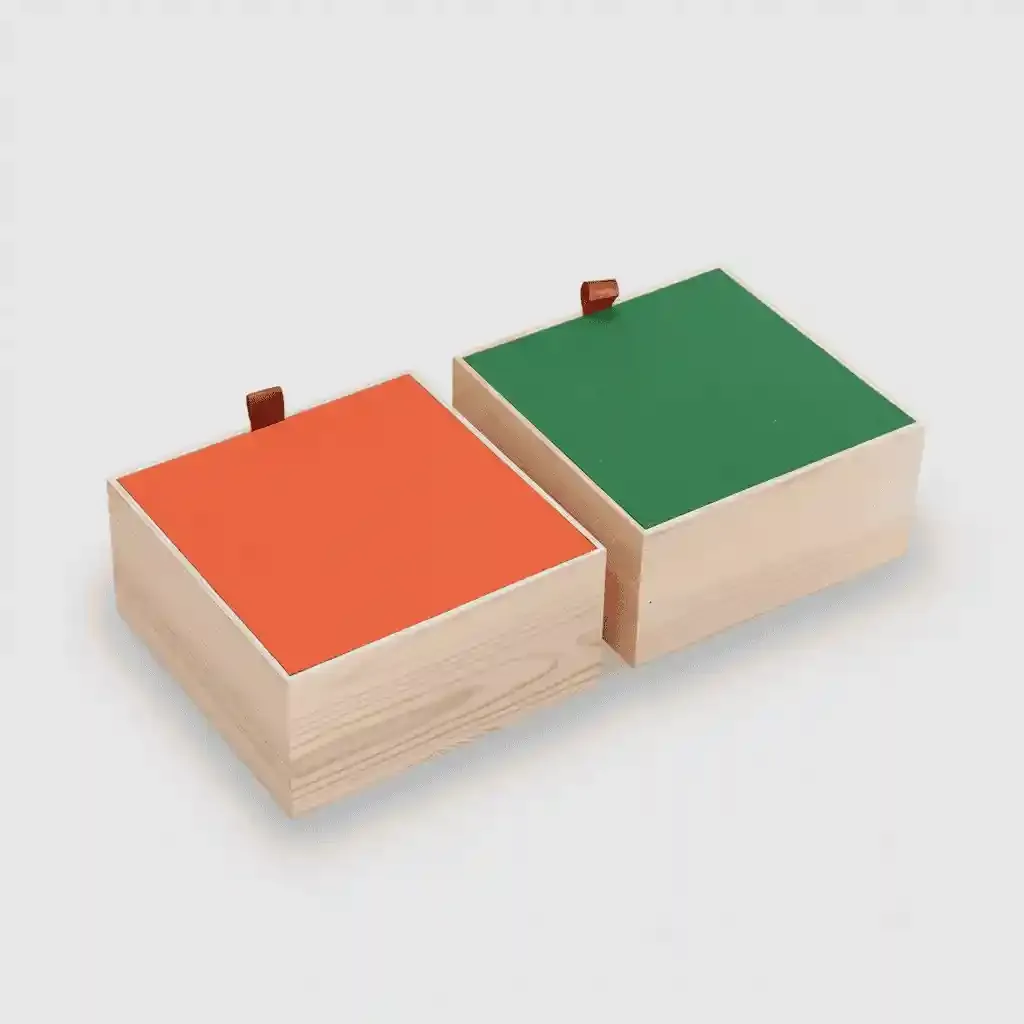
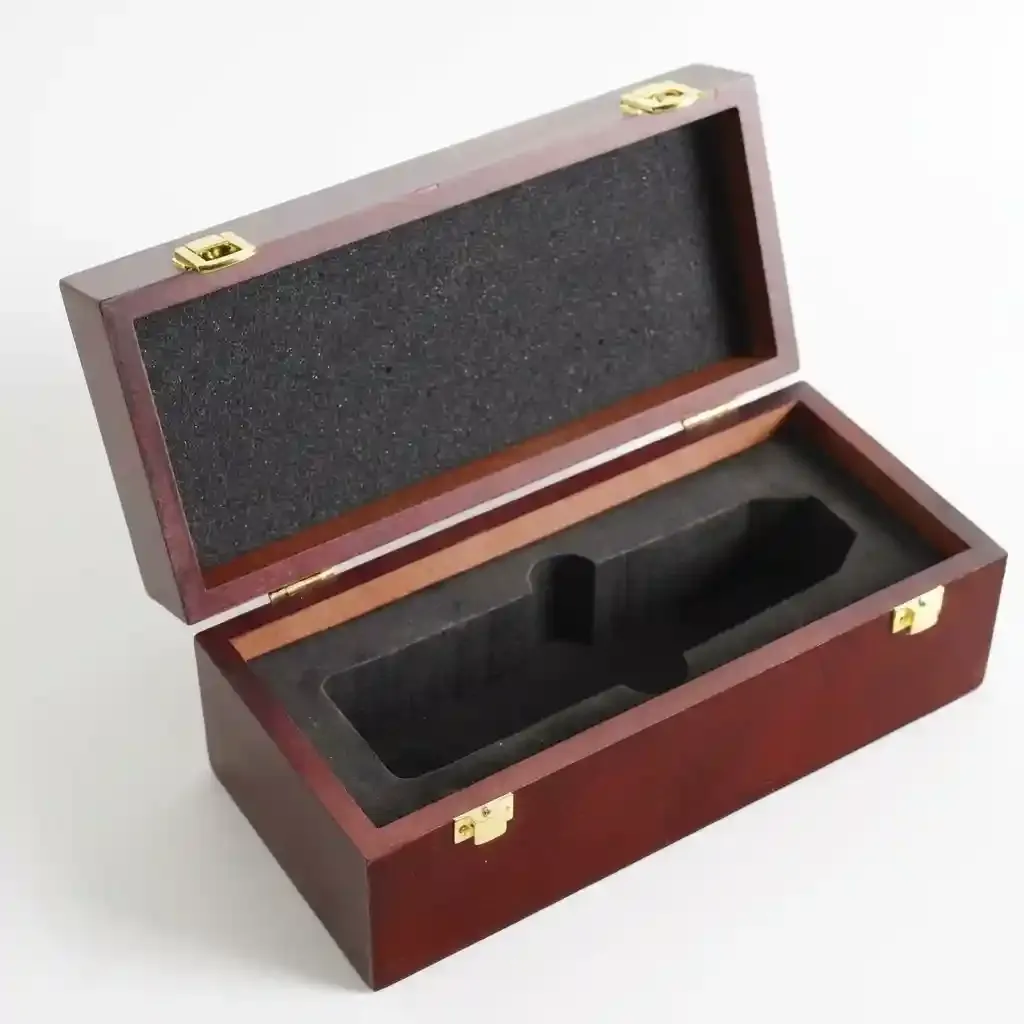
Wooden gift boxes are commonly designed with hinged lids, sliding lids, or lift-off lids, depending on the intended presentation and user experience.
Wine Packaging Boxes
Wooden wine packaging boxes are commonly used by wineries, gift retailers, and promotional brands. These boxes not only protect the bottle but also serve as a presentation package that enhances the perceived value of the wine.
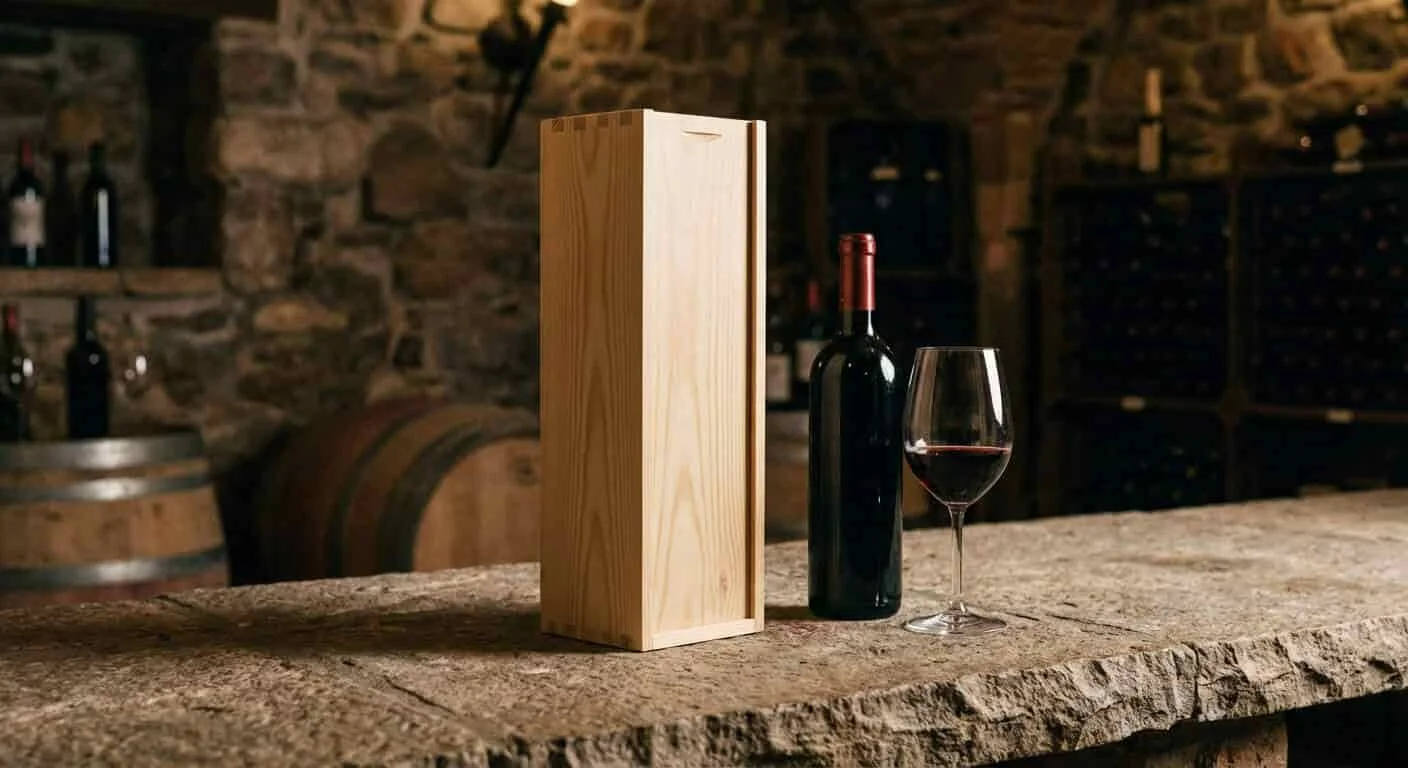
Materials such as pine, paulownia, and pine plywood are frequently used for wine boxes due to their good machinability and cost efficiency. For premium wine packaging, hardwood materials such as oak or walnut may be selected to create a more luxurious appearance.
Wine boxes often include internal inserts or partitions to hold one or more bottles securely while maintaining an attractive presentation.
Tea Packaging Boxes
Tea packaging boxes often emphasize natural aesthetics and a refined presentation. Wooden tea boxes are widely used for premium loose-leaf tea, tea gift sets, and specialty tea collections.
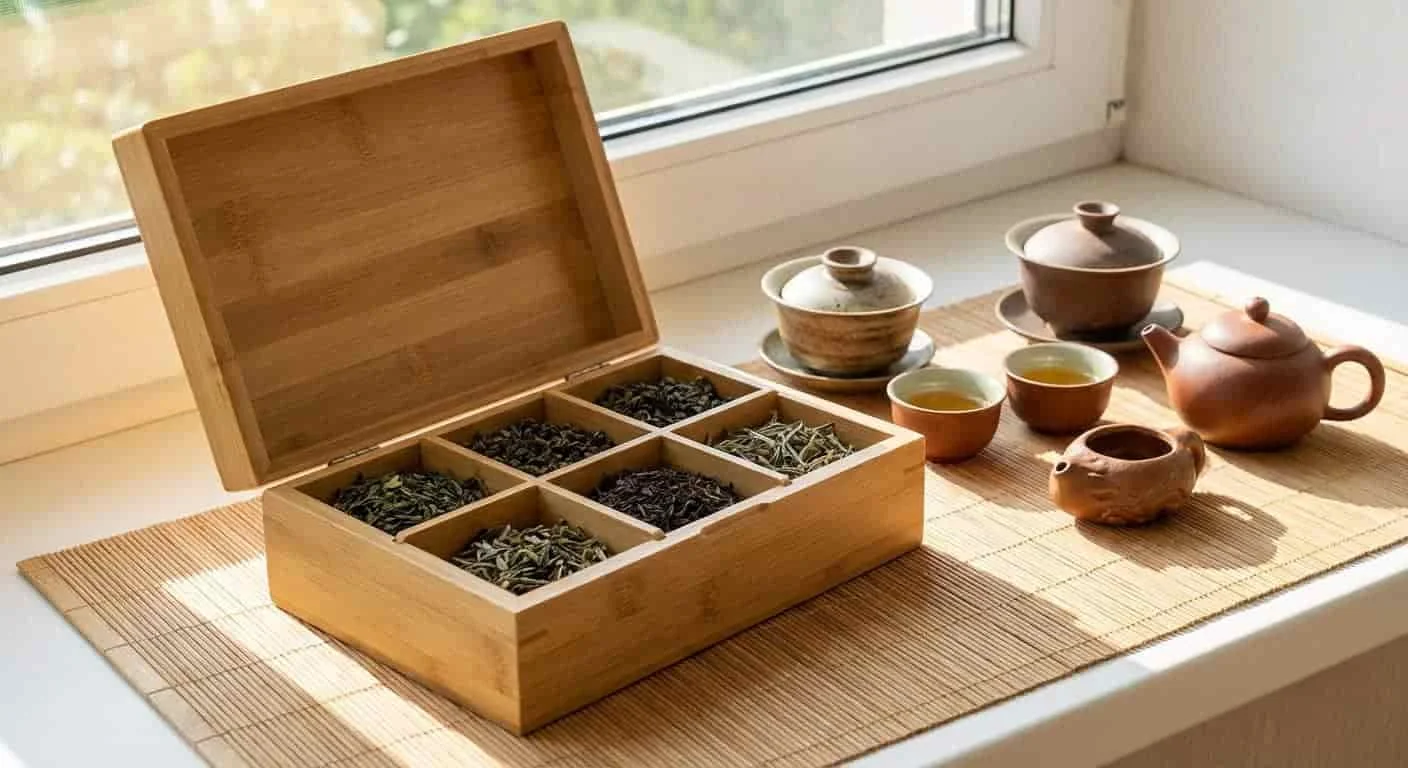
Materials such as paulownia, bamboo, birch veneer, or beech are commonly used for tea packaging boxes because they offer a clean and natural appearance. Bamboo boxes are particularly popular in tea packaging due to their association with traditional tea culture and natural materials.
Many tea boxes include internal compartments to organize different tea varieties while maintaining an elegant presentation.
Cosmetic and Retail Packaging
wooden boxes are also used for cosmetics, skincare products, fragrances, and other retail items where box design plays an important role in brand presentation.
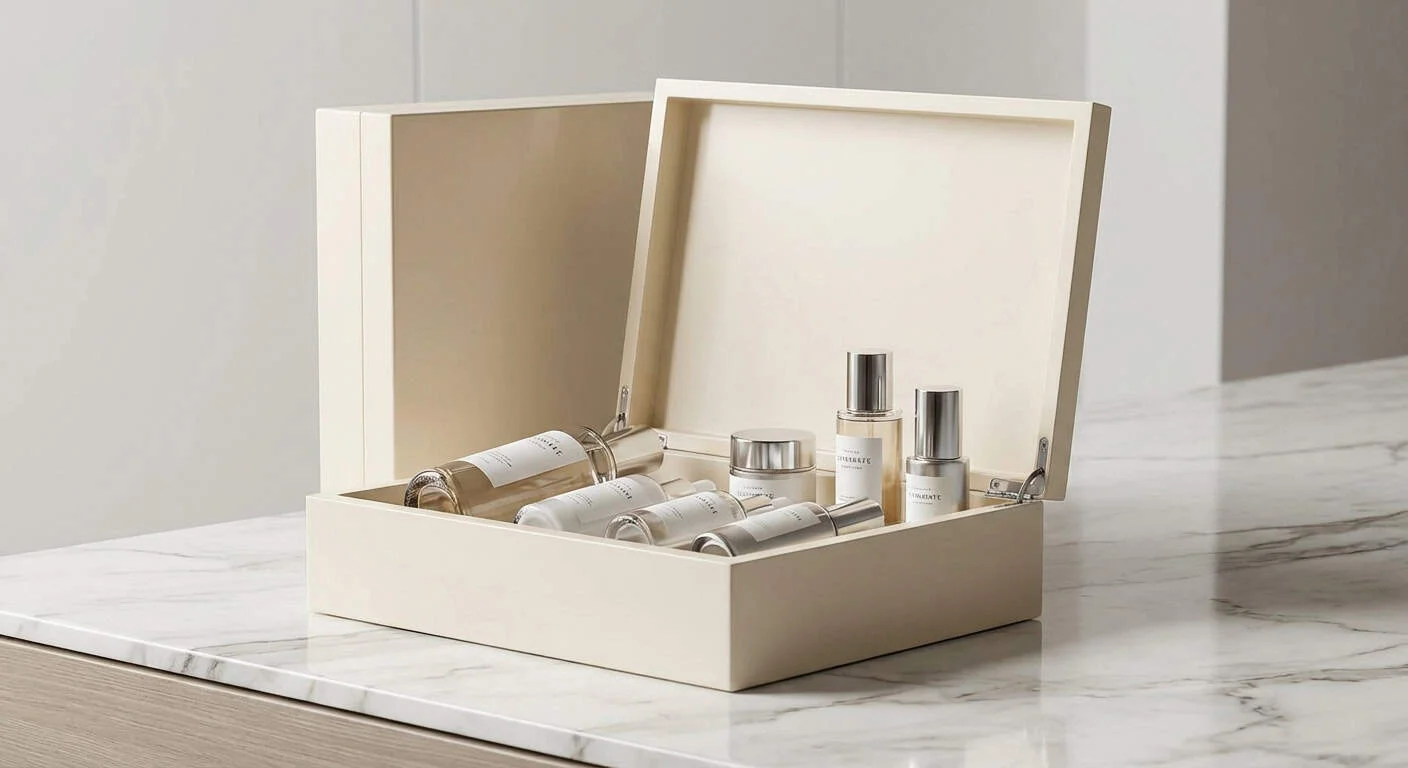
For these applications, materials with smooth surfaces and consistent texture are often preferred. Birch, MDF, or poplar may be used when the packaging requires painted finishes, printed branding, or decorative coatings.
In some cases, hardwood materials such as walnut or sapele are selected to create a premium retail packaging experience, particularly for limited edition products or luxury product lines.
Wooden packaging can help brands create packaging that feels distinctive and durable while supporting a natural or premium brand image.
Working with a Manufacturer to Select wood material
In many projects, selecting the most suitable wood material is often easier when buyers work closely with an experienced manufacturer. Manufacturers who specialize in wooden boxes usually have practical knowledge of different materials, including their machining characteristics, finishing performance, and suitability for various box structures.
During the early stage of a project, buyers typically provide basic information such as product type, box dimensions, packaging style, and the desired visual effect. Based on these requirements, the manufacturer can suggest appropriate material options that balance appearance, production feasibility, and cost considerations.
Manufacturers may also recommend different materials depending on the box structure. Certain woods perform better for sliding lid boxes, hinged gift boxes, or round bentwood boxes made from birch veneer. Reviewing material samples and finishing options during the sampling stage can help ensure the selected material meets both design and production requirements.
Working collaboratively with a manufacturer helps simplify the material selection process and allows buyers to choose a wood material that aligns with the intended box design and product positioning.
Conclusion
Selecting the appropriate wood material is an important step when developing wooden boxes. Different materials offer different characteristics in terms of appearance, texture, processing performance, and cost. Understanding these differences helps buyers choose materials that align with the intended packaging style and product positioning.
For many projects, the decision often comes down to whether the packaging is designed for standard use or for premium presentation. Materials such as pine, paulownia, poplar, or MDF are commonly used for standard packaging boxes because they are practical and easy to manufacture. Hardwood materials like walnut, oak, beech, or acacia are often selected when the packaging requires a more refined appearance and stronger visual impact.
Other materials, including birch veneer used in bentwood boxes or bamboo used in natural-style packaging, may also be selected depending on the box design and brand positioning.
By considering factors such as packaging positioning, surface appearance, manufacturing feasibility, and cost, businesses can choose a wood material that supports both functional requirements and the desired packaging presentation.
Frequently Asked Questions About wood material
1. What is the most commonly used wood material?
Several materials are widely used for wooden boxes, depending on the packaging style and production requirements. Pine, paulownia, and poplar are among the most commonly used materials for standard packaging boxes because they are relatively easy to process and suitable for consistent manufacturing.
For premium wooden packaging, hardwood materials such as walnut, oak, or beech are also frequently used due to their distinctive grain patterns and refined appearance.
2. What wood is best for wooden boxes?
There is no single wood that is universally considered the best for all wooden boxes. The most suitable material depends on the packaging purpose, visual design, and cost considerations.
For standard packaging boxes, materials like pine or paulownia are often selected for their practicality and machining performance. For premium packaging boxes where appearance is a key factor, materials such as walnut, oak, or birch may be preferred.
3. Is plywood suitable for wooden boxes?
Yes, plywood can be suitable for certain wooden boxes. Plywood is an engineered wood material made by bonding thin layers of wood veneer together, which provides good dimensional stability.
In packaging boxes, plywood is often used for larger panels, box lids, or designs that require consistent thickness and structural stability. Birch plywood, in particular, is sometimes chosen for packaging boxes that require smooth surfaces for finishing or printing.
4. What wood is commonly used for wine boxes?
Wine packaging boxes are commonly made from pine, paulownia, or plywood because these materials are easy to machine and suitable for box structures that hold one or more bottles.
For premium wine packaging boxes, hardwood materials such as oak or walnut may also be used to create a more distinctive and high-quality presentation.
5. What is the difference between solid wood and plywood packaging?
Solid wood packaging is made from natural wood boards such as pine, walnut, or oak. It typically highlights the natural wood grain and texture, which can give packaging boxes a more traditional and natural appearance.
Plywood packaging, on the other hand, is made from multiple layers of thin wood veneer bonded together. This layered structure provides good stability and reduces the risk of warping.
Both solid wood and plywood can be suitable for wooden boxes, depending on the design, finishing requirements, and production considerations.
Discuss Your Wooden project
If you are planning to develop custom wooden boxes, selecting the right material is often easier with guidance from an experienced manufacturer.
At Hilon, we work with businesses to develop wooden solutions for gift boxes, wine boxes, tea boxes, and retail packaging. Our team can help evaluate suitable wood material, review box designs, and support the development process from sampling to production.
If you would like to discuss your project or explore possible solutions, pls visit our Custom Wooden Boxes page, Customization page, or contact us at [email protected], or simply fill out the contact form below.