Getting Started
When it comes to presenting a fine vintage or creating a memorable corporate gift, the packaging speaks volumes before the bottle is even opened. For wineries, luxury brands, and gift retailers, sourcing custom wooden wine boxes is a critical step in defining their product’s perceived value. However, transforming a brilliant packaging concept into a flawless physical product requires more than just a good idea; it demands precise, clear, and comprehensive communication with your manufacturing partner. Misunderstandings regarding dimensions, wood species, or finishing details can lead to costly delays, wasted materials, and a final product that fails to meet your expectations.
For brands exploring OEM wooden wine boxes for wine brands, clear communication with your manufacturing partner is essential. In the world of custom wood manufacturing, clarity is the foundation of quality. Whether you are ordering a small batch of personalized wine boxes for a special event or seeking wholesale wooden wine packaging solutions for your entire product line, knowing exactly how to articulate your needs is essential. This comprehensive guide is designed to bridge the gap between your vision and the manufacturer’s workbench. We will explore the critical details you need to define, from selecting the right materials and ensuring accurate wine box dimensions to choosing the perfect hardware and interior inserts.
By understanding the technical aspects of wine packaging design and learning how to structure your inquiries, you can streamline the production process, avoid common pitfalls, and ensure that your final custom wooden wine boxes perfectly reflect your brand’s commitment to excellence. Let us delve into the essential steps for communicating your requirements clearly and effectively.
The Enduring Appeal of Custom Wooden Wine Gift Boxes
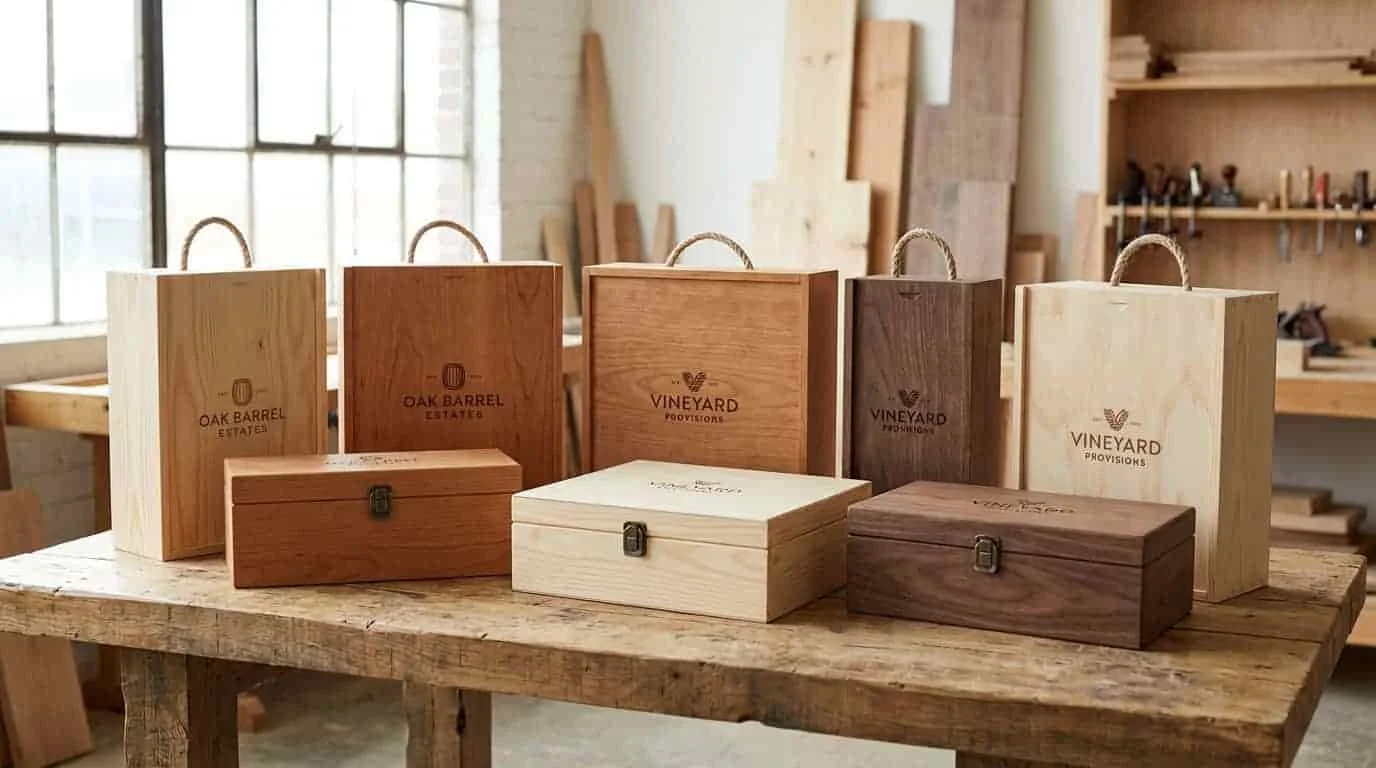
Before diving into the technicalities of ordering, it is important to understand why custom wooden wine boxes remain the gold standard for premium beverage presentation. Wood possesses an inherent warmth, weight, and tactile quality that cardboard or tin simply cannot replicate. This natural appeal makes wood wine gift boxes a preferred choice for brands looking to make a lasting impression.
Elevating Brand Image with Bespoke Wine Packaging
In a crowded marketplace, differentiation is key. Bespoke wine packaging allows brands to tell their story through tactile materials and visual design. When a customer receives a bottle housed in a beautifully crafted wooden box, the perceived value of the wine increases significantly. The packaging becomes a keepsake, often repurposed by the recipient, which extends brand visibility long after the wine has been consumed. By investing in high-quality custom wooden wine boxes, you are signaling to your customers that the product inside is of exceptional quality, thereby reinforcing brand loyalty and prestige.
Protecting Fine Wines During Shipping and Storage
Beyond aesthetics, custom wooden wine boxes serve a highly functional purpose: protection. Wine bottles are fragile, and fine wines are often sensitive to light and temperature fluctuations. Solid wood provides excellent structural integrity, shielding the glass from impacts during transit. Furthermore, wood acts as a natural insulator, offering a degree of protection against sudden temperature changes. When paired with the right interior inserts, custom wine crates ensure that the bottles remain secure, minimizing the risk of breakage and preserving the integrity of the wine from the vineyard to the consumer’s glass.
Crafting Unforgettable Experiences with Personalized Wine Cases
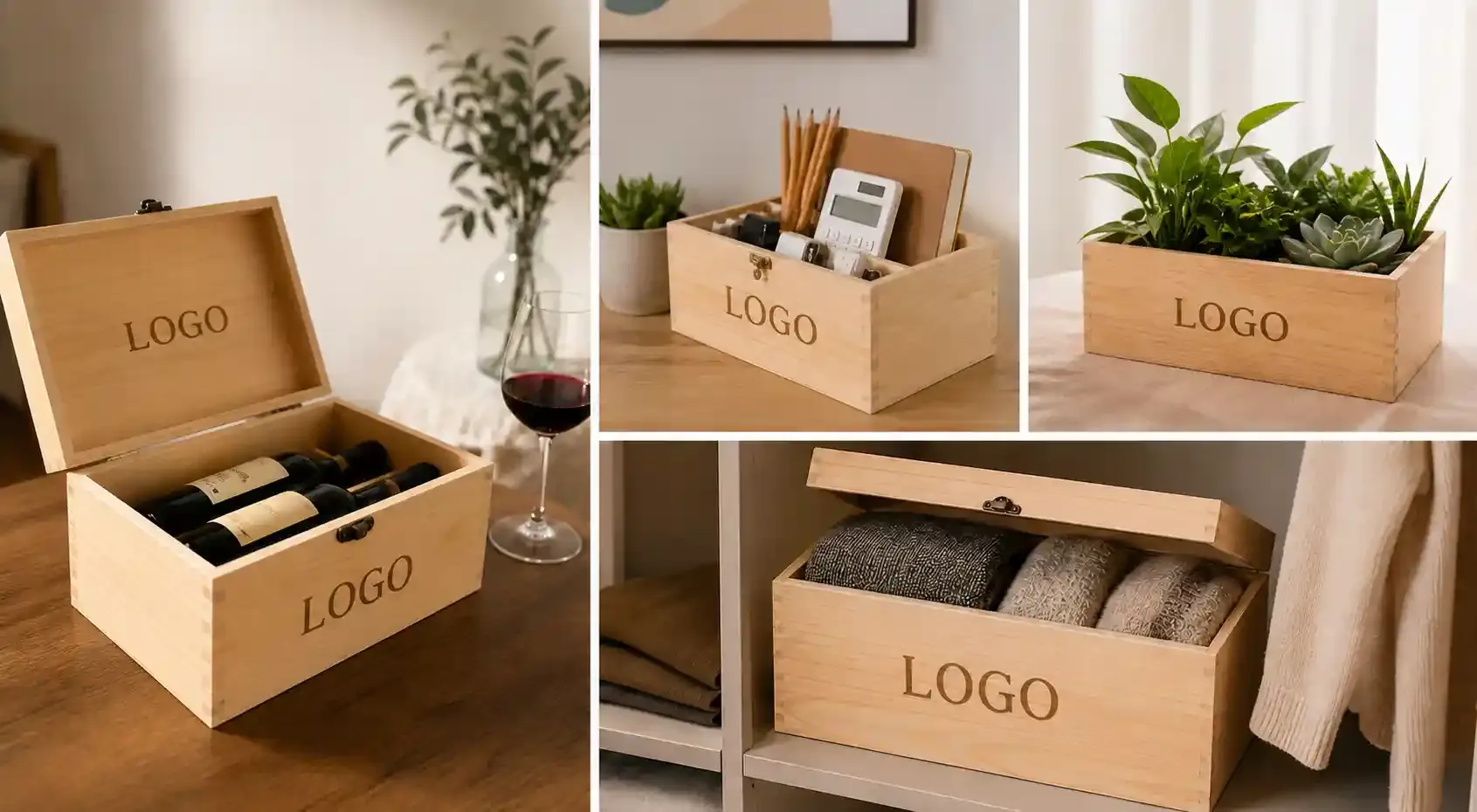
Personalization transforms a standard gift into a cherished memento. Personalized wine boxes are incredibly popular for weddings, corporate milestones, and holiday gifting. By communicating your desire for specific names, dates, or corporate logos to be added to the packaging, you create an unboxing experience that feels exclusive and thoughtful. The ability to tailor every aspect of the box—from the wood grain to the closure mechanism—allows you to craft an experience that resonates deeply with the recipient, making custom wooden wine boxes an invaluable tool for relationship building.
Essential Details for Your Custom Wine Box Design
To ensure your manufacturer delivers exactly what you envision, you must provide detailed specifications. Vague requests lead to guesswork, which often results in errors. Here are the critical elements of wine packaging design that you must clearly communicate.
Choosing the Right Wood Species for Wine Boxes
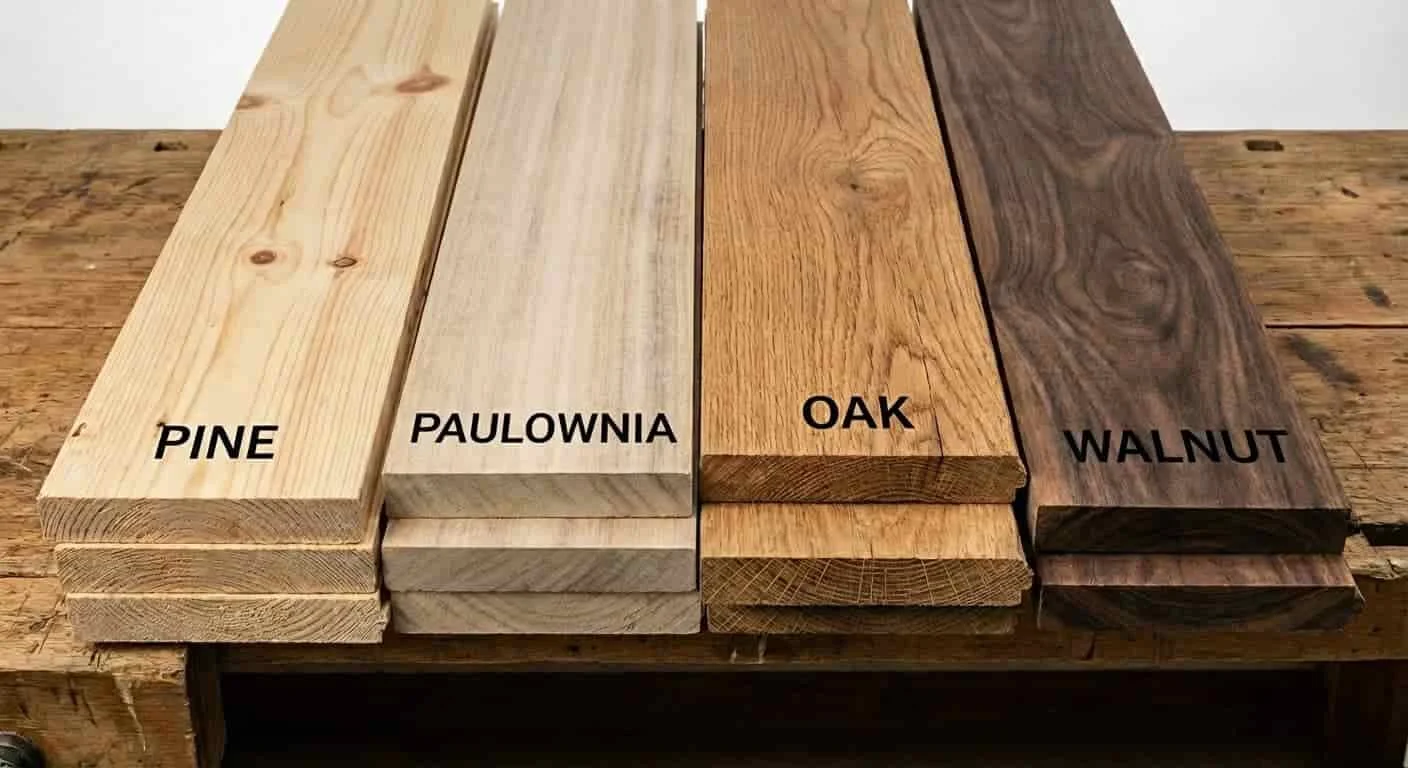
The choice of wood fundamentally dictates the look, feel, weight, and cost of your custom wooden wine boxes. When discussing wine box materials with your supplier, you need to balance aesthetics with budget and functionality. It is also increasingly important to consider sustainability; specifying FSC-certified wood ensures your packaging supports responsible forestry. Below is a comparison of common wood species used in custom wood manufacturing.
| Wood Species | Characteristics | Durability | Best Used For |
|---|---|---|---|
| Pine | Light color, prominent grain, lightweight, cost-effective. | Moderate | Rustic custom wine crates, high-volume wholesale orders. |
| Paulownia | Very lightweight, pale color, warp-resistant, highly affordable. | Low to Moderate | Budget-friendly wooden wine packaging solutions, air-freight shipping. |
| Oak | Heavy, dense, distinct grain, premium feel, higher cost. | High | Luxury wine boxes, high-end corporate gifts, aging boxes. |
| Walnut | Rich dark brown color, elegant grain, premium pricing. | High | Exclusive bespoke wine packaging, executive gifting. |
| Birch Plywood | Uniform appearance, strong, excellent for laser engraving. | High | Modern designs, sliding lid boxes, structural stability. |
Accurate Dimensions for Perfect Bottle Fit
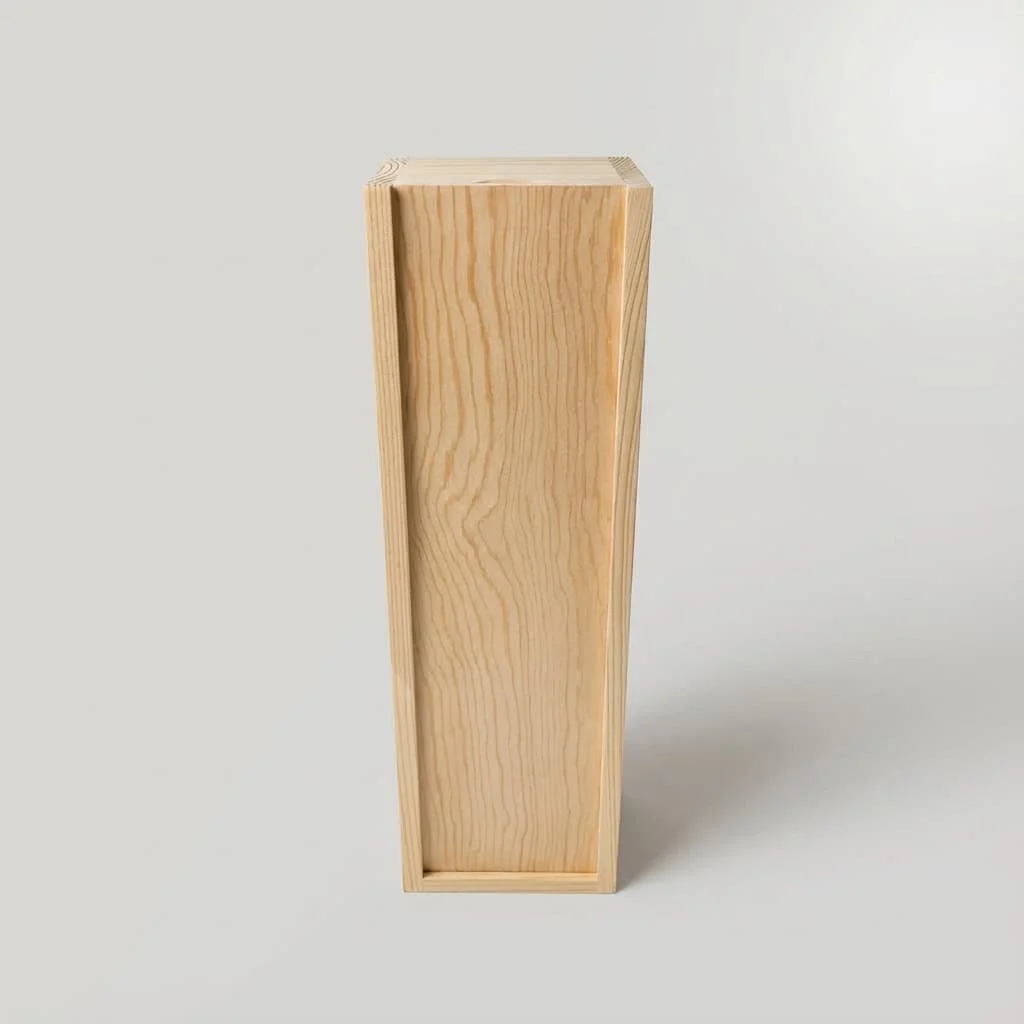
One of the most critical aspects of communicating wine box requirements is providing exact dimensions. A common mistake is failing to distinguish between internal and external dimensions. You must design the box around the specific bottle it will hold. Wine bottles vary significantly in shape and size. For instance, a standard Bordeaux bottle is tall and slender, while a Burgundy bottle is wider at the base with sloping shoulders. If you are ordering a single bottle wooden wine box with a sliding lid, the internal clearance must accommodate the bottle’s widest point plus any interior lining.
| Bottle Type | Average Diameter (mm) | Average Height (mm) | Recommended Internal Box Size (mm) |
|---|---|---|---|
| Bordeaux | 74 – 76 | 300 – 315 | 85 x 85 x 330 |
| Burgundy / Pinot Noir | 80 – 82 | 295 – 310 | 95 x 95 x 325 |
| Champagne / Sparkling | 88 – 92 | 300 – 320 | 105 x 105 x 335 |
| Ice Wine (Slender) | 60 – 65 | 330 – 350 | 75 x 75 x 365 |
Always provide your manufacturer with the exact dimensions of your bottle, or better yet, send them a physical sample bottle to ensure the custom wooden wine boxes are built to the perfect tolerance.
Custom Engraving and Branding for Unique Wooden Wine Boxes
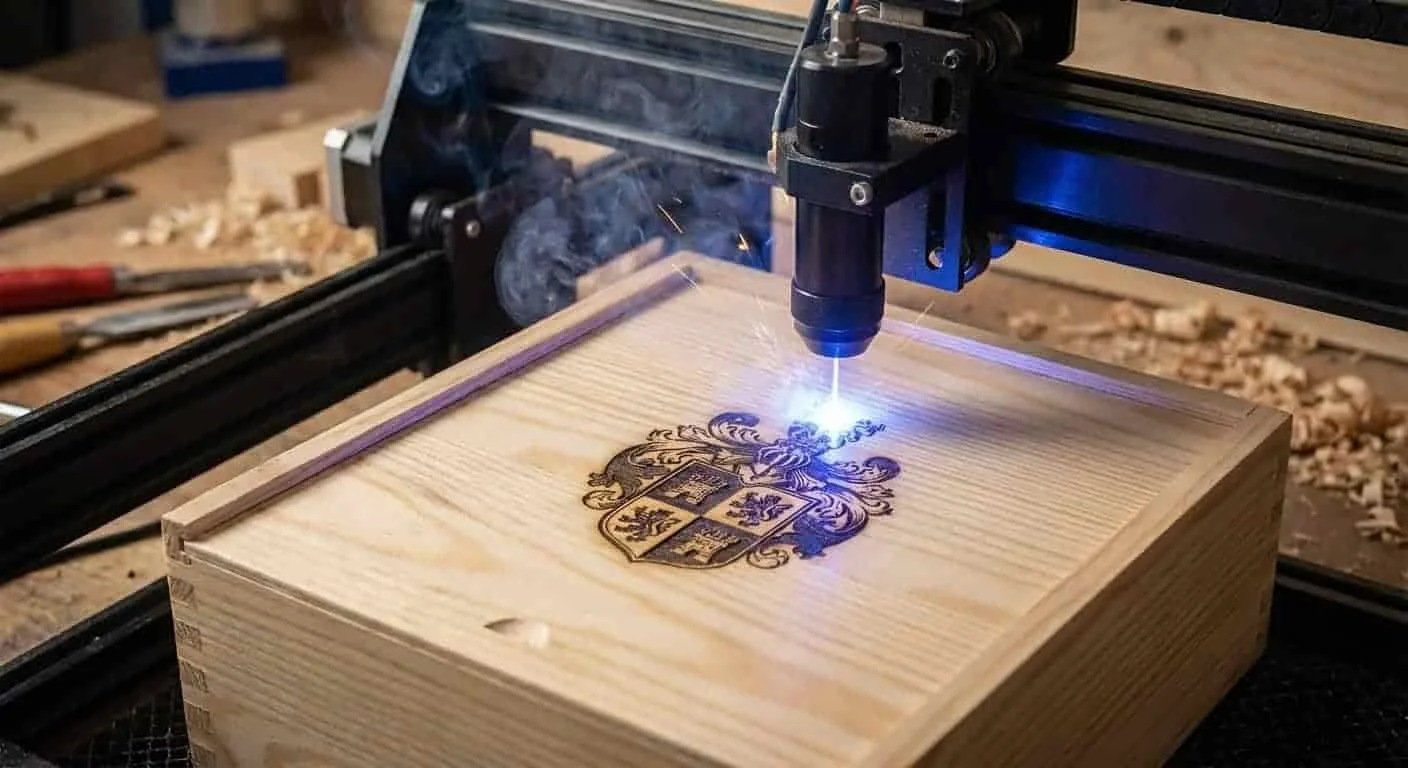
Branding is what transforms a generic container into a powerful marketing asset. When requesting engraved wine boxes, you must specify the branding method, the exact placement, and provide high-resolution artwork (usually vector files like .AI or .EPS). Common branding techniques include:
- Laser Engraving: Burns the design into the wood, creating a permanent, tactile, and rustic look. Ideal for intricate logos on custom wooden wine boxes.
- Silk Screen Printing: Applies ink to the surface. Best for multi-colored logos or vibrant designs.
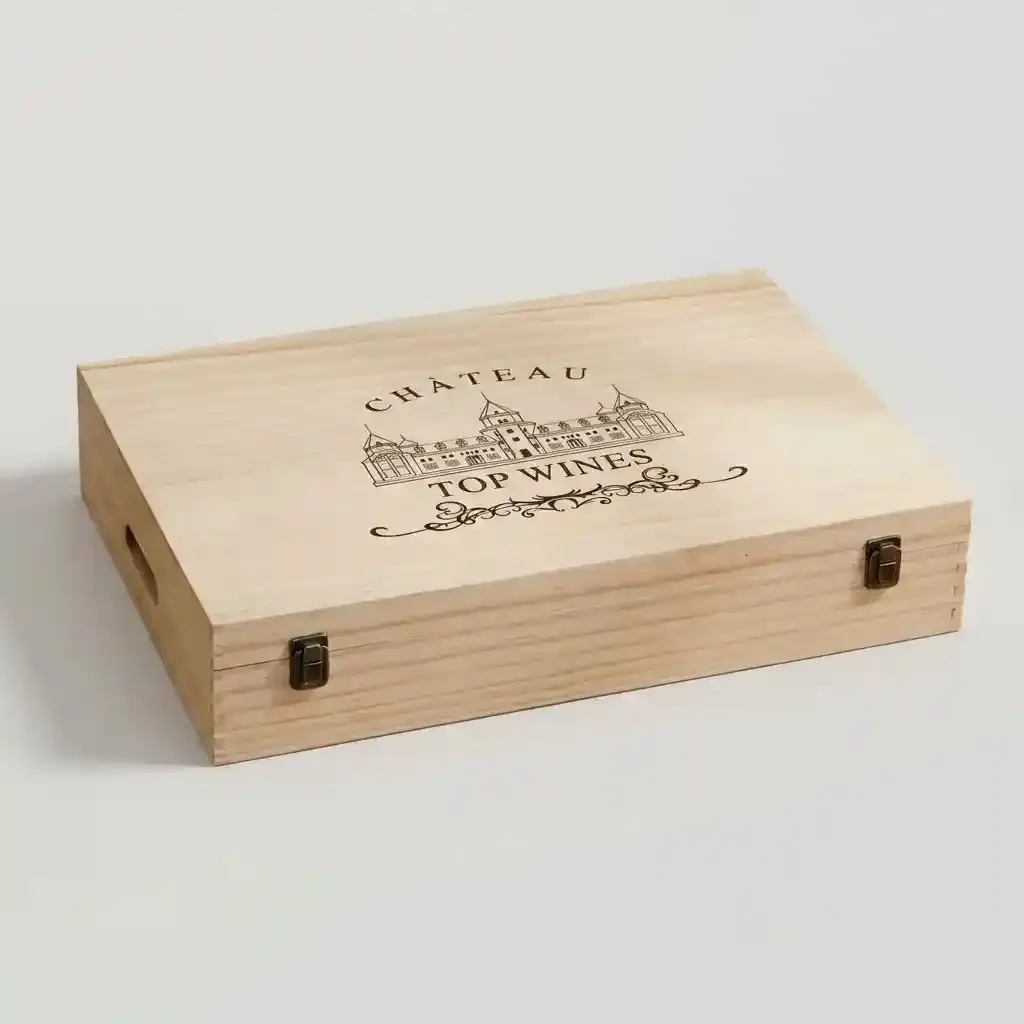
- Hot Foil Stamping: Presses a metallic foil (gold, silver, copper) into the wood. Perfect for luxury wine boxes.
- UV Printing: Allows for full-color, high-definition photographic prints directly onto the wood surface.
Clearly state the size of the logo and its exact position (e.g., “Centered on the sliding lid, 50mm from the top edge”).
Hardware and Finishing Touches for Premium Custom Wine Crates
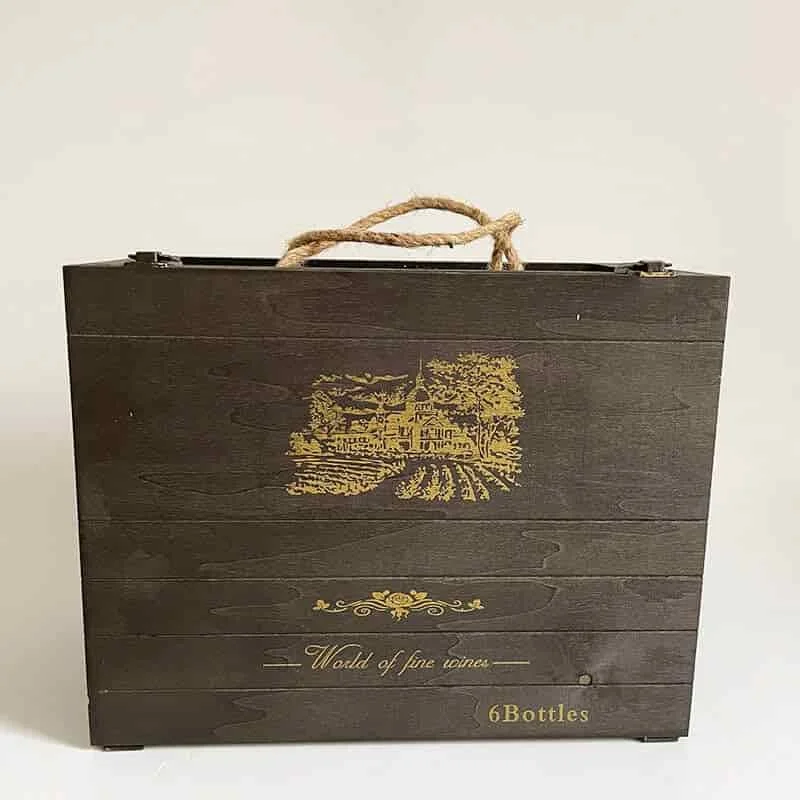
The hardware and finish you choose will significantly impact the final appearance and functionality of your custom wooden wine boxes. Do you want a rustic, unfinished look, or a sleek, high-gloss piano finish? Communicate your preferences clearly. Finishes can range from natural sanding and clear matte varnish to dark walnut stains and distressed vintage painting. specify the type of hardware required. Will the box feature a simple sliding lid, or do you need hinged lids with metal clasps? If you are designing a 6 bottle wooden wine packaging box, you might need reinforced hinges and a sturdy carrying handle. Specify the color of the hardware (e.g., antique brass, polished chrome, or matte black) to ensure it complements the overall design.
Interior Inserts and Linings for Secure Wine Bottle Presentation
The interior of the box is just as important as the exterior. How will the bottle be secured? If the bottle rattles inside the box, it risks breaking and feels cheap. When communicating your wine bottle packaging needs, discuss the interior fittings. Options include:
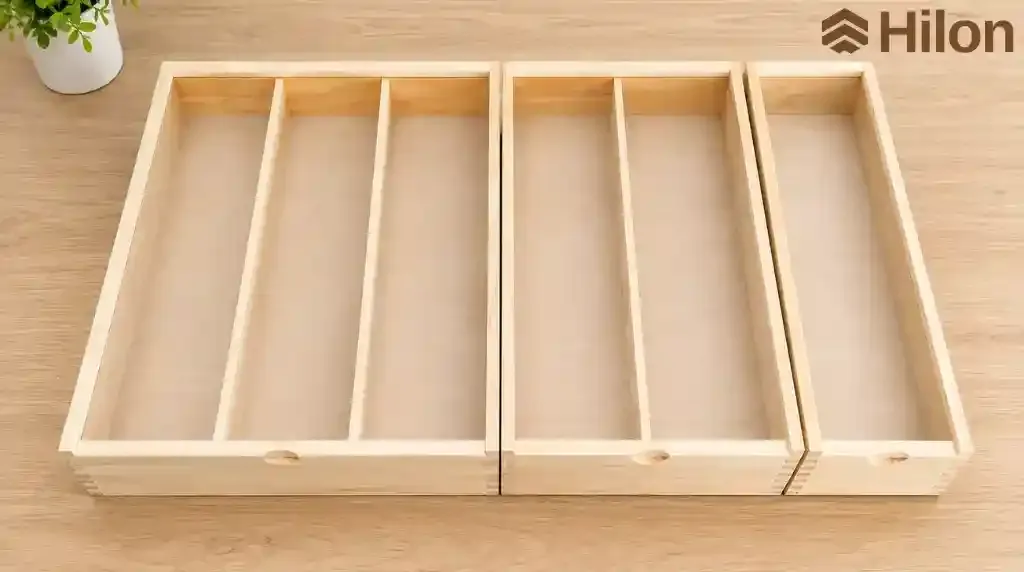
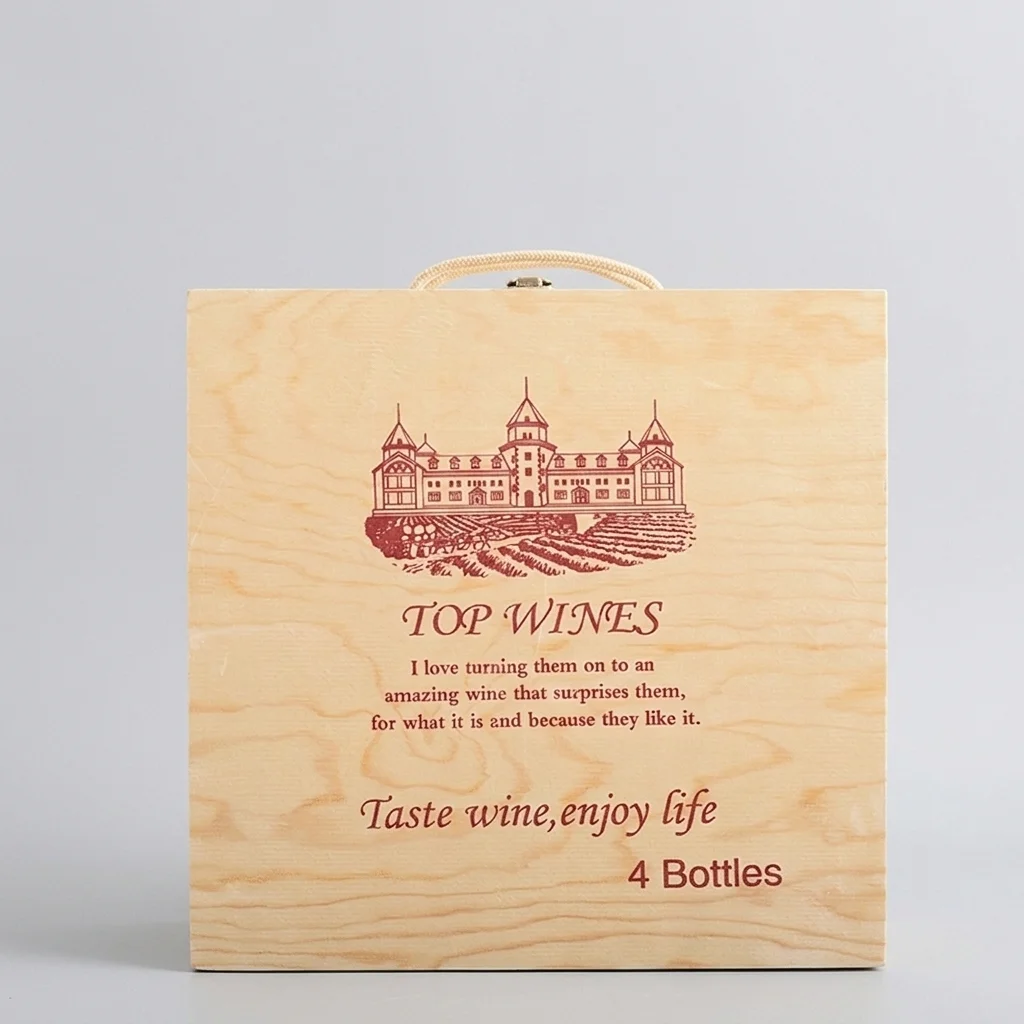
- Wooden Guillotine Dividers: Traditional and sturdy, perfect for multi-bottle custom wine crates.
- EVA Foam Inserts: Precision-cut to the exact shape of the bottle, offering maximum protection and a modern, high-end presentation.
- Silk or Satin Linings: Often draped over foam or cardboard, providing a classic, luxurious unboxing experience.
- Wood Wool / Excelsior: A traditional, eco-friendly option that adds a rustic charm to wood wine gift boxes.
Streamlining Communication for Custom Wooden Wine Box Orders
Once you have a clear understanding of your design requirements, the next step is to communicate them effectively to your chosen manufacturer. A structured approach to communication minimizes back-and-forth emails and accelerates the production timeline.
Initial Inquiry: What Information to Provide
Your first contact with a manufacturer sets the tone for the entire project. To get an accurate quote for your custom wooden wine boxes, your initial inquiry should be as detailed as possible. Avoid sending a simple message like, “How much for a wooden wine box?” Instead, provide a comprehensive brief. Include the desired wood species, the internal dimensions (or the exact bottle size), the type of lid (sliding or hinged), the required branding method, the interior fittings, and the estimated order quantity. The more information you provide upfront, the faster the manufacturer can assess feasibility and provide a realistic price estimate.
Sharing Design Concepts and Inspiration for Your Wine Boxes
Visual aids are invaluable when communicating wine box requirements. Language barriers or differing industry terminologies can sometimes cause confusion, but a picture is universally understood. Create a mood board or share reference images of bespoke wine packaging that you admire. If you have an in-house design team, provide technical drawings or 3D CAD models. Even a simple hand-drawn sketch with annotated measurements is better than relying solely on text descriptions. Point out specific features in your reference images, such as “We want the corner joints to look like this image (finger joints), but we want the wood finish to be dark like this other image.”
Clarifying Budget and Project Timelines
Transparency regarding your budget and timeline is crucial. If you have a strict target price per unit, let the manufacturer know. A skilled custom wood manufacturing partner can often suggest alternative materials or construction methods to help you meet your budget without severely compromising the design. For example, if solid oak is too expensive, they might suggest oak-veneered MDF. Similarly, clearly state your deadline. If you need the custom wooden wine boxes for a specific holiday launch or event, the manufacturer needs to know immediately to determine if they can accommodate the production and shipping lead times.
Reviewing Prototypes and Production Samples
Never proceed to mass production without first approving a physical prototype. The prototyping phase is your opportunity to verify that all your communicated requirements have been understood and executed correctly. When you receive the sample of your custom wooden wine boxes, test it rigorously. Place your actual wine bottle inside to check the fit. Inspect the quality of the engraving, the smoothness of the finish, and the functionality of the hardware. If adjustments are needed, communicate them clearly, referencing specific areas of the prototype. Approving a sample ensures that the final wholesale order will meet your exact standards.
Common Mistakes to Avoid When Ordering Custom Wine Packaging
Even with careful planning, errors can occur if certain logistical and technical details are overlooked. Being aware of these common pitfalls will help you navigate the ordering process more smoothly.
Verifying Measurements to Prevent Mis-Sized Boxes
As mentioned earlier, confusing internal and external dimensions is a frequent and costly mistake. Always specify which dimensions you are providing. Furthermore, remember that wood has a thickness. If you ask for a box that is 100mm wide externally, and the wood is 10mm thick, your internal width will only be 80mm. account for the tolerance of the wood. Wood is a natural material that can expand or contract slightly depending on humidity. A professional manufacturer will account for this, but it is always wise to leave a few millimeters of extra clearance inside your custom wooden wine boxes to ensure the bottle slides in and out effortlessly.
Understanding Minimum Order Requirements for Custom Projects
Custom manufacturing requires significant setup time, including calibrating machines, creating cutting templates, and mixing custom finishes. Because of this, most factories have Minimum Order Quantities (MOQs). A common mistake is designing highly complex bespoke wine packaging only to realize our facility requires an order of 1,000 units, while you only need 100. Discuss MOQs early in your communication. If you need a smaller quantity, ask if they have existing standardized molds or sizes that can be customized with your logo, which often carries a lower MOQ than a completely from-scratch design.
Planning for Production and Shipping Lead Times
Custom wooden wine boxes take time to produce. The wood must be cut, sanded, assembled, finished, and allowed to dry. Rushing this process can lead to quality issues, such as warping or uncured varnish. Furthermore, if you are ordering from an overseas supplier, you must factor in shipping times. Ocean freight can take several weeks. A major mistake is failing to build a buffer into your timeline. Always ask your manufacturer for the estimated production lead time and add at least two weeks for unexpected delays, customs clearance, or transit issues.
Partnering with the Right Custom Wood Manufacturer
The success of your packaging project ultimately depends on the capabilities and reliability of your manufacturing partner. Knowing choosing a reliable wooden packaging manufacturer is just as important as the design itself.
Evaluating Experience and Craftsmanship for Wooden Wine Boxes
Not all woodworking factories are equipped to produce fine packaging. A manufacturer that specializes in large wooden pallets will not have the finesse required for luxury wine boxes. When evaluating a potential partner, inquire about their specific experience with wooden wine packaging solutions. Ask about their machinery—do they have precision CNC routers and advanced laser engravers? Discuss their approach to wood moisture content (MC) control, as improperly dried wood will warp or crack over time. A manufacturer with deep expertise will proactively ask you questions about your bottle size and shipping environment, demonstrating their commitment to a successful outcome.
Requesting Portfolio Examples of Custom Wine Box Solutions
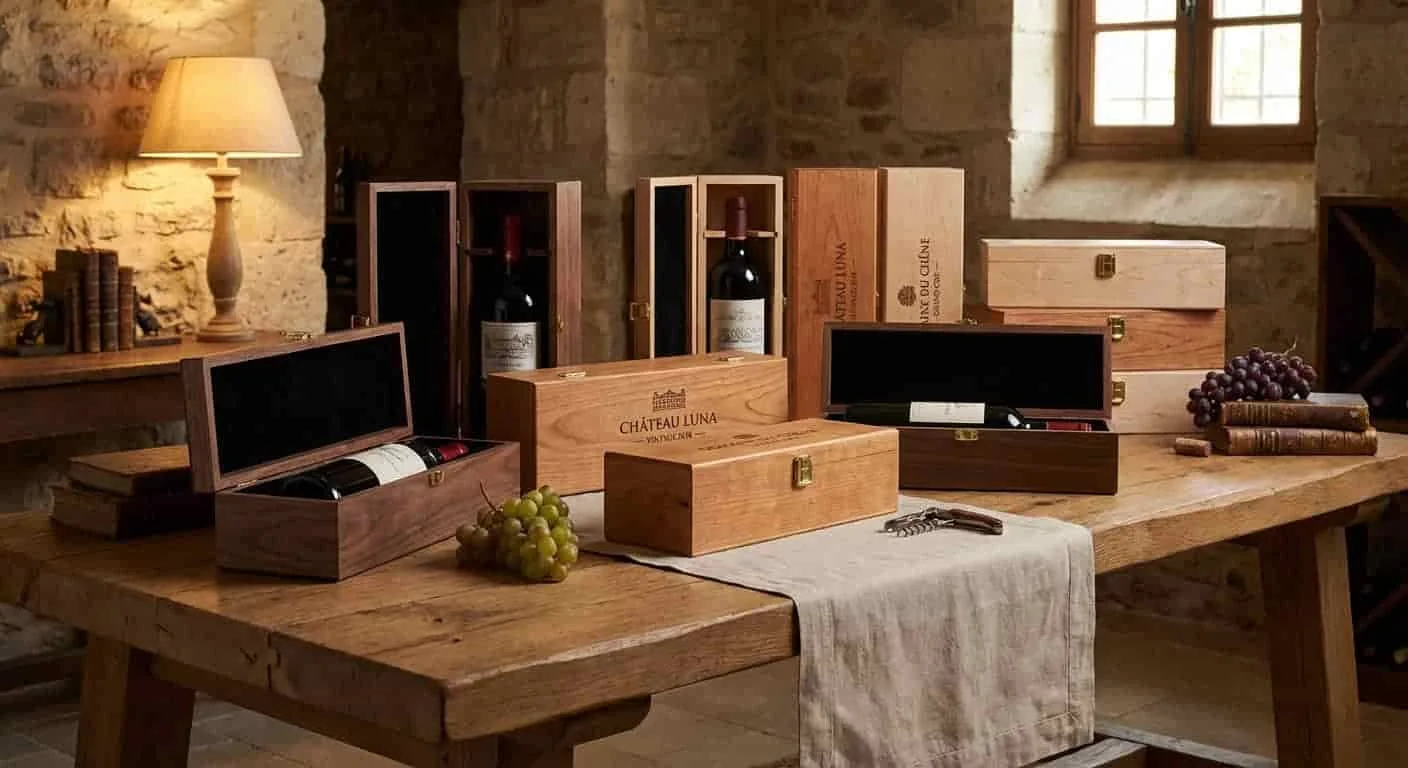
Before committing to a large order, ask to see examples of their previous work. A reputable manufacturer will gladly share a portfolio of custom wooden wine boxes they have produced for other clients. Look closely at the details in these photos or physical samples. Check the tightness of the corner joints (such as dovetail or finger joints), the clarity of the engraved wine boxes, and the consistency of the stain or varnish. Reviewing their past work gives you tangible proof of their craftsmanship and helps you determine if their quality aligns with your brand standards.
Ensuring Quality Control and Customer Satisfaction
Finally, communicate your expectations regarding quality control (QC). Ask the manufacturer about their internal QC processes. Do they inspect the raw materials before production? Do they check the dimensions and finish of every unit before packing? For large orders of custom wooden wine boxes, you might want to specify that you will hire a third-party inspection agency to verify the goods before shipment. A trustworthy manufacturer will welcome this transparency. Establishing clear quality standards upfront prevents disputes later and ensures that every box you receive is ready to impress your customers.
Key Takeaways
Ordering custom wooden wine boxes is a strategic investment in your brand’s presentation and customer experience. However, the journey from concept to reality requires meticulous attention to detail and crystal-clear communication. By understanding the nuances of wood species, precise dimensions, branding techniques, and interior fittings, you empower yourself to articulate your vision accurately. Remember that your manufacturer is your partner in this process; providing them with comprehensive briefs, visual references, and realistic timelines will enable them to deliver exceptional bespoke wine packaging.
Avoid common pitfalls by double-checking measurements, respecting minimum order quantities, and allowing ample time for production and shipping. By taking a structured approach to communicating wine box requirements, you ensure that the final product not only protects your valuable wine but also elevates it, creating a lasting impression on every recipient. Whether you are exploring the reasons why wooden wine boxes are popular or you are ready to launch a new product line, clear communication is the key to unlocking the full potential of custom wood manufacturing.
FAQs About Custom Wooden Wine Boxes
1. What is the best wood for custom wooden wine boxes?
The “best” wood depends on your budget and brand image. Pine and Paulownia are excellent for cost-effective, rustic, or lightweight needs. Oak and Walnut are ideal for premium, luxury wine boxes due to their durability and rich grain.
2. How do I ensure my wine bottle fits perfectly in the box?
Always provide the manufacturer with the exact dimensions (diameter and height) of your specific wine bottle, or send them a physical empty bottle. Specify that you need the internal dimensions of the custom wooden wine boxes to accommodate this exact size with a slight clearance.
3. Can I order custom wooden wine boxes with my company logo?
Yes, personalized wine boxes are highly customizable. You can have your logo applied via laser engraving, silk screening, hot foil stamping, or UV printing. You will need to provide high-resolution vector artwork to the manufacturer.
4. What is the typical minimum order quantity (MOQ) for bespoke wine packaging?
MOQs vary by manufacturer and the complexity of the design. Completely custom sizes and shapes may require an MOQ of 500 to 1,000 units. However, customizing an existing standard box size with your engraved logo might have a lower MOQ, such as 100 units.
5. How long does it take to manufacture and receive custom wine crates?
Production typically takes 15 to 30 days after prototype approval, depending on the order size and production schedule. If ordering overseas, add 3 to 5 weeks for ocean freight. Always communicate your deadlines early in the process.
For more options, visit our full custom wooden boxes range or see our Wooden Wine Boxes page.