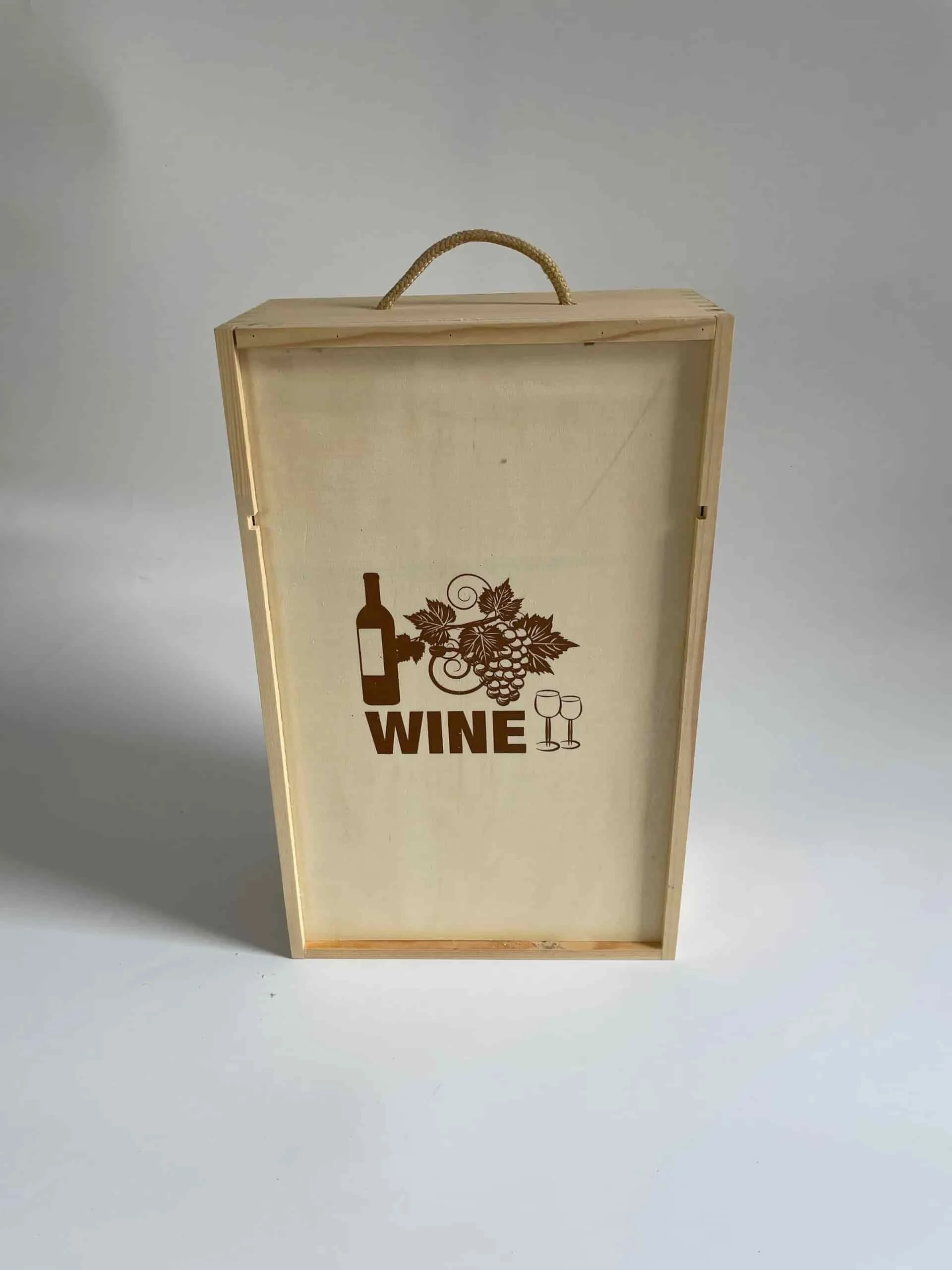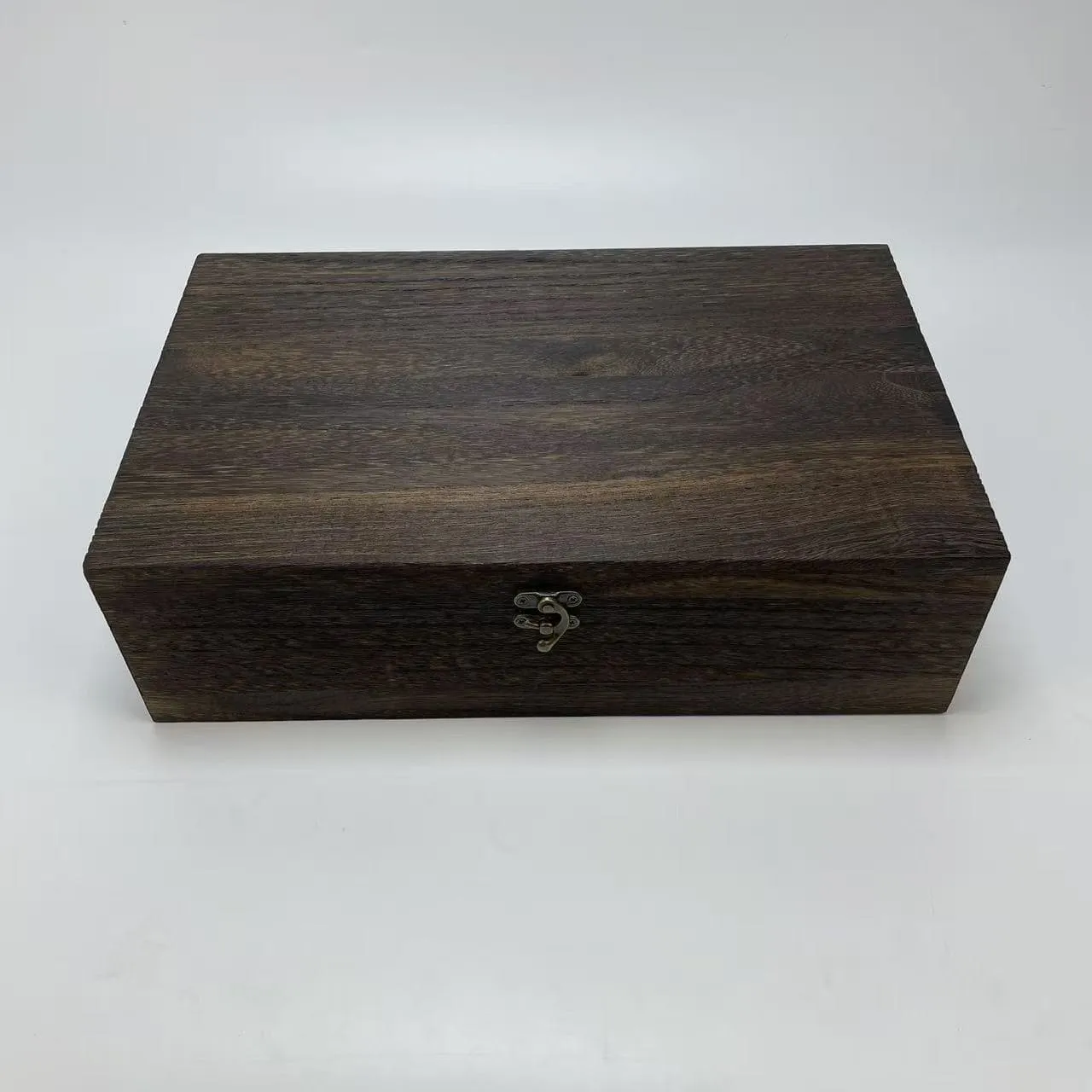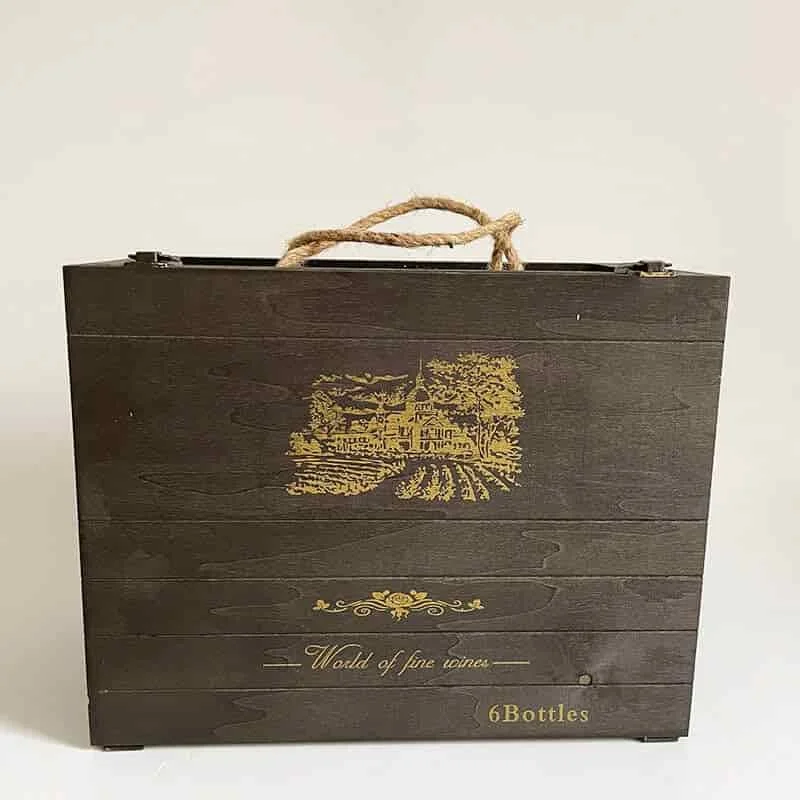
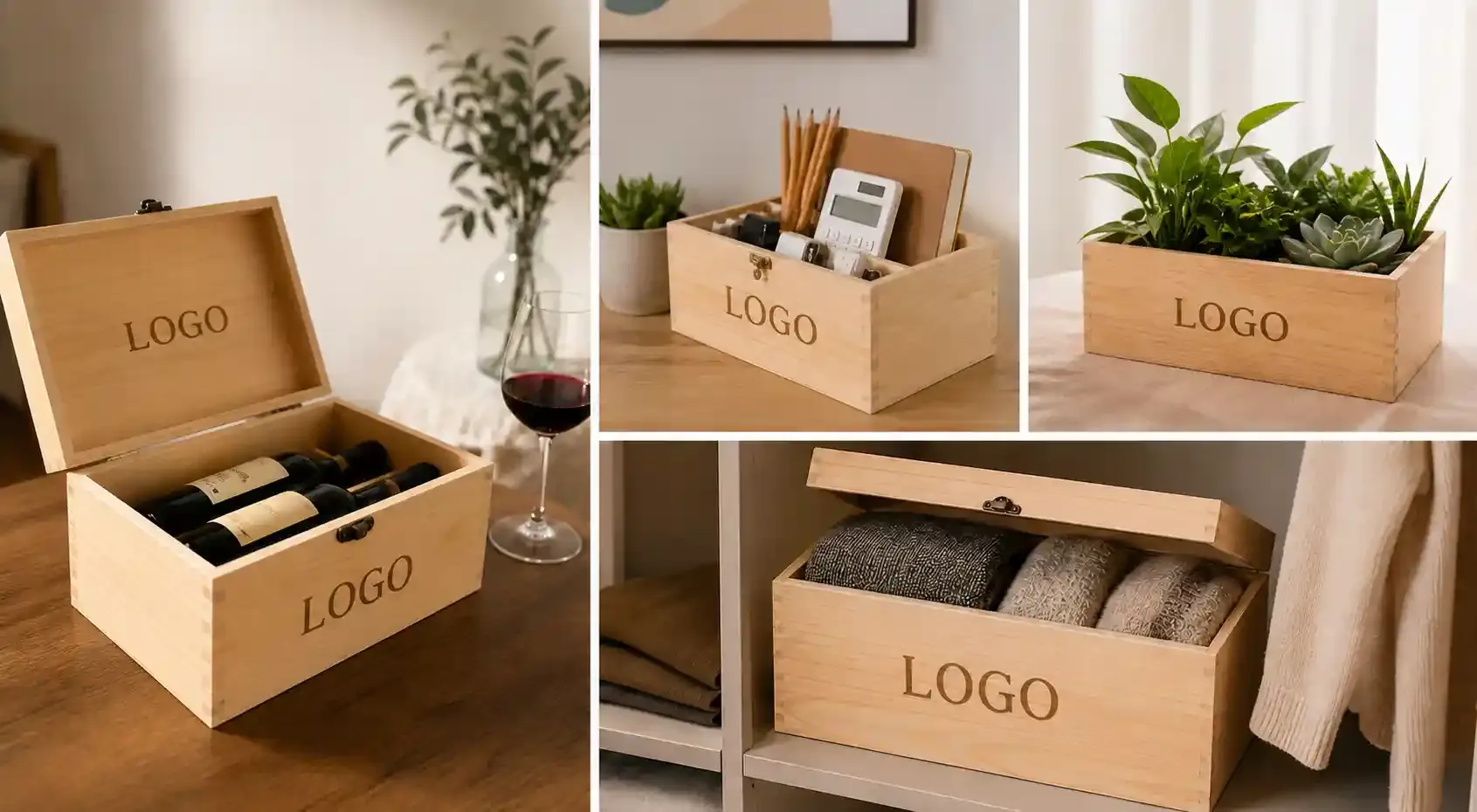
Most packaging is thrown away the day the product is opened. A wooden wine box is different. Consumers keep it — on a desk, a shelf, a kitchen counter — for years after the wine is finished. That extended life turns a packaging cost into a brand asset. For wine brands and premium product companies, understanding why consumers keep certain packaging and how that behavior generates long-term marketing returns is the strategic question behind wooden wine box reusability.
This article examines the psychology, economics, and competitive implications of custom wooden wine boxes built to be reused. It is written for brand managers and marketing leaders evaluating packaging as a brand investment, not just a cost line.
Why Consumers Keep Wooden Boxes — and Throw Away Everything Else
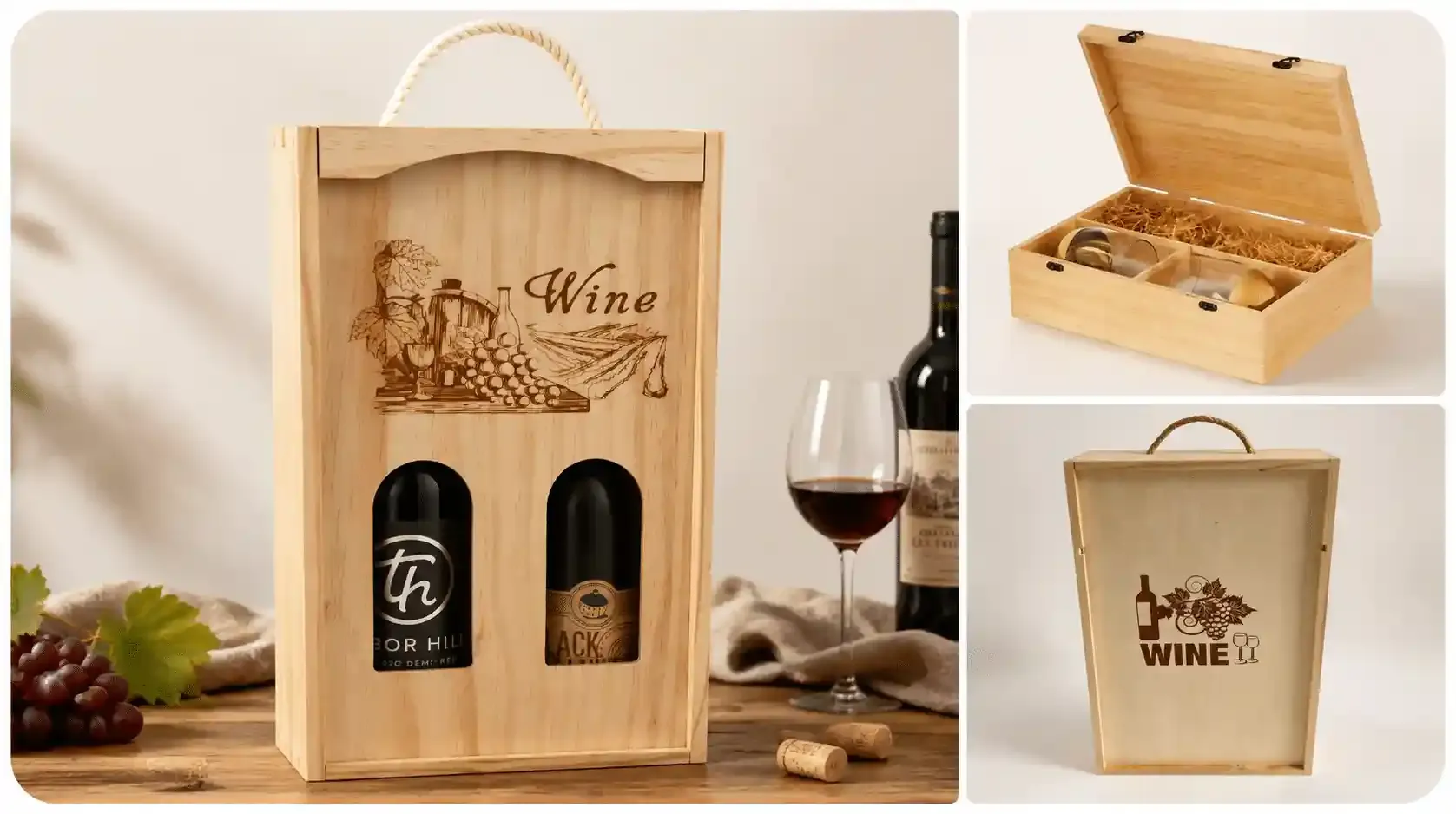
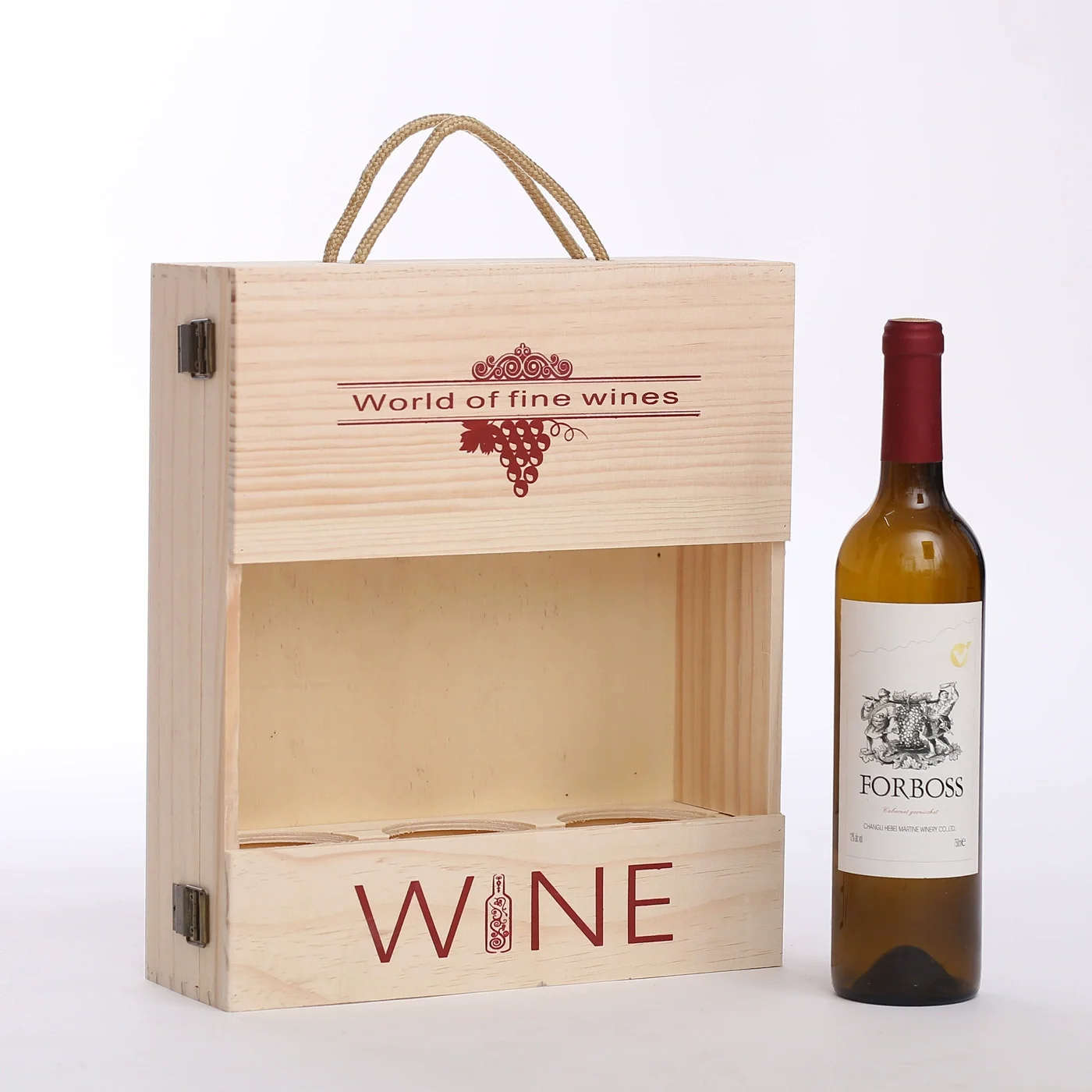
Cardboard goes in the recycling bin. Plastic clamshells go in the trash. But a solid wood box with a smooth finish, a hinged lid, and neutral styling does something no other packaging does: it looks like it belongs in a home, not in a garbage bag.
The psychology behind this is straightforward. A wooden box signals permanence, utility, and quality. It feels like a piece of furniture, not a disposable wrapper. Consumers make a split-second decision when they finish unboxing: keep or discard. The factors that tilt that decision toward "keep" include the weight and solidity of the material, the smoothness of the interior finish, the usefulness of the box size and shape for storage, and the neutrality of the design. Consumers are not keeping your logo — they are keeping a storage container that happens to carry your logo.
This is the critical insight for brand strategy. The consumer keeps the box because it is useful to them. The brand exposure — years of logo visibility on a desk or shelf — is a consequence of that utility, not the cause. Designing for the consumer's needs, not for the brand's desire for visibility, is what produces genuine long-term brand exposure.
The "Second Life" Effect: Quantifying Brand Exposure from Reused Packaging
A cardboard wine box generates perhaps five to ten impressions before being discarded. A wooden wine box kept as a desk organizer is seen roughly twice a day. Over three years, that is more than two thousand impressions from a single packaging unit. At a wholesale cost of five to fifteen dollars per box, the cost per thousand impressions is in the range of two to seven dollars — competitive with digital advertising CPMs of five to fifteen dollars, but with higher attention quality and zero ongoing media spend.
Multiply this across a production run. Ten thousand boxes shipped to customers, each generating two thousand impressions over three years, delivers twenty million brand impressions. That is the equivalent of a modest advertising campaign, funded entirely by a packaging decision. The box does not need to be renewed, rebought, or re-optimized. It just sits on desks and shelves, quietly working.
The key variable in this equation is retention rate: what percentage of boxes actually get kept and reused. This is not a matter of chance — it is directly determined by material quality, joinery, finish, and functional design. A box with rough interior surfaces, flimsy construction, or a peeling logo will be discarded within weeks. A box that feels solid, looks intentional, and serves a practical purpose will stay. Brand exposure depends on build quality — the two are inseparable.
Consumer Reuse as a Competitive Moat
In a competitive wine market, packaging that gets kept creates an asymmetric advantage. Every competitor's bottle has been consumed and its packaging forgotten. But the branded wooden box from your winery remains on the consumer's kitchen counter, storing tea bags or keys or spare change, seen by every visitor who walks through the door.
This is a competitive moat built not on advertising spend but on a single procurement decision. The box creates physical presence in spaces that competitors cannot buy their way into. When the consumer's friend asks "Where did you get that box?" — a question that gets asked because the box is visible and attractive — the consumer tells a story about the wine that came in it. That word-of-mouth is genuine, unsolicited, and free.
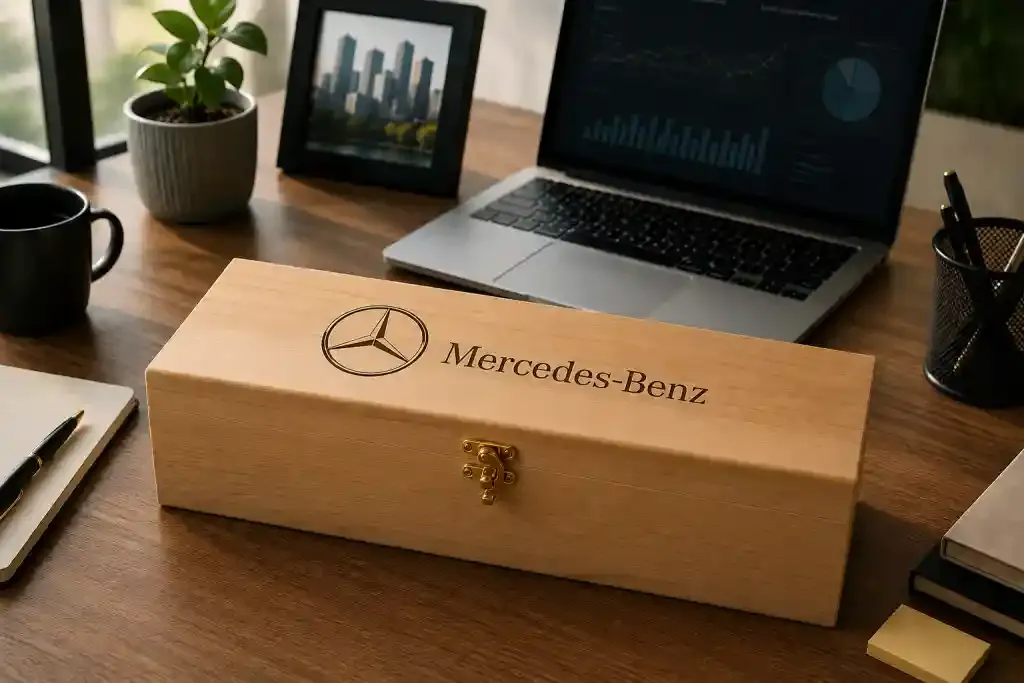
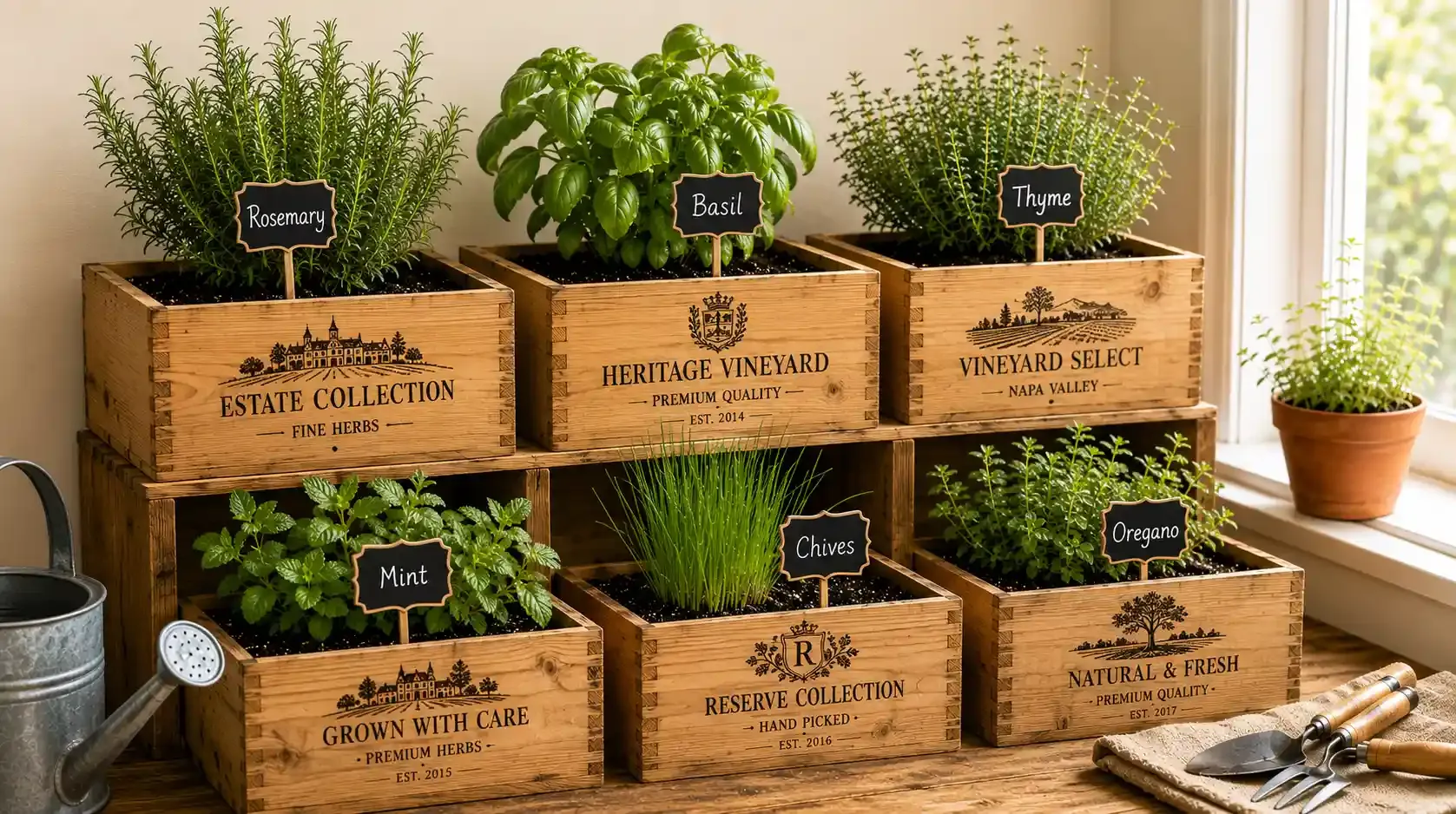
For wine brands, this dynamic is amplified by the social nature of wine consumption. Wine is shared. A wooden box that once held a gifted bottle sits on a home bar where guests see it. A wine crate repurposed as a bookshelf holds novels in a living room. Each reuse scenario puts the brand in front of a new audience at zero marginal cost. This is the compounding effect of custom wine gift boxes reusability — exposure that grows over time rather than decaying after the initial transaction.
What Actually Gets Kept: The Design Factors That Determine Retention
Not all wooden wine boxes earn a second life. The difference between a box that gets reused and one that gets discarded comes down to specific design decisions made during procurement. Understanding these decisions matters because retention rate is the single largest lever on the brand exposure ROI of your packaging investment.
Material and weight. Pine and paulownia are the two most common materials, and they generate different consumer behaviors. Pine is heavier and denser — boxes made from pine feel substantial and furniture-like, which extends their perceived value beyond the initial use. Paulownia is lighter, making it practical for shipping cost efficiency, particularly for large-volume programs. Both resist warping indoors, which is what enables multi-year reuse in the first place.
Joinery quality. Consumers may not know the difference between a dovetail joint and a butt joint, but they feel the difference every time they handle the box. Reinforced corners stay tight after years of opening and closing. Stapled corners loosen. This single manufacturing detail separates boxes that last a decade from those that wobble apart in months.
Neutral finish and hardware. A box with matte black or brushed nickel hinges fits into more home decor styles than one with shiny gold hardware. A natural wood finish in pine, light walnut, or weathered gray complements the widest range of interiors — and therefore maximizes the probability that the consumer will keep the box out in the open rather than hiding it in a closet. A box that gets hidden generates no brand impressions.
Removable inserts. A wine box with fixed bottle dividers has exactly one function: holding wine bottles. With removable dividers, the same box converts to a general storage container — the most common reuse scenario. This single feature dramatically increases the retention probability for a marginal manufacturing cost.
For brand managers evaluating packaging suppliers, each of these features is a leverage point on long-term marketing ROI. A box designed for reuse — solid joinery, neutral aesthetics, functional flexibility — costs marginally more to produce but delivers exponentially more brand exposure over its lifetime.
Sustainability Positioning That Consumers Actually See
Many brands claim sustainability. Few demonstrate it through packaging that the consumer personally reuses for years. This is the difference between a sustainability claim printed on a cardboard box and a wooden box that the consumer chooses to keep — a visible, tangible proof point that the brand's environmental commitment is real.
Wooden wine box reusability aligns with genuine sustainability credentials: renewable sourcing of wood from managed forests, natural biodegradability at end of life, and an extended use phase that displaces multiple single-use containers. When a consumer uses a repurposed wooden wine box for kitchen storage instead of buying a new plastic container, the environmental benefit is real and personally experienced. For more reusable wine box ideas that extend packaging life, check practical applications for old wooden wine boxes. That personal experience is far more powerful than any sustainability slogan printed on packaging.
The marketing value of this is that consumers who reuse the box associate the brand with sustainability not because they were told to, but because they personally demonstrated it by choosing to keep and reuse the packaging. Self-persuasion is the strongest form of brand messaging.
Measuring the ROI of Reusable Packaging: A Framework for Brand Teams
Brand teams that want to justify investment in reusable wooden packaging need a measurement framework. The following approach isolates the variables that determine ROI:
Input variables: units shipped, estimated retention rate (percentage of boxes kept beyond the first year), estimated daily impressions per retained box, and estimated useful life of a retained box in years.
Output calculation: total brand impressions = units shipped × retention rate × daily impressions × 365 days × useful life years. Cost per thousand impressions = total packaging cost ÷ (total brand impressions ÷ 1,000).
Example: A brand ships 10,000 boxes at 12 dollars each (120,000 dollar total packaging cost). Conservatively, 60 percent are retained beyond one year. Each retained box generates one impression per day over four years. Total impressions: 10,000 × 0.60 × 1 × 365 × 4 = 8,760,000 impressions. Cost per thousand impressions: 120,000 ÷ 8,760 = 13.70 dollars. Compare this to digital advertising CPMs of five to fifteen dollars — but with the wooden box impressions occurring in a trusted, personal environment rather than a banner ad that consumers ignore.
This framework can be adapted to any brand's specific volume, retention estimates, and cost structure. The key is recognizing that packaging cost is partially offset by marketing value — and that the offset grows with every unit shipped.
A Procurement Decision That Pays Marketing Dividends
Wooden wine box reusability is not a packaging feature — it is a brand strategy. When a consumer chooses to keep a wooden box and integrate it into their daily environment, the brand earns years of quiet, persistent exposure without bidding on another keyword or buying another ad placement.
The decision that triggers this chain of value is made during procurement, not during a marketing campaign. Material choice, joinery specification, finish selection, and functional design features — these procurement decisions determine whether the box earns a second life. Brand managers who understand this treat packaging not as a cost center but as a marketing channel with a one-time upfront investment and years of ongoing returns. Explore our custom wooden boxes range for wine, gift, and storage packaging.
Evaluate wooden wine box reusability for your brand. Contact Hilon Wood to discuss your packaging requirements. Whether you need 500 units for a limited release or 50,000 units for a global brand program, we manufacture custom wooden wine boxes designed to be kept, used, and remembered.
This article was made by Hilon Wood. We are dedicated to custom wooden products manufacturing.
Custom Wooden Wine Boxes Wholesale at Hilon Wood
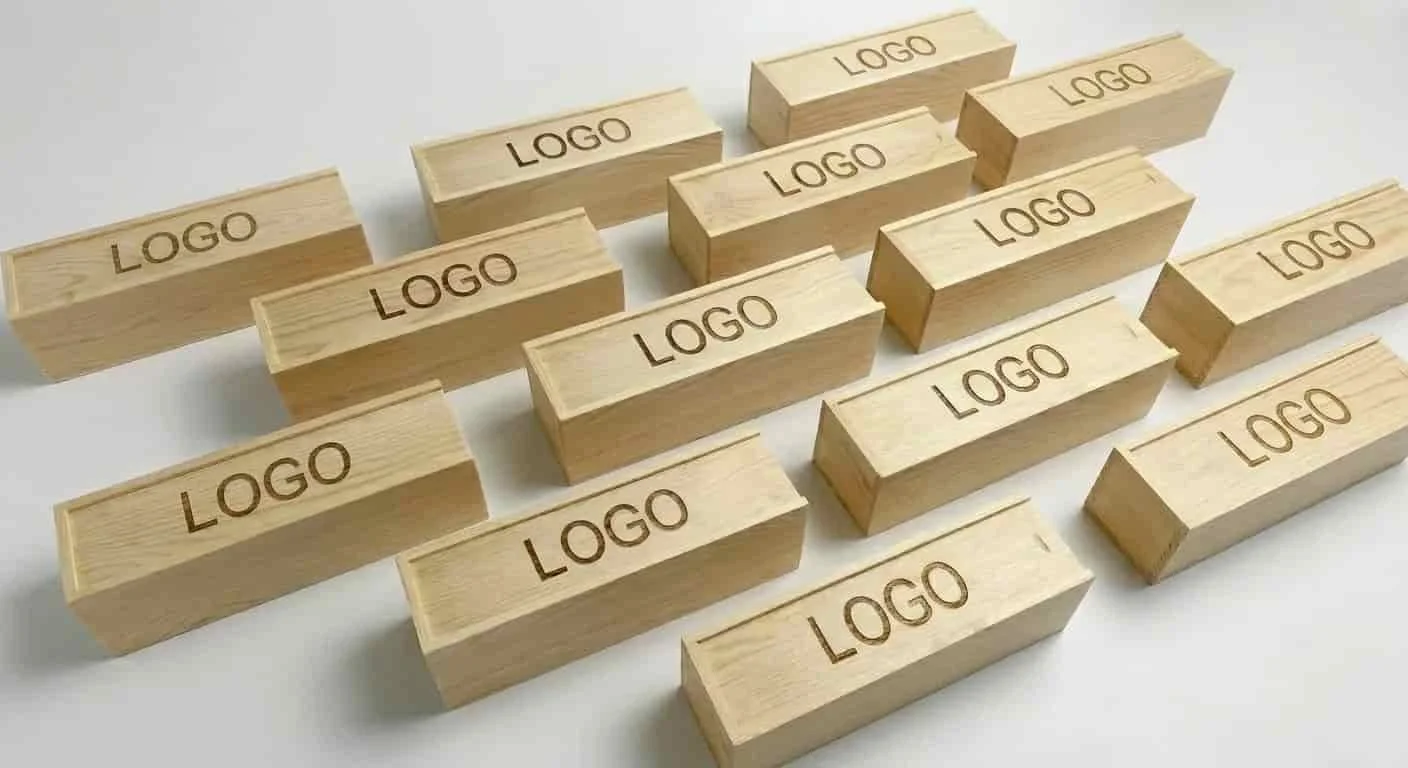
Hilon Wood specializes in custom wooden wine boxes based on reference images, samples, drawings, or bottle specifications. Box structure, material, surface finish, hardware options and logo printing methods can all be customized. Small trial orders are supported for initial evaluation.
Let us manufacture custom wooden wine boxes for you.