Introduction
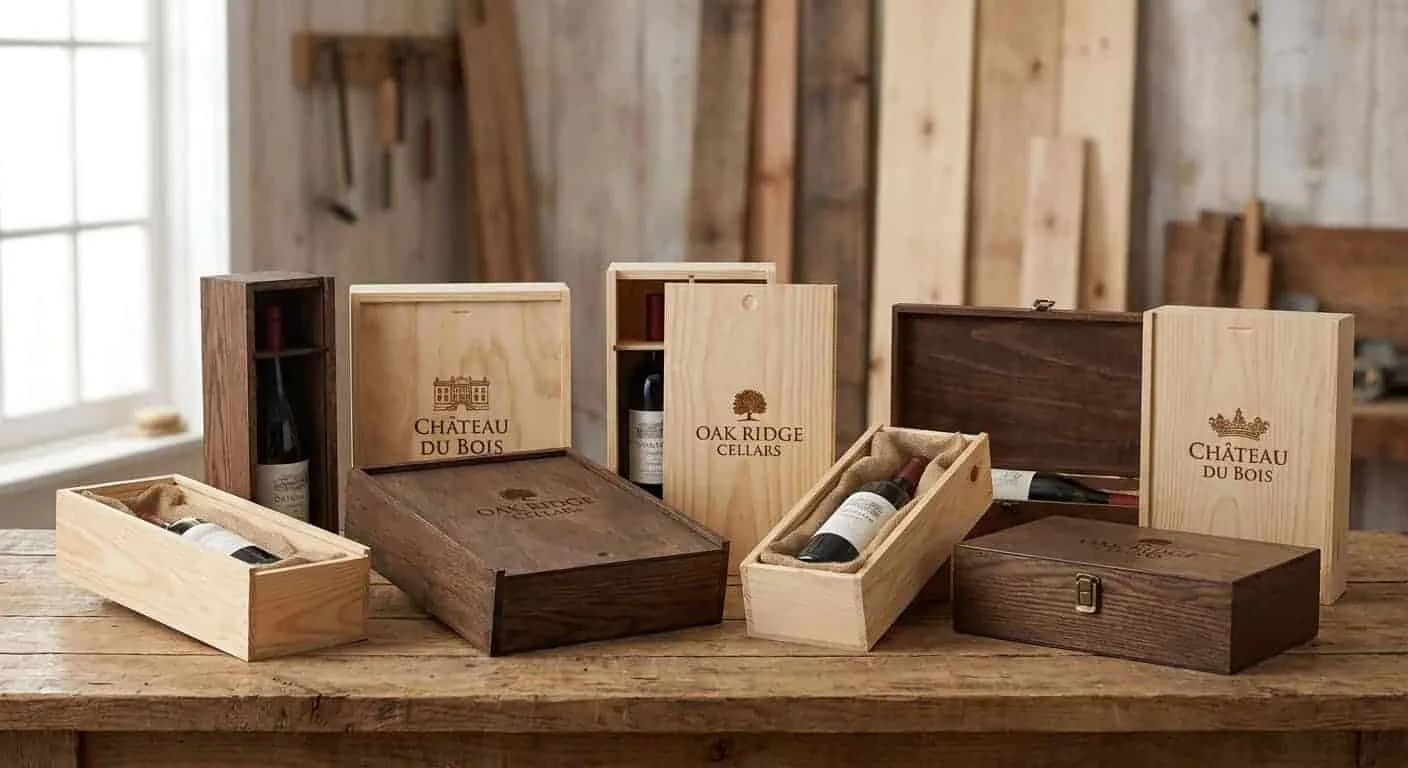
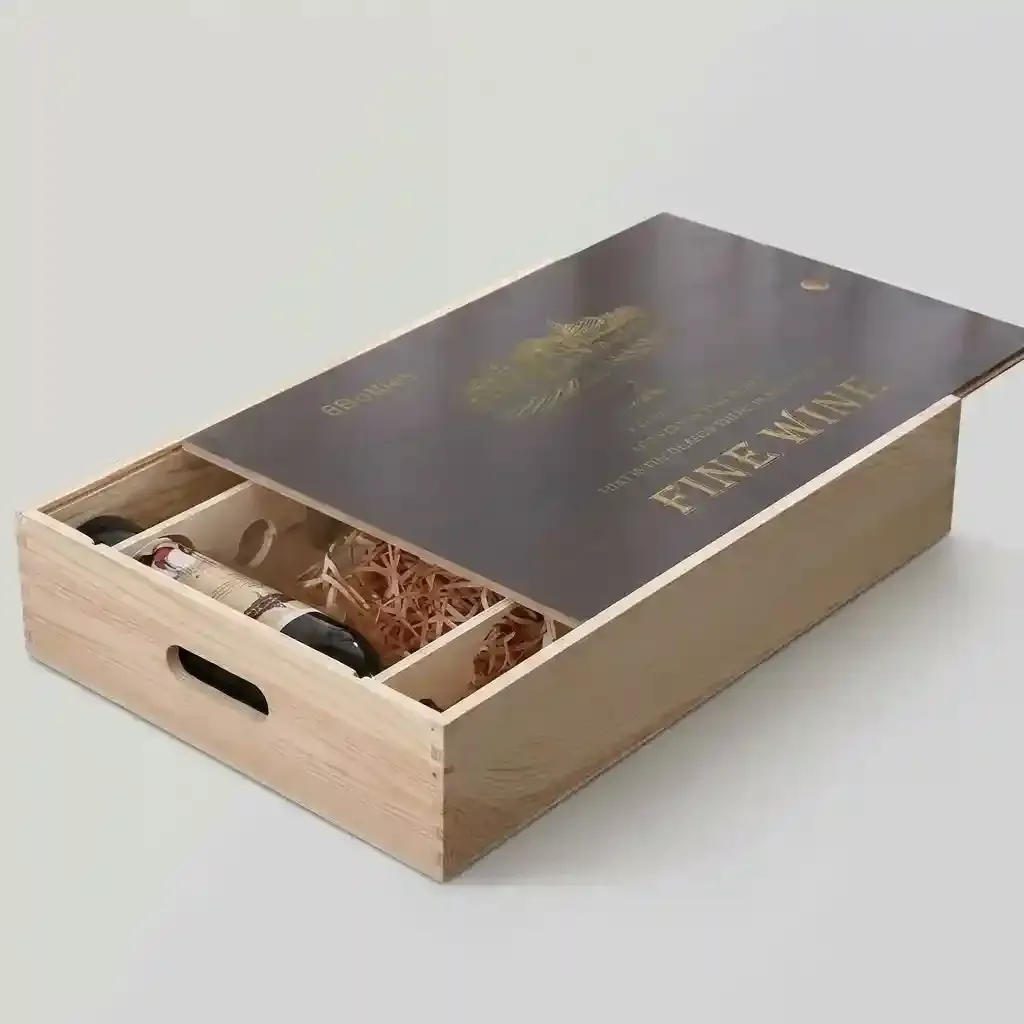
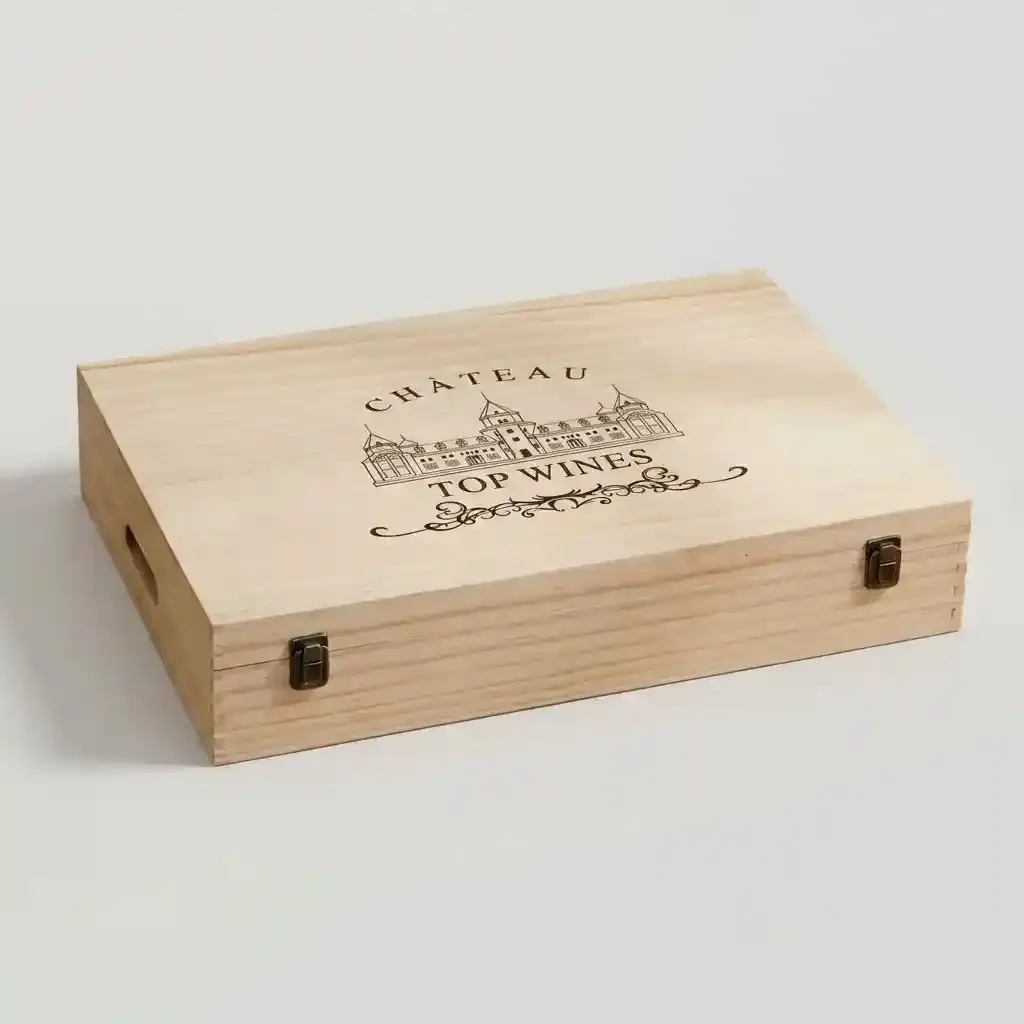
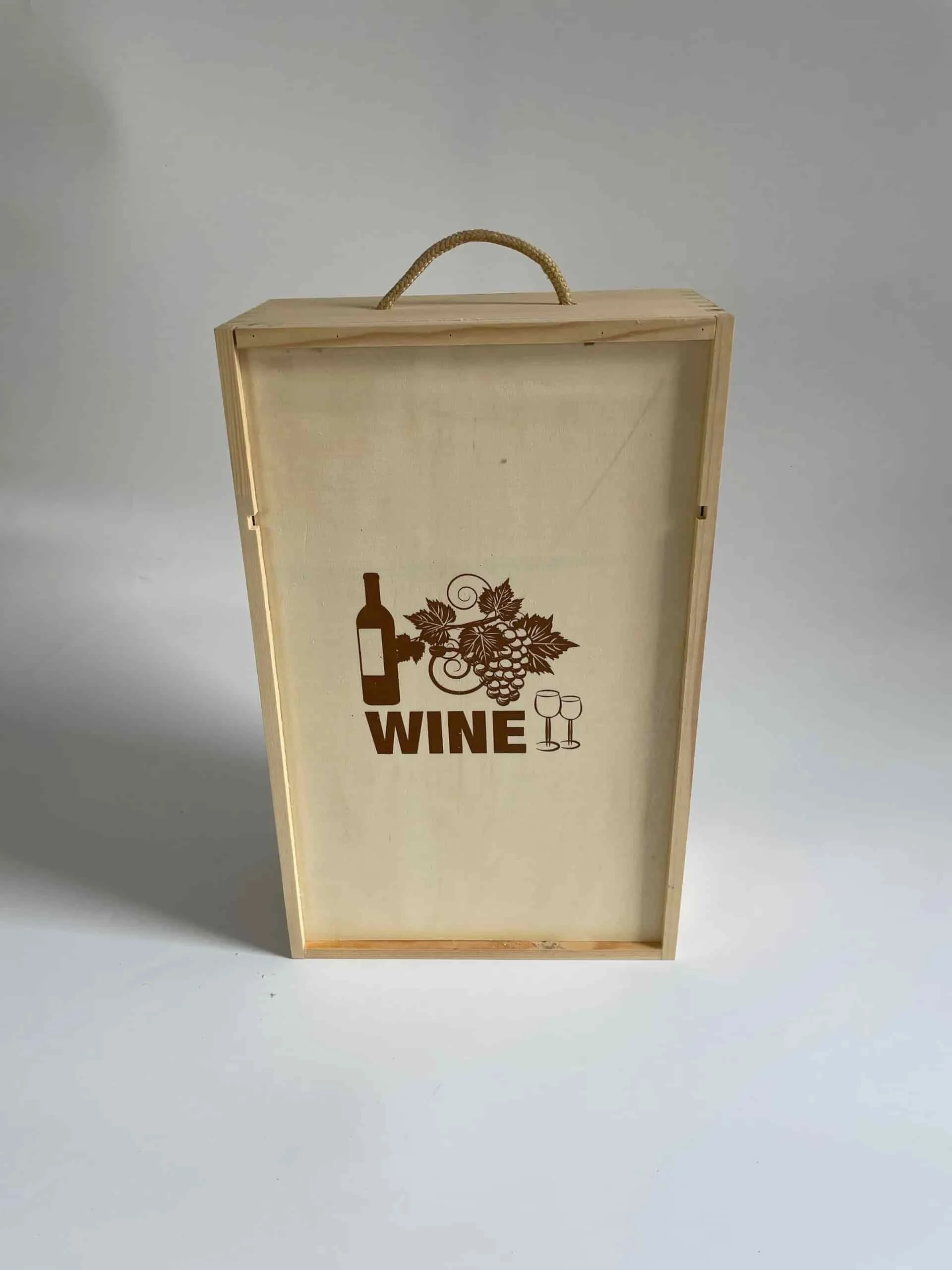
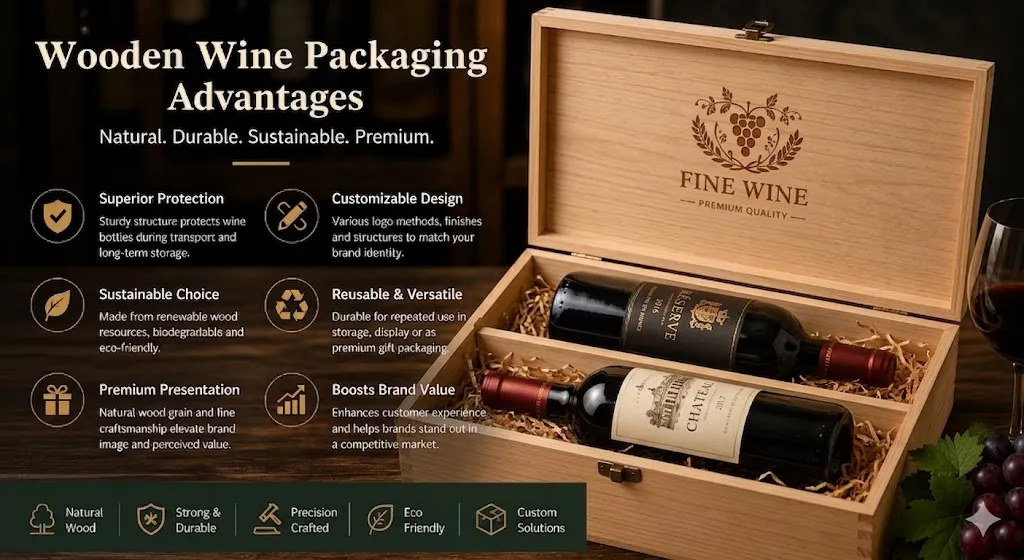
Wooden wine packaging advantages are evident in every aspect of its design and functionality, making it a standout choice for wineries, retailers, and wine enthusiasts alike. Beyond mere aesthetics, wood offers unmatched durability, sustainable properties, and a premium feel that elevates the value of the wine inside. Unlike generic packaging materials, wooden wine packaging blend tradition with practicality, providing superior protection and endless customization options. For wineries seeking high-quality, customizable solutions to showcase their products, custom wooden wine boxes offer an ideal way to leverage these advantages, creating memorable packaging that resonates with consumers and strengthens brand identity. This blog explores why wood remains the top choice for standout wine packaging.
What Are the Wooden Wine Packaging Advantages?
According to the International Organisation of Vine and Wine (OIV), packaging plays a critical role in protecting wine quality and influencing consumer perception, especially in premium segments where presentation and storage stability are essential. The advantages of wooden wine packaging can be understood from both functional and commercial perspectives. From a practical point of view, wood provides structural strength, protection, and suitability for storage. From a market perspective, it also affects how the product is presented and perceived. These factors together make wooden packaging a commonly used option in wholesale supply, retail display, and gift-oriented applications. Read more about why wooden wine boxes are popular for a fuller picture of market adoption.
Natural Aesthetic Appeal
While natural aesthetic appeal was touched on earlier, its importance bears repeating—especially when considering how it connects to consumer emotion. Wood’s natural warmth creates a sense of comfort and familiarity, making wine feel more approachable and inviting. Whether used for a boutique winery’s artisanal bottles or a large brand’s premium line, wooden packaging adds a human touch that resonates with consumers. The unique grain patterns of each piece of wood also mean that no two boxes are identical, adding a sense of exclusivity and craftsmanship that mass-produced packaging cannot match.
Durable Protection for Wine Bottles
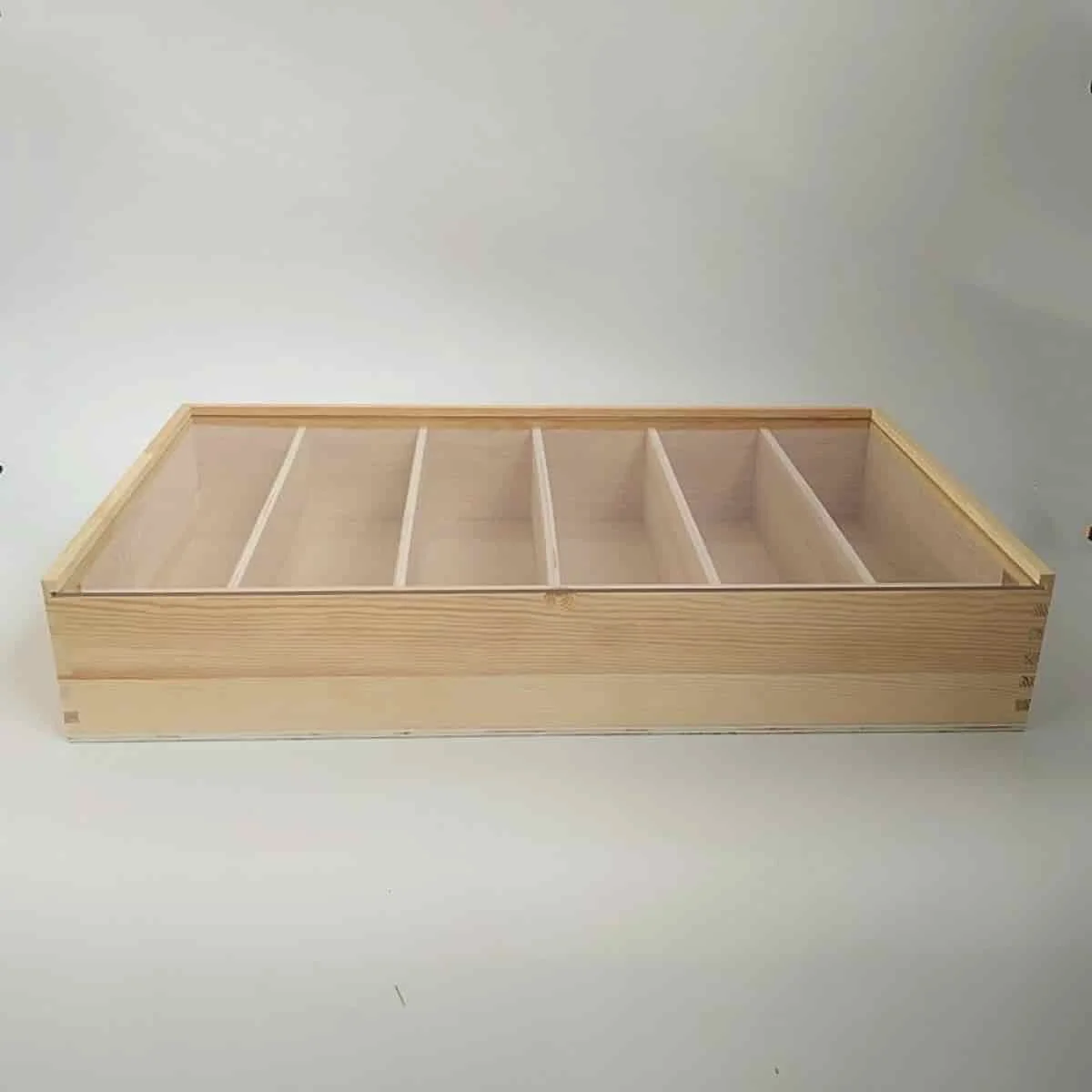
Beyond basic protection, wooden wine packaging offer long-term storage benefits that are particularly valuable for collectors and enthusiasts. The sturdy construction of wooden packaging ensures that bottles remain secure even when stored for extended periods, preventing damage from light, dust, or accidental knocks. Many wooden packaging also feature foam inserts or dividers, which hold bottles in place and provide an extra layer of cushioning. This level of protection is especially important for high-value, aged wines, where preserving the bottle’s integrity is essential to maintaining the wine’s quality and value.
Suitable for Reuse and Long-Term Storage
A key advantage of wooden wine packaging that ties into both functionality and value is their suitability for reuse and long-term storage. Unlike single-use packaging materials that are discarded after one use, wooden packagingare sturdy enough to be repurposed repeatedly—whether for storing additional wine bottles, wine accessories, or even non-wine items like jewelry, small decor, or office supplies. Their durable construction also makes them ideal for long-term wine storage, as wood’s natural insulating properties help maintain stable temperature and humidity levels, protecting wine from degradation over time. This dual benefit of reusability and long-term storage value adds practicality for consumers and extends the lifecycle of the packaging, enhancing its overall appeal.
Sustainable and Eco-Friendly
Sustainability in wooden wine packaging goes beyond just being biodegradable. Many manufacturers use non-toxic, water-based finishes and adhesives, ensuring that the packaging is safe for both the environment and the consumer. wood’s carbon sequestration properties mean that it absorbs and stores carbon dioxide throughout its lifetime, further reducing its environmental impact. For brands looking to build a reputation as eco-conscious, wooden packaging is a tangible way to demonstrate their values, appealing to a growing segment of consumers who prioritize sustainability in their purchasing decisions.
How does wood improve perceived value in packaging?
Perceived value is critical in wine packaging, as it directly influences a consumer’s perception of the wine’s quality. Wood has long been associated with luxury, craftsmanship, and longevity—qualities that translate to a higher perceived value for the wine inside. When a wine is presented in a wooden box, it signals that the producer has invested in quality, care, and attention to detail, making the consumer more likely to associate the wine with premium taste and exclusivity. This elevated perceived value can justify higher price points, drive sales, and help brands stand out in a crowded market. Unlike generic packaging, wooden packaging turn a simple bottle of wine into a premium product worth cherishing.
How do wooden wine packaging benefit both wineries and consumers?
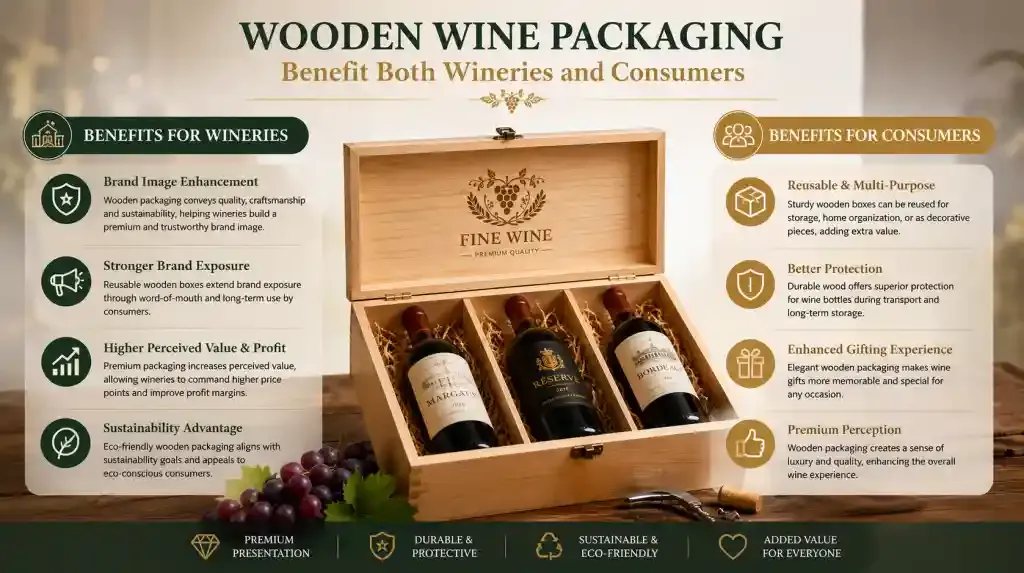
Brand Image Enhancement
For wineries, wooden wine packaging are a powerful tool for enhancing brand image. By choosing wood, wineries signal their commitment to quality, craftsmanship, and sustainability—values that resonate with modern consumers. Wooden packaging helps wineries stand out in a competitive market, positioning their brand as premium, trustworthy, and forward-thinking. the customizable nature of wooden packaging allows wineries to showcase their brand identity, creating a consistent and recognizable look that builds brand loyalty over time. A strong brand image not only drives sales but also helps wineries command higher price points and establish a loyal customer base.
Reusable and Multi-Purpose
As mentioned earlier, wooden wine packaging are highly reusable, which benefits both wineries and consumers. For consumers, the ability to repurpose the packaging adds value beyond the wine itself, making the purchase more worthwhile. For wineries, this reusability extends the brand’s reach—each repurposed box becomes a subtle advertisement, reminding the consumer (and anyone who sees the box) of the brand. This word-of-mouth marketing is invaluable, as it helps wineries reach new customers and build trust without additional marketing costs. reusable packaging aligns with sustainability goals, helping wineries appeal to eco-conscious consumers and enhance their brand reputation.
Long-Term Cost-Effectiveness
While wooden wine packagingmay have a higher upfront cost than cardboard, they offer long-term cost-effectiveness for both wineries and consumers. For wineries, the durability of wooden packaging means they can be used for multiple shipments or storage purposes, reducing the need to replace packaging frequently. the premium perceived value of wooden packaging allows wineries to charge higher prices for their wine, increasing profit margins. For consumers, the reusability of wooden packaging means they get more value for their money—instead of discarding the packaging after use, they can repurpose it, eliminating the need to purchase additional storage containers or decor items.
How does packaging material affect customer perception?
Packaging material has a profound impact on customer perception, and this is where wooden wine packaging has a distinct advantage over cardboard. Cardboard is often associated with affordability, convenience, and disposability, which can lead customers to perceive the wine inside as budget-friendly or lower in quality. While cardboard can be printed or designed to look more premium, it still lacks the tactile and visual sophistication of wood. Wood, by contrast, is inherently linked to luxury, craftsmanship, and quality in the minds of consumers. A wine presented in a wooden box immediately signals that the product is premium, thoughtful, and worth investing in. This positive perception not only makes customers more likely to purchase the wine but also encourages them to view the brand as reputable and committed to quality—an advantage that cardboard packaging simply cannot match.How Does Wooden Wine Packaging Compare to Cardboard?

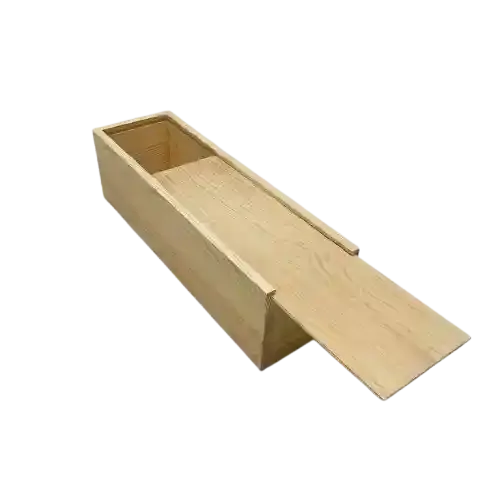
How Do Wooden Wine Packaging Advantages Differ from Cardboard Packaging?
Differences in Protection Level
When comparing wooden wine packaging to cardboard, the most striking difference lies in protection level—two areas where wood clearly outperforms cardboard. Cardboard wine boxes are lightweight and affordable but lack the structural integrity to withstand significant impact, moisture, or long-term use. They are prone to tearing, crushing, and warping when exposed to even minor moisture, which can leave wine bottles vulnerable to breakage during transportation or storage. Wooden wine packaging, by contrast, offer superior protection thanks to their dense, solid construction. Wood absorbs shock effectively, reducing the risk of bottle damage from bumps or drops, and its natural resistance to moisture helps protect wine from humidity-related degradation. Unlike cardboard, which is often single-use, wooden packaging can withstand repeated use and long-term storage, making them a more reliable and long-lasting packaging solution.
Differences in Visual Presentation
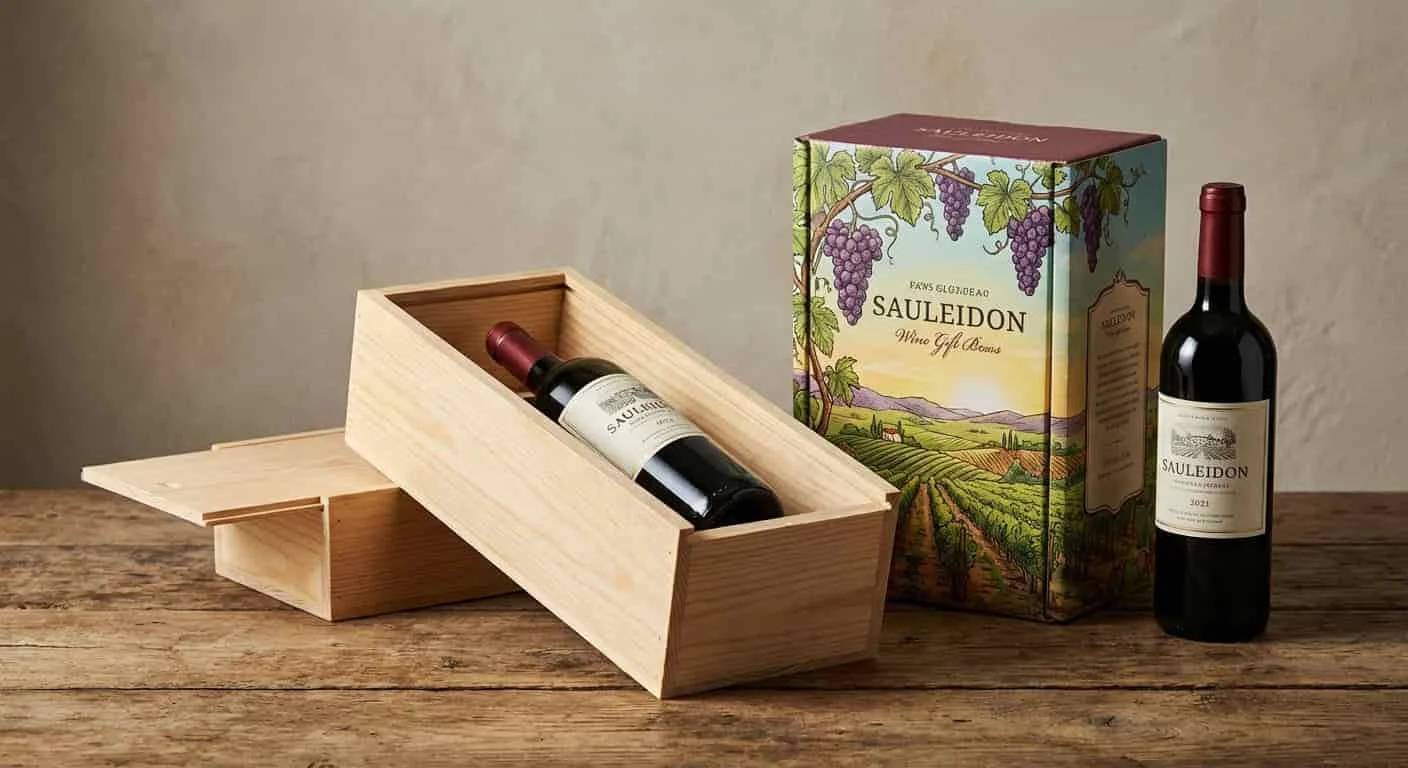
Visual presentation is a key differentiator between wooden and cardboard wine packaging, with wood offering a far more premium and appealing aesthetic. Cardboard boxes, even when printed or designed, have a flat, generic look that lacks texture and warmth. They often feel disposable and do not convey a sense of luxury, which can diminish the perceived value of the wine inside. Wooden wine packaging, on the other hand, boast natural grain patterns, rich tones, and a tactile texture that exudes elegance and craftsmanship. The organic, warm appearance of wood complements wine’s association with tradition and quality, making the packaging more visually striking on retail shelves, in gift displays, or when presented to consumers. Whether left in a natural finish or subtly stained, wood adds a level of sophistication that cardboard simply cannot replicate.
Differences in Cost Structure for Bulk Orders
Cost is a practical consideration for wineries, especially when ordering packaging in bulk, and there are notable differences in cost structure between wooden and cardboard options. Cardboard wine boxes have a lower upfront cost per unit, making them an attractive choice for wineries with tight budgets or those looking for a budget-friendly, single-use solution. However, this lower upfront cost comes with hidden tradeoffs—cardboard’s lack of durability means more packaging waste, higher replacement costs if boxes are damaged during shipping, and no long-term value. Wooden wine packaging have a higher upfront cost per unit, but their cost structure offers long-term savings. Their durability allows for reuse across multiple shipments or repurposing, reducing the need to purchase new packaging frequently. the premium perceived value of wooden packaging can justify higher wine price points, offsetting the initial packaging cost and improving profit margins for wineries over time.
Differences in Environmental Perception
Environmental perception varies significantly between wooden and cardboard wine packaging, with both materials having distinct associations in consumers’ minds. Cardboard is often perceived as eco-friendly due to its recyclability, but this perception is tempered by its short lifespan and frequent need for replacement, which increases overall waste. Many consumers also recognize that cardboard production relies on virgin paper (requiring tree harvesting) and energy-intensive manufacturing. Wooden wine packaging, by contrast, are perceived as more sustainably responsible—thanks to their renewable sourcing (when from responsibly managed forests), biodegradability, and reusability. Consumers associate wood with natural, eco-conscious practices, and the long lifespan of wooden packaging further reinforces their environmental value. This positive environmental perception aligns with the growing demand for sustainable products and helps wineries appeal to eco-conscious consumers.
Do wooden wine packaging offer better protection than cardboard alternatives?
Yes, wooden wine packaging offer significantly better protection than cardboard. Cardboard is prone to tearing, crushing, and absorbing moisture, which can damage wine bottles during transportation or storage. Wood, on the other hand, is sturdy, shock-absorbent, and insulating, providing a reliable barrier against damage, temperature fluctuations, and moisture. Wooden packaging are less likely to degrade over time, ensuring that bottles remain protected even during long-term storage or shipping. For wineries and consumers who prioritize protecting their wine, wooden packaging are the superior choice.
What makes wooden wine packaging a sustainable packaging choice?
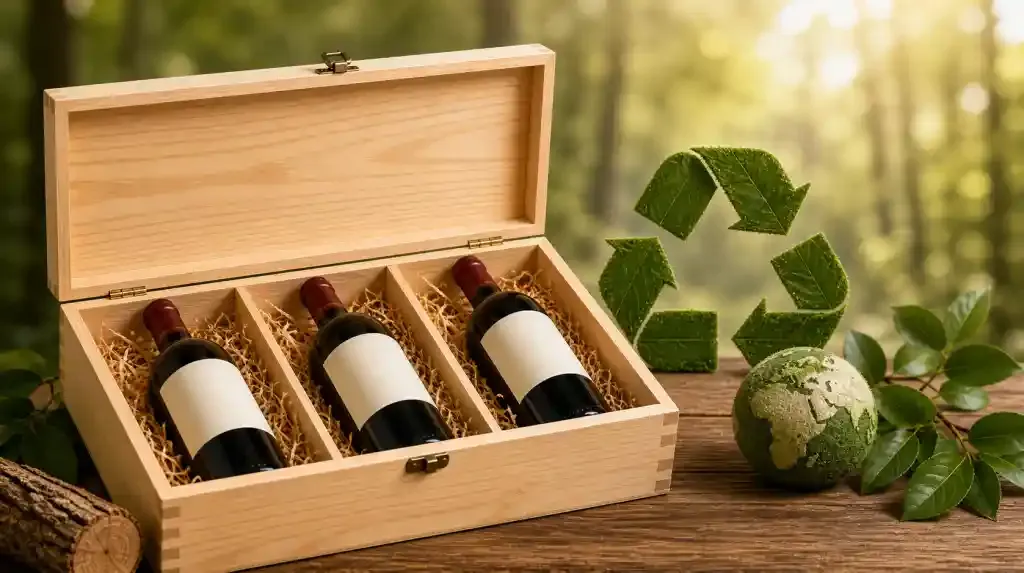
Wooden wine packaging are recognized as a sustainable packaging solution due to their renewable sourcing, biodegradable properties, low carbon footprint and alignment with modern eco-conscious values of consumers and brands.
Renewable Raw Material Source
The primary reason wooden wine packaging are sustainable is their use of renewable raw materials. Wood is a natural resource that can be regrown—when sourced from responsibly managed forests, trees are harvested in a way that ensures the forest remains healthy and productive. This renewable cycle means that wood does not deplete finite resources. By choosing wooden packaging, wineries support sustainable forestry practices, which help combat climate change, preserve biodiversity, and maintain healthy ecosystems.
Biodegradable and Recyclable
Wood is fully biodegradable. When a wooden wine packaging reaches the end of its life, it breaks down naturally into the environment, leaving no harmful residues. wood is recyclable—old or damaged wooden packaging can be processed into new wood products, reducing waste and promoting circularity. This biodegradability and recyclability make wooden packaging a far more eco-friendly option than synthetic materials, aligning with the growing demand for sustainable products.
Low Carbon Footprint
Wooden wine packaging have a significantly lower carbon footprint than many other packaging materials. Trees absorb carbon dioxide from the atmosphere as they grow, storing it in their wood. This carbon sequestration means that wooden packaging acts as a carbon sink, helping to reduce greenhouse gas emissions. the production of wooden packaging requires less energy, further reducing their environmental impact. For wineries looking to reduce their carbon footprint and operate more sustainably, wooden packaging is a simple yet effective choice.
Are wooden wine packaging more environmentally friendly than cardboard packaging?
In most cases, yes—wooden wine packagingare more environmentally friendly than cardboard alternatives. Cardboard, while recyclable, is often made from virgin paper (which requires cutting down trees) and has a shorter lifespan, leading to more frequent replacement and waste. Wood, by contrast, is renewable, biodegradable, recyclable, and has a low carbon footprint—making it the most environmentally friendly choice for wine packaging.
Why Do Brands Choose Wooden Wine Packaging for Premium Products?
Brands choose wooden wine packaging for premium products because it strengthens product positioning, enhances presentation effects, supports custom branding and fits the needs of limited editions and corporate orders.
Impact on Product Positioning
Wooden wine packaging plays a pivotal role in positioning premium wine products, as it directly aligns the packaging with the high quality of the wine inside. Brands choosing wood for premium lines send a clear signal to consumers that their product is distinct, luxurious, and worth investing in. Unlike generic cardboard packaging, which can dilute a product’s premium positioning, wood elevates the perceived value, helping brands position their wine as a step above mass-market options. This strategic positioning not only justifies higher price points but also attracts discerning consumers who associate wood with craftsmanship, tradition, and exclusivity—key attributes of premium wine products.
Role in Gift and Retail Presentation
For premium wine brands, gift and retail presentation are critical to driving sales and brand recognition, and wooden packaging excels in both areas. In retail settings, wooden wine packaging stand out on shelves, thanks to their natural texture, warm tones, and sophisticated appearance, drawing the eye of shoppers and differentiating the product from competitors. As a gift option, wooden packaging add a layer of thoughtfulness and luxury that plain packaging cannot match—turning a bottle of premium wine into a memorable, desirable gift for special occasions. The sturdy, elegant design of wooden packaging also makes them ideal for gift sets, enhancing the overall unboxing experience and leaving a lasting impression on recipients.
Compatibility with Custom Branding Methods
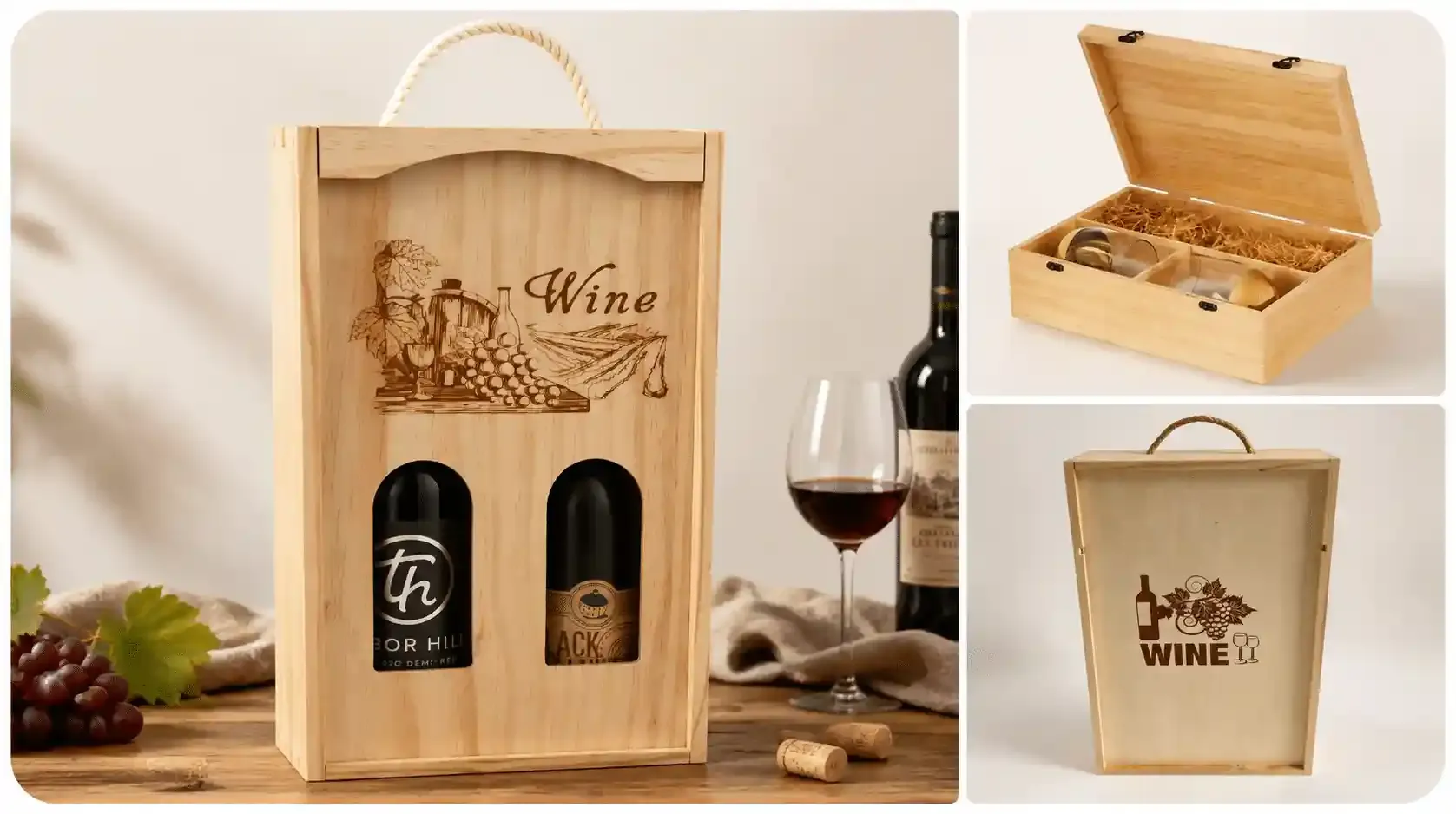
Premium brands rely heavily on custom branding to build identity and loyalty, and wooden wine packaging is highly compatible with a wide range of custom branding methods. Wood’s dense, smooth surface accommodates precision engraving, embossing, laser printing, and even hand-painted designs, allowing brands to showcase their logos, slogans, or unique artwork with crisp, long-lasting results. This flexibility in branding ensures that every wooden packaging becomes a tangible extension of the brand, reinforcing its premium identity and making it easily recognizable to consumers. Whether it’s a subtle engraved logo or an intricate custom design, wooden packaging provides a high-end canvas for brands to tell their story and connect with their audience. In many projects, buyers also extend these customization approaches to broader product lines such as custom wooden boxes, ensuring consistency across packaging and related items.
Use in Limited Editions and Corporate Orders
Wooden wine packaging is the preferred choice for limited-edition wine releases and corporate orders, as it enhances the exclusivity and perceived value of these special offerings. Limited-edition wines are often positioned as collector’s items, and wooden packaging add a sense of rarity and craftsmanship that aligns with this positioning—making the product more desirable to collectors and enthusiasts. For corporate orders, such as client gifts or employee rewards, wooden packaging convey professionalism, thoughtfulness, and a commitment to quality, helping brands strengthen business relationships. The customizable nature of wooden packaging also allows brands to tailor limited-edition and corporate packaging to specific themes or messages, further enhancing their uniqueness.
Why is wood often used for limited edition packaging?
Wood is frequently used for limited edition packaging because it inherently embodies the exclusivity and craftsmanship that limited-edition products aim to convey. Unlike mass-produced cardboard, wood has a unique, natural grain pattern—no two wooden packaging are identical—adding a sense of rarity that resonates with collectors. Its premium appearance also elevates the perceived value of the limited-edition wine, making it feel more special and worthwhile. Wooden packaging are durable and reusable, allowing collectors to preserve the packaging as a memento, extending the lifecycle of the limited-edition offering. For brands, using wood for limited editions helps create buzz, drive demand, and reinforce their position as a premium, forward-thinking brand.
Conclusion
Wooden wine packaging offer a unique combination of aesthetic appeal, durability, sustainability, and customization. These wooden wine packaging advantages make wood stand out as the premier choice for wine packaging. From enhancing brand image and perceived value to providing superior protection and supporting sustainability, wooden wine packaging benefit both wineries and consumers in countless ways. Whether used for high-end wine lines, gift sets, or everyday storage, wooden wine packaging elevates the wine experience, turning a simple bottle into a premium product worth cherishing. As consumers continue to prioritize quality, sustainability, and memorable experiences, wooden wine bottle boxes will remain a timeless and valuable choice for brands looking to make a lasting impression.
FAQs About Wooden Wine Packaging
Is wooden wine packaging suitable for shipping?
Yes, wooden wine packaging is highly suitable for shipping. Its sturdy, dense construction provides superior shock absorption and structural integrity, protecting wine bottles from bumps, drops, and external impacts during transit. Many wooden wine packaging also feature foam inserts or dividers to secure bottles in place, minimizing movement and further reducing the risk of breakage. wood’s natural resistance to moisture helps protect bottles from humidity-related damage during shipping, ensuring the wine arrives in perfect condition.
What wood material are the most commonly used?
The most commonly used wood materials for wine packaging is pine. Pine is lightweight yet sturdy, with a lighter, more natural appearance, making it ideal for budget-friendly yet elegant packaging.
Can wooden wine packaging be customized in small quantities?
Yes. Small quantity customization is possible, especially for standard box structures with simple logo methods such as laser engraving or single-color printing. For most projects, the typical MOQ is around 200 pcs, but lower quantities may be considered for trial orders depending on the design and production setup.
Are wooden wine packaging reusable?
Yes. Consumers often reuse them for storing additional wine bottles, wine accessories (such as glasses, corks, or openers), or even non-wine items like jewelry, small home decor, or office supplies. Their sturdy construction and aesthetic appeal make them ideal for long-term use, and many consumers keep wooden wine packaging for years as decorative or functional items. This reusability not only adds value for consumers but also extends the brand’s reach, as repurposed boxes serve as subtle brand reminders in homes and spaces.
What logo methods are available for wooden packaging?
What logo methods are available for wooden packaging?Common logo methods include laser engraving, silk screen printing, hot stamping, and UV printing. The choice depends on the required appearance, logo detail, and order quantity. Laser engraving is widely used for a natural and durable mark, while printing methods are suitable for colored or more complex designs.
This article was made by Hilon Wood. We are dedicated to custom wooden products manufacturing.
Need Custom Wooden Wine Packaging?
If you are sourcing wooden wine packaging for wholesale, gift sets, or branded products, it is important to match structure, material, and finishing methods with your specific requirements.
At Hilon Wood, we support custom production based on bottle specifications, drawings, or reference samples. Material selection, structure, logo methods, and surface finishes can all be adjusted to fit your project. Small trial orders are available for initial evaluation.
Let us manufacture custom wooden wine boxes for you.